Choosing the right stain for your outdoor furniture can feel overwhelming. You want your pieces to look great and last through sun, rain, and changing seasons.
But with so many options available, how do you pick the perfect one? This guide will help you understand the types of stains, so you can protect your investment and enjoy beautiful furniture for years to come. Keep reading to discover which stain works best for your outdoor space and why.
Choosing The Right Stain
Choosing the right stain for outdoor furniture is important. The right stain protects wood from weather and sun damage. It also improves the look of your furniture. Knowing the differences between stains helps you pick the best one. Consider how the stain works and the type of wood you have. This guide makes the choice easier.
Oil-based Vs Water-based Stains
Oil-based stains soak deep into the wood. They offer strong protection against water and sun. These stains last longer but take more time to dry. Water-based stains dry quickly and clean up with soap and water. They have less odor and are better for the environment. Choose oil-based for durability and water-based for easy use.
Semi-transparent Vs Solid Stains
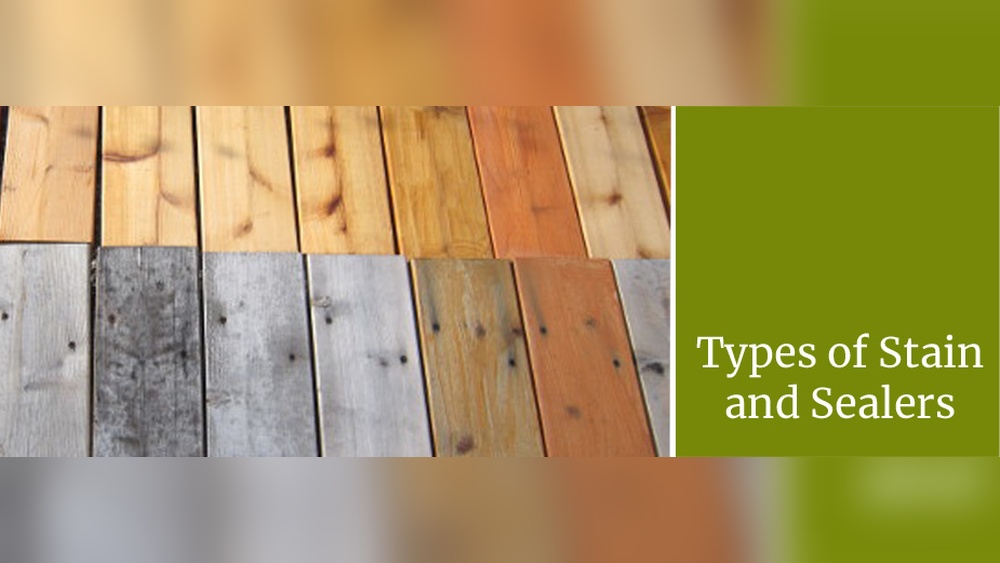
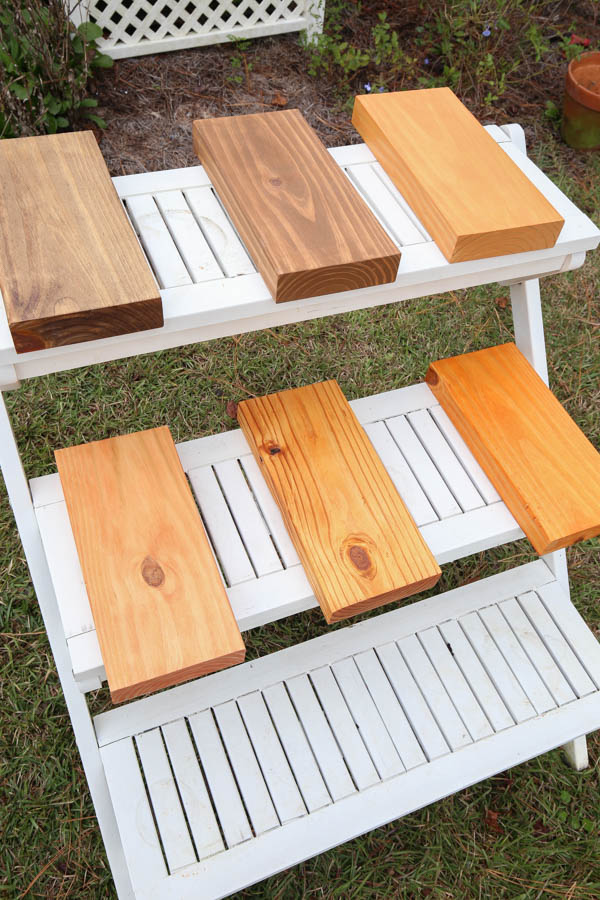
Semi-transparent stains show the wood grain. They add color but keep a natural look. These stains protect well but need reapplication more often. Solid stains cover the wood completely. They hide imperfections and give a uniform color. Solid stains protect better against fading and damage. Pick semi-transparent for beauty and solid for strong coverage.
Considerations For Wood Type
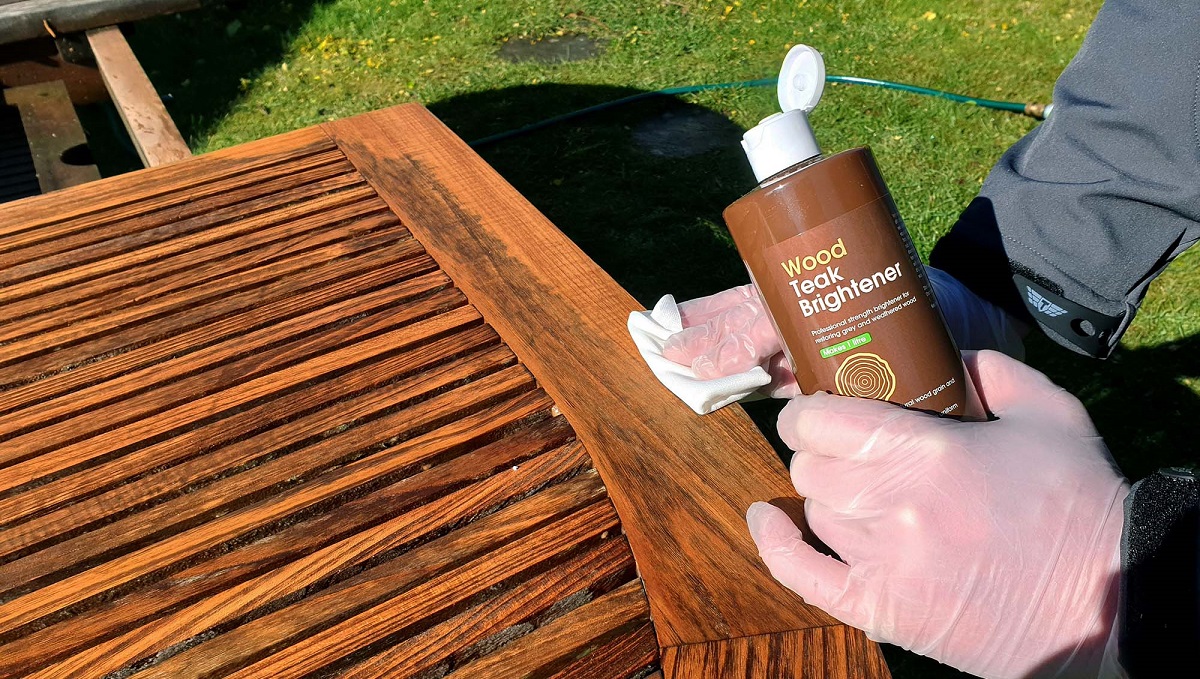
Different woods absorb stain in different ways. Softwoods like pine absorb stain quickly but unevenly. Hardwoods like teak need special stains to keep their color. Some woods have natural oils that can stop stain from soaking in. Test the stain on a small area before full application. Match the stain type to your wood for best results.
Credit: www.furnitureclinic.co.uk
Benefits Of Different Stain Types
Choosing the right stain for outdoor furniture brings many benefits. Different stains protect and improve wood in various ways. Understanding these benefits helps you pick the best stain for your needs. The right stain keeps furniture looking great for years. It also helps the wood resist damage from weather and sun.
Durability And Weather Resistance
Some stains create a strong barrier against rain and moisture. This stops water from soaking into the wood. Water can cause wood to swell and crack over time. Good stains prevent this damage and extend furniture life. They also help resist mold and mildew growth. This keeps your furniture clean and safe outside.
Enhancing Natural Wood Grain
Many stains bring out the wood’s natural patterns and colors. They add depth and richness to the wood’s appearance. Transparent and semi-transparent stains show off the grain well. This makes outdoor furniture look more attractive and natural. Stains can also add a warm tint that suits your style.
Uv Protection Features
Sunlight can fade and weaken wood over time. Stains with UV blockers protect wood from harmful rays. These stains keep colors bright and prevent wood from turning gray. UV protection helps maintain furniture strength and beauty. This means your outdoor pieces stay fresh and vibrant longer.
Preparing Furniture For Staining
Preparing outdoor furniture for staining is a key step for a lasting finish. This process removes dirt, smooths surfaces, and fixes any damage. Proper preparation helps the stain soak in evenly and protects wood from weather.
Take time to get your furniture ready. It will improve the look and life of your stain job.
Cleaning And Sanding Surfaces
Start by cleaning the furniture with mild soap and water. Remove all dirt, dust, and old residue. Let the wood dry completely before sanding.
Use medium-grit sandpaper to smooth rough spots. Sand along the grain to avoid scratches. Wipe off dust with a damp cloth after sanding.
Repairing Damages
Check the furniture for cracks, holes, or loose joints. Fill small cracks with wood filler. Allow it to dry, then sand smooth.
Tighten screws or nails on loose parts. Replace any broken pieces to ensure stability. A solid base supports the stain better.
Choosing The Right Tools
Select brushes or rags suitable for stain application. Natural bristle brushes work well with oil-based stains. Use foam brushes or cloths for water-based stains.
Have sanding blocks, gloves, and a drop cloth ready. These tools make the job easier and cleaner. Proper tools help you apply stain evenly and safely.
Credit: angelamariemade.com
Application Techniques
Applying stain correctly on outdoor furniture extends its life and beauty. Choosing the right technique helps the stain soak into the wood evenly. Proper application prevents peeling and blotching. Understanding different methods makes the process smoother and more effective.
Brush Vs Spray Methods
Brushing is a common way to apply stain. It allows control over how much stain goes on the wood. Brushes work well for detailed and rough surfaces. Spraying covers large areas quickly. It creates a thin, even coat but needs careful handling to avoid drips. Both methods can work well depending on your furniture size and shape.
Number Of Coats Needed
Outdoor furniture often needs two coats of stain. The first coat penetrates and protects the wood. The second coat adds color depth and extra protection. Avoid applying too many coats. It can cause the stain to peel or feel sticky. Follow the stain maker’s instructions for best results.
Drying And Curing Times
Drying time is how long the stain takes to feel dry. It usually takes 4 to 6 hours. Curing time is longer. It means the stain fully hardens and bonds with the wood. This can take up to 72 hours. Avoid using the furniture until the stain cures completely. This ensures durability and lasting beauty.
Maintenance Tips
Maintaining your outdoor furniture stain is key to keeping it beautiful and lasting longer. Proper care protects the wood from sun, rain, and dirt. It also prevents damage that can ruin the stain and the wood beneath.
Regular checks and simple cleaning keep your furniture looking fresh. Small actions can save you from costly repairs or full replacements. Follow these tips to maintain the stain and preserve your outdoor furniture.
When To Reapply Stain
Check your furniture every year for signs of wear. Look for fading, peeling, or dull spots on the wood. These signs show the stain is losing its strength.
Reapply stain before the wood starts to crack or absorb water. Early reapplication keeps the wood safe and looking good. Choose a dry, mild day to apply the new stain.
Cleaning Stained Furniture
Clean your furniture regularly with mild soap and water. Use a soft brush or cloth to remove dirt and dust. Avoid harsh chemicals that can strip the stain.
Rinse well and let the furniture dry completely before use. Clean stains last longer and protect better when the surface is free of dirt.
Protecting Against Mold And Mildew
Mold and mildew appear in damp, shaded areas. Remove them quickly to stop damage to the wood and stain.
Use a mixture of water and white vinegar or a mold cleaner safe for wood. Scrub gently and rinse thoroughly. Keep furniture in a sunny spot if possible to reduce moisture.
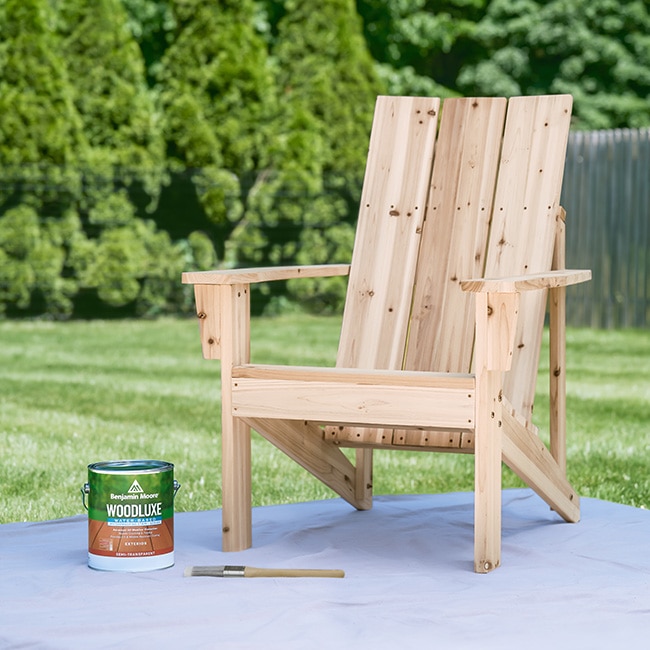
Credit: www.benjaminmoore.com
Common Mistakes To Avoid
Choosing the right stain for outdoor furniture is important. Avoiding common mistakes helps your furniture last longer and look better. These errors can cause peeling, uneven color, or weak protection. Knowing what to avoid keeps your project smooth and successful.
Applying Stain On Wet Wood
Never apply stain on wood that is still wet. Water blocks the stain from soaking in properly. This leads to blotchy and uneven color. The wood must be dry for the stain to stick well. Wait at least 24 hours after rain or washing before staining.
Skipping Preparation Steps
Preparation is key for a good finish. Skipping sanding or cleaning leaves dirt and rough spots. This stops the stain from absorbing evenly. Always clean the furniture to remove dust and old finish. Sand the surface smooth to help the stain soak in.
Using The Wrong Stain Type
Not all stains work well outdoors. Some stains do not protect against sun and rain. Using the wrong type causes fading and damage. Choose a stain made for outdoor use with water and UV protection. This keeps your furniture safe and looking fresh longer.
Eco-friendly Stain Options
Choosing the right stain for outdoor furniture is important for both wood protection and the environment. Eco-friendly stains provide a safer option for your home and the planet. These stains reduce harmful chemicals and promote sustainability. They keep your furniture looking good without damaging nature.
Low-voc And Non-toxic Stains
Low-VOC stains release fewer toxic gases into the air. This makes them safer for you and your family. Non-toxic stains avoid harsh chemicals that can harm health. They also protect wood from moisture and sunlight. These stains are easy to find in many stores.
Natural And Homemade Stains
Natural stains use ingredients like tea, coffee, or berries. These provide gentle color without chemicals. Homemade stains are simple to make and safe to apply. They give a soft, natural look to your furniture. This option is budget-friendly and eco-conscious.
Sustainable Wood Finishes
Sustainable finishes come from renewable resources like plant oils and waxes. They nourish the wood and improve durability. These finishes break down naturally without polluting the environment. Using sustainable finishes helps support green practices in woodworking.
Frequently Asked Questions
What Type Of Stain Is Best For Outdoor Wood Furniture?
Use a penetrating oil-based stain for outdoor wood furniture. It protects against moisture, UV rays, and mildew. This stain enhances wood grain and lasts longer than water-based stains.
How Long Does Outdoor Furniture Stain Typically Last?
Outdoor furniture stain usually lasts 2 to 3 years. The lifespan depends on weather exposure and wood type. Regular maintenance can extend its durability and appearance.
Can I Use Water-based Stain On Outdoor Furniture?
Water-based stains are suitable for outdoor furniture with proper sealing. They dry quickly and have low odor. However, they may require more frequent reapplication than oil-based stains.
Should I Seal Outdoor Furniture After Staining?
Yes, sealing outdoor furniture after staining adds extra protection. It prevents moisture damage and fading caused by sunlight. Use a clear, waterproof sealant compatible with your stain.
Conclusion
Choosing the right stain keeps outdoor furniture strong and beautiful. Some stains protect against sun and rain better than others. Oil-based stains often last longer on wood. Water-based stains dry fast and are easy to clean. Consider the look you want and the wood type.
Regularly applying stain helps furniture last many seasons. Your outdoor space will feel cozy and fresh with the right finish. Stain well, enjoy your furniture, and relax outside!