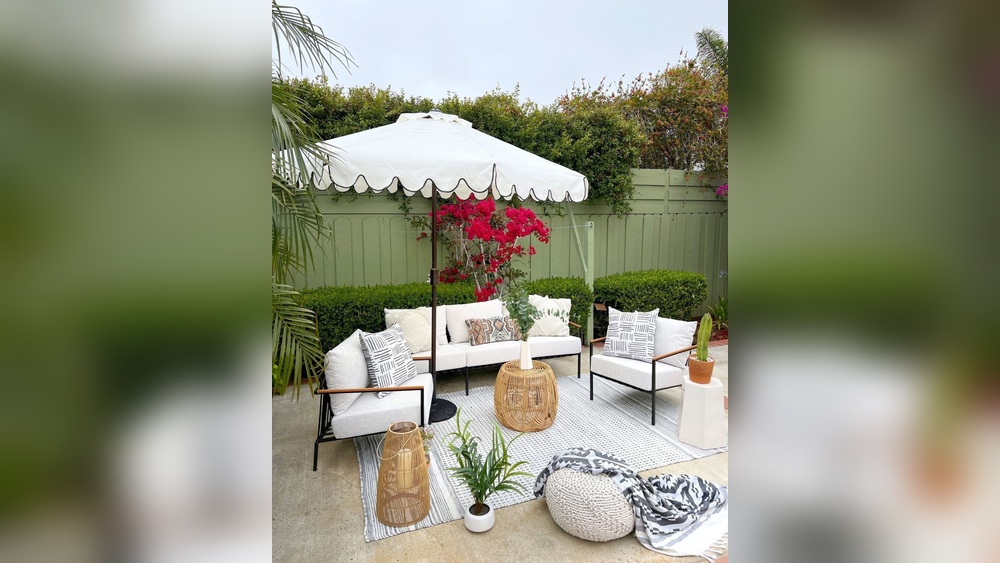
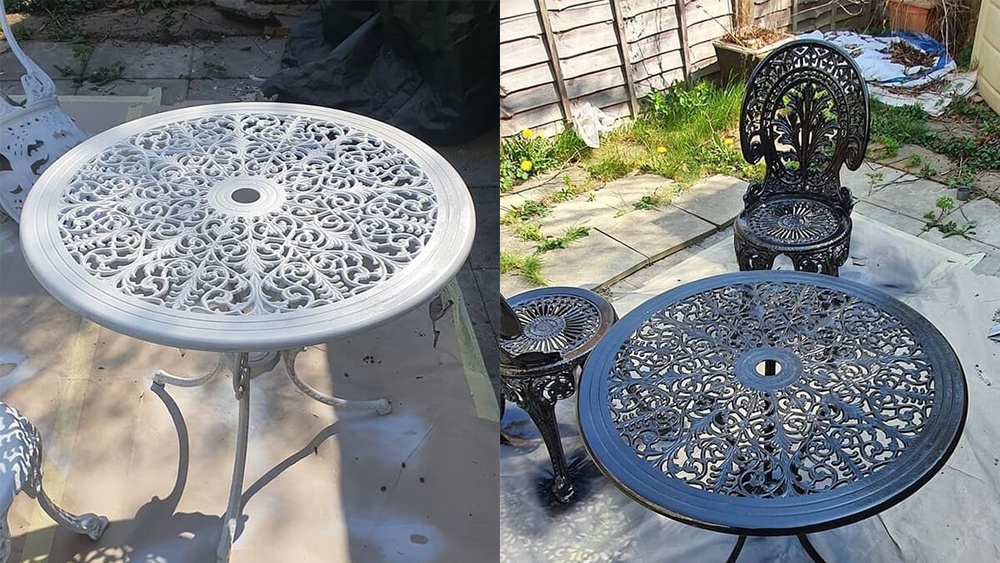
Choosing the right paint for your outdoor wood furniture can feel confusing. You want your pieces to look great and stand up to sun, rain, and changing seasons.
But which type of paint will protect your wood best and keep it looking fresh for years? You’ll discover exactly what paint to use, how to prepare your furniture, and simple tips to make your outdoor wood last longer. Keep reading to transform your outdoor space with confidence and style.
Types Of Outdoor Paint
Choosing the right paint for outdoor wood furniture is important. Paint protects wood from weather and wear. Different paint types suit different needs. Each kind has strengths and limits. Knowing the types helps pick the best one for your furniture.
Here are common types of outdoor paint for wood. Each type offers unique benefits for durability and appearance.
Latex Paint
Latex paint uses water as a base. It dries fast and cleans up easily with soap and water. It resists cracking and peeling in changing weather. Latex paint is flexible, so it moves with the wood. It holds color well under sunlight. This paint is a good choice for most outdoor wood furniture.
Oil-based Paint
Oil-based paint uses oil to bind the color. It creates a hard, smooth finish. It sticks well to wood and lasts long. This paint resists water better than latex. It takes longer to dry and needs mineral spirits for cleanup. Oil-based paint can yellow over time in sunlight. Use it for pieces needing tough protection.
Acrylic Paint
Acrylic paint is a type of latex paint with plastic added. It dries quickly and stays flexible. Acrylic paint handles heat, cold, and moisture well. It resists fading from sun exposure. This paint is easy to apply and clean up. Acrylic paint works well on outdoor wood furniture needing strong weather protection.
Enamel Paint
Enamel paint creates a hard, glossy finish. It protects wood from moisture and damage. This paint is durable and easy to clean. Enamel paint can be oil or water-based. It is often used on furniture for a smooth, shiny look. Choose enamel for outdoor wood that needs a tough, attractive finish.
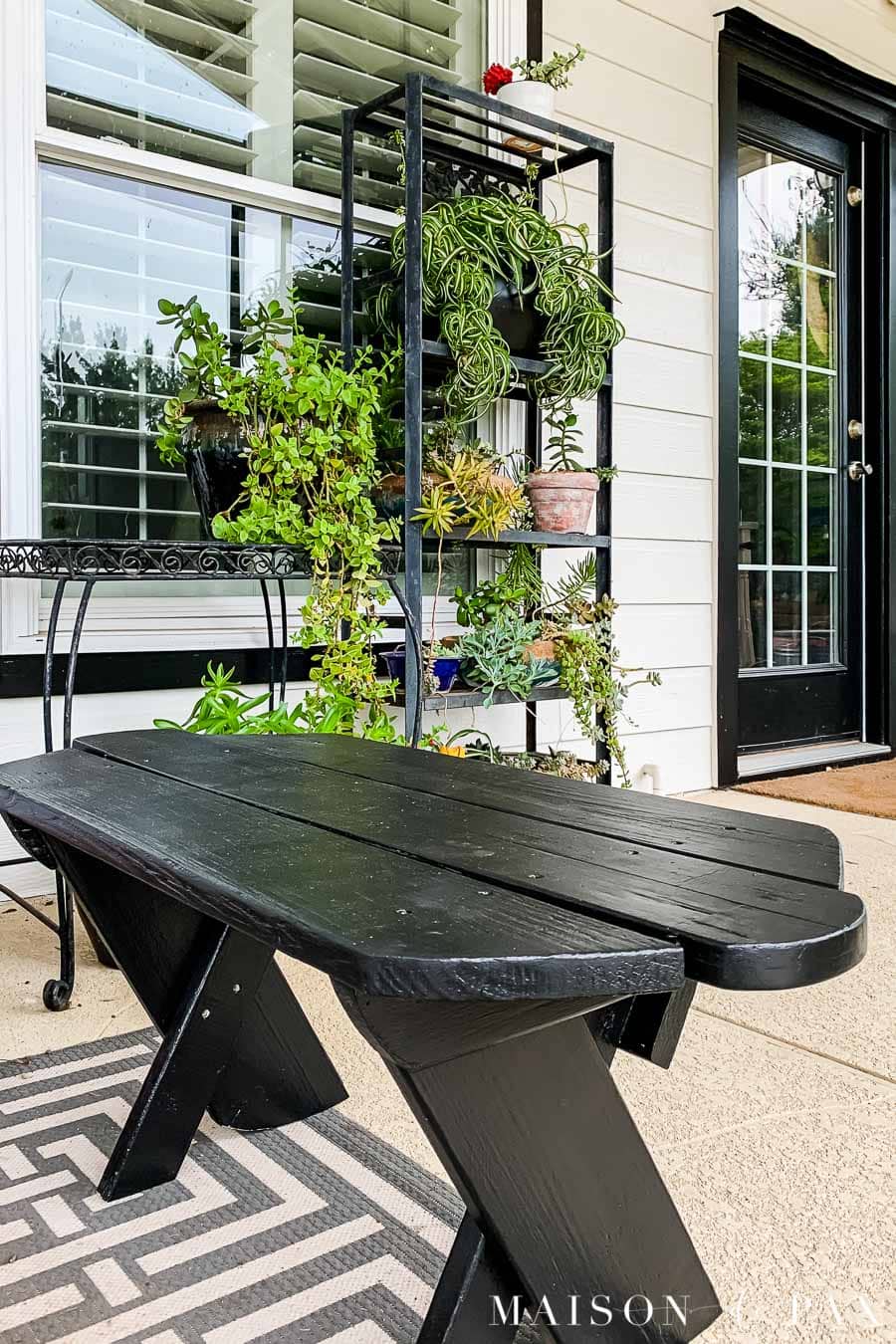
Credit: www.maisondepax.com
Factors To Consider
Choosing the right paint for outdoor wood furniture needs careful thought. Several factors affect how well the paint will protect and beautify your furniture. Understanding these factors helps you pick paint that lasts and looks good.
Durability
Durability means how long the paint can last without peeling or cracking. Outdoor furniture faces rough use and harsh conditions. Paint with good durability stands strong against wear and tear. It saves you time and money on repairs and repainting.
Weather Resistance
Weather resistance is key for outdoor furniture paint. Rain, wind, and snow can damage wood and paint. Paint that resists weather keeps your furniture safe from these elements. It helps maintain the wood’s strength and color over time.
Uv Protection
Sunlight can fade and weaken paint. UV protection in paint stops colors from fading quickly. It also prevents the wood underneath from drying out and cracking. Paint with UV blockers keeps your furniture looking fresh longer.
Moisture Resistance
Wood absorbs water easily, which can cause swelling and rot. Paint with moisture resistance forms a barrier against water. This protects the wood from damage and decay. Moisture-resistant paint is essential for furniture exposed to rain or humidity.
Preparing Wood Furniture
Preparing wood furniture for outdoor paint is a vital step. It ensures the paint sticks well and lasts longer. Taking the time to prepare the surface protects the wood from weather damage. This process also gives a smooth, clean look to your furniture.
Cleaning And Sanding
Start by cleaning the wood to remove dirt, dust, and old paint flakes. Use a mild soap with water and a soft brush. Let the wood dry completely before sanding.
Sanding smooths rough spots and removes any leftover finish. Use medium-grit sandpaper first, then a finer grit for a smooth surface. Always sand along the wood grain to avoid scratches.
Repairing Damage
Check the wood for cracks, holes, or rot. Fill small holes and cracks with wood filler. Let the filler dry and sand it smooth. Replace any parts that are too damaged or rotten to fix. Strong wood is crucial for outdoor furniture.
Priming Tips
Use a primer made for outdoor wood. Primer helps the paint stick better and protects the wood. Apply a thin, even coat and let it dry fully. Sand lightly after drying for a smooth finish. Proper priming extends the life of your paint job.
Choosing The Right Finish
Choosing the right finish for outdoor wood furniture affects its look and durability. The finish protects wood from sun, rain, and wear. Picking the right finish also enhances the furniture’s natural beauty. Different finishes offer various shine levels and protection types. Knowing these options helps you make the best choice for your furniture.
Matte Vs Glossy
Matte finishes have little to no shine. They give wood a soft, natural look. Matte paint hides scratches and dirt well. Glossy finishes shine bright and reflect light. They make colors look bold and vibrant. Glossy surfaces are easier to clean but show scratches more. Choose matte for a subtle look. Pick glossy to make furniture stand out.
Satin And Semi-gloss Options
Satin finishes fall between matte and glossy. They have a soft shine that looks smooth. Satin paint is popular for outdoor furniture. It balances appearance and easy cleaning. Semi-gloss finishes shine more than satin. They resist moisture and dirt well. Semi-gloss is perfect for areas with heavy use. Satin and semi-gloss finishes protect wood while adding style.
Protective Coatings
Protective coatings add extra defense to finishes. They guard against water, UV rays, and fading. Some coatings create a hard shell on the wood. Others keep the finish flexible and breathable. Clear sealers or varnishes are common protective layers. Reapplying these coatings keeps furniture safe longer. Choose coatings made for outdoor wood to ensure best results.
Application Techniques
Applying paint to outdoor wood furniture requires the right techniques. Proper methods help the paint stick well and last longer. These tips make the process easier and improve the final look.
Brush Vs Spray
Choosing between a brush and spray depends on the job size. Brushes work well for small areas and detailed spots. They give control and cover edges neatly.
Spray painting is faster for large surfaces. It creates a smooth, even coat without brush marks. Sprays can reach tight spots but need careful use to avoid drips.
Number Of Coats
Applying more than one coat strengthens the paint layer. Usually, two to three coats are best for outdoor furniture. Each coat adds protection against weather and wear.
Let the first coat dry fully before adding the next. Thin coats dry faster and avoid peeling. Thick coats may take longer and crack over time.
Drying Time
Drying time changes with paint type and weather conditions. Oil-based paints take longer to dry than water-based paints. Warm, dry weather speeds up drying.
Wait at least 24 hours before using the furniture. Touch the surface gently to check if it feels dry. Proper drying prevents damage to the paint finish.
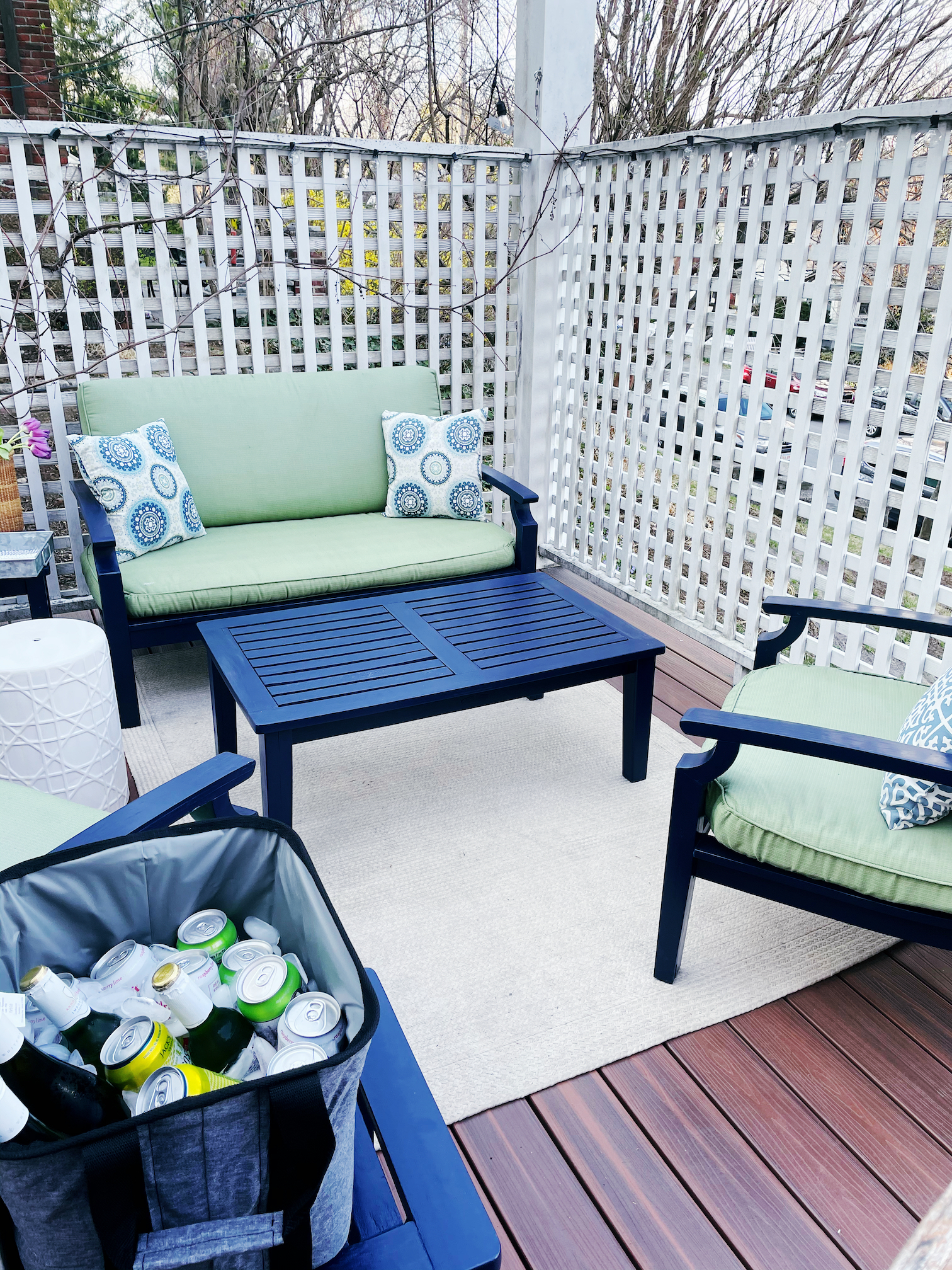
Credit: whitneysowles.com
Maintenance And Touch-ups
Taking care of outdoor wood furniture paint is key to keeping it looking good. Maintenance and touch-ups help protect the wood from weather damage. Regular care also extends the paint’s life and keeps the colors bright.
Small problems caught early are easy to fix. This means less work later and better protection. Knowing how to clean, spot wear, and repaint will save time and money.
Cleaning Painted Surfaces
Use a soft brush or cloth to clean painted furniture. Avoid harsh chemicals that can damage paint. Mix mild soap with water for gentle cleaning. Rinse with clean water and dry with a towel. Clean dirt and dust regularly to prevent buildup.
Identifying Wear And Tear
Look for peeling, cracking, or fading paint. Check edges and corners for early damage signs. Feel the surface for rough or raised areas. Watch for wood swelling or mold under the paint. Spotting these early keeps damage small and fixes easy.
Repainting Tips
Lightly sand the worn areas before repainting. Remove loose paint and smooth rough spots. Use the same type of paint as before for best results. Apply thin, even coats and let each dry fully. Blend new paint into old for a smooth finish. Regular touch-ups keep furniture strong and good-looking.
Common Mistakes To Avoid
Painting outdoor wood furniture needs care. Many make simple mistakes that ruin the finish. Avoid these errors to keep your furniture looking good longer. Proper steps help paint stick well and resist weather.
Skipping Primer
Primer is a must before painting wood. It helps paint stick better and lasts longer. Without primer, paint can peel or chip fast. Primer also blocks stains and wood tannins from coming through. Never skip this step for outdoor wood.
Painting In Poor Weather
Paint in dry, mild weather only. Rain or high humidity stops paint from drying well. Cold weather makes paint thick and hard to spread. Hot sun can dry paint too fast, causing cracks. Choose a calm day for best results.
Using Indoor Paint Outdoors
Indoor paint is not made for outside use. It can peel and fade quickly outdoors. Outdoor paint has special ingredients to resist rain and sun. Always buy paint labeled for outdoor wood furniture. It protects better and lasts longer.
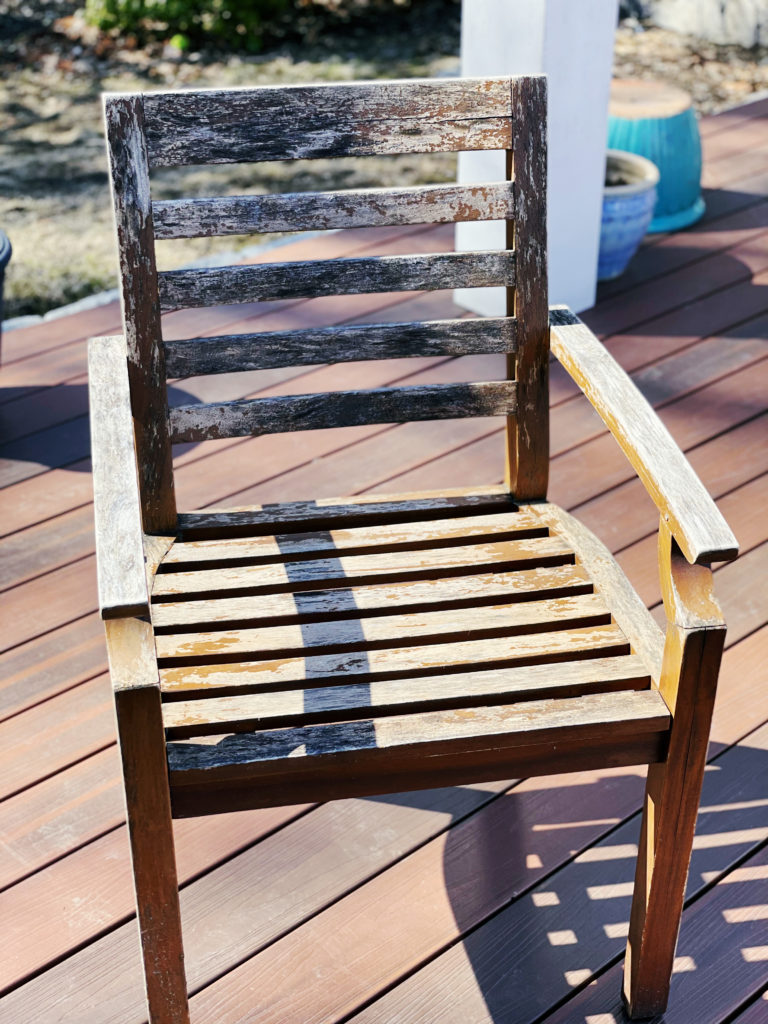
Credit: whitneysowles.com
Frequently Asked Questions
What Type Of Paint Is Best For Outdoor Wood Furniture?
Acrylic latex paint is best for outdoor wood furniture. It offers durability, water resistance, and UV protection. It also allows wood to breathe, preventing cracks and peeling over time.
Can I Use Oil-based Paint On Outdoor Wood Furniture?
Yes, oil-based paint works on outdoor wood furniture. It provides a hard, durable finish and excellent moisture resistance. However, it takes longer to dry and has stronger fumes compared to latex paint.
Should I Prime Wood Before Painting Outdoor Furniture?
Priming is essential for outdoor wood furniture. It seals the wood, improves paint adhesion, and prevents moisture damage. Using a quality primer extends the lifespan of the paint job and enhances overall durability.
How Many Coats Of Paint Are Needed For Outdoor Wood?
Two to three coats of paint are ideal for outdoor wood furniture. This ensures full coverage and better protection against weather elements. Always allow each coat to dry completely before applying the next.
Conclusion
Choosing the right paint keeps outdoor wood furniture strong and beautiful. Use paint made for outdoor use to protect wood from sun and rain. A good paint also stops wood from cracking and fading. Remember to prepare the wood surface well before painting.
This helps the paint stick better and last longer. A few simple steps can make your furniture look fresh for years. Your outdoor space will feel more inviting with painted wood furniture. Take your time and enjoy the painting process.
The effort pays off with lasting beauty and protection.