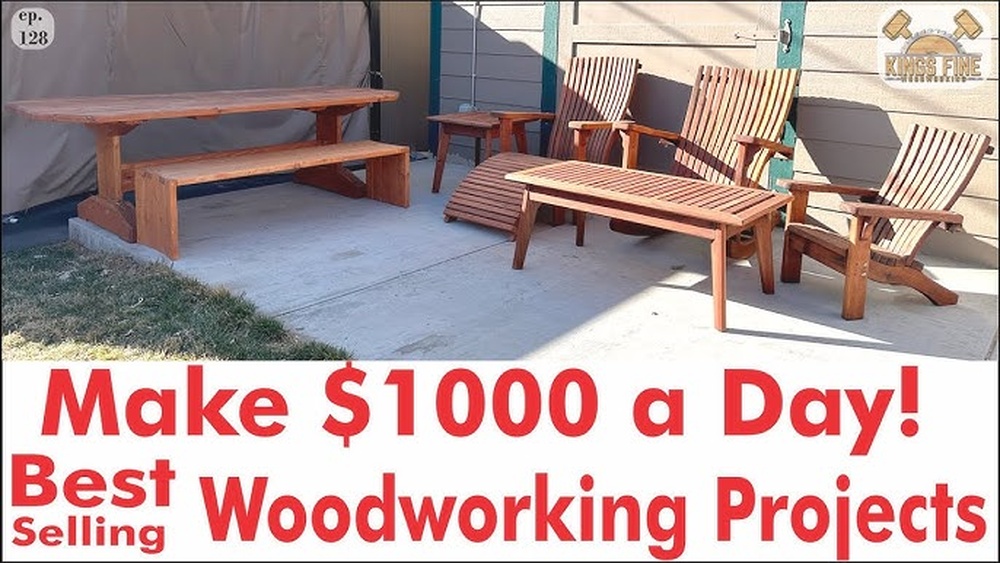
Are you looking for a way to turn your skills into a steady income? Building outdoor furniture could be your perfect opportunity.
Imagine creating beautiful, sturdy pieces that people love to buy for their patios and gardens—and getting paid well for it. In this post, you’ll discover simple steps to start making money with outdoor furniture, even if you’re just beginning. Ready to unlock your potential and build a business that fits your passion?
Keep reading, because your path to profit starts here.
Choosing The Right Furniture Niche
Choosing the right furniture niche is key to making money building outdoor furniture. It helps focus your skills and resources. Picking a niche that fits your strengths and market needs leads to better sales. Understanding what type of furniture sells well can save time and effort. This step guides your design, material choice, and marketing strategy.
Popular Outdoor Furniture Types
Many types of outdoor furniture attract buyers. Patio sets with tables and chairs are common. Benches and swings add charm to gardens. Adirondack chairs offer comfort and style. Fire pits with seating create cozy spaces. Storage boxes that double as seats are practical. Each type has different costs and customer appeal.
Identifying Market Demand
Check what customers want in your area. Look at local trends and weather conditions. Some regions need weatherproof furniture more than others. Visit markets and online stores to see popular styles. Ask potential buyers about their preferences. High demand means faster sales and steady income.
Targeting Residential Vs. Commercial Clients
Decide if you want to sell to homes or businesses. Residential buyers want comfortable and stylish pieces. Commercial clients need durable furniture for hotels and parks. Businesses often buy in larger quantities. Each client type requires a different approach. Tailor your products to meet their needs.

Credit: alaskabeacon.com
Sourcing Quality Materials
Sourcing quality materials is the first step to making durable outdoor furniture. The right materials ensure your products last long and look great. Choose materials that resist weather and wear. This helps your furniture stay strong under sun, rain, and wind. Good materials also make your pieces safe and comfortable. They build trust with customers. Knowing where to find these materials is key. It saves time and money. Focus on woods and eco-friendly options. Also, find suppliers you can trust for steady supplies.
Best Woods For Outdoor Use
Teak is a top choice for outdoor furniture. It resists water and insects well. Cedar and redwood also work fine. They have natural oils that protect wood. These woods stay strong without much treatment. Pine is cheaper but needs more care. Always pick wood that is dense and strong. Avoid soft woods that wear out fast. Good wood means less repair and happy customers.
Eco-friendly Material Options
Eco-friendly materials attract many buyers today. Bamboo grows fast and is very strong. Reclaimed wood is another green choice. It reuses wood from old buildings or furniture. These options reduce waste and save trees. Use water-based or natural finishes to protect the wood. Avoid harsh chemicals that harm the environment. Eco-friendly products can be a selling point for your furniture.
Finding Reliable Suppliers
Good suppliers keep your business running smoothly. Find suppliers who deliver quality materials on time. Check reviews and ask other builders for recommendations. Visit suppliers if possible to see materials firsthand. Build strong relationships for better prices and service. Reliable suppliers help avoid delays and extra costs. Keep a list of backup suppliers for emergencies. This keeps your production steady and customers satisfied.
Essential Tools And Workshop Setup
Building outdoor furniture can be a great way to earn money. Having the right tools and workspace makes the job easier and faster. Setting up a good workshop helps keep everything organized. It also improves the quality of your work. This section covers the essential tools and how to set up a functional workshop.
Basic Tools For Beginners
Start with simple tools that are easy to use. A measuring tape helps ensure correct sizes. A handsaw or a small power saw cuts wood pieces. Clamps hold the wood steady while you work. Sandpaper smooths rough edges for a clean finish. A cordless drill is useful for making holes and driving screws. These basic tools cover most beginner needs.
Advanced Equipment For Efficiency
As you grow, adding advanced tools can save time. A table saw allows precise, straight cuts quickly. A miter saw helps make angled cuts for furniture joints. A power sander speeds up smoothing large surfaces. A router shapes edges and creates decorative details. Investing in these tools improves your work speed and quality. Use them to handle bigger projects with ease.
Organizing A Functional Workspace
Keep tools and materials easy to reach. Use shelves and pegboards to store tools neatly. A sturdy workbench provides a solid surface for building. Good lighting helps you see details clearly. Clear the floor to avoid accidents and improve movement. A clean, organized space makes work faster and safer. It also creates a professional environment for your craft.
:strip_icc()/20220716_meredith_023-2_preview-83519f467a3940e4ac9b885736838bf0.jpg)
Credit: www.bhg.com
Designing For Function And Style
Designing outdoor furniture that sells well needs a balance of function and style. Buyers want pieces that look good and last long. The right design attracts more customers and increases profits. Focus on creating furniture that fits outdoor life and meets style trends. Simple ideas with practical use make your work stand out.
Combining Durability With Aesthetics
Choose materials that resist weather and wear. Wood, metal, and synthetic fibers work well outdoors. Smooth finishes protect the furniture and improve its look. Strong joints and sturdy frames keep pieces safe and reliable. A clean, attractive design invites buyers to imagine using the furniture daily.
Incorporating Custom Features
Offer options like built-in storage or adjustable parts. Custom cushions and finishes allow customers to personalize their pieces. Small touches, such as cup holders or foldable sections, add value. Custom features show attention to detail and meet unique needs. These extras often lead to higher sales and better reviews.
Trends In Outdoor Furniture Design
Natural colors and eco-friendly materials are popular now. Minimalist shapes and modular designs appeal to many buyers. Mixing textures, like wood with metal, creates a fresh look. Compact furniture suits small spaces and urban homes. Keeping up with trends helps your products stay relevant and in demand.
Building Techniques For Longevity
Building outdoor furniture that lasts is key to making money. Strong techniques help your pieces stay durable and valuable. Focus on solid construction and protection against weather. This way, customers trust your work and buy more.
Joinery Methods That Last
Choose joinery techniques that keep furniture firm. Mortise and tenon joints offer great strength. Dovetail joints lock pieces tightly without nails. Use wood glue to add extra hold. Avoid simple nails or screws alone—they weaken over time. Good joinery means less repair and longer use.
Weatherproof Finishing Tips
Apply finishes that protect against rain and sun. Use outdoor-grade paint or sealant. These prevent wood from cracking or rotting. Reapply finishes every year or two for best results. Cover all surfaces, including edges and undersides. Proper finishing extends furniture life and keeps it looking good.
Quality Control Practices
Check every piece carefully before selling. Look for cracks, loose joints, or rough edges. Sand all surfaces smooth to avoid splinters. Test stability by shaking the furniture gently. Fix problems immediately to ensure safety. High quality builds a strong reputation and repeat customers.
Pricing Strategies For Profit
Setting the right price is key to earning money from outdoor furniture. Good pricing helps cover costs and brings profit. It also makes customers feel confident about buying. Pricing needs a clear plan that balances costs, market trends, and customer value.
Calculating Material And Labor Costs
Start by adding all material costs like wood, screws, and paint. Include small items too, such as sandpaper and glue. Next, calculate labor costs based on hours worked. Set an hourly rate that matches your skill and local pay rates. Add these numbers to find the base cost of each piece.
Competitive Market Pricing
Check prices of similar outdoor furniture in your area. Note what others charge for materials and design quality. Your price should be close but reflect your unique style or better quality. Avoid pricing too low; it may suggest poor quality. Too high could drive customers away.
Offering Packages And Discounts
Bundle products like tables and chairs together for a set price. This encourages customers to buy more at once. Offer discounts for repeat buyers or large orders. Limited-time deals can also boost sales quickly. Make sure discounts still keep your profit margin healthy.
Marketing Your Outdoor Furniture
Marketing your outdoor furniture is key to growing your business. Good marketing helps people find your work and builds trust. It shows what makes your furniture special. Focus on clear, simple ways to reach buyers. Use both online tools and face-to-face chances to connect.
Creating An Online Presence
Build a website that shows your furniture clearly. Use bright photos and easy descriptions. Include prices and contact details. Make sure your site works well on phones and tablets. Add a blog to share tips or stories about your furniture. This helps your site appear on search engines. Update your site often to keep it fresh.
Leveraging Social Media
Use social media to show your work and connect with buyers. Post pictures and videos of your furniture. Share the making process to interest viewers. Reply to comments to build a friendly community. Use simple words and clear images. Post regularly to keep followers interested. Social platforms help you reach local and global customers.
Participating In Local Markets And Fairs
Join local markets and fairs to meet buyers face-to-face. Display your best pieces in a clean, neat area. Talk about your furniture and answer questions. Hand out business cards or flyers with your contact. These events build trust and create loyal customers. They also offer direct feedback to improve your work.
Building Customer Relationships
Building strong customer relationships is key to making money in outdoor furniture. Customers who trust you are more likely to buy again. They also tell others about your work. Focus on how you treat each client to grow your business steadily.
Providing Excellent Customer Service
Always respond quickly to questions. Be clear and polite in every message. Help customers understand your products and process. Deliver furniture on time and in good condition. Show you care about their satisfaction. Small efforts make a big difference.
Encouraging Repeat Business
Offer discounts or deals to returning clients. Send reminders for seasonal furniture care. Share ideas for new pieces that match their style. Keep customers interested and connected. Repeat buyers create a steady income stream.
Gathering And Using Customer Feedback
Ask clients about their experience. Use surveys or simple questions after delivery. Listen carefully to their opinions and suggestions. Improve your products and service based on feedback. Happy customers bring more business.
Scaling Your Furniture Business
Growing your outdoor furniture business means more work and more customers. To handle this growth, you need smart steps. Scaling helps you meet bigger demand and earn more money. It also lets you spend less time on small tasks. Focus on three key areas to grow well and keep your business steady.
Outsourcing And Hiring Help
Hire extra workers to speed up production. Outsource tasks like sanding, painting, or packaging. This saves your time for design and sales. Skilled helpers keep quality high and orders on time. Part-time workers fit busy seasons without big costs. Look for reliable people who care about your craft.
Expanding Product Lines
Add new furniture types to attract more buyers. Try benches, tables, or garden swings. Use materials you already know to save money. New products bring fresh customers and more sales. Test small batches before full production. Offer styles that suit different outdoor spaces.
Exploring Wholesale Opportunities
Sell your furniture in bulk to stores or online shops. Wholesale deals bring steady income and larger orders. Build good relationships with retailers for repeat business. Set fair prices that cover costs and profit. Provide consistent quality and delivery to keep trust.

Credit: www.youtube.com
Frequently Asked Questions
What Skills Are Needed To Build Outdoor Furniture?
You need woodworking skills, creativity, and basic tool knowledge. Understanding materials like wood and metal helps create durable pieces. Basic design sense enhances appeal. Safety and finishing techniques improve product quality and customer satisfaction.
How Can I Price My Outdoor Furniture Effectively?
Research market prices and factor in material and labor costs. Consider your craftsmanship quality and target audience. Competitive pricing attracts buyers while ensuring profit. Adjust prices based on demand and seasonal trends for best results.
Where Can I Sell Handmade Outdoor Furniture?
Sell through online marketplaces like Etsy, eBay, or Facebook Marketplace. Local craft fairs, garden centers, and furniture stores are great too. Building a website or using social media boosts reach and customer engagement.
What Materials Are Best For Outdoor Furniture?
Use weather-resistant woods like teak, cedar, or redwood. Metal options include aluminum and wrought iron for durability. Synthetic materials like plastic or resin are low maintenance and weatherproof. Choose materials based on climate and style preferences.
Conclusion
Building outdoor furniture can be a rewarding way to earn money. Start small and practice your skills. Use quality materials to make durable products. Sell your work at local markets or online. Word of mouth will help grow your business.
Stay patient and keep improving your craft. Enjoy the process and watch your earnings grow. This path offers both creativity and profit. Give it a try and see what happens!


