
When winter arrives, you might wonder if covering your outdoor furniture is really necessary. You’ve invested in pieces that make your patio cozy and stylish, so protecting them feels important—but is it worth the hassle?
What if covering them actually causes more harm than good? You’ll discover the simple truth about winter-proofing your outdoor furniture. By the end, you’ll know exactly what to do to keep your furniture looking great season after season. Keep reading to make the best choice for your outdoor space and your peace of mind.
Benefits Of Covering Outdoor Furniture
Covering outdoor furniture during winter offers many benefits. It protects your investment from harsh weather and keeps your furniture in good shape. Simple covers can save money and effort over time. Here are some key advantages of using covers for outdoor furniture.
Preventing Weather Damage
Winter weather can harm outdoor furniture. Rain, snow, and ice cause rust, mold, and cracks. Covers act as a shield against moisture and cold. They keep water from seeping into wood and metal. This helps avoid costly repairs and replacements.
Extending Furniture Lifespan
Furniture lasts longer with proper protection. Covers reduce wear caused by sun and wind. They stop fading and weakening of materials. Using covers means your furniture stays strong for many years. It keeps the structure intact through tough seasons.
Maintaining Appearance
Covers help furniture look fresh and new. Dirt, dust, and leaves do not settle on covered surfaces. This means less cleaning after winter ends. Your furniture keeps its color and finish. A neat appearance invites use and enjoyment all year.

Credit: www.alexander-francis.co.uk
Choosing The Right Cover
Choosing the right cover for your outdoor furniture is key to protecting it during winter. A good cover keeps moisture, dirt, and cold away. It also helps prevent damage from snow and ice. Picking the correct cover extends your furniture’s life and keeps it looking new.
Material Types
Choose covers made from durable materials like polyester or vinyl. Polyester is strong and resists tearing. Vinyl offers excellent water protection. Some covers have a waterproof coating for extra defense. Avoid thin plastic covers that tear easily.
Size And Fit
Measure your furniture before buying a cover. A cover too small won’t protect well. One too large may blow off in wind. Look for covers with adjustable straps or elastic hems. These features keep covers snug and secure.
Breathability Features
Breathable covers prevent moisture buildup under the cover. Moisture can cause mold and mildew. Look for covers with vents or breathable fabric. These allow air circulation while keeping water out. Proper airflow protects your furniture better.
Preparing Furniture For Winter
Preparing outdoor furniture for winter protects it from cold, moisture, and dirt. Proper care helps keep furniture looking good for many seasons. Taking time to clean and store items correctly prevents damage and saves money.
Follow simple steps to get your furniture ready for winter weather. This guide covers cleaning, removing fabrics, and storing accessories safely.
Cleaning And Drying
Start by cleaning your furniture thoroughly. Use mild soap and water to remove dirt and stains. Avoid harsh chemicals that can damage surfaces. Rinse well to remove all soap.
Dry furniture completely. Moisture left on furniture can cause mold and rust. Use a dry cloth or let it air dry in the sun. Dry furniture lasts longer through winter.
Removing Cushions And Fabrics
Take off all cushions and fabric covers. These materials absorb moisture and can grow mold. Clean cushions according to the label instructions. Make sure they are fully dry before storing.
Store fabrics in a dry place. Keeping them inside protects from rain, snow, and pests. Proper storage extends the life of your cushions and fabrics.
Storing Accessories
Collect small accessories like pillows, throws, and table decorations. Store these items indoors during winter months. Use sealed containers or bags to keep them clean and dry.
Protect metal parts with a light coat of oil or rust inhibitor. This prevents corrosion during damp weather. Proper storage keeps accessories ready to use next season.
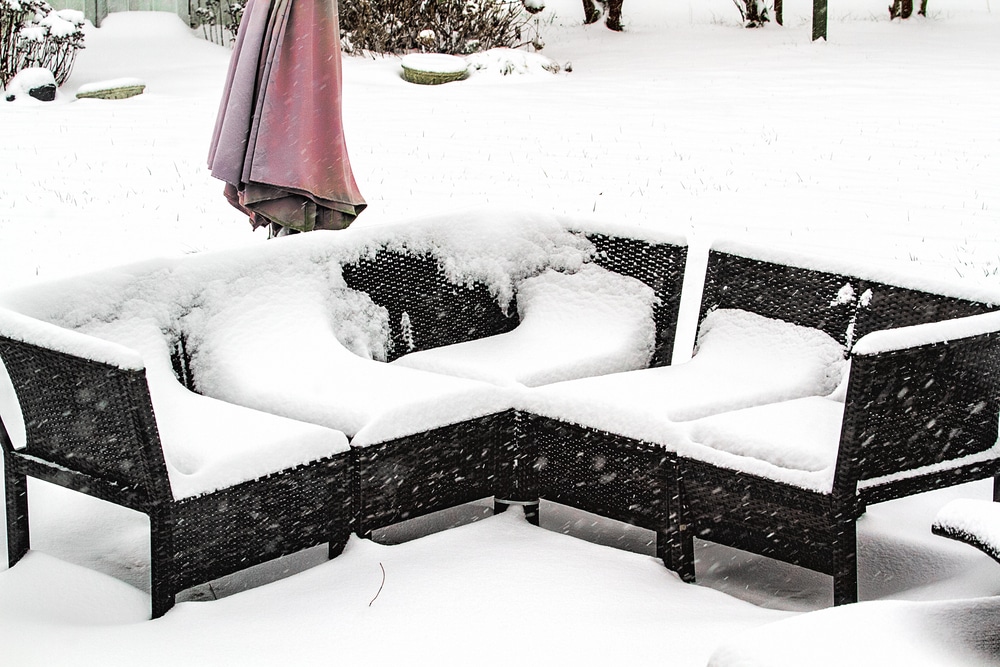
Credit: www.koolbreezeinc.com
Covering Techniques
Covering outdoor furniture during winter protects it from harsh weather. Proper techniques help keep your furniture safe and dry. Using the right methods prevents damage from wind, rain, and snow. This section explains easy ways to cover your outdoor pieces effectively.
Securing Covers Against Wind
Wind can blow covers off or cause tears. Use straps or bungee cords to hold covers tight. Make sure covers fit snugly around the furniture. Check them often and tighten if needed. Weighted edges also stop covers from lifting in strong winds.
Avoiding Moisture Traps
Moisture can cause mold and mildew under covers. Choose breathable covers to let air flow. Avoid plastic sheets that trap water and sweat. Elevate covers slightly to allow air movement. Remove covers during dry, sunny days to air out furniture.
Using Additional Protection
Extra layers can shield furniture better. Use waterproof pads under covers for more defense. Wrap cushions in plastic bags or waterproof fabric separately. Store small items indoors to prevent damage. These steps add more safety to your outdoor furniture.
Alternatives To Covering
Covering outdoor furniture is a common way to protect it during winter. Yet, there are other ways to keep your furniture safe and in good shape. These alternatives can save time and effort while still guarding against harsh weather. Consider these options to keep your furniture lasting longer without using covers.
Indoor Storage Options
Moving furniture indoors is a strong way to protect it. A garage, shed, or basement can keep items safe from snow and ice. Indoor storage stops moisture buildup and sun damage. It also reduces the chance of rust or mold. Store cushions separately in dry places to prevent mildew. This method can extend your furniture’s life significantly.
Using Weather-resistant Furniture
Choose furniture made for outdoor use year-round. Materials like teak, aluminum, and synthetic wicker resist weather well. These pieces need little extra care during winter. Weather-resistant furniture handles rain and cold without damage. This option reduces the need for covers or moving pieces indoors. It suits people who want low-maintenance outdoor living.
Seasonal Furniture Rotation
Rotate your furniture based on the season. Use heavy, durable pieces during winter months. Store delicate items indoors or away from harsh weather. Swap lighter furniture back outside when temperatures rise. This method keeps fragile items safe and still offers outdoor comfort. It also spreads wear evenly among your furniture.
Common Mistakes To Avoid
Protecting outdoor furniture during winter needs care and attention. Many make avoidable errors that cause damage rather than protect. Knowing common mistakes helps keep furniture safe and in good shape. Avoiding these errors saves money and effort in the long run.
Covering Wet Furniture
Covering furniture when it is wet traps moisture underneath. This leads to mold and mildew growth. Always dry furniture completely before covering it. Moisture can cause wood to rot and metal to rust. Take time to wipe or air dry furniture first.
Using Poor Quality Covers
Cheap covers do not protect well from cold, rain, or snow. Low-quality materials tear easily and let water in. Invest in covers made from thick, waterproof fabric. A good cover lasts longer and shields furniture better. Avoid covers that lack secure ties or zippers.
Ignoring Ventilation Needs
Covering furniture tightly without airflow traps heat and moisture. This can cause condensation and damage the furniture’s finish. Choose covers with vents or leave small gaps for air circulation. Proper ventilation prevents mold and keeps furniture dry.
Maintenance During Winter
Winter can be tough on outdoor furniture. Cold, snow, and ice can cause damage over time. Proper maintenance during winter helps your furniture last longer and stay in good shape. Small efforts now prevent big repairs later.
Regular Inspections
Check your furniture often for signs of damage. Look for cracks, rust, or loose parts. Early detection stops problems from getting worse. Set a weekly schedule for quick inspections.
Removing Snow And Ice
Snow and ice add extra weight and moisture. Use a soft broom or cloth to clear them gently. Avoid hard scrapes that can scratch surfaces. Keep furniture dry to prevent rust and decay.
Repairing Minor Damages
Fix small issues right away. Tighten loose screws and bolts. Use waterproof sealants on cracks and chips. Small repairs protect your furniture from harsh winter conditions.
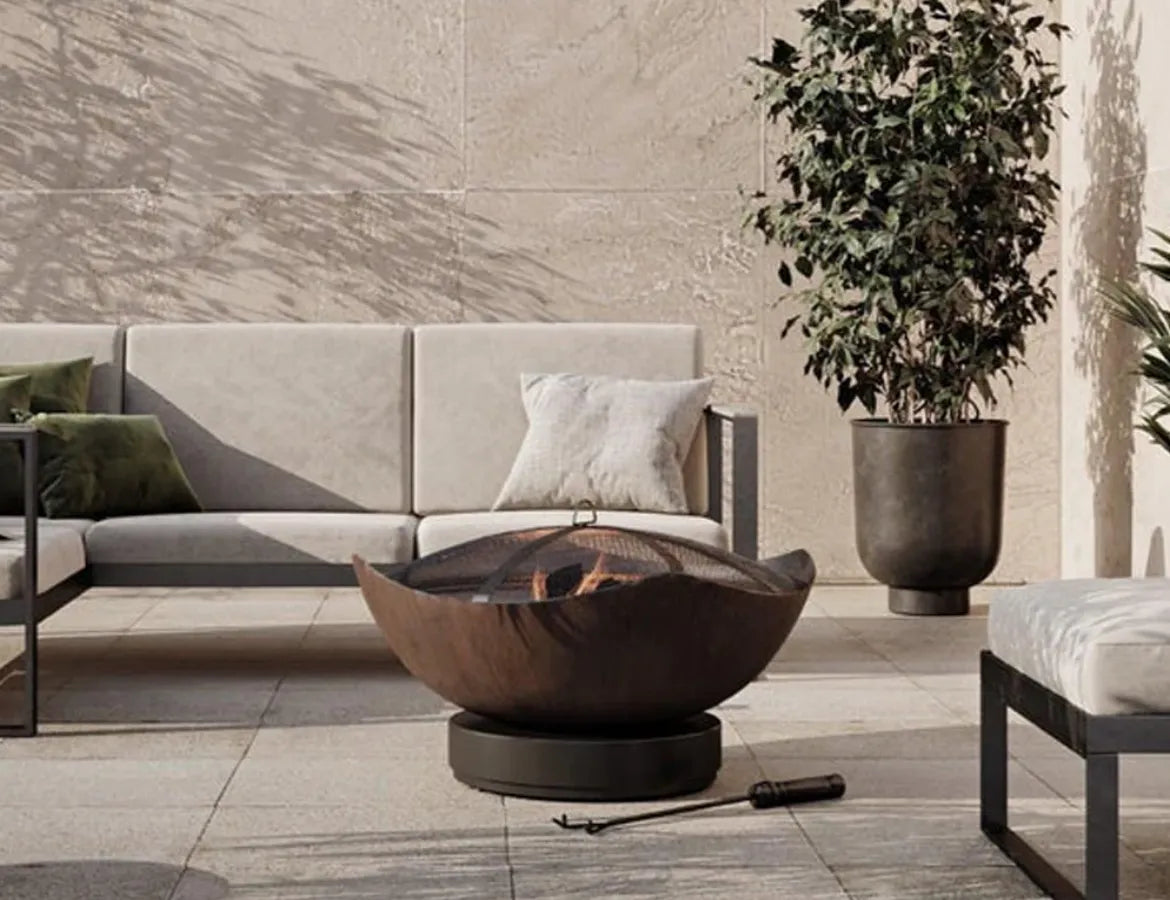
Credit: sunjoyshop.com
Frequently Asked Questions
Should I Cover Outdoor Furniture During Winter?
Covering outdoor furniture in winter protects it from snow, ice, and moisture. This prevents rust, fading, and material damage, extending furniture life and maintaining appearance.
What Materials Benefit Most From Winter Covers?
Wood, metal, and fabric furniture benefit most from covers. Covers prevent moisture damage, rust, and fading, keeping these materials in good condition through harsh winter weather.
Can I Leave Outdoor Cushions Uncovered In Winter?
It’s best to store cushions indoors or in waterproof bins. Leaving cushions uncovered can cause mold, mildew, and fading due to moisture and cold temperatures.
Are Winter Furniture Covers Necessary For All Climates?
Winter covers are essential in cold, snowy, or wet climates. In mild climates, covers still protect from dirt and UV damage but may be less critical.
Conclusion
Covering outdoor furniture in winter helps protect it from rain and snow. It keeps the furniture clean and stops damage from cold weather. Covers block dirt and prevent rust or mold from forming. Still, make sure to use breathable covers to avoid moisture buildup.
Proper care extends your furniture’s life and saves money on repairs. Think about your furniture type and weather conditions before covering. Taking simple steps now leads to beautiful, lasting outdoor furniture next season. A little effort goes a long way.


