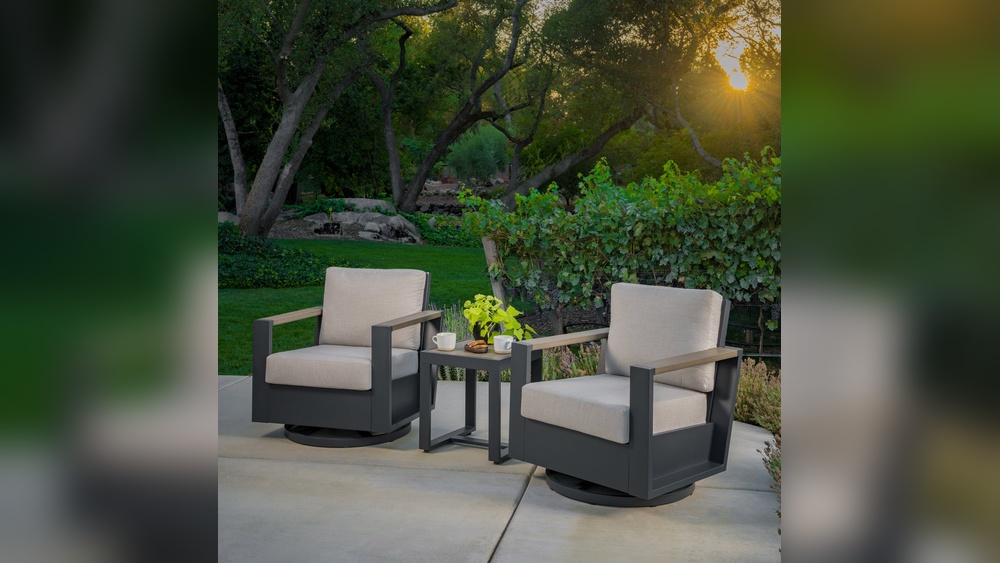
Are you wondering if you can stain your outdoor furniture to give it a fresh, vibrant look? Maybe your wood pieces are starting to look dull or weathered, and you want to bring back their natural beauty.
Staining outdoor furniture isn’t just about making it look good—it can also protect your investment from sun, rain, and wear. But is it really that simple? You’ll discover everything you need to know about staining outdoor furniture, from choosing the right stain to getting a smooth, lasting finish.
Keep reading to find out how you can transform your outdoor space with just a few easy steps.
Choosing The Right Stain
Choosing the right stain for outdoor furniture is important. The right stain protects wood from weather and sun. It also keeps your furniture looking fresh and new. Understanding different types of stains helps you pick the best one. This guide covers key points to help you choose the perfect stain.
Types Of Outdoor Stains
Outdoor stains come in several types. Transparent stains show the wood grain clearly. They add color but keep wood’s natural look. Semi-transparent stains offer more color and still show grain. Solid stains cover wood completely like paint. They hide wood grain but offer strong protection. Pick a type that fits your style and furniture needs.
Oil-based Vs. Water-based
Oil-based stains soak deeply into wood. They protect better against water and sun damage. Oil stains last longer but take more time to dry. Water-based stains dry quickly and have less smell. They clean up easily with soap and water. Water stains keep color bright but may need more coats. Choose based on how much time you have and your comfort with cleanup.
Color Selection Tips
Choose a color that matches your outdoor space. Light colors reflect sun and keep wood cooler. Dark colors hide stains and wear better. Consider the wood type; some colors look better on certain woods. Test a small area before full application. Pick a shade you enjoy and that fits your style.
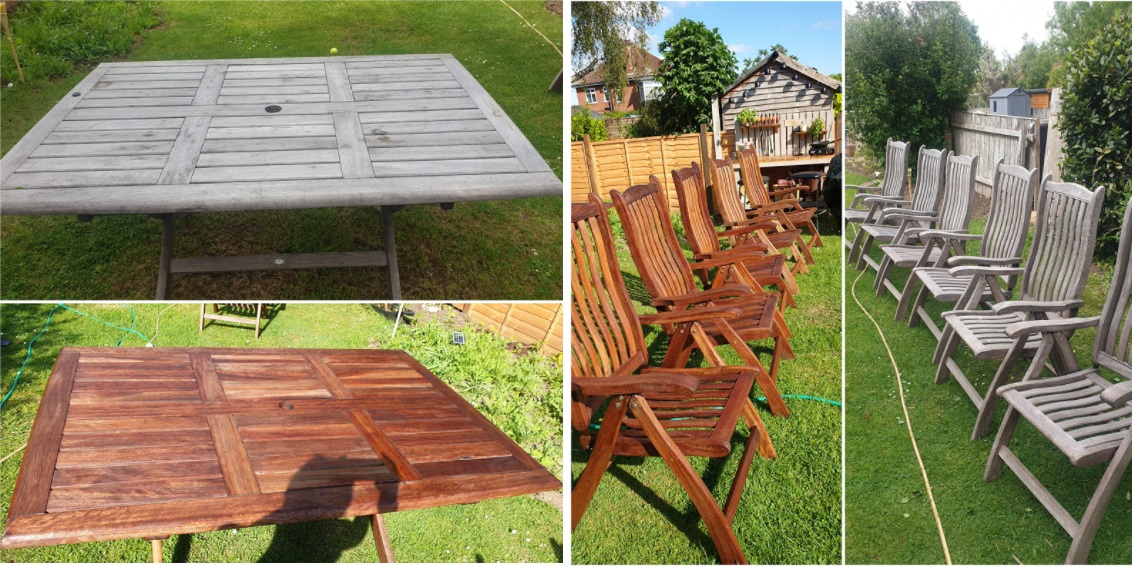
Credit: www.furnitureclinic.co.uk
Preparing Furniture For Staining
Preparing outdoor furniture for staining is a key step. It ensures the stain sticks well and lasts longer. Proper preparation also helps the wood look smooth and fresh. This process takes some time but improves the final result greatly.
Start by cleaning, sanding, and fixing any damage. Removing old finishes is important too. Each step makes the furniture ready to absorb the new stain evenly.
Cleaning And Sanding
Clean the furniture to remove dirt, dust, and mildew. Use a mild detergent and water. A soft brush helps reach corners and grooves. Rinse well and let it dry completely.
Next, sand the surface with medium-grit sandpaper. Sanding smooths rough spots and opens wood pores. This helps the stain soak in better. Always sand in the wood grain direction for best results.
Repairing Damages
Check for cracks, splinters, or loose joints. Use wood filler to fill small cracks and holes. For bigger damage, replace parts if possible. Tighten screws or nails to secure loose pieces. Repairing makes the furniture safe and neat before staining.
Removing Old Finish
Old paint or varnish blocks the stain from soaking in. Use a chemical stripper or sand the surface to remove it. Follow safety instructions when using chemicals. Removing old finish creates a clean base for new stain. This step improves the look and durability of the furniture.
Staining Techniques
Staining outdoor furniture improves its look and protects wood from weather damage. Using the right techniques ensures a smooth, lasting finish. Proper staining prevents uneven color and peeling, extending furniture life.
Applying Stain Evenly
Start with clean, dry furniture. Use steady, long strokes along the wood grain. Avoid overloading the brush to prevent drips. Work on small sections to keep the stain fresh. Wipe off excess stain quickly with a clean cloth for even color.
Using Brushes And Cloths
Use a natural-bristle brush for rough surfaces. Soft cloths work well on smooth wood. Brushes reach cracks and corners easily. Cloths help spread stain thinly and remove extra. Choose tools based on wood texture and stain type.
Multiple Coats And Drying Times
Apply thin coats for better absorption. Let each coat dry fully before adding another. Drying times vary by product and weather. Usually, wait 24 hours between coats. More coats mean stronger protection and richer color.
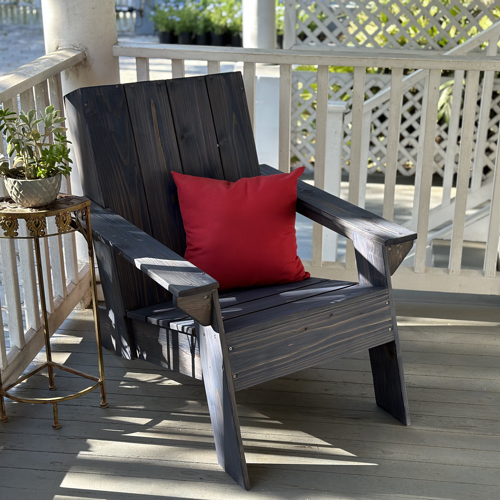
Credit: thecraftsmanblog.com
Protecting Stained Furniture
Staining outdoor furniture enhances its beauty and extends its life. But stained wood faces many outdoor challenges. Protecting stained furniture keeps it looking fresh and strong for years. Careful protection stops water damage, fading, and wear from sun and weather. Simple steps help maintain the rich color and smooth texture of your wood. Here are key ways to protect your stained outdoor furniture.
Sealing And Waterproofing
Sealing stained wood blocks water from soaking in. It prevents swelling, cracking, and rotting. Use a clear, waterproof sealer made for outdoor wood. Apply it evenly with a brush or cloth. Let it dry fully before using the furniture. Reapply every 1 to 2 years for best protection. Good sealing keeps moisture out and wood strong.
Uv Protection Options
Sunlight fades stained wood over time. UV rays break down the stain and wood fibers. Choose a sealer with built-in UV blockers to shield from sun damage. Some oils and finishes also protect against UV rays. Applying these coatings helps maintain vibrant colors. Regular reapplication is important to keep UV protection active.
Maintenance Tips
Clean furniture gently with mild soap and water. Avoid harsh chemicals that strip stain or sealer. Check for chips or peeling spots and touch up as needed. Cover furniture during heavy rain or snow to reduce wear. Store indoors or in a shed during winter months. Proper care keeps your stained furniture beautiful and long-lasting.
Common Mistakes To Avoid
Staining outdoor furniture can refresh its look and protect the wood. Avoid common mistakes to get the best results. These errors can cause uneven color, peeling, or damage. Focus on the right steps for a smooth and lasting finish.
Staining In Poor Weather
Never stain furniture during rain or high humidity. Moisture stops the stain from soaking in properly. Cold weather also slows drying, leading to blotches. Choose dry days with mild temperatures for staining.
Skipping Surface Prep
Always clean and sand your furniture before staining. Dirt, dust, and old finishes block stain absorption. Sanding opens wood pores to help the stain stick. Skipping prep creates uneven color and rough texture.
Overloading Stain
Applying too much stain causes sticky, blotchy surfaces. Excess stain pools and takes longer to dry. Use thin, even coats and wipe off extra stain. Multiple light coats give better, smooth coverage.
Best Wood Types For Outdoor Furniture
Choosing the right wood for outdoor furniture is important. Some woods handle weather better and stain more evenly. This helps furniture last longer and look good outside. Understanding wood types helps you pick the best one for your outdoor space.
Different woods have different qualities. Some are strong and heavy, others are lighter and softer. Knowing these differences can guide your choice for staining and durability.
Hardwoods Vs. Softwoods
Hardwoods come from slow-growing trees like oak and teak. They are dense and strong. Softwoods come from fast-growing trees like pine and cedar. They are lighter and less dense. Hardwoods usually resist weather better. Softwoods can be easier to work with and cheaper. Both types can be stained, but results differ.
Durability Factors
Wood durability depends on grain, density, and natural oils. Dense wood resists dents and scratches well. Some woods have oils that stop water damage. Sunlight can fade wood color over time. Proper staining helps protect wood from sun and rain. Choose wood that suits your climate for best results.
Wood That Stains Well
Woods with even grain take stain nicely. Maple, oak, and cherry show stain colors clearly. Pine and cedar can absorb stain unevenly. Sanding wood before staining helps smooth the surface. Test stain on a small area first. This avoids surprises and ensures a nice finish.
Tools And Materials Needed
Staining outdoor furniture requires the right tools and materials for a smooth finish. Preparing properly can save time and avoid mistakes. Collecting these items before starting makes the job easier and safer.
Essential Tools
A paintbrush with natural bristles works best for applying stain evenly. A paint tray helps control the amount of stain used. Sandpaper or a sanding block smooths the surface before staining. Clean rags are necessary for wiping off excess stain. Gloves protect your hands from chemicals. A drop cloth keeps the work area clean.
Choosing Quality Stains
Select stains made for outdoor use to resist weather damage. Oil-based stains soak deep and last longer. Water-based stains dry quickly and have less odor. Pick a stain that matches your furniture’s wood type. Transparent stains show natural wood grain. Semi-transparent stains add color while showing grain. Solid stains cover wood completely and hide imperfections.
Safety Equipment
Wear gloves to protect your skin from stains and solvents. Use safety goggles to shield your eyes from splashes. A mask or respirator prevents inhaling fumes, especially indoors. Work in a well-ventilated area to reduce exposure to chemicals. Keep a first aid kit nearby in case of accidents.
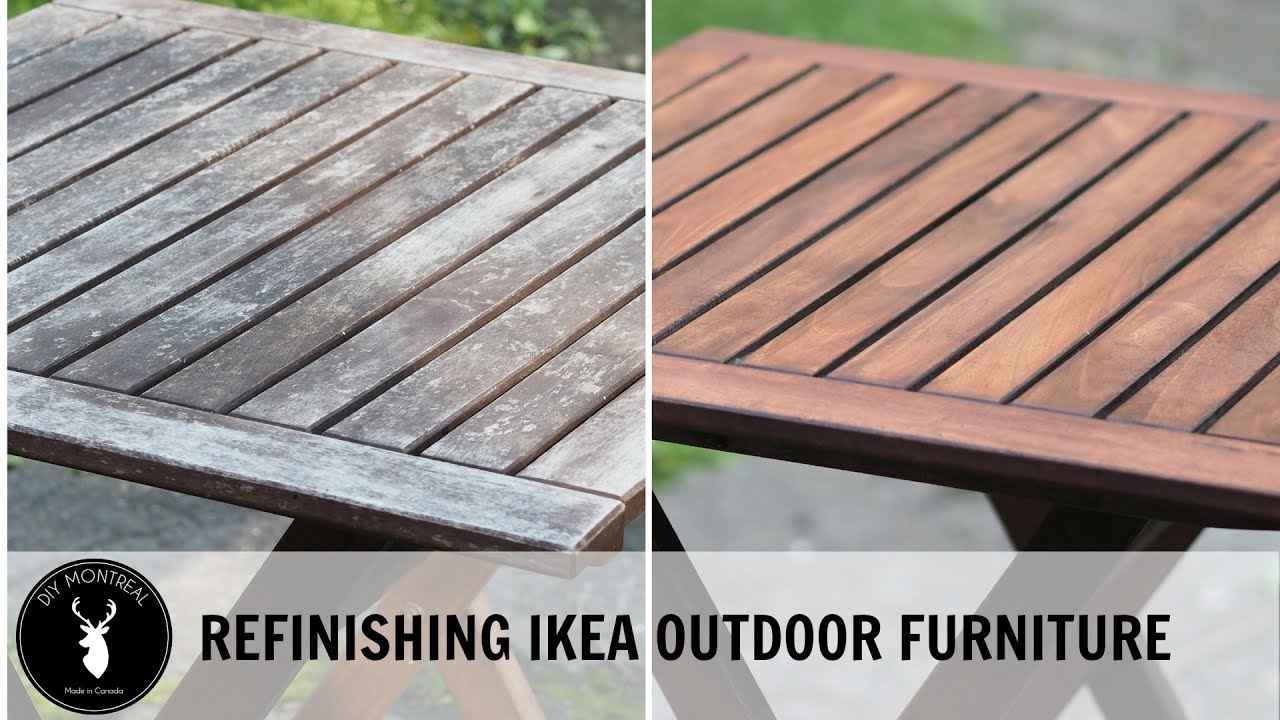
Credit: www.youtube.com
Frequently Asked Questions
Can I Stain Outdoor Furniture Wood Safely?
Yes, you can safely stain outdoor wood furniture. Use a high-quality, exterior-grade wood stain. Ensure the wood is clean and dry before application. Proper staining protects against weather damage and enhances wood grain.
How Long Does Outdoor Furniture Stain Last?
Outdoor furniture stain typically lasts 1 to 3 years. Longevity depends on exposure to sunlight, rain, and wear. Regular maintenance and reapplication extend the stain’s life and keep furniture looking fresh.
Should I Seal Outdoor Furniture After Staining?
Yes, sealing outdoor furniture after staining is recommended. A sealant adds extra protection against moisture and UV rays. It helps maintain the stain’s color and prevents peeling or cracking.
What Type Of Stain Is Best For Outdoor Furniture?
Use a penetrating oil-based or water-based exterior wood stain. Oil-based stains provide deeper protection, while water-based stains dry faster and are eco-friendly. Choose a stain with UV protection for durability.
Conclusion
Staining outdoor furniture can protect and enhance its look. Choose the right stain for your wood type. Always clean and sand the surface before staining. Apply the stain evenly and let it dry well. Regular maintenance helps your furniture last longer outside.
Enjoy beautiful, refreshed outdoor pieces all year round. Simple steps make a big difference in care. Try staining to keep your furniture strong and good-looking.