Green algae on your outdoor furniture can be more than just an eyesore. It makes your relaxing space look neglected and can even damage the surfaces over time.
If you’ve noticed that slimy green layer creeping onto your chairs or tables, you’re not alone—and there’s a simple way to fix it. You’ll discover easy, effective methods to get rid of green algae and keep your outdoor furniture looking fresh and inviting.
Keep reading to bring back the clean, beautiful look your outdoor space deserves.
Causes Of Green Algae Growth
Green algae growth on outdoor furniture happens because of certain natural factors. These factors create the perfect place for algae to thrive. Understanding these causes helps to prevent and clean the algae effectively.
Common Conditions For Algae
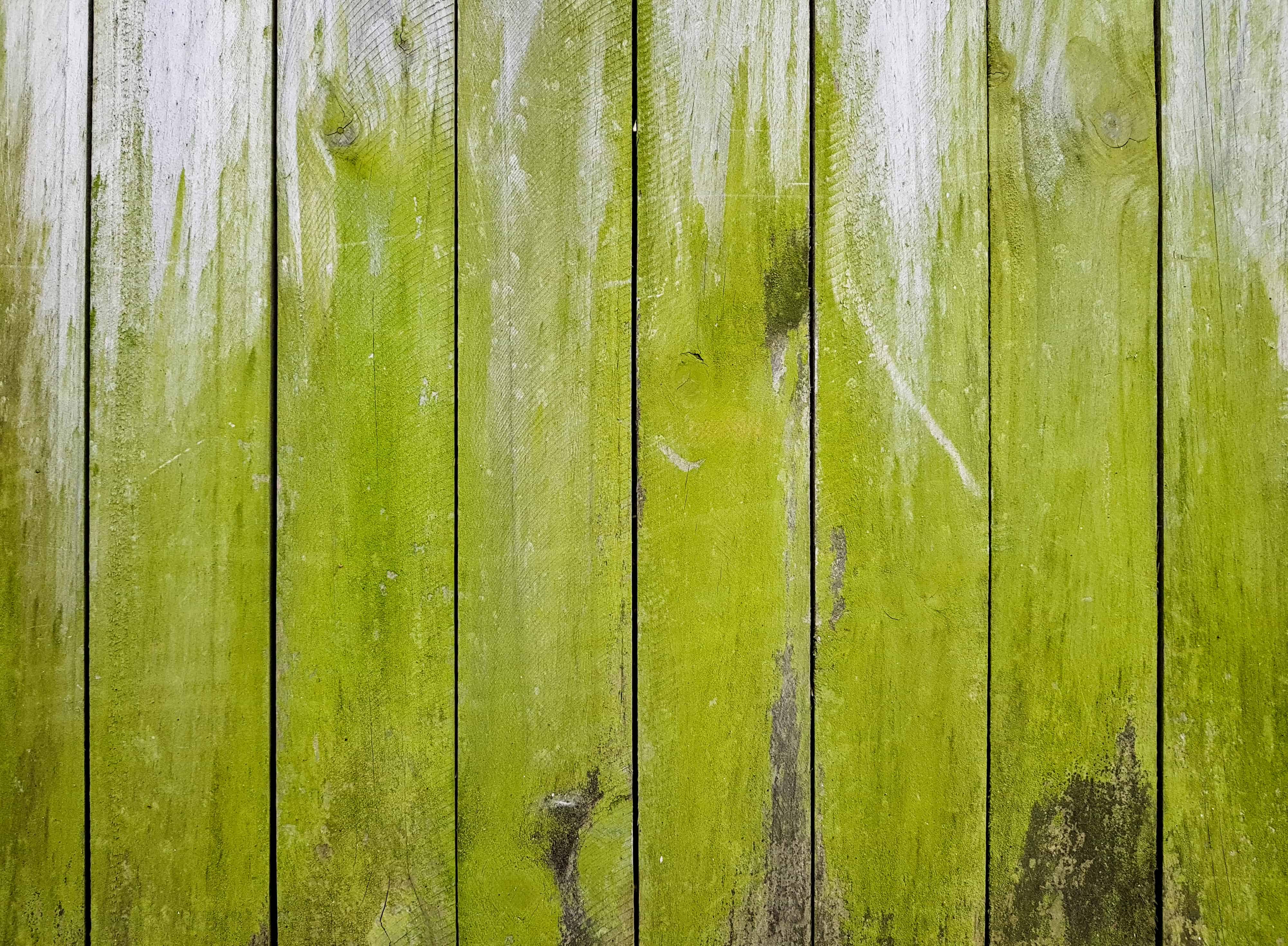
Green algae grow best in damp and shady places. Outdoor furniture left wet for long periods invites algae growth. Warm temperatures and poor air circulation also help algae spread. Dirt and organic debris on furniture give algae food to grow. Standing water or frequent rain increases the chance of algae forming.
Materials Prone To Algae
Porous materials like wood and wicker attract green algae easily. Their rough surfaces hold moisture and dirt. Plastic and metal furniture can also get algae but less often. Fabric cushions and covers stay damp and help algae grow too. Knowing which materials attract algae helps in choosing and maintaining furniture well.
Tools And Supplies Needed
Removing green algae from outdoor furniture requires the right tools and supplies. These help clean effectively without damaging the furniture. Preparing everything before starting makes the job easier and faster.
Cleaning Solutions
Choose a cleaning solution that kills algae well. A mix of water and mild soap works for light algae. For tougher stains, use a solution with vinegar or baking soda. Avoid harsh chemicals that can harm furniture surfaces.
Protective Gear
Wear gloves to protect your hands from cleaning solutions. Safety glasses keep your eyes safe from splashes. If using strong cleaners, consider a mask to avoid breathing in fumes. Dress in old clothes to avoid stains.
Scrubbing Tools
Use a soft brush or sponge to scrub the algae gently. Hard brushes can scratch furniture surfaces. A toothbrush works well for tight corners. A garden hose helps rinse off the cleaning solution easily.
Step-by-step Cleaning Process
Cleaning green algae from outdoor furniture is easier with clear steps. Follow this process carefully for the best results. Each step helps remove algae safely and keeps your furniture looking fresh.
Pre-cleaning Preparations
First, move the furniture to a shaded area. This prevents cleaning agents from drying too fast. Gather gloves, a scrub brush, and a bucket. Fill the bucket with warm water. Prepare a mild cleaning solution. Use dish soap or a mix of water and vinegar. Always wear gloves to protect your hands.
Applying Cleaning Agents
Dip the scrub brush into the cleaning solution. Apply the solution evenly on all algae-covered areas. Let it sit for 10 to 15 minutes. This softens the algae, making it easier to remove. Avoid letting the solution dry on the furniture.
Scrubbing Techniques
Use firm, circular motions to scrub the furniture. Focus on areas with thick algae growth. Do not use too much force to avoid damage. For stubborn spots, scrub a little longer. Rinse the brush often to keep it clean.
Rinsing And Drying
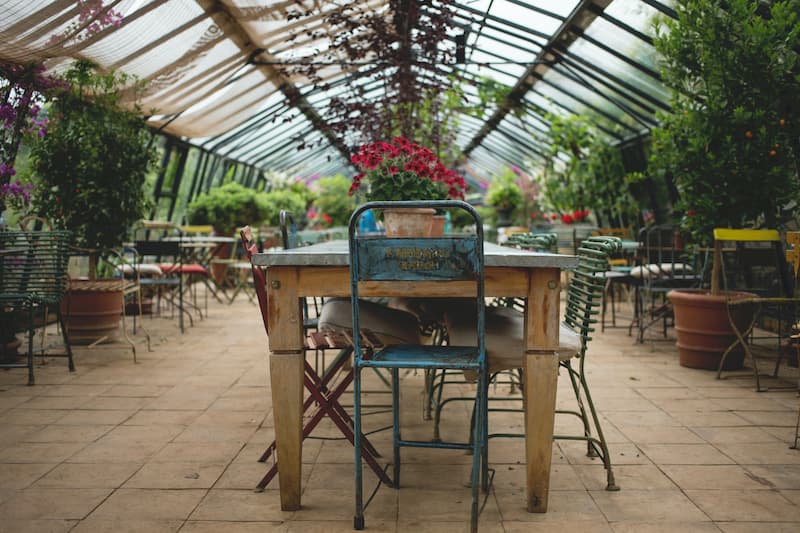
Rinse the furniture with clean water. Use a hose or a bucket of water. Remove all soap and algae residue. Wipe with a dry cloth or let it air dry in the shade. Ensure the furniture is fully dry before use or storage.
Credit: www.befurnituresales.co.uk
Natural Remedies For Algae Removal
Green algae on outdoor furniture can look ugly and make surfaces slippery. Natural remedies offer safe and effective ways to clean algae without harsh chemicals. These methods use common household items that are easy to find. They help keep your furniture clean and safe for your family and pets.
Try these simple natural solutions to remove green algae and restore your outdoor furniture’s beauty.
Vinegar Solutions
White vinegar is a strong natural cleaner. Its acidity kills algae and prevents new growth. Mix equal parts of vinegar and water in a spray bottle. Spray the solution on the algae-covered furniture. Let it sit for 10 to 15 minutes. Then scrub gently with a soft brush. Rinse with water and let dry. Repeat if needed for stubborn algae spots.
Baking Soda Applications
Baking soda is a mild abrasive and natural deodorizer. Make a paste by mixing baking soda with a little water. Apply the paste on the algae patches. Scrub with a brush or sponge to lift the algae. Baking soda also helps remove stains and odors. Rinse the furniture well with water afterward. Use this method weekly to keep algae away.
Lemon Juice Benefits
Lemon juice has natural acidity and a fresh scent. It helps break down algae and brighten surfaces. Squeeze fresh lemon juice directly onto the algae spots. Let it sit for 5 to 10 minutes. Scrub with a brush or cloth to remove the algae. Rinse with clean water. Lemon juice is gentle and safe for most furniture types.
Preventing Future Algae Growth
Stopping green algae from growing again on outdoor furniture is key. It keeps your furniture clean and lasts longer. Taking simple steps regularly helps prevent algae buildup. Focus on cleaning, placement, and protecting surfaces.
Regular Maintenance Tips
Clean your furniture often with mild soap and water. Use a soft brush to remove dirt and algae spots. Rinse well and dry completely to avoid moisture. Check furniture weekly during wet seasons for early signs of algae. Quick cleaning stops algae from spreading.
Proper Furniture Placement
Place furniture in sunny areas to reduce dampness. Algae loves shade and moisture to grow. Avoid placing furniture under trees where leaves fall and moisture stays. Good airflow helps furniture dry faster. Move furniture occasionally to prevent algae from settling.
Protective Coatings
Use water-resistant sealants to protect wood and metal furniture. These coatings block moisture and algae growth. Apply sealant every season for best results. Choose products safe for outdoor use and easy to clean. Protective layers keep your furniture looking fresh longer.
Credit: www.decks-docks.com
Dealing With Stubborn Algae Stains
Stubborn green algae stains can ruin the look of outdoor furniture. These patches stick tightly and need strong cleaning methods. Some stains do not come off with soap and water. Using the right technique is important to protect your furniture.
Using Bleach Safely
Bleach is powerful against green algae. Dilute it with water before use. Mix one part bleach with ten parts water. Wear gloves to protect your skin. Test the bleach solution on a small hidden spot first. Apply the solution gently with a sponge or spray bottle. Let it sit for 5 to 10 minutes. Rinse the furniture well with clean water. Avoid using bleach on wood without sealing it first.
Pressure Washing Options
Pressure washing removes algae quickly. Use a low-pressure setting to avoid damage. Keep the nozzle at least one foot away. Move the spray in smooth, even strokes. Avoid spraying directly into cracks or joints. Test on a small area to check for any harm. Pressure washing works best on plastic, metal, and sealed wood surfaces.

Credit: www.reddit.com
Frequently Asked Questions
What Causes Green Algae On Outdoor Furniture?
Green algae thrive in damp, shaded areas with poor airflow. Outdoor furniture exposed to moisture and shade often develops algae. Warm temperatures and rain also promote algae growth. Regular cleaning and sunlight exposure help prevent algae buildup.
How Can I Safely Remove Green Algae From Furniture?
Use a mixture of water and mild detergent or vinegar. Scrub gently with a soft brush to avoid damage. Rinse thoroughly with water and dry completely. Avoid harsh chemicals to protect furniture surfaces and the environment.
Can Pressure Washing Remove Green Algae Effectively?
Yes, pressure washing can remove algae efficiently from sturdy furniture. Use a low-pressure setting to prevent damage. Test on a small area first. Follow up with drying to prevent algae regrowth and maintain furniture quality.
How Often Should Outdoor Furniture Be Cleaned To Prevent Algae?
Clean outdoor furniture every 2 to 4 weeks during humid seasons. Regular maintenance prevents algae buildup and prolongs furniture life. Quick cleaning after rain or damp weather is also beneficial.
Conclusion
Cleaning green algae from outdoor furniture keeps it looking fresh. Use gentle scrub brushes and mild cleaners for best results. Regular cleaning stops algae from growing back quickly. Let furniture dry fully before covering or storing it. Small efforts make your outdoor space inviting and safe.
Stay consistent, and your furniture will last longer. Enjoy your clean, green-free outdoor area every day. Simple steps bring big improvements.