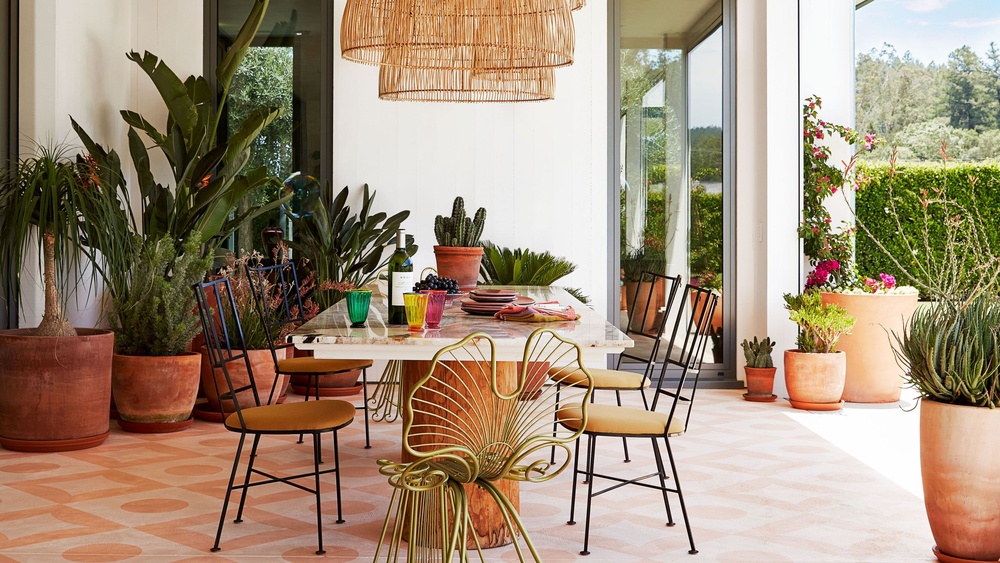
Are you ready to give your outdoor wood furniture a fresh, beautiful look that lasts? Choosing the right paint isn’t just about color—it’s about protecting your pieces from sun, rain, and wear.
If you pick the wrong type, your hard work might peel or fade quickly. But don’t worry, this guide will help you find the perfect paint to keep your furniture looking great season after season. Keep reading, and you’ll discover exactly what to use to make your outdoor wood furniture shine and stay strong.
Credit: whitneysowles.com
Choosing The Right Paint
Choosing the right paint for outdoor wood furniture is very important. The paint protects the wood from weather and wear. It also gives the furniture a fresh look. Picking the right paint type helps your furniture last longer and look better.
Some paints work better outside because they resist rain, sun, and temperature changes. Others dry faster or are easier to clean. Knowing the differences can help you choose paint that suits your needs and style.
Latex Vs Oil-based Paints
Latex paint is water-based and dries quickly. It cleans up easily with soap and water. It stays flexible and resists cracking. Latex paint is less smelly and safer for indoor use.
Oil-based paint takes longer to dry. It gives a smooth, hard finish that is very durable. It works well for surfaces that get heavy use. Clean oil-based paint with solvents, not water.
Both types protect wood well. Latex is better for quick projects. Oil-based paint is stronger but harder to clean.
Benefits Of Exterior Paints
Exterior paints are made to handle weather changes. They resist moisture, sunlight, and temperature swings. This keeps wood from warping or rotting.
These paints often contain mildewcides to stop mold and mildew. They also stick better to rough surfaces like wood grain. Using exterior paint ensures your furniture stays beautiful outside.
Eco-friendly Paint Options
Eco-friendly paints have fewer harmful chemicals. They release less odor and toxins. These paints are safer for your family and the environment.
Many eco paints use natural ingredients and water-based formulas. They still protect wood well and last long. Choosing eco-friendly paint supports a healthier home and planet.
Prepping Wood Furniture
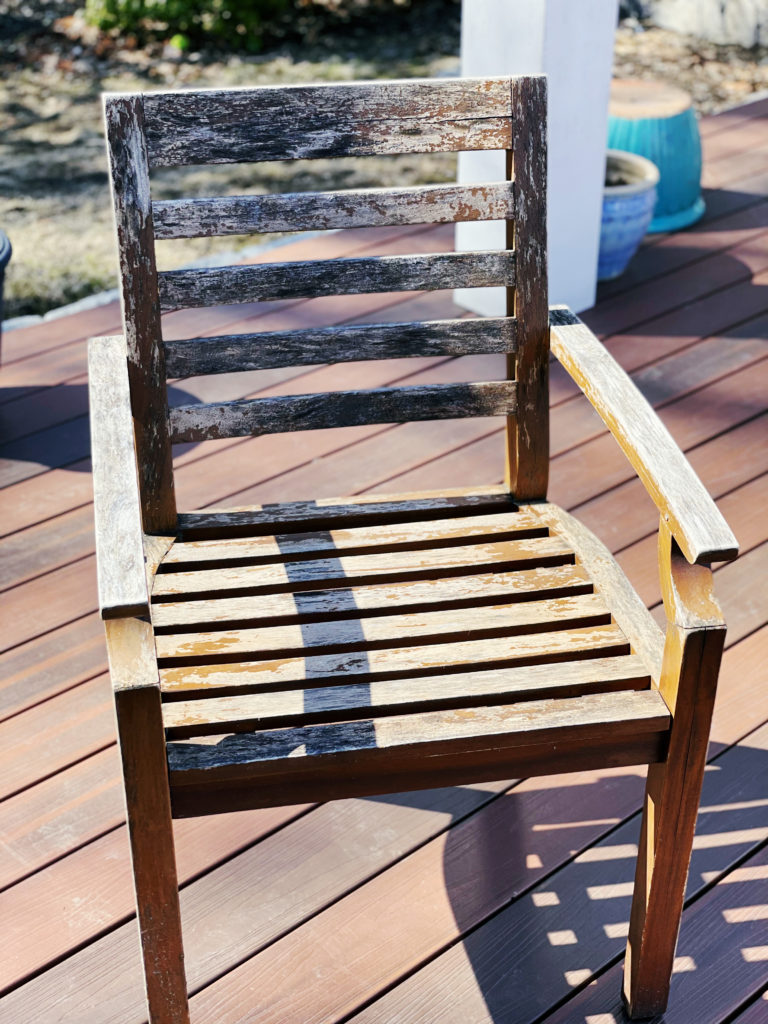
Prepping wood furniture is the first step to a long-lasting paint job. Proper preparation helps paint stick better and protects the wood from weather damage. It also gives the furniture a smooth and clean look. Take time to prepare your outdoor wood furniture well.
Cleaning And Sanding
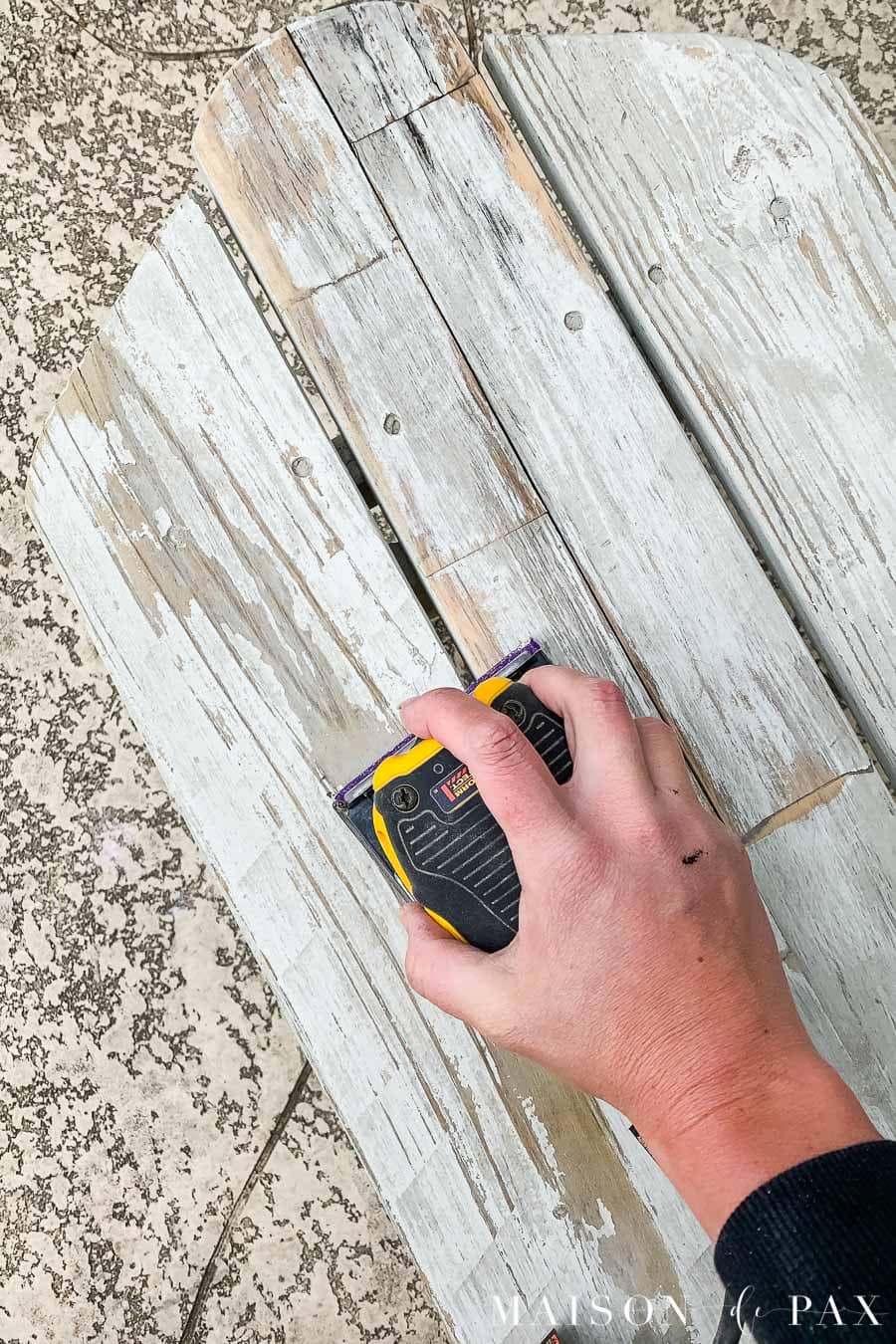
Start by cleaning the wood thoroughly. Remove dirt, dust, and old paint flakes. Use a mild soap and water solution for cleaning. Rinse well and let the wood dry completely. Next, sand the surface using medium-grit sandpaper. Sanding smooths rough spots and opens the wood pores. This helps the paint stick firmly. Wipe away dust after sanding with a damp cloth.
Repairing Damages
Check the furniture for cracks, holes, or loose joints. Fill small cracks and holes with wood filler. Press the filler firmly into damaged areas. Allow it to dry according to the product instructions. Sand the filled areas until smooth. Tighten or glue loose joints to restore stability. Fixing damages prevents further problems after painting.
Priming For Durability
Apply a primer designed for outdoor wood. Primer seals the wood and blocks stains or tannins. It also creates a smooth base for paint. Use a brush or roller for even coverage. Let the primer dry fully before painting. Priming improves paint adhesion and extends furniture life outdoors.
Painting Techniques
Painting outdoor wood furniture needs the right techniques. Good methods help paint last longer and look better. Understanding how to apply paint can save time and avoid problems. Use simple steps for a smooth finish and strong protection.
Choose the right tools and follow careful steps. This guide explains the best ways to paint your wood furniture outside.
Using Brushes Vs Sprayers
Brushes give more control for small areas and details. They help cover edges and corners well. Use soft bristle brushes for smooth paint application. Brushes work best on rough or uneven surfaces.
Sprayers cover large areas quickly and evenly. They create a thin, smooth coat without brush marks. Sprayers are good for big furniture pieces. Use a sprayer in open, well-ventilated spaces to avoid fumes.
Applying Multiple Coats
One coat is not enough for outdoor wood. Multiple coats create a stronger, more weatherproof layer. Let each coat dry completely before adding the next. Light sanding between coats helps paint stick better. Two or three coats usually give the best results.
Avoiding Common Mistakes
Do not paint on wet or dirty wood. Clean and dry furniture before starting. Avoid thick paint layers that can peel or drip. Work in good weather with low humidity and no wind. Use quality paint made for outdoor wood. Skip rushing; take time for each step.
Credit: www.maisondepax.com
Protecting Painted Surfaces
Protecting painted surfaces on outdoor wood furniture extends its life and keeps it looking fresh. Paint alone cannot stop water, sun, and dirt from damaging the wood underneath. A good protective layer adds strength and shine. It helps the furniture resist peeling, cracking, and fading. Caring for painted wood means choosing the right sealers and topcoats. Plus, following weatherproofing tips and regular maintenance ensures long-lasting beauty.
Sealers And Topcoats
Sealers lock in the paint and stop moisture from reaching the wood. Use clear sealers to keep color bright and natural. Topcoats add a strong, protective finish. Choose a topcoat with UV protection to fight sun damage. Water-based topcoats dry fast and clean up easily. Oil-based ones offer tough, long-lasting cover. Apply two or three thin coats for the best results. Let each coat dry well before adding the next.
Weatherproofing Tips
Place furniture in shaded areas to reduce sun damage. Avoid direct contact with wet ground to stop water absorption. Use furniture covers during rain and snow. Keep the furniture clean by wiping off dirt and debris. Reapply sealers every year or as needed. Check for signs of wear like peeling or dullness. Small cracks let water in, so repair them quickly. Good weatherproofing keeps paint and wood safe.
Maintenance For Longevity
Clean the furniture regularly with mild soap and water. Avoid harsh chemicals that can strip paint or sealers. Sand rough spots gently before repainting. Store furniture indoors or in a dry place during winter. Tighten loose screws and fix broken parts. Regular care prevents big problems and costly repairs. A little work each season keeps outdoor wood furniture beautiful for years.
Choosing Colors And Finishes
Choosing the right colors and finishes for outdoor wood furniture is essential. The right choice protects the wood and enhances your outdoor space. It also reflects your style and sets the mood for your garden or patio.
Colors can brighten dull wood or blend furniture with nature. Finishes protect wood from weather and wear. Picking the best options can make your furniture last longer and look great.
Popular Outdoor Color Choices
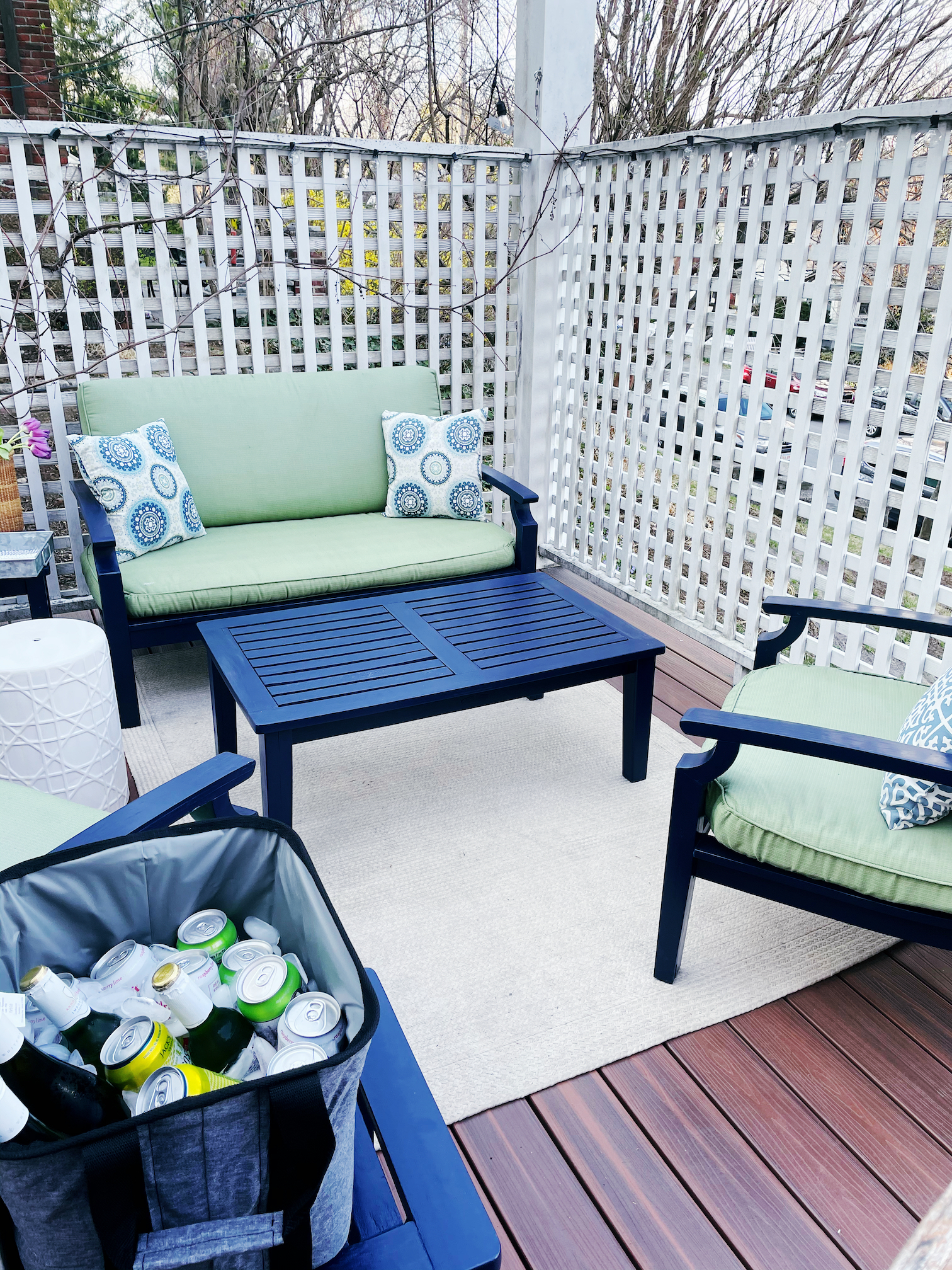
Blue and green shades blend well with gardens and trees. Earth tones like brown, beige, and gray give a natural look. Bright colors such as red, yellow, and turquoise add fun and energy. White and black offer classic and clean styles. Choose colors that match your outdoor theme and personal taste.
Matte Vs Glossy Finishes
Matte finishes have a soft, non-shiny look. They hide dirt and scratches better. Matte feels smooth and natural on wood. Glossy finishes shine and reflect light. They make colors look brighter and richer. Glossy finishes show scratches more but are easier to clean. Pick matte for a subtle style and glossy for a bold look.
Matching Furniture Styles
Traditional wood furniture suits warm, natural colors and matte finishes. Modern styles look great with bold colors and glossy finishes. Rustic furniture pairs well with earth tones and matte textures. Coastal or beach themes work with light blues and whites. Match colors and finishes to your furniture style for a balanced look.
Credit: whitneysowles.com
Frequently Asked Questions
What Type Of Paint Is Best For Outdoor Wood Furniture?
Acrylic latex paint is best for outdoor wood furniture. It resists weather, dries fast, and offers long-lasting protection.
Should I Prime Outdoor Wood Furniture Before Painting?
Yes, priming outdoor wood furniture is essential. It seals the wood, improves paint adhesion, and enhances durability.
How Many Coats Of Paint Should I Apply?
Apply two to three coats of paint. This ensures even coverage and better protection against weather damage.
Can I Use Oil-based Paint On Outdoor Wood Furniture?
Oil-based paint is durable but less flexible. It can crack outdoors, so acrylic latex paint is usually better.
Conclusion
Choosing the right paint keeps outdoor wood furniture safe and beautiful. Use paint made for outdoor use to fight weather and wear. Prepare the wood well for better paint hold and longer life. Regular care helps your furniture look fresh year after year.
Enjoy your painted furniture as a cozy, inviting space outside. Simple steps make a big difference in your wood furniture’s look. Keep it colorful and protected with the right paint choice.