
Are you ready to give your painted furniture the protection it needs to survive the outdoors? Whether it’s a colorful chair or a charming table, sealing your painted pieces is the key to keeping them looking fresh and vibrant.
Without the right seal, your hard work can quickly fade, chip, or peel under sun, rain, and wind. But don’t worry—this guide will show you exactly how to seal your painted furniture so it stays beautiful season after season. Keep reading, and you’ll learn simple, effective steps that anyone can follow to make your outdoor furniture last longer and shine brighter.
Choosing The Right Paint
Choosing the right paint is key for outdoor furniture. Outdoor conditions can be harsh. Sun, rain, and temperature changes affect paint durability. Selecting paint made for outdoor use helps protect furniture. It keeps colors bright and prevents peeling. This choice improves the life of your painted furniture.
Types Of Outdoor Paints
Latex paint is water-based and easy to clean. It dries quickly and resists cracking. Oil-based paint lasts longer but takes more time to dry. It works well on wood and metal surfaces. Chalk paint gives a matte, vintage look but needs sealing. Enamel paint creates a hard, glossy finish for extra protection. Choose paint labeled for outdoor or exterior use.
Color And Finish Options
Bright colors can make furniture stand out in the garden. Dark colors hide dirt and stains better. Matte finishes hide scratches but may fade faster. Satin finishes offer a soft shine and easy cleaning. Glossy finishes give a shiny, smooth look. They resist water and stains well. Pick a finish that fits the style and care level you want.
Preparing The Surface
Preparing the surface is a key step before sealing painted furniture for outdoor use. A clean and smooth base helps the sealer stick well. It also protects the paint and wood from weather damage. Take time with this step to make your furniture last longer outside.
Cleaning And Sanding
Start by cleaning the furniture thoroughly. Remove dirt, dust, and any loose paint. Use a mild soap and water solution with a soft cloth or sponge. Let the piece dry completely before moving on.
Next, sand the surface lightly with fine-grit sandpaper. This removes any rough spots and old finish. Sanding helps the sealer bond better to the paint. Wipe off the dust with a clean, dry cloth after sanding.
Repairing Imperfections
Check the furniture for cracks, holes, or dents. Fill small cracks and holes with wood filler. Let it dry fully, then sand the area smooth. This step stops moisture from entering and damaging the wood.
Fix any loose or broken parts before sealing. Tighten screws or glue broken pieces. A solid structure improves the furniture’s durability outdoors.
Selecting A Sealant
Choosing the right sealant is key to protecting painted furniture outdoors. It shields the paint from weather damage. It also keeps the colors bright and fresh longer. Knowing which sealant fits your furniture and environment helps you make the best choice.
Types Of Sealants
There are several sealants for outdoor painted furniture. Polyurethane creates a hard, protective layer. It works well on wood and metal surfaces. Acrylic sealants dry clear and stay flexible. They resist cracking and peeling. Epoxy sealants offer a thick, strong coat. They are ideal for heavy-use furniture. Each type suits different needs and finishes.
Waterproof And Uv Protection
A good sealant must block water and UV rays. Water causes paint to bubble and peel. UV rays fade colors over time. Sealants with waterproof features keep moisture out. UV protection stops sun damage and color loss. Choose a sealant that offers both for best results. This keeps outdoor furniture looking new longer.
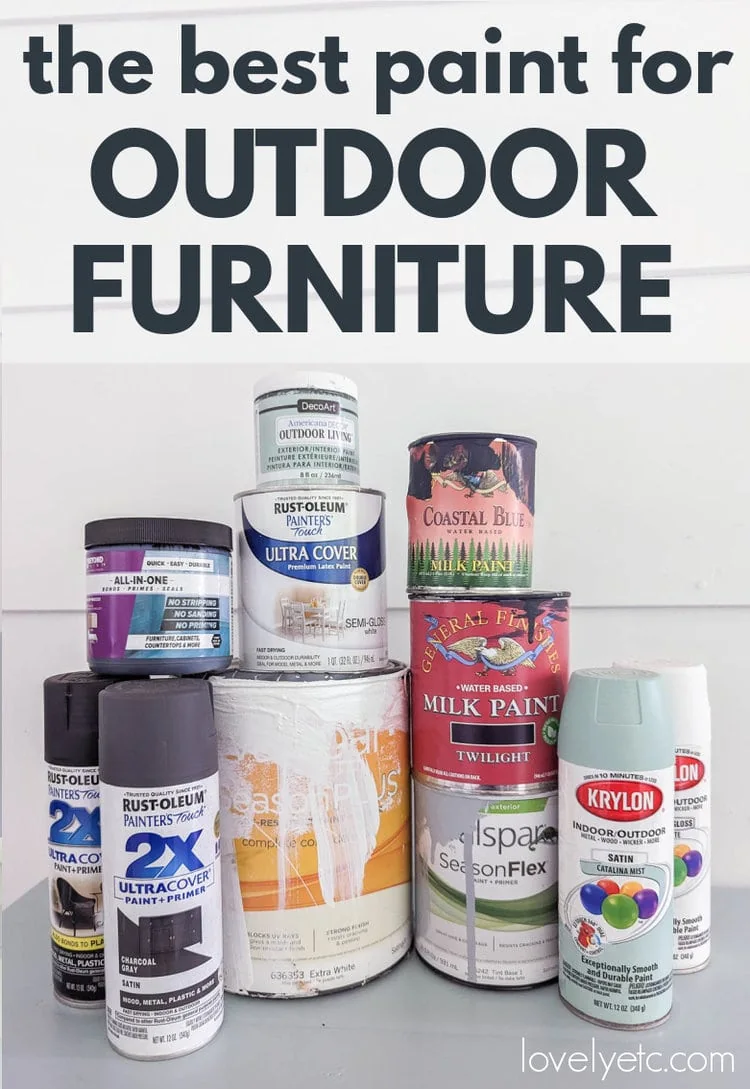
Credit: www.lovelyetc.com
Applying The Sealant
Applying the sealant is a crucial step to protect painted furniture from outdoor elements. It creates a strong barrier against water, sun, and dirt. Proper sealing keeps the paint fresh and prevents damage. This process needs care and the right approach for best results.
Tools And Techniques
Use a high-quality brush or foam applicator for smooth sealing. Brushes work well for detailed areas. Foam applicators cover flat surfaces evenly. Avoid thick coats to prevent drips and bubbles. Apply sealant in thin, even layers. Work in a well-ventilated area for quick drying. Light sanding between coats helps the sealant stick better. Use gentle, circular motions while applying the sealant.
Number Of Coats
Two to three coats of sealant offer good protection. Let each coat dry completely before adding the next. Drying times vary by product and weather. More coats mean longer-lasting furniture outdoors. Avoid rushing; patience improves durability. Check the sealant label for recommended coats. Proper layering seals all paint and wood surfaces well.
Drying And Curing
Drying and curing are critical steps after sealing painted furniture for outdoor use. Proper drying ensures the sealant sets well and protects your furniture. Curing strengthens the seal, making it weather-resistant and durable. Skipping these steps can lead to peeling or damage from the elements.
Optimal Conditions
Choose a dry, warm place for drying and curing. Avoid high humidity or extreme cold. These conditions slow down the process and reduce effectiveness. Aim for temperatures between 65°F and 80°F (18°C to 27°C). Good air circulation helps the sealant dry evenly. Direct sunlight can cause the seal to dry too fast and crack.
Curing Timeframes
Allow at least 24 hours for the sealant to dry to touch. Full curing takes longer, usually 7 to 30 days. Check the product label for specific times. Avoid using or moving furniture before curing finishes. This ensures the seal hardens completely. Patience here means better protection and longer life for your furniture.
Maintaining Sealed Furniture
Maintaining sealed furniture keeps it looking fresh and strong outdoors. Proper care helps protect the paint and sealant from damage. Small tasks done regularly can extend your furniture’s life. This section shares easy ways to care for your sealed pieces.
Cleaning Tips
Use a soft cloth to wipe dust and dirt. Clean spills quickly to avoid stains. Mild soap and water work well for most dirt. Avoid harsh chemicals that can wear down the seal. Rinse with clean water and dry fully. Clean your furniture every few weeks for best results.
Touch-up Procedures
Check for chips or cracks in the paint or sealant. Lightly sand damaged areas before applying new paint or sealant. Use the same type of paint and sealant as before. Apply thin, even coats and let dry completely. Touch-ups keep your furniture sealed and protected. Repair small spots quickly to prevent bigger problems.
Common Mistakes To Avoid
Sealing painted furniture for outdoor use protects it from weather damage. Many people make simple mistakes that reduce the sealant’s effectiveness. Avoiding these errors helps furniture last longer and look better.
Sealant Application Errors
Applying sealant too thick causes bubbling and uneven drying. Thin coats work best and dry faster. Skipping sanding between coats reduces adhesion and smoothness. Clean the surface well before sealing. Using the wrong brush or roller leads to streaks. Choose tools made for the type of sealant you use. Ignoring drying times makes the sealant peel or crack. Always follow the manufacturer’s instructions on drying.
Environmental Factors
Sealing furniture in direct sunlight can cause the sealant to dry too fast. This leads to cracking and poor bonding. High humidity slows down drying and can trap moisture under the sealant. Avoid sealing on rainy or very humid days. Dust, pollen, or wind can stick to wet sealant, ruining the finish. Work in a clean, calm environment for best results. Temperature extremes affect how well the sealant cures. Aim for mild, stable weather for sealing projects.
:max_bytes(150000):strip_icc()/how-to-seal-painted-wood-for-the-outdoors-5214910-07-d6de1b58ba8444b8958a24dcf9ca4344.jpg)
Credit: www.thespruce.com

Credit: shop.homesteadhouse.ca
Frequently Asked Questions
How Do I Protect Painted Furniture Outdoors?
Use a clear outdoor sealer like polyurethane or spar varnish. Apply multiple thin coats to protect from moisture and UV damage.
Which Sealer Is Best For Outdoor Painted Furniture?
Choose a water-based polyurethane or spar urethane. These sealers resist weather, prevent peeling, and maintain paint vibrancy.
Can I Seal Painted Furniture Without Sanding?
Lightly sanding between coats improves adhesion but is not always necessary. Clean the surface well before applying sealer for best results.
How Many Coats Of Sealer Are Needed Outdoors?
Apply at least two to three thin coats. This ensures thorough coverage and better protection against outdoor elements.
Conclusion
Sealing painted furniture protects it from rain and sun damage. Choose a good outdoor sealer that fits your paint type. Apply the sealer evenly and let it dry well. This helps your furniture last longer outside. A sealed finish keeps colors bright and stops peeling.
Take your time with each step for best results. Enjoy your beautiful, weather-ready furniture for many seasons. Simple care makes a big difference.


