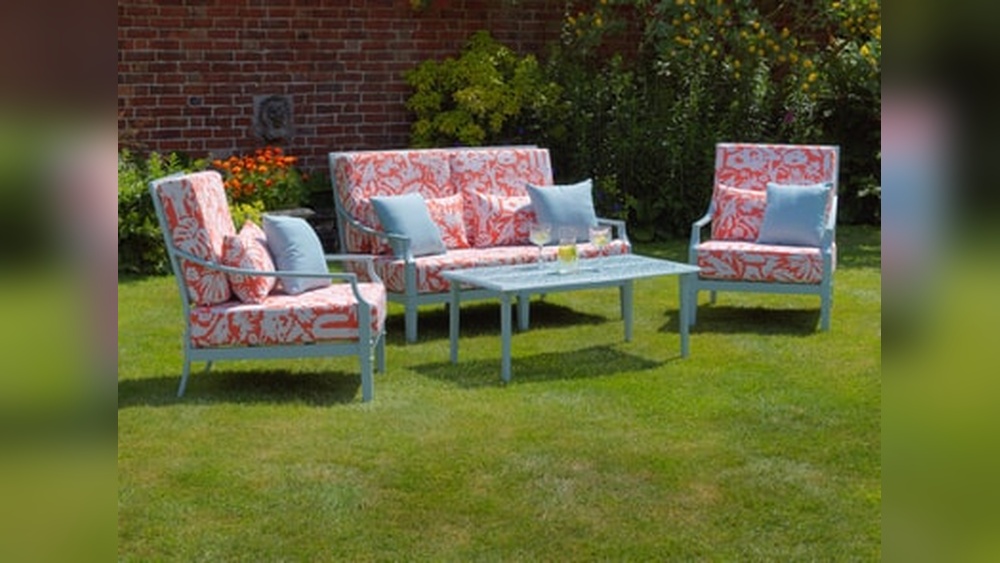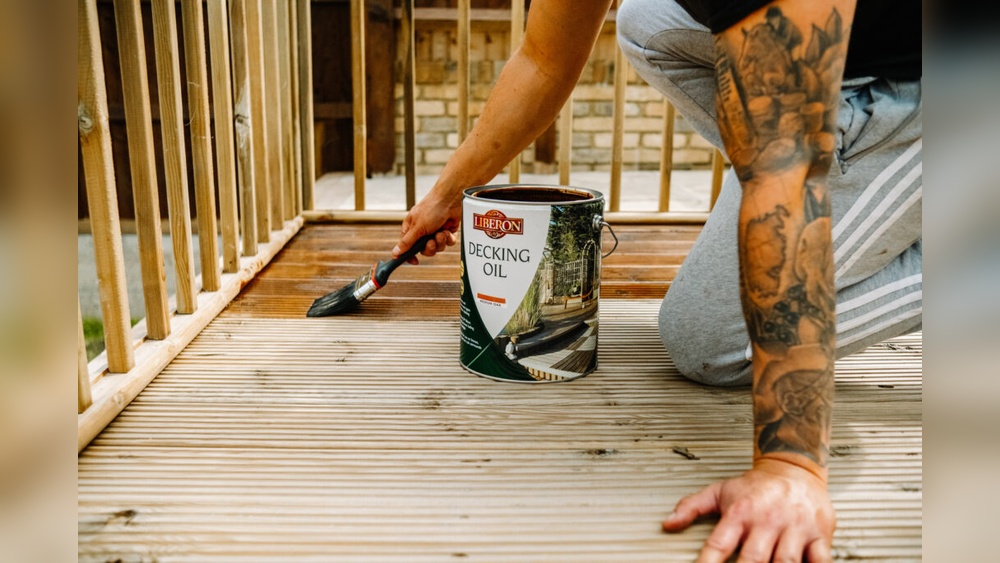
Your outdoor wooden furniture adds charm and comfort to your space. But over time, weather and daily use can take a toll on it.
Do you want to keep your furniture looking fresh and strong for years? Knowing how to treat your outdoor wooden furniture is the key. You’ll discover simple, effective steps to protect and restore your pieces. By the end, you’ll have the confidence to care for your furniture like a pro and enjoy it longer.
Let’s dive in and give your wooden furniture the care it deserves!
Choosing The Right Wood
Choosing the right wood is very important for outdoor furniture. Wood must handle rain, sun, and cold well. The right type lasts longer and stays beautiful. It also needs less care over time. This section helps you pick the best wood for your outdoor furniture.
Durable Wood Types
Some woods are strong and resist weather better. Teak is a popular choice. It has natural oils that stop water damage. Cedar is light and resists rot and insects. Redwood also stands up well to moisture. These woods keep their shape and color longer. They are good for long-lasting outdoor furniture.
Treated Vs. Untreated Wood
Treated wood has chemicals to protect it from bugs and water. It lasts longer than untreated wood. Untreated wood looks natural but can break or rot faster. Treatment helps wood fight mold and sun damage. Pressure-treated pine is common and cheaper. Choose treated wood for strong protection. Untreated wood needs more care to stay good.
Credit: wocadenmark.com
Cleaning Your Furniture
Cleaning your outdoor wooden furniture is a key step to keep it looking fresh and strong. Dirt and grime build up over time. This can cause the wood to look dull and even damage it. Regular cleaning helps protect the wood and extends the life of your furniture.
Use gentle methods and products. Harsh chemicals can harm the wood. Soft cleaning brings out the natural beauty of your furniture and prepares it for treatments like sealing or staining.
Removing Dirt And Grime
Start by brushing off loose dirt with a soft brush or cloth. Focus on corners and joints where dirt collects. Use a garden hose to rinse the furniture. Avoid high-pressure sprays that might damage the wood. For stubborn grime, scrub gently with a soft brush dipped in water.
Using Mild Cleaners
Mix mild soap with warm water for cleaning. Dish soap or wood cleaners made for outdoor furniture work well. Dip a sponge or cloth in the mixture and wipe the wood surface. Rinse thoroughly with clean water to remove soap residue. Let the furniture dry completely in the sun before any further treatment.
Sanding And Preparing
Preparing outdoor wooden furniture starts with sanding. Sanding removes old paint, stains, and rough spots. It helps the wood absorb treatments better. This step makes the furniture smooth and ready for repair and finish.
Proper preparation extends the life of your wood furniture. It also improves the look and feel. Taking time to sand and fix damages creates a strong base for protection.
Sanding Techniques
Use medium-grit sandpaper to start sanding. Move in the direction of the wood grain. This avoids scratches and keeps the surface even. For corners and tight spots, use sanding blocks or sponges.
After the first pass, switch to fine-grit sandpaper. This smooths the surface further. Remove all dust with a brush or cloth before any repair or treatment.
Repairing Damages
Check the furniture for cracks, holes, or loose parts. Fill small cracks with wood filler. Let it dry completely before sanding again. For bigger cracks, use wood glue and clamps to hold pieces together.
Replace any broken or missing parts if needed. Tighten loose screws or nails. Fixing damages ensures the furniture stays strong and safe to use.
Applying Protective Finishes
Applying protective finishes is a key step to keep outdoor wooden furniture strong and beautiful. These finishes guard wood against sun, rain, and dirt. They help prevent cracks, fading, and rotting. Using the right finish extends the life of your furniture.
Protective finishes come in different types. Each type offers unique benefits. Choosing the right one depends on your wood type and outdoor conditions. Proper application is just as important as the finish itself. Follow simple steps for the best results.
Types Of Finishes
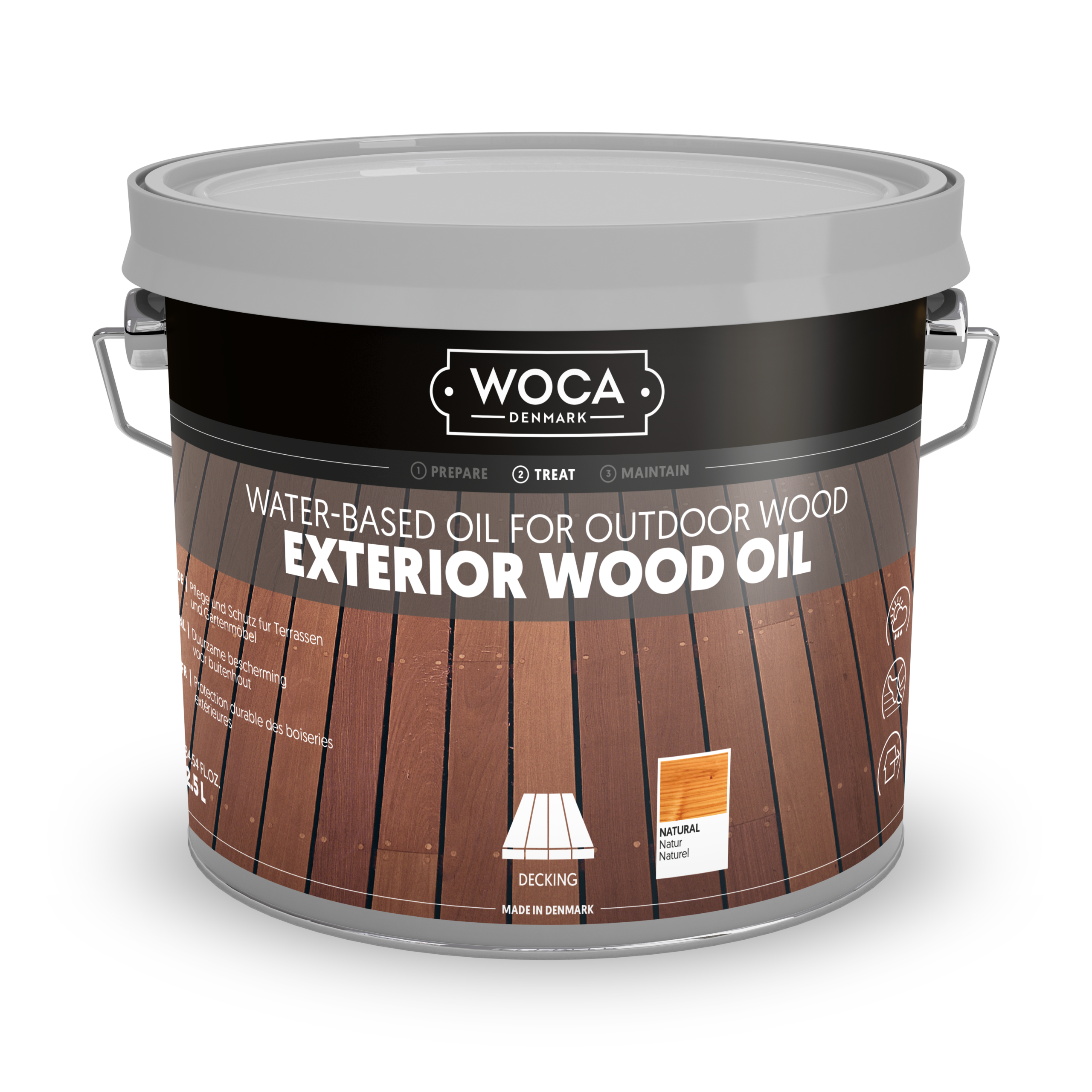
Oil finishes soak into the wood. They highlight the natural grain. Oils like teak or linseed protect wood from water. They need reapplying each year to stay effective.
Varnishes form a hard, protective layer on wood. They resist scratches and water. Varnishes keep wood shiny but can crack over time.
Sealants create a waterproof barrier. They block moisture and dirt. Sealants are clear and do not change wood color much. They work well for all wood types.
Paint covers wood completely. It offers strong protection against sun and rain. Paint hides wood grain but lasts longer than other finishes.
How To Apply Sealants
Start by cleaning the furniture surface. Remove dirt, dust, and old finishes. Use a soft brush and mild soap.
Let the wood dry fully before applying sealant. Moisture blocks sealant from soaking in.
Use a brush or cloth to apply sealant evenly. Follow the wood grain for best results.
Apply thin coats to avoid drips and bubbles. Let each coat dry as per instructions.
Sand lightly between coats for a smooth finish. Use fine-grit sandpaper for this step.
Apply at least two coats for strong protection. More coats may be needed in harsh weather areas.
Allow the final coat to dry completely before using furniture. This ensures maximum durability and finish quality.
Regular Maintenance Tips
Regular care keeps outdoor wooden furniture strong and beautiful. Wood faces sun, rain, and dirt every day. This wear can cause damage over time. A simple routine helps protect your furniture. It saves money and extends the wood’s life.
Seasonal Care Routine
Check your furniture at the start of each season. Clean off dirt and dust with a soft brush or cloth. Use mild soap and water for stubborn spots. Rinse and let dry completely in the sun.
Apply a fresh coat of wood oil or sealant every few months. This keeps the wood from drying and cracking. Sand rough spots gently before applying treatments. Store cushions and covers in a dry place during winter.
Preventing Mold And Mildew
Mold and mildew grow in damp, shady areas. Keep furniture dry by placing it in sunny spots. Wipe off moisture after rain or heavy dew. Use a mixture of water and vinegar to clean mold spots. Scrub gently with a soft brush and rinse well.
Allow air to circulate around furniture to stop mold growth. Avoid placing furniture directly on grass or soil. Use small blocks or pads under legs for better airflow.

Credit: wocadenmark.com
Storing Furniture Off-season
Storing outdoor wooden furniture during the off-season protects it from damage. Cold, wet, and windy weather can harm wood. Dirt, moisture, and pests cause wear and tear. Proper storage helps keep furniture strong and beautiful for years. Taking time to store furniture carefully saves money and effort later.
Best Storage Practices
Choose a dry, cool place for storage. A garage, shed, or basement works well. Avoid damp spaces that cause wood to rot. Lift furniture off the ground using pallets or blocks. This stops moisture from seeping into the wood. Remove cushions and store them separately in a dry area. Clean furniture thoroughly before storing to remove dirt and bugs.
Covering And Protecting
Use breathable covers to protect wooden furniture from dust and moisture. Plastic covers trap moisture and can cause mold. Choose canvas or cloth covers that allow air flow. Secure covers tightly to stop wind from blowing them away. For extra protection, apply a light coat of wood oil or sealant before storage. This keeps the wood hydrated and safe from cracking.

Credit: www.amazon.com
Frequently Asked Questions
How Often Should I Treat Outdoor Wooden Furniture?
Treat outdoor wooden furniture annually to maintain durability. Clean the surface, sand any rough spots, then apply a protective sealant or wood oil. Regular treatment prevents weather damage and extends furniture life.
What Is The Best Sealant For Wooden Outdoor Furniture?
Use a high-quality, waterproof sealant like polyurethane or spar varnish. These sealants protect wood from moisture, UV rays, and temperature changes. Choose a product suitable for outdoor use to ensure long-lasting protection.
Can I Use Household Oil To Treat Wooden Furniture?
Household oils like olive or vegetable oil are not recommended. They can attract dirt and cause wood to become sticky. Use specialized wood oils like teak or linseed oil for proper nourishment and protection.
How Do I Prepare Wood Before Applying Treatment?
Clean the furniture thoroughly with mild soap and water. Remove dirt, mildew, and old finishes by sanding the surface smoothly. Ensure the wood is dry before applying any treatment for best results.
Conclusion
Caring for outdoor wooden furniture takes regular effort and patience. Clean the wood gently to remove dirt and dust. Apply protective oil or sealant to keep moisture out. Store furniture in shade during harsh weather. Check for cracks or damage often and fix them quickly.
These steps help your furniture last longer and look great. Enjoy your outdoor space with wood that stays strong and beautiful year-round. Simple care makes a big difference. Keep it natural, clean, and protected. Your wooden furniture will thank you.