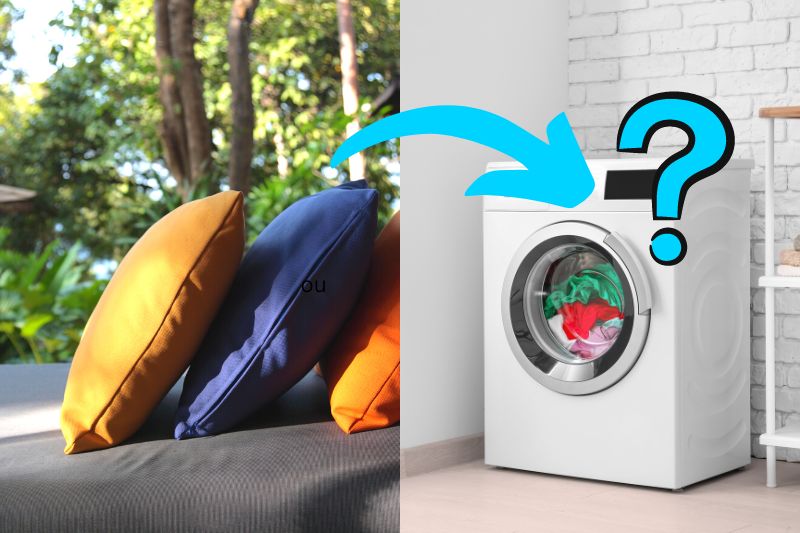
Are your outdoor furniture covers looking dirty or stained? You might be wondering if you can simply toss them into your washing machine for a quick clean.
It’s a common question because you want to keep your covers fresh without damaging them. But before you grab your detergent and start the cycle, there are important things you need to know. You’ll discover the best way to clean your outdoor furniture covers safely and effectively.
Keep reading to avoid costly mistakes and make your covers last longer.
Credit: www.liftingitalia.com
Types Of Outdoor Furniture Covers
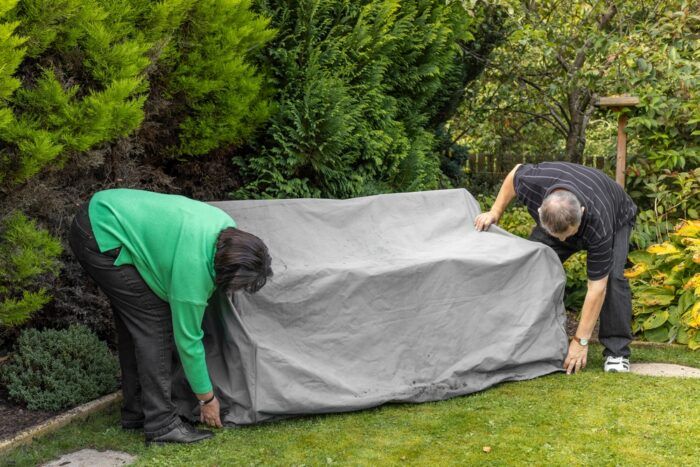
Outdoor furniture covers protect your furniture from rain, dust, and sun. Different covers use different materials and designs. Knowing the types helps you choose the best care method.
Some covers are heavy and strong, made for harsh weather. Others are light and easy to handle. Each type needs different cleaning and care steps.
Common Materials Used
Polyester is popular for outdoor furniture covers. It is water-resistant and dries quickly. Some covers have PVC or vinyl coatings for extra protection.
Canvas covers are thick and breathable. They protect well but may take longer to dry. Mesh fabrics help with air flow, preventing mold and mildew.
Durability And Care Requirements
Durable covers last longer but need careful cleaning. Heavy-duty materials can handle machine washing on gentle cycles. Light fabrics might shrink or tear easily in machines.
Some covers need spot cleaning only. Others can be hand washed with mild soap. Always check the care label before washing.
Checking The Care Label
Checking the care label is the first step before washing outdoor furniture covers. This label shows important information about cleaning. It helps avoid damage and keeps the covers in good shape.
Symbols To Look For
The care label has small symbols that tell how to wash the cover. A washing machine symbol means machine wash is safe. A hand symbol means wash by hand only. A cross over a washing machine means do not wash in a machine. Look for a temperature number to know the best water heat. A triangle shows if bleach is allowed. A circle with a letter inside means dry cleaning is okay.
Manufacturer Recommendations
Follow the manufacturer’s advice on the care label closely. They know the material and best cleaning methods. If the label says “machine wash cold,” use cold water only. If it says “gentle cycle,” choose a low setting. Avoid strong detergents if the label warns against them. Some covers need air drying to avoid shrinking. Always trust these instructions to keep covers lasting longer.
Preparing Covers For Washing
Preparing outdoor furniture covers for washing helps protect them and your washing machine. Clean covers last longer and look better. Taking a few simple steps before washing makes the process smooth and safe.
Removing Dirt And Debris
Brush off loose dirt and leaves from the covers first. Use a soft brush or cloth to avoid damage. Shake the covers outside to remove small debris. Spot-clean stubborn stains with mild soap and water. Removing debris prevents clogging your machine and keeps covers clean.
Securing Zippers And Fasteners
Close all zippers and fasten any buttons or Velcro strips. This stops them from catching or tearing during the wash. Check carefully to ensure nothing is open or loose. Secured covers maintain their shape and avoid damage in the machine.
Credit: www.mtlakepool.com
Washing Machine Settings
Setting your washing machine correctly is key to cleaning outdoor furniture covers well. The right settings protect the fabric and remove dirt effectively. Understanding the cycle type and water temperature helps keep covers in good shape.
Choosing The Right Cycle
Select a gentle or delicate cycle. These cycles use slower spin speeds. They reduce wear and tear on the fabric. Avoid heavy or normal cycles that may damage the cover. A short cycle also helps prevent color fading.
Water Temperature Guidelines
Cold or warm water works best for washing covers. Cold water saves energy and prevents shrinking. Warm water can remove tough stains but avoid hot water. Hot water may weaken fabric and cause colors to fade. Always check the cover’s care label before washing.
Using Detergents And Cleaners
Choosing the right detergent or cleaner is important when washing outdoor furniture covers. The wrong product can harm the fabric or leave residues that attract dirt. Using the proper cleaner keeps the covers fresh and extends their life. It also helps maintain the fabric’s water resistance and color.
Mild Detergents Vs Harsh Chemicals
Mild detergents are gentle and safe for most outdoor fabrics. They clean without stripping protective coatings. Harsh chemicals, like bleach or strong solvents, can cause fading and weaken fibers. Always pick a mild detergent labeled for delicate or outdoor fabrics. Avoid bleach and fabric softeners, as they can damage the cover.
Avoiding Fabric Damage
Use only the recommended amount of detergent to prevent buildup. Too much soap can leave sticky residue and attract dirt. Wash covers on a gentle cycle to reduce wear. Rinse thoroughly to remove all detergent. Air dry covers away from direct sunlight to stop fading and shrinking. Following these steps protects your covers and keeps them looking good longer.
Drying Outdoor Covers
Drying outdoor furniture covers properly keeps them in good shape. Wet covers can develop mold and bad smells. Choosing the right drying method helps keep the fabric strong and clean.
Air Drying Tips
Hang the covers on a clothesline or lay them flat. Choose a shaded spot to avoid sun damage. Make sure air flows well around the covers. This helps them dry faster and prevents mildew.
Do not fold or bunch covers while drying. Smooth them out to keep their shape. Check the covers for damp spots and turn them if needed. Drying outside also saves energy and keeps covers fresh.
Avoiding Heat Damage
Do not use a dryer or direct heat on outdoor covers. High heat can melt or weaken the fabric. It can also shrink or change the cover’s size. Use low heat only if the care label allows it.
Keep covers away from heaters or fireplaces while drying. Let them dry naturally to keep the material strong. Avoiding heat helps covers last longer and stay waterproof. Gentle drying protects your investment over time.
Alternative Cleaning Methods
Some outdoor furniture covers do not suit machine washing. Fabric types, stitching, and waterproof layers might get damaged. Alternative cleaning methods help keep covers clean without harm. These methods use gentle care and simple tools. They save time and extend cover life.
Hand Washing
Hand washing is gentle and effective for most covers. Use mild soap and lukewarm water. Soak the cover for 10 to 15 minutes. Gently scrub with a soft brush or cloth. Focus on dirty spots but avoid harsh rubbing. Rinse well with clean water to remove soap. Let the cover air dry in shade. Avoid direct sunlight to prevent fading.
Spot Cleaning Techniques
Spot cleaning targets small stains without full washing. Mix water and mild detergent in a spray bottle. Spray the solution on the stain and wait a few minutes. Use a soft cloth or sponge to blot the stain gently. Do not rub hard; it may spread the stain. Rinse the cleaned area with a damp cloth. Let the spot dry naturally before using the cover again.
/outdoor-patio-cleaning-supplies-2p6yrlzR4GK9Rr1Mhjp3K5-2000-d7e542774eff462285069f2f6a93a430.jpg)
Credit: www.bhg.com
Maintaining Covers Between Washes
Outdoor furniture covers protect your furniture from dirt, rain, and sun. Keeping them clean between washes helps extend their life. Small habits can prevent dirt buildup and stains. These steps save time and keep covers looking fresh.
Proper care also stops mold and mildew from forming. Regular attention keeps covers ready for use anytime. Follow simple tips to maintain covers well.
Regular Cleaning Habits
Shake off dust and leaves after use. Use a soft brush to remove loose dirt. Wipe covers with a damp cloth to clean spots. Avoid harsh chemicals that can damage fabric. Let covers air dry completely before folding or storing. Check for small tears and fix them quickly.
Storage Tips For Longevity
Store covers in a dry, cool place when not in use. Avoid folding wet covers to prevent mold growth. Use breathable bags or containers for storage. Keep covers away from direct sunlight to avoid fading. Label storage containers for easy identification. Regularly inspect stored covers for any signs of damage.
Frequently Asked Questions
Can Outdoor Furniture Covers Be Machine Washed Safely?
Yes, most outdoor furniture covers can be machine washed safely. Use a gentle cycle with cold water and mild detergent. Avoid bleach and fabric softeners to protect the material. Always check the care label for specific washing instructions to prevent damage.
What Washing Machine Settings Are Best For Covers?
Use a gentle or delicate cycle with cold water for washing covers. This prevents fabric shrinkage and damage. Avoid high spin speeds to maintain the cover’s shape. Always follow the manufacturer’s washing recommendations for best results.
Should I Dry Outdoor Furniture Covers In A Dryer?
It’s best to air dry outdoor furniture covers to avoid damage. High heat in dryers can shrink or weaken the fabric. Lay covers flat or hang them in a shaded area. Avoid direct sunlight to preserve color and material quality.
Can Washing Damage Outdoor Furniture Covers?
Improper washing can damage covers, causing fading or tears. Use mild detergent and gentle cycles to protect fabric integrity. Avoid bleach and harsh chemicals. Always follow care instructions to maintain durability and appearance.
Conclusion
Washing outdoor furniture covers in a machine can be safe. Always check the care label first. Use a gentle cycle and mild detergent. Avoid harsh chemicals that may damage fabric. Air dry covers to keep them in good shape. Regular cleaning helps protect your furniture longer.
Clean covers look fresh and keep dirt away. Simple steps make maintenance easy and effective. Keep your covers clean to enjoy outdoor spaces more.