Choosing the right wood for your outdoor furniture can make all the difference between a beautiful, long-lasting piece and one that quickly falls apart. You want your furniture to withstand weather, look great, and feel sturdy every time you use it.
But with so many wood options out there, how do you know which one is best for your needs? This guide will help you understand the key types of wood that work well outdoors, so you can make the smartest choice for your space and enjoy your furniture for years to come.
Keep reading to discover which wood will turn your outdoor area into a cozy, stylish haven.
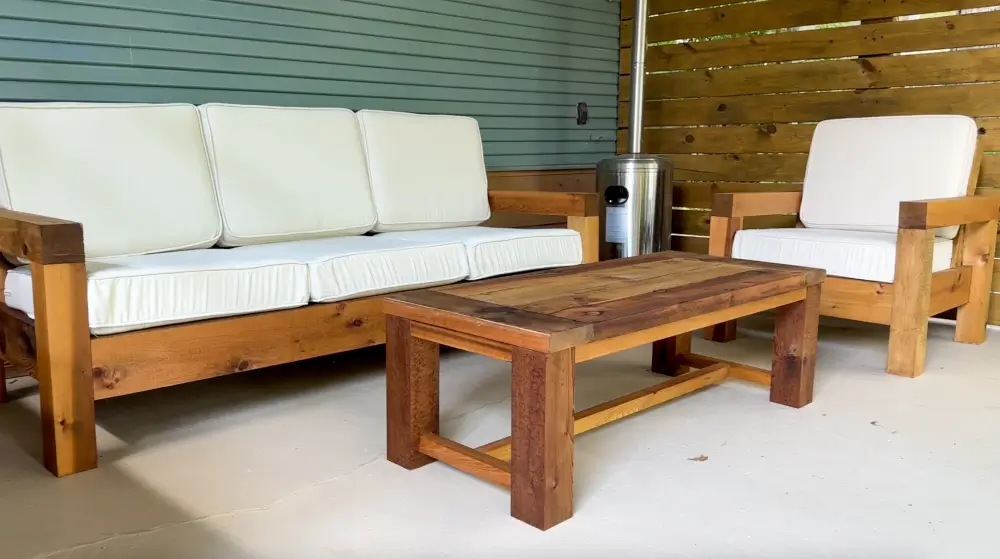
Credit: reneerenovates.com
Types Of Wood For Outdoor Furniture
Choosing the right wood for outdoor furniture is key for durability and beauty. Wood types vary in strength, weather resistance, and appearance. Knowing the differences helps you pick the best fit for your outdoor space.
This section explains the main types of wood used for outdoor furniture. It covers hardwoods and softwoods, highlighting popular choices in each group.
Hardwoods Vs Softwoods
Hardwoods come from broad-leaf trees. They tend to be dense and strong. This makes hardwoods great for outdoor use. They resist wear and weather better.
Softwoods come from conifer trees like pine and cedar. They grow faster and are lighter. Softwoods are easier to work with but may need more care outside.
Popular Hardwood Choices
Teak is a top hardwood for outdoor furniture. It has natural oils that fight water and insects.
Mahogany offers rich color and good durability. It stays strong in many weather conditions.
Acacia is affordable and weather-resistant. It has a warm tone and ages well.
Common Softwood Options
Cedar is a favorite softwood for outdoor furniture. It smells nice and resists rot naturally.
Pine is widely available and cost-effective. It needs treatment to protect from moisture and bugs.
Redwood offers good resistance to decay. It has a beautiful red color and smooth texture.
Durability Factors
Durability is key when choosing wood for outdoor furniture. The wood must endure sun, rain, and wind without losing strength or beauty. Several factors affect how long the wood will last outside. Understanding these helps in picking the best wood for your furniture.
Resistance To Weather
Wood used outside must handle rain, sun, and temperature changes. Some woods absorb water and swell. Others shrink or crack under the sun. Woods like teak and cedar resist moisture well. They stay strong and look good for years. This resistance keeps furniture safe and comfortable.
Insect And Rot Resistance
Insects and rot can ruin outdoor wood fast. Certain woods contain natural oils that repel bugs. Teak and redwood are known for this quality. Rot happens when wood stays wet too long. Choosing wood with natural rot resistance helps furniture last longer. It also reduces the need for chemicals or treatments.
Maintenance Requirements
Some woods need more care than others. Teak requires little maintenance to keep its look. Pine or fir may need regular sealing or painting. Maintenance can mean sanding, staining, or cleaning often. Low-maintenance woods save time and effort over the years. Consider how much work you want before buying wood.
Wood Appearance And Style
Choosing the right wood for outdoor furniture affects its look and style. Wood’s appearance sets the tone for your outdoor space. Different woods offer unique grains, colors, and textures. Understanding these features helps create the perfect furniture style for your garden or patio.
Grain Patterns And Colors
Wood grain shows the natural lines and shapes in the wood. Some woods have straight, even grains, while others display swirls or knots. These patterns add character and charm to furniture.
Colors vary from pale beige to deep reddish brown. Teak and cedar offer warm, rich tones. Pine and spruce are lighter and more neutral. Choose a wood color that blends well with your outdoor setting.
Aging And Patina Effects
Outdoor wood changes color over time due to sun and weather. Some woods turn silver gray, giving a rustic look. Others darken, enhancing their rich tones.
Patina is the natural finish that develops with age. It adds beauty and depth to wood furniture. Some people prefer this aged look for a classic feel. You can also treat wood to keep its original color longer.
Matching Wood With Outdoor Themes
Different woods fit different outdoor styles. Teak and mahogany work well with tropical or classic designs. Pine and cedar suit casual or country looks.
Think about your garden’s plants, colors, and overall vibe. Choose wood that complements these elements. This harmony creates a cozy and inviting outdoor space.

Credit: www.reddit.com
Cost Considerations
Choosing the right wood for outdoor furniture requires thinking about cost. Wood prices vary a lot. Some woods cost much more than others. Knowing the cost helps you pick wood that fits your budget. It also helps avoid surprises later. Think about both the price now and the value over time.
Price Differences Among Woods
Teak and mahogany are expensive woods. They last long and resist weather well. Pine and cedar cost less but need more care. Redwood falls in the middle. Price depends on wood type, quality, and source. Local woods often cost less than imported ones. Check prices from several places before buying.
Long-term Value
Cost is not only the first price. Some woods last many years with little work. Teak may cost more but saves money on repairs. Cheaper woods may need treatments or replacements sooner. Think about how long the furniture will last. Spending more now can mean less expense later.
Budget-friendly Alternatives
Pine and cedar offer lower prices for outdoor furniture. They need sealing to protect from moisture. Pressure-treated wood is also a good option. It resists insects and rot at a low cost. Look for woods that balance price and durability. These choices help you stay within budget without losing quality.
Sustainability And Sourcing
Sustainability and sourcing are key factors when choosing wood for outdoor furniture. Wood that is responsibly sourced helps protect forests and wildlife. It also reduces the impact on the environment. Choosing the right wood means thinking about how it is harvested and where it comes from.
Certified Sustainable Woods
Certified sustainable woods come from forests managed with care. These forests grow new trees to replace those cut down. Labels like FSC (Forest Stewardship Council) show that wood meets strict environmental standards. Using certified wood supports forest health and local communities. It ensures the wood is renewable and responsibly harvested.
Reclaimed And Recycled Wood
Reclaimed wood is wood taken from old buildings or furniture. It saves trees by reusing material that already exists. Recycled wood may include wood scraps shaped into new boards. Both options reduce waste and lower the need to cut new trees. This wood often has unique colors and textures. It adds character to outdoor furniture.
Local Vs Imported Options
Choosing local wood reduces shipping distances and pollution. It supports local businesses and economies. Local wood is often fresher and easier to trace back to its source. Imported wood may offer more variety but can have a larger carbon footprint. Knowing where wood comes from helps make better environmental choices.

Credit: www.youtube.com
Treatment And Finishing Tips
Treating and finishing outdoor wood furniture protects it from weather damage. Proper care helps wood last longer and look better. The right treatment stops moisture, sun, and bugs from ruining your pieces.
Choosing the correct sealing, staining, and protective coatings makes a big difference. Regular care keeps the wood strong and fresh. Follow these simple tips for the best results.
Sealing And Staining
Sealing wood blocks water and prevents swelling or cracking. Use a sealant made for outdoor use. Stains add color and extra protection. Pick a stain with UV protection to stop fading. Always apply sealant or stain on clean, dry wood. Multiple coats give better coverage and durability.
Protective Coatings
Protective coatings form a strong barrier on wood surfaces. Choose varnish or polyurethane designed for outdoor furniture. These coatings shield wood from rain and sunlight. Reapply coatings every few years to maintain protection. Light sanding before each coat helps the finish stick well.
Routine Care For Longevity
Clean furniture regularly with mild soap and water. Avoid harsh cleaners that can damage wood. Cover furniture during heavy rain or winter. Inspect wood for cracks or damage often. Repair small issues quickly to prevent bigger problems. Proper routine care extends the life of your wood furniture.
Common Mistakes To Avoid
Making outdoor furniture with the right wood is important. Many people make mistakes that reduce the furniture’s life. Avoiding these common errors helps you get strong, lasting pieces. Focus on the wood choice, care, and how you put the furniture together.
Choosing Unsuitable Wood
Not all wood types work well outside. Soft woods may rot or warp quickly. Avoid woods that soak up water easily. Use woods that resist insects and decay. Cedar, teak, and redwood are good choices. Picking the wrong wood leads to fast damage.
Ignoring Maintenance Needs
Outdoor wood needs care to last longer. Skipping cleaning or sealing causes cracks and fading. Regular oiling or painting protects the wood. Check for damage often. Fix small problems before they get worse. Maintenance keeps furniture strong and looking good.
Improper Installation Practices
How you build the furniture affects its strength. Using wrong screws or nails can cause splits. Tight joints stop movement and damage. Leave space for wood to expand in wet weather. Secure parts firmly but avoid forcing pieces. Proper installation prevents early breakage.
Frequently Asked Questions
What Wood Is Best For Outdoor Furniture Durability?
Teak is the most durable wood for outdoor furniture. It resists moisture, insects, and decay naturally. Its dense grain makes it long-lasting and weatherproof. Maintenance is minimal, requiring only occasional oiling to maintain its rich color and strength.
How To Choose Weather-resistant Wood For Outdoor Use?
Choose woods like cedar, redwood, or teak for weather resistance. These woods have natural oils that repel water and insects. They withstand sun, rain, and temperature changes well. Proper sealing and finishing also enhance their outdoor durability.
Is Pressure-treated Wood Safe For Outdoor Furniture?
Pressure-treated wood is safe and commonly used outdoors. It resists rot and insect damage due to chemical treatment. However, it may require sealing to prevent moisture absorption. Always use food-safe sealants if furniture contacts food or skin.
Which Wood Needs Least Maintenance Outdoors?
Teak and cedar require the least maintenance outdoors. Their natural oils protect them from decay and pests. Cedar may need occasional staining, while teak only needs periodic oiling. Both woods age gracefully, developing a pleasant patina over time.
Conclusion
Choosing the right wood affects your furniture’s strength and look. Cedar and teak resist weather and insects well. Pine is affordable but needs more care. Think about your budget and climate too. Good wood helps your furniture last longer outside.
Enjoy crafting pieces that stay beautiful through seasons. Your outdoor space will feel warm and inviting. Quality wood makes all the difference.