Have you ever wanted to enjoy your favorite indoor furniture outside but worried it won’t hold up? You’re not alone.
Bringing your cozy sofa or stylish chairs outdoors can transform your space, but without the right care, they can quickly get damaged by sun, rain, and dirt. Imagine relaxing on your beloved armchair on a sunny patio, without a single worry about wear or stains.
In this guide, you’ll discover simple, effective ways to outdoor proof your indoor furniture. Follow these easy steps, and your furniture will stay beautiful and durable no matter the weather. Ready to protect your investment and enjoy your space to the fullest? Keep reading!
Credit: www.homedepot.com
Choosing The Right Furniture
Choosing the right furniture is key to making indoor pieces last outdoors. Not all furniture can handle sun, rain, or wind. Picking the right type helps protect your investment and keeps your space looking good. Consider how the furniture will react to different weather conditions. Think about durability and comfort for outdoor use.
Materials That Withstand Weather
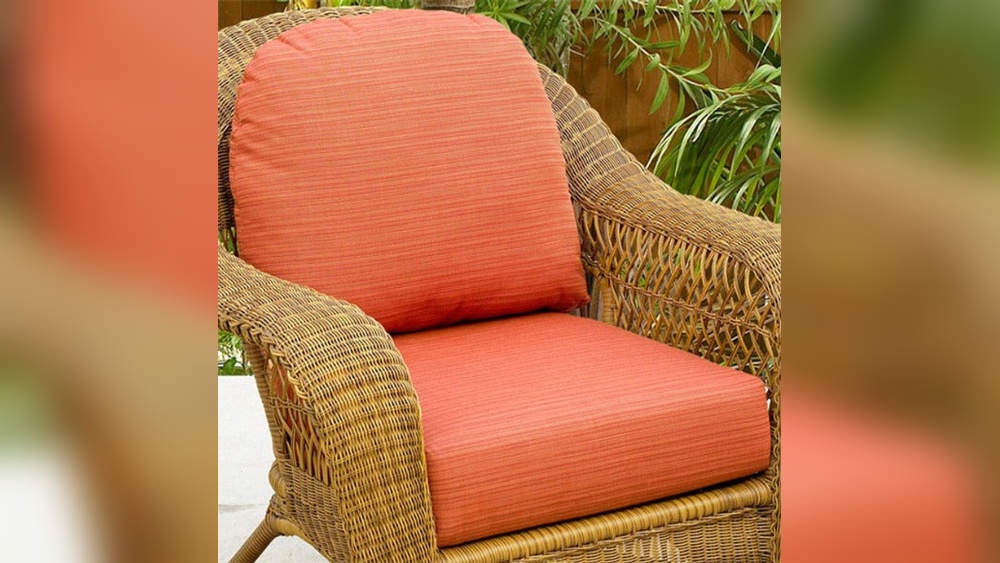
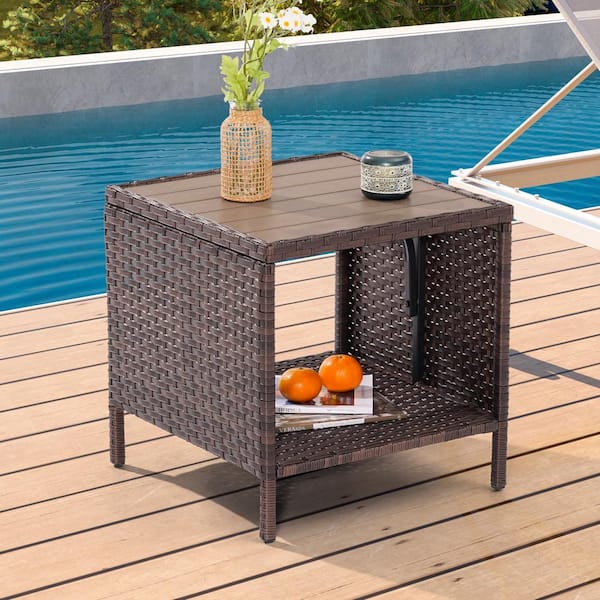
Choose materials that resist water and sun damage. Teak, aluminum, and synthetic wicker are strong options. These materials do not rust or rot easily. They need less maintenance than wood or fabric. Avoid soft woods like pine or untreated fabric. These break down faster in outdoor conditions.
Designs Suited For Outdoor Use
Look for furniture with simple, sturdy designs. Avoid delicate parts that can break in wind or rain. Furniture with slats or holes drains water quickly. Rounded edges reduce damage risk. Choose pieces that are easy to clean and move. This helps keep your outdoor area tidy and safe.

Credit: www.amazon.com
Cleaning And Preparing Furniture
Preparing indoor furniture for outdoor use starts with thorough cleaning. Dirt and dust can block sealants and finishes. Proper cleaning helps protect your furniture from weather damage. It also improves the look before sealing or painting. Follow simple steps to get your furniture ready for outdoor life.
Removing Dirt And Debris
Start by brushing off loose dirt and dust. Use a soft brush or cloth to avoid scratches. For sticky spots or stains, use mild soap and water. Wipe gently and rinse well. Let the furniture dry completely before the next step. Avoid harsh chemicals that can damage the material.
Sanding And Smoothing Surfaces
Sanding creates a smooth surface for paint or sealant. Use fine-grit sandpaper to remove rough spots and old finishes. Sand in the direction of the wood grain or material texture. After sanding, wipe away dust with a damp cloth. This step helps new coatings stick better and last longer.
Applying Protective Coatings
Applying protective coatings is an important step to keep indoor furniture safe outdoors. These coatings form a barrier that shields furniture from rain, sun, and dirt. They help prevent damage and extend the life of your pieces. Each material needs a specific type of coating to work best.
Sealants For Wood Furniture
Wood furniture needs sealants to stay strong outside. Sealants block water and stop wood from swelling or cracking. Use clear or tinted sealants depending on your style. Apply with a brush in thin, even layers. Let each layer dry fully before adding the next. This process protects the wood from moisture and sun damage.
Waterproof Sprays For Fabrics
Fabrics require waterproof sprays to repel water and stains. These sprays create a thin shield that stops liquids from soaking in. Spray evenly on clean, dry fabric for best results. Let the fabric dry completely before using it outdoors. This coating helps keep cushions and covers fresh and dry.
Rust-proofing Metal Pieces
Metal furniture faces rust and corrosion outside. Rust-proof coatings form a strong layer to stop rust from forming. Use spray or brush-on rust protectors designed for metal. Clean the metal surface before applying to ensure good adhesion. This treatment keeps metal looking new and sturdy for longer.
Using Covers And Shields
Protecting indoor furniture for outdoor use is essential to keep it safe. Covers and shields act as barriers against rain, dust, and sun damage. They help maintain the furniture’s look and extend its life. Proper use of these items makes outdoor furniture care easier and more effective.
Choosing Durable Furniture Covers
Select covers made from strong, weather-resistant materials like polyester or vinyl. These fabrics resist water and prevent mold growth. Look for covers with tight seams and reinforced edges for long-lasting use. Choose covers that fit snugly to avoid wind damage. Some covers come with straps or elastic hems to stay secure outdoors.
Diy Protective Shields
Create simple shields using clear plastic sheets or waterproof tarps. Cut the material to size and attach it with clips or ropes. Use wood or metal frames to hold the shield above furniture for air circulation. This method protects from rain and sun while allowing some breathability. DIY shields offer a flexible, affordable way to guard your furniture.
Proper Placement Outdoors
Placing indoor furniture outside needs careful thought. The right spot keeps your furniture safe and lasts longer. Sun, rain, and wind can harm furniture fast. Choosing the best place helps avoid damage and keeps the look fresh. Planning placement saves money and effort on repairs.
Avoiding Direct Sunlight
Sunlight can fade colors and weaken materials. UV rays break down fabrics and wood finishes. Keep furniture out of direct sun to stop fading. Use umbrellas or shade sails for extra protection. Move furniture to shaded spots during peak sun hours.
Sheltered Locations To Reduce Damage
Find places shielded from rain and strong winds. Under a porch or covered patio works well. Shelters prevent water damage and warping. Avoid placing furniture where water pools after rain. Use furniture covers for extra safety in bad weather.
Regular Maintenance Tips
Keeping indoor furniture safe outdoors needs steady care. Regular maintenance stops damage from sun, rain, and dirt. It helps your furniture last longer and look good outside.
Cleaning Schedules
Clean your furniture often to avoid dirt buildup. Dust and debris can wear out surfaces fast. Use a soft brush or cloth for gentle cleaning. Mild soap and water work well on most materials. Rinse and dry furniture quickly to stop water spots. Plan cleaning every two weeks or after bad weather.
Reapplying Protective Layers
Protective coatings keep furniture safe from water and sun. Check these layers every few months. If they look thin or cracked, reapply them soon. Use sealants made for outdoor use. Follow product instructions for best results. This step keeps furniture strong and resistant to damage.
Handling Seasonal Changes
Handling seasonal changes is key to keeping indoor furniture safe outdoors. Each season brings different challenges. Protecting your furniture helps it last longer and look good.
Winterizing Furniture
Cold weather can damage indoor furniture left outside. Moisture from snow and frost causes wood to warp and metal to rust. Use waterproof covers to shield furniture during winter. Store cushions and fabrics inside to prevent mold and mildew. Apply a sealant or protective coating to wooden parts. This stops water from soaking into the wood. Keep furniture off the ground to avoid contact with wet surfaces. If possible, move pieces to a sheltered spot like a garage or porch.
Summer Care Strategies
Summer sun can fade and weaken furniture materials. UV rays break down fabric and cause colors to fade. Use UV-protective sprays on fabrics and wood. Clean furniture regularly to remove dirt and dust. Dirt can trap moisture and cause damage over time. Store cushions in a dry place when not in use. Place furniture in shaded areas to reduce direct sun exposure. This keeps materials cooler and less prone to cracking. Rotate furniture positions to balance sun exposure evenly.
Credit: www.homedepot.com
Frequently Asked Questions
How Can I Protect Indoor Furniture Outdoors?
Use waterproof covers and sealants to shield furniture from moisture. Apply UV-resistant sprays to prevent sun damage. Elevate furniture off the ground to avoid dampness and pests. Regularly clean and maintain surfaces to extend outdoor durability.
What Materials Work Best For Outdoor-proofing Indoor Furniture?
Use water-repellent sealants on wood and fabric protectors on upholstery. Opt for rust-resistant sprays on metal parts. Choose UV-resistant coatings to prevent fading. These materials help withstand weather conditions and prolong furniture life.
How Often Should I Treat Indoor Furniture For Outdoor Use?
Treat furniture every six months or after heavy weather exposure. Regular maintenance ensures continued protection against moisture, sun, and pests. Inspect surfaces for wear and reapply protective coatings as needed to maintain durability.
Can I Use Indoor Furniture Fabric Outdoors?
Indoor fabrics usually lack weather resistance. Use outdoor fabric sprays or covers to protect them. Consider replacing cushions with outdoor fabrics for better durability. Proper treatment prevents mold, fading, and fabric deterioration.
Conclusion
Protecting indoor furniture for outdoor use takes care and attention. Choose the right sealants and covers to stop water damage. Keep furniture clean and dry to avoid mold and stains. Use cushions made for outdoor settings to stay comfy. Regular checks help catch problems early.
These simple steps help furniture last longer outside. Enjoy your space without worry or extra cost. Small efforts bring big benefits for your furniture’s life.