Are you wondering if you can use deck stain on your outdoor furniture? It’s a question many homeowners ask when looking to refresh their patio or garden setup.
You want your furniture to look great and last longer, but using the wrong product can lead to disappointment. What if the stain changes the color, feels sticky, or doesn’t protect your furniture at all? Keep reading, and you’ll discover exactly how deck stain works on outdoor furniture, what to watch out for, and the best tips to make your pieces shine and stay strong season after season.
Your outdoor space deserves the best—let’s make sure you get it right.
Deck Stain Vs Furniture Finish
Deck stain and furniture finish both protect wood but serve different purposes. Choosing the right product affects how your outdoor furniture looks and lasts. Knowing the differences helps you pick the best option for your needs.
Differences In Formulation
Deck stain is made to soak deep into wood. It protects large surfaces from water and sun damage. Furniture finish is thicker and forms a hard coat on wood. It aims to protect smaller, detailed pieces from scratches and wear.
Durability Factors
Deck stain lasts longer on flat surfaces exposed to weather. It resists fading and peeling under sun and rain. Furniture finish wears faster outside because it is thinner. It needs more frequent reapplication to keep furniture safe.
Appearance And Texture
Deck stain shows the wood grain with a natural look. It feels smooth but not shiny. Furniture finish often adds gloss and a smooth touch. It can make wood look polished and rich.
Suitability Of Deck Stain For Outdoor Furniture
Deck stain can be a popular choice for outdoor furniture. It helps protect and enhance the wood’s appearance. The suitability depends on several factors. These include the type of wood, weather exposure, and possible risks. Understanding these points helps you choose the right finish for your furniture.
Wood Types And Stain Compatibility
Different woods react differently to deck stain. Softwoods like pine absorb stain easily. Hardwoods like teak and cedar may need special stains. Some outdoor furniture uses composite materials. These do not take stain well. Check the wood type before staining. Choose a stain made for that specific wood. This ensures better coverage and protection.
Weather Resistance
Outdoor furniture faces sun, rain, and temperature changes. Deck stains usually offer good weather resistance. They seal the wood to prevent water damage. Some stains block UV rays to reduce fading. Not all stains have equal protection. Pick one designed for outdoor use. Reapply stain regularly to maintain weather resistance.
Potential Risks
Using deck stain on furniture has risks. Some stains may make the surface sticky or rough. The finish can crack if applied too thickly. Dark stains absorb more heat, which may warp the wood. Some chemicals in deck stains can irritate skin. Always test stain on a small area first. Follow safety instructions and use gloves.
Preparing Outdoor Furniture For Staining
Preparing outdoor furniture for staining is essential for a lasting finish. Proper preparation helps the stain stick well and look even. It also protects the wood from damage and weather.
Before staining, clean, repair, and choose the right weather conditions. These steps ensure your outdoor furniture stays beautiful longer. Let’s break down the preparation process.
Cleaning And Sanding
Start by cleaning the furniture to remove dirt and old finishes. Use a mild soap and water mix. Scrub gently with a soft brush or cloth. Rinse well and let it dry completely.
After cleaning, sand the surface lightly. Sanding removes rough spots and old stain layers. Use fine-grit sandpaper for a smooth finish. Always sand in the wood grain direction. This step helps the stain soak evenly.
Repairing Damages
Check the furniture for cracks, splinters, or loose joints. Small cracks can be filled with wood filler. Let the filler dry fully, then sand it smooth.
Tighten any loose screws or nails. Replace broken parts if needed. Repairing damages prevents further wear and creates a solid base for staining.
Choosing The Right Conditions
Select a dry day with mild temperatures for staining. Avoid very hot or cold weather. Extreme weather can affect how the stain dries.
Work in a shaded area to prevent the stain from drying too fast. This helps the stain absorb better and avoids blotches. Proper conditions make the staining process easier and more effective.
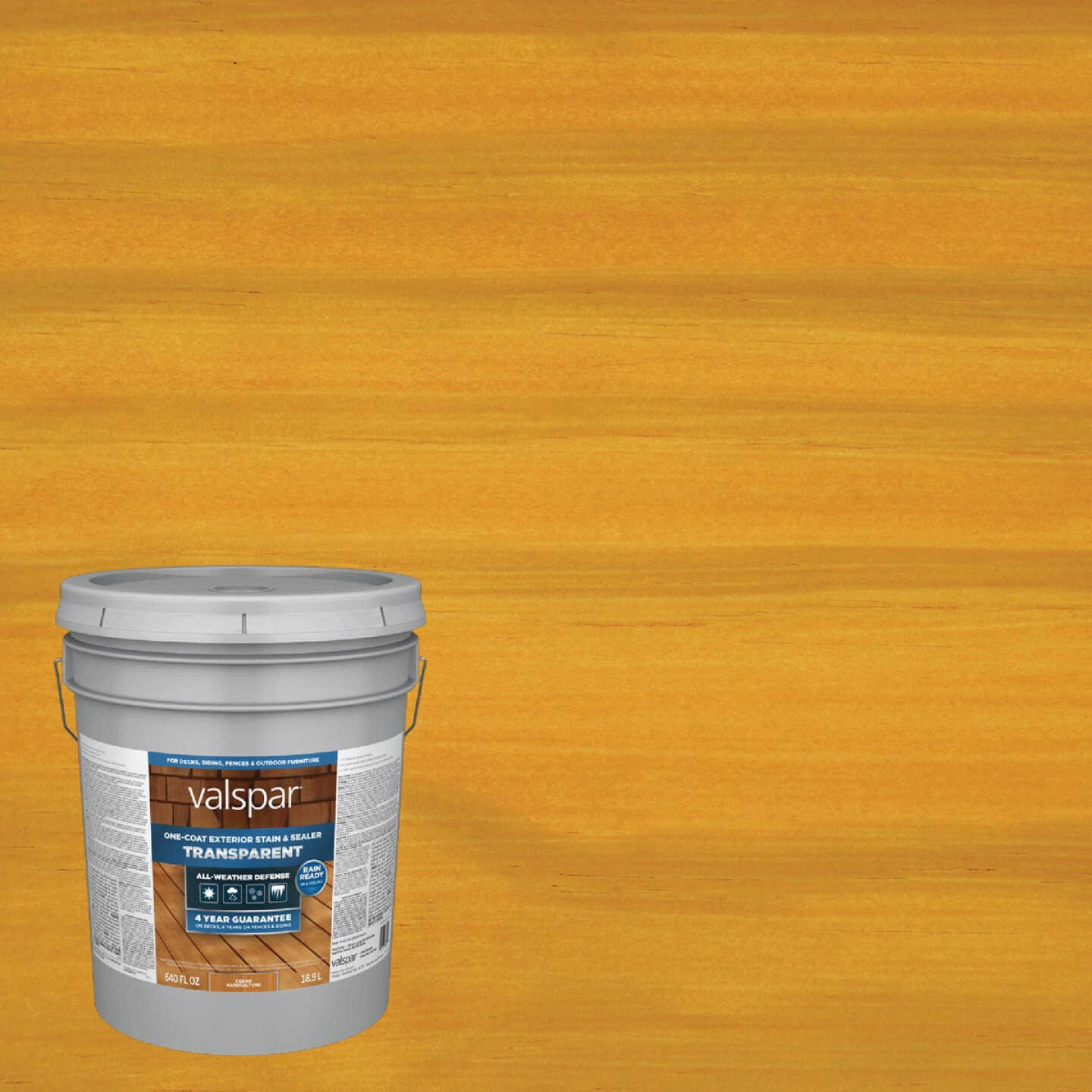
Credit: www.stoneshc.com
Applying Deck Stain On Furniture
Applying deck stain on outdoor furniture is a smart way to protect wood and enhance its look. The stain soaks into the wood, shielding it from sun and rain. This process requires the right tools and careful technique to get good results. Let’s explore how to apply deck stain properly on your furniture.
Tools And Techniques
Use a natural bristle brush or a clean cloth for applying stain. Brushes help spread stain evenly, while cloths work well for small pieces. Always stir the stain before use to mix pigments evenly. Apply the stain along the wood grain for smooth coverage. Avoid over-brushing, which can cause streaks. Work in a shaded area to prevent stain from drying too fast.
Number Of Coats
One coat may protect new wood but two coats give better durability. The first coat penetrates deep, and the second adds color and protection. Allow the first coat to dry fully before applying the second. Applying too many coats can cause peeling. Two coats usually balance protection and appearance well.
Drying Time
Drying time depends on weather and stain type. Usually, allow 24 to 48 hours for full drying. Avoid using furniture until the stain feels dry to touch. Cooler or humid days slow drying, so plan accordingly. Proper drying helps the stain last longer and keeps the finish smooth.
Maintenance Tips For Stained Furniture
Stained outdoor furniture can look great for years with the right care. Proper maintenance keeps the color fresh and protects the wood from weather damage. Follow simple steps to maintain your stained furniture and enjoy its beauty longer.
Cleaning Frequency
Clean your stained furniture regularly to remove dirt and dust. Use a soft brush or cloth with mild soap and water. Avoid harsh chemicals that can damage the stain. Clean at least once a month during warm seasons.
Reapplication Timing
Reapply deck stain every 1 to 3 years, depending on exposure. Check for fading, peeling, or water absorption signs. Early reapplication helps protect wood and keep colors vibrant. Always follow the stain manufacturer’s instructions.
Protective Measures
Use covers to shield furniture from rain and sun when not in use. Place furniture in shaded areas to reduce sun damage. Avoid dragging furniture to prevent scratches. These steps extend the life of your stained outdoor furniture.

Credit: www.reddit.com
Alternative Finishes For Outdoor Furniture
Choosing the right finish for outdoor furniture helps protect it from sun, rain, and wear. Deck stain is one option but not always the best choice. Many alternative finishes suit outdoor furniture better. These finishes enhance beauty and durability.
Furniture-specific Stains
Furniture-specific stains are made for outdoor wood pieces. They soak deep into the wood, preventing cracking and peeling. These stains bring out the wood’s natural grain and color. They also resist fading from sunlight. Using a furniture-specific stain ensures long-lasting protection.
Paints And Sealers
Paints create a colorful, solid layer over furniture surfaces. They hide imperfections and add style. Sealers are clear coatings that guard against moisture and damage. Applying paint or sealer keeps wood safe from weather effects. Both finishes need regular maintenance to stay effective.
Natural Oils And Waxes
Natural oils like teak or linseed oil nourish wood and keep it flexible. They soak in and prevent dryness and cracking. Waxes add a gentle shine and an extra layer of water resistance. Oils and waxes require frequent reapplication but maintain a natural look. They are perfect for wood lovers who want a simple finish.
Expert Recommendations
Experts often share clear advice on using deck stain for outdoor furniture. Their tips help avoid damage and keep furniture looking good longer. Knowing when and how to apply deck stain makes a big difference.
When To Use Deck Stain
Deck stain works best on wooden furniture that faces sun and rain. Use it when wood starts to look dull or dry. Staining protects wood from water and UV rays. Avoid using deck stain on painted or plastic furniture. Test on a small spot before full application.
Common Mistakes To Avoid
Do not apply deck stain on dirty or wet surfaces. This stops stain from soaking in properly. Avoid thick coats; thin, even layers dry better. Skipping sanding can cause rough texture and peeling. Using the wrong type of stain harms the wood.
Maximizing Longevity
Clean furniture before staining to remove dirt and mildew. Sand lightly for smooth surface and better stain grip. Apply stain in dry weather with mild temperature. Reapply every 1-2 years to maintain protection. Store furniture indoors during harsh seasons if possible.
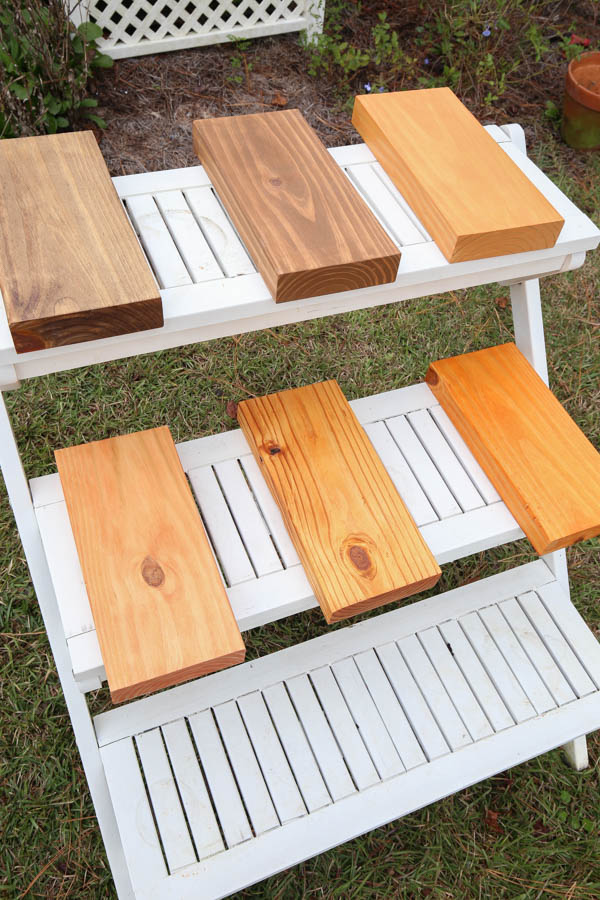
Credit: angelamariemade.com
Frequently Asked Questions
Can Deck Stain Be Used On All Outdoor Furniture Types?
Yes, deck stain works on many outdoor furniture types, especially wood. It enhances durability and appearance. However, test on a small area first to ensure compatibility and desired finish.
How Does Deck Stain Protect Outdoor Furniture?
Deck stain seals the wood, preventing moisture, UV rays, and mildew damage. It extends furniture life and maintains color, keeping outdoor pieces looking fresh and new.
Is Deck Stain Better Than Paint For Outdoor Furniture?
Deck stain penetrates wood, allowing natural grain visibility and better protection. Paint forms a surface layer that can peel. Stain is often preferred for durability and aesthetics on wood furniture.
How Often Should You Reapply Deck Stain On Furniture?
Reapply deck stain every 1-3 years, depending on weather exposure and product quality. Regular maintenance keeps furniture protected and looking vibrant longer.
Conclusion
Deck stain can work on outdoor furniture, but choose carefully. It protects wood and adds color. Not all stains suit every furniture type. Test a small area first to see results. Regular maintenance keeps furniture looking fresh. Using the right product extends its life.
Protect your investment with proper care. Simple steps make your furniture last longer. Easy to apply and maintain. Give your outdoor space a fresh look today.