
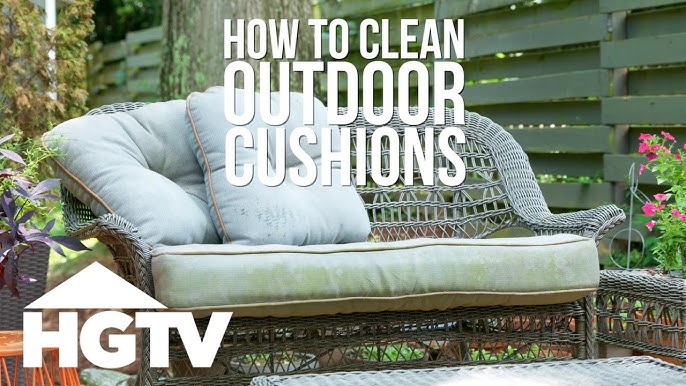
Is your outdoor furniture looking green and grimy? That green mold can be stubborn and unsightly, making your favorite backyard spot less inviting.
But don’t worry—you don’t have to replace your furniture or spend hours scrubbing. You’ll discover simple, effective ways to remove green mold and bring your outdoor furniture back to life. Keep reading, and you’ll learn easy tips that save you time and effort, so your outdoor space feels fresh and clean again.
Credit: www.youtube.com
Causes Of Green Mold On Furniture
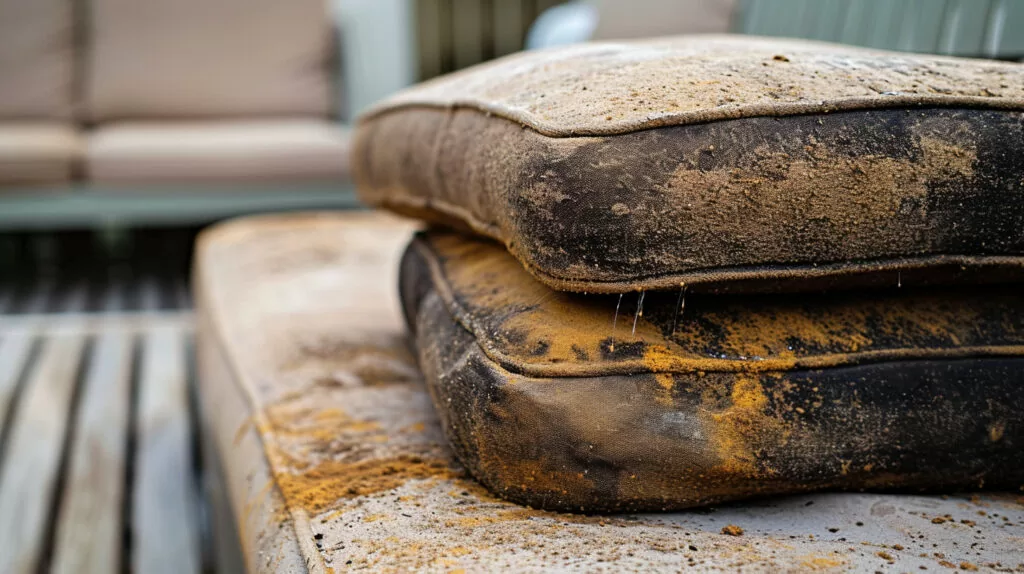
Green mold often grows on outdoor furniture. It appears as fuzzy green patches. Understanding why mold grows helps prevent and remove it effectively.
Moisture And Humidity
Mold needs moisture to grow. Outdoor furniture often stays damp after rain. High humidity in the air also keeps surfaces wet. Wet surfaces create the perfect home for mold.
Shaded Areas
Mold likes dark, shady spots. Sunlight helps dry furniture and stops mold growth. Furniture placed under trees or covered areas stays moist longer. This encourages mold to develop.
Organic Material Build-up
Leaves, dirt, and pollen collect on furniture. These materials feed mold and help it spread. Regular cleaning removes organic debris and reduces mold risk.
Safety Precautions Before Cleaning
Cleaning green mold from outdoor furniture needs care and safety. Mold spores can harm your skin and lungs. Taking safety steps helps protect your health. This section covers simple safety tips before you start cleaning.
Wear Protective Gear
Always wear gloves to keep mold off your skin. Use a mask to avoid breathing in mold spores. Wearing goggles protects your eyes from splashes. Dress in old clothes that cover your arms and legs.
Choose Well-ventilated Areas
Clean your furniture outside or in open spaces. Fresh air helps carry mold spores away. Avoid cleaning in small, closed rooms. Good airflow lowers the risk of breathing in spores.
Test Cleaning Solutions
Try cleaning solutions on a small furniture spot first. Check for any damage or color change. This test keeps your furniture safe from harsh chemicals. Use mild solutions before stronger ones.
Tools And Materials Needed
Removing green mold from outdoor furniture requires the right tools and materials. Having these ready makes the cleaning process easier and faster. Using proper items helps protect your furniture and keeps it looking fresh.
Gather everything before you start. This way, you avoid interruptions and work efficiently. Here are the key tools and materials you will need for the job.
Cleaning Agents
Choose a cleaning agent that kills mold effectively. Mild bleach solutions or white vinegar work well. These agents remove mold without damaging furniture. Avoid harsh chemicals that can harm surfaces or the environment. Use products safe for outdoor use.
Brushes And Cloths
Use stiff brushes to scrub mold off tough spots. Soft cloths help wipe away residue gently. Have multiple cloths to switch between wet and dry cleaning. Brushes with nylon bristles work best for plastic and wood. For delicate surfaces, use softer brushes to avoid scratches.
Buckets And Water Sources
Fill a bucket with water to rinse furniture after scrubbing. Clean water helps remove cleaning agents and mold particles. Use a hose or access to fresh water nearby. Buckets also help mix your cleaning solution. Keep water ready to avoid stopping during cleaning.
Credit: www.patioproductions.com
Step-by-step Mold Removal Process
Removing green mold from outdoor furniture is simple with the right steps. Follow this clear process to clean your furniture safely and effectively. Each step helps remove mold and prevents it from coming back.
Prepare The Furniture
Move your furniture to a shaded area. This prevents cleaning solutions from drying too fast. Remove cushions or fabrics and clean them separately. Wear gloves and a mask to protect yourself from mold spores.
Apply Cleaning Solution
Mix a solution of water and mild detergent or white vinegar. Use a spray bottle to apply the solution evenly on moldy spots. Let it sit for about 10 minutes. This helps to break down the mold gently.
Scrub Moldy Areas
Use a soft brush or sponge to scrub the furniture. Focus on areas with visible mold. Scrub gently to avoid damaging the surface. Repeat applying solution and scrubbing if needed.
Rinse And Dry Thoroughly
Rinse the furniture with clean water to remove all soap and mold residue. Use a hose or bucket for rinsing. Dry the furniture in the sun for several hours. Sunlight helps kill leftover mold spores and keeps furniture fresh.
Natural Vs Chemical Cleaners
Removing green mold from outdoor furniture can be done using natural or chemical cleaners. Both types have their own strengths and drawbacks. Choosing the right cleaner depends on your needs, safety, and environmental impact.
Benefits Of Natural Cleaners
Natural cleaners use ingredients like vinegar, baking soda, or lemon juice. These are safe for most surfaces and children. They do not contain harsh chemicals that can irritate skin or eyes. Natural cleaners are easy to make at home and cost less. They also help protect plants and pets around your furniture.
When To Use Chemical Cleaners
Chemical cleaners are stronger and work faster on tough mold. Use them when mold covers large areas or returns quickly. Some chemicals kill mold spores deeply to prevent regrowth. Wear gloves and masks to avoid breathing fumes. Test a small area first to avoid damage to your furniture.
Environmental Considerations
Natural cleaners break down quickly and do not harm soil or water. Chemical cleaners can pollute nearby plants and water sources. Avoid using harsh chemicals near gardens or rain drains. Dispose of chemical residues carefully to protect the environment. Choosing eco-friendly options helps keep your outdoor space safe and clean.
Preventing Future Mold Growth
Preventing mold on outdoor furniture is important to keep it clean and safe. Mold grows in damp, shaded places. Stopping moisture and dirt helps stop mold growth. Simple habits can protect your furniture for a long time.
Proper Furniture Placement
Place furniture in sunny spots to dry quickly. Avoid areas with poor air flow. Keep furniture away from walls and bushes. This reduces dampness and mold risk. Sunlight helps kill mold spores naturally.
Regular Cleaning Schedule
Clean furniture every week or two. Use mild soap and water to remove dirt. Dry furniture completely after cleaning. Regular cleaning stops mold from settling. It keeps furniture looking fresh and new.
Use Of Protective Covers
Cover furniture when not in use. Choose covers that allow air flow. Covers protect from rain and dust. Remove covers on sunny days to dry moisture. This simple step blocks mold growth effectively.
Maintenance Tips For Outdoor Furniture
Maintaining outdoor furniture is key to keeping it clean and mold-free. Regular care helps protect furniture from green mold and other damage. Simple habits can extend the life of your outdoor pieces. Follow these tips to keep your furniture looking fresh and sturdy.
Seasonal Care
Clean furniture at the start of each season. Use mild soap and water to wash off dirt. Let it dry fully before use or storage. Check for mold spots and scrub them gently. Treat wooden furniture with sealant or oil in spring. This protects against moisture and mold growth. Metal furniture benefits from a rust-resistant spray in fall. Regular cleaning reduces the risk of mold buildup.
Repairing Damages
Fix cracks, chips, or loose joints quickly. Small damages let moisture in and cause mold. Use wood filler or touch-up paint for scratches. Tighten screws and replace missing parts. Repairing prevents mold from taking hold. Keep furniture stable and strong to last longer. Prompt fixes save money and effort later.
Storage Recommendations
Store furniture in a dry, covered place during winter. Avoid damp basements or sheds that encourage mold. Use breathable covers to protect from rain and dust. Lift furniture off the ground to stop moisture contact. Proper storage cuts down mold risk and wear. Take furniture inside if possible for best care.
:strip_icc()/Clean-Outdoor-Furniture-34bc286d99604bce93f968cc0e060c68.jpg)
Credit: www.bhg.com
Frequently Asked Questions
What Causes Green Mold On Outdoor Furniture?
Green mold grows on outdoor furniture due to moisture, dirt, and shade. These conditions create an ideal environment for mold spores to thrive and spread.
How Can I Safely Remove Green Mold From Furniture?
Use a mixture of water and mild detergent or vinegar. Scrub gently with a soft brush, rinse well, and dry thoroughly to prevent mold recurrence.
Is Bleach Safe For Cleaning Green Mold On Furniture?
Bleach can remove mold but may damage some materials. Test a small area first and use diluted bleach with caution, wearing protective gloves and ensuring proper ventilation.
How Often Should I Clean Outdoor Furniture To Prevent Mold?
Clean your outdoor furniture every 2-3 months or after heavy rain. Regular maintenance reduces mold buildup and keeps furniture looking fresh and durable.
Conclusion
Cleaning green mold from outdoor furniture keeps it safe and nice. Use gentle scrubbing and natural cleaners for best results. Let the furniture dry fully in the sun to stop mold growth. Regular checks and cleaning prevent mold from coming back.
Enjoy your clean outdoor space without worry. Simple care makes your furniture last longer and look great. Keep these steps in mind for easy mold removal next time. Your outdoor area will stay fresh and inviting all year.


