
Are you wondering if your unfinished wood furniture can survive the outdoors? You might have a beautiful piece sitting inside, and the idea of placing it outside sounds great—but is it even possible to protect it from rain, sun, and wear?
The good news is yes, you can finish unfinished wood furniture for outdoor use, and it’s easier than you think. Stick with me, and I’ll show you how to transform your wood, so it stays strong and stunning no matter the weather.
Ready to give your furniture a new life? Let’s dive in!
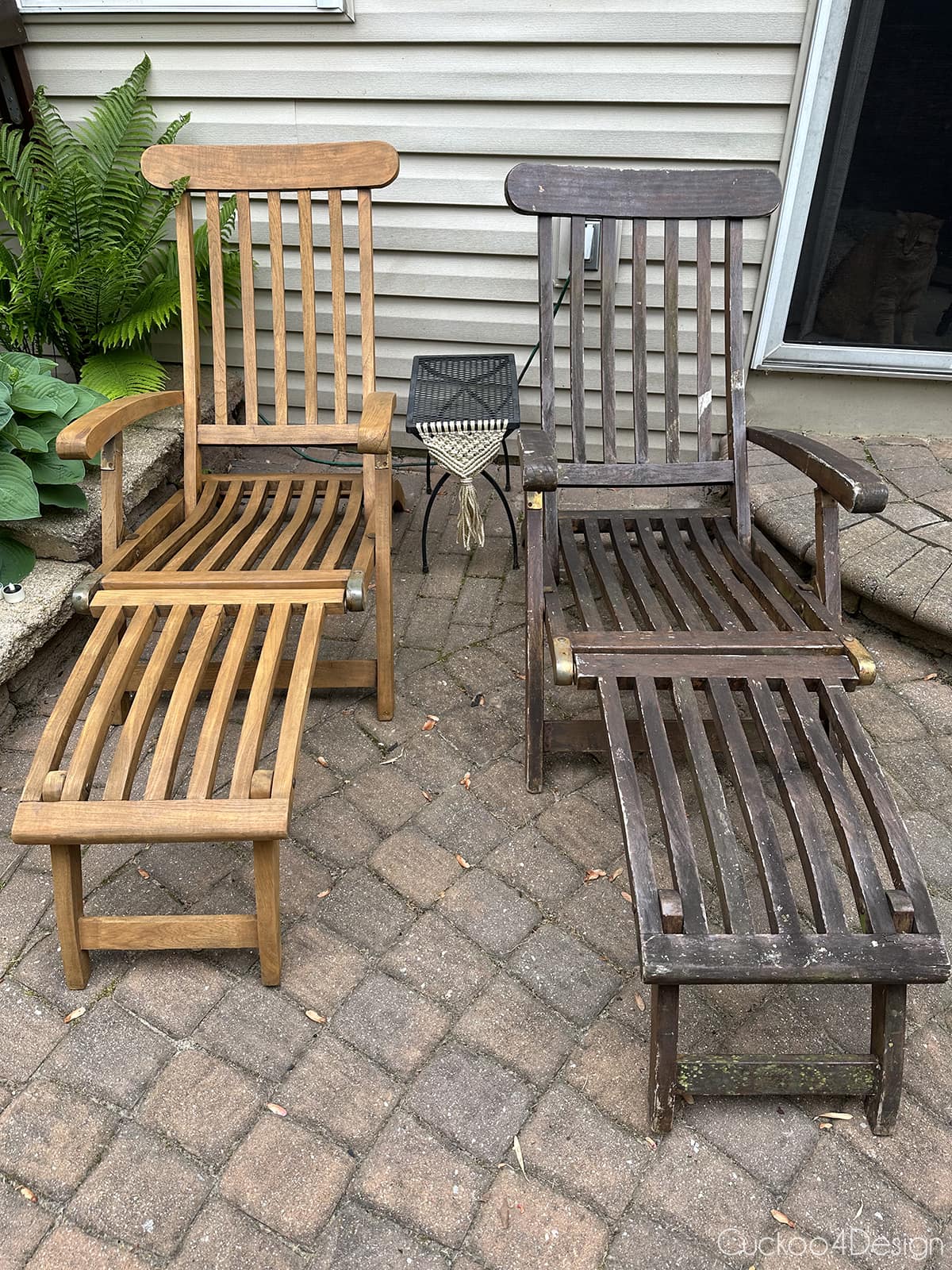
Credit: cuckoo4design.com
Choosing The Right Wood
Choosing the right wood is the first step to finishing your furniture for outdoor use. Not all wood types handle weather the same. Some woods last longer and resist damage better. Understanding wood qualities helps protect your furniture outside.
Durability Of Wood Types
Hardwoods like teak and cedar are very durable outdoors. They withstand sun, rain, and wind well. Softwoods like pine need more protection. Some woods rot faster if exposed to moisture. Pick wood that lasts long under tough weather.
Wood Resistance To Moisture
Wood that resists moisture prevents warping and swelling. Teak contains natural oils that repel water. Cedar also resists moisture and insects. Woods with poor moisture resistance absorb water quickly. This leads to cracks and decay over time.
Impact Of Wood Grain On Finishing
Wood grain affects how finishes stick and look. Tight grain woods absorb finish evenly. Open grain woods need more layers for smoothness. Grain direction changes how water moves on the surface. Proper sanding reveals grain and helps seal the wood well.
Preparing Unfinished Wood
Preparing unfinished wood is the first step to make it suitable for outdoor use. The wood needs careful cleaning and smoothing. This helps protect the furniture from weather damage. Proper preparation also improves how well finishes stick to the wood. Taking time here means your outdoor furniture will last longer and look better.
Cleaning And Sanding Techniques
Start by wiping the wood with a dry cloth. This removes dust and loose dirt. Next, use fine sandpaper to smooth rough spots. Sand in the direction of the grain. This prevents scratches and helps finish adhere better. Clean the surface again after sanding to remove all dust.
Removing Existing Residue
Old paint or stain can block new finishes. Use a gentle wood cleaner or mineral spirits to remove residue. Apply with a soft cloth and rub lightly. Avoid harsh chemicals that may damage the wood. Allow the wood to dry completely before moving on.
Checking For Damage Or Imperfections
Look closely for cracks, holes, or soft spots. These can weaken the furniture outside. Fill small holes with wood filler and sand smooth. Replace or repair damaged parts if possible. Ensuring the wood is strong keeps your furniture safe and sturdy outdoors.
Selecting Outdoor Finishes
Selecting the right finish for outdoor wood furniture is key to its durability. Outdoor finishes protect wood from sun, rain, and insects. They help maintain the furniture’s look and strength. Choosing the right finish depends on the wood type and the weather it faces. Here is a simple guide to different finishes and their benefits.
Types Of Protective Coatings
Protective coatings come in many forms. Clear sealants create a waterproof layer. Stains add color and shield wood from UV rays. Paint offers full coverage and hides wood grain. Each coating type works differently to protect wood. Choose one based on your style and protection needs.
Benefits Of Sealants And Stains
Sealants prevent water from entering wood. This stops warping and cracking. Stains soak into wood and block harmful sun rays. They keep the wood’s natural look alive. Both sealants and stains enhance wood’s lifespan outdoors. They require reapplication every few years for best results.
Oil Vs. Varnish For Outdoor Use
Oils soak deep into wood and nourish it. They give a soft, natural finish but need frequent touch-ups. Varnishes sit on top, forming a hard shell. This shell protects better against scratches and water. Oils are easy to apply but less durable. Varnishes last longer but can crack over time.
Application Tips For Longevity
Applying finish to unfinished wood furniture for outdoor use requires care. Proper application helps protect the wood from weather damage. It also extends the life of your furniture. Follow these tips to ensure a smooth, long-lasting finish.
Proper Environment For Finishing
Choose a dry and dust-free place for finishing. Avoid humid or windy areas. These conditions affect how the finish dries and sticks. Work in a shaded spot to prevent the finish from drying too fast. Temperature between 60°F and 80°F is best for application.
Number Of Coats And Drying Times
Apply at least two to three coats for outdoor use. Thin coats work better than thick ones. Allow each coat to dry fully before adding the next. Drying times vary by product, but usually take 4 to 6 hours. Follow the manufacturer’s instructions closely for best results.
Maintaining Even Coverage
Use a brush or sprayer to keep coverage smooth and even. Avoid pooling or drips on the wood surface. Work along the grain to help the finish absorb well. Check for missed spots and reapply if needed. Proper coverage prevents water and sun damage.
Maintenance For Outdoor Wood Furniture
Outdoor wood furniture needs care to stay strong and beautiful. Proper maintenance helps protect the wood from sun, rain, and dirt. It also keeps the finish fresh and prevents damage over time. Regular attention makes your furniture last longer and look great.
Regular Cleaning And Inspection
Clean outdoor wood furniture often to remove dirt and grime. Use a soft brush or cloth with mild soap and water. Rinse well and let it dry completely. Check for cracks, splinters, or areas where the finish is wearing thin. Early inspection helps catch problems before they grow.
Reapplying Finish Over Time
Wood finishes fade after exposure to sun and rain. Reapply finish every year or as needed. Lightly sand the surface before applying a new coat. Use a finish designed for outdoor use, like varnish or sealant. This step protects the wood and keeps it looking fresh.
Preventing Weather Damage
Place furniture in shaded areas or use covers when not in use. Avoid letting water sit on the wood for long periods. Move furniture indoors during harsh weather if possible. These actions reduce damage from moisture and sun exposure. Proper care prevents warping, cracking, and fading.
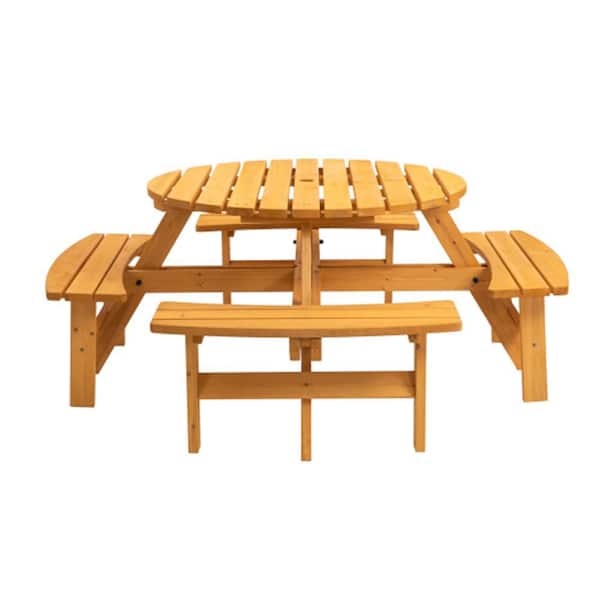
Credit: www.homedepot.com
Common Mistakes To Avoid
Finishing unfinished wood furniture for outdoor use requires care. Many people make simple mistakes that reduce the furniture’s life. Avoiding these errors helps protect wood from weather damage and keeps it looking good longer. Understanding common pitfalls is key to successful outdoor finishing.
Skipping Surface Preparation
Surface preparation is the first step. Skipping it leads to poor finish adhesion. Dirt, dust, and old stains block the finish from sticking well. Sand the wood smoothly to open its pores. Clean the surface thoroughly before applying any finish.
Using Indoor Finishes Outdoors
Indoor finishes are not made for weather exposure. Using them outside causes peeling and cracking quickly. Outdoor finishes contain special ingredients to resist moisture and UV rays. Always choose a finish labeled for outdoor use to protect your furniture.
Ignoring Manufacturer Instructions
Each finish has specific instructions for best results. Ignoring these can cause weak protection. Follow drying times, number of coats, and application methods carefully. This ensures a durable and even finish that lasts through the seasons.

Credit: www.worldmarket.com
Frequently Asked Questions
Can Unfinished Wood Furniture Be Sealed For Outdoor Use?
Yes, unfinished wood furniture can be sealed for outdoor use. Proper sanding and cleaning are essential first steps. Then, apply a high-quality outdoor wood sealer or varnish to protect against moisture and UV damage. This process extends the furniture’s life and maintains its appearance outdoors.
What Is The Best Finish For Outdoor Wood Furniture?
The best finish for outdoor wood furniture is a marine-grade varnish or exterior polyurethane. These finishes resist water, UV rays, and temperature changes. They provide durable protection while enhancing the wood’s natural beauty. Reapplication every few years ensures long-lasting outdoor performance.
How Do I Prepare Unfinished Wood For Outdoor Finishing?
To prepare unfinished wood for outdoor finishing, start by sanding the surface smooth. Remove all dust and debris using a tack cloth. Ensure the wood is dry before applying primer or sealer. Proper preparation improves adhesion and extends the finish’s durability outdoors.
Can I Use Indoor Wood Finishes Outdoors?
Indoor wood finishes are not suitable for outdoor use. They lack UV protection and water resistance. Using them outdoors can lead to peeling, cracking, and wood damage. Always choose finishes specifically designed for exterior wood furniture to ensure lasting protection.
Conclusion
Unfinished wood furniture can become suitable for outdoor use. Applying the right finish protects wood from moisture and sun damage. Choose sealants or paints made for outdoor conditions. Regular maintenance keeps the furniture looking good longer. This process saves money and lets you enjoy custom pieces outside.
Treating wood properly prevents warping and decay. With care, unfinished wood can thrive outdoors. Simple steps make a big difference in durability. Try finishing your wood furniture for a fresh outdoor look.


