Is your mesh outdoor furniture looking dull and spotted with mildew? You’re not alone.
Mildew loves to settle on outdoor fabrics, making your favorite seating uncomfortable and unsightly. But don’t worry—removing mildew is easier than you think. You’ll discover simple, effective ways to restore your mesh furniture to its clean, fresh state. Keep reading, and you’ll learn how to protect your outdoor space from mildew so you can enjoy it all year round.
Identify Mildew On Mesh Furniture
Identifying mildew on mesh outdoor furniture is the first step to keeping it clean and safe. Mildew is a type of fungus that grows in damp, shady places. It can damage your furniture and cause health problems. Spotting mildew early helps prevent it from spreading and makes cleaning easier.
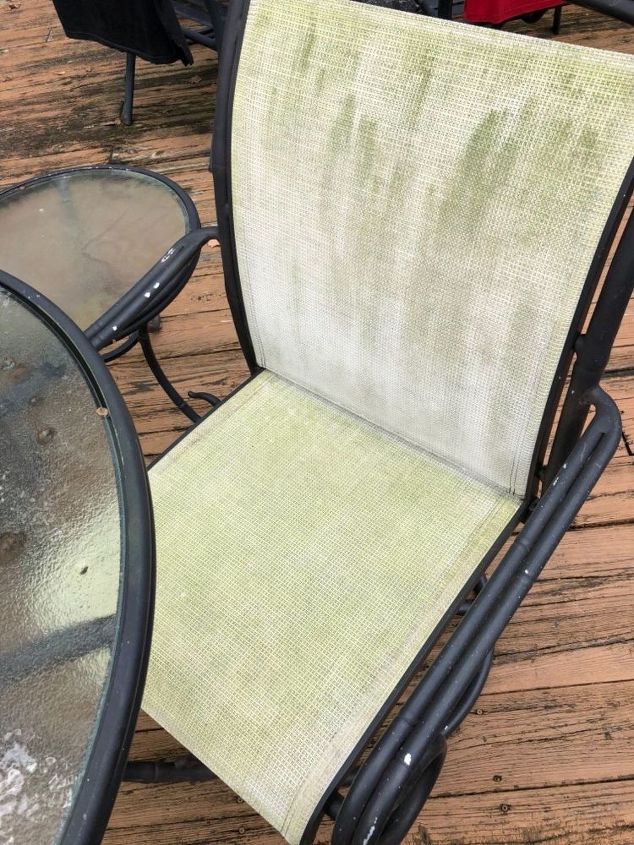
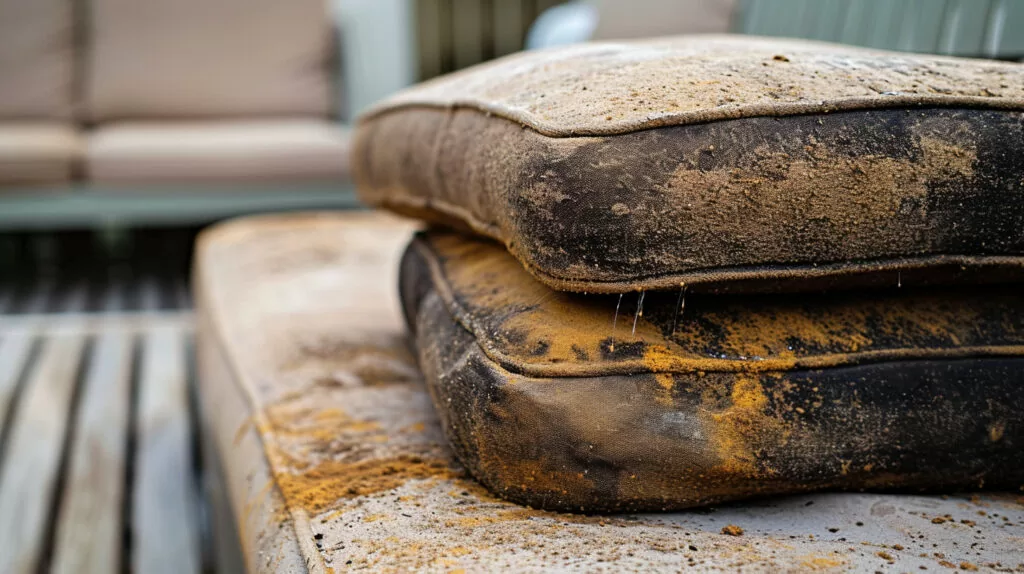
Mildew looks like a fuzzy or powdery patch. It usually appears in white, gray, or green colors. The mesh fabric’s texture can hide mildew, so check carefully. Areas that stay wet or shaded for a long time are common spots.
Look For Discolored Patches
Mildew causes spots that are lighter or darker than the fabric. These patches may be white, gray, green, or even black. Check every inch of the mesh, especially corners and folds. Discoloration is often the first sign of mildew.
Check For A Musty Smell
Mildew has a distinct, damp odor. Smell your furniture closely near the mesh. A strong, earthy scent means mildew might be present. This smell often stays even if the mildew is not visible yet.
Feel For Texture Changes
Mildew can make the mesh feel rough or slimy. Run your fingers over the fabric gently. Smooth mesh usually means no mildew. A fuzzy or sticky surface is a warning sign.
Inspect Hidden And Shaded Areas
Mildew loves dark, damp spots. Look under cushions and in folds of the mesh. Check places shielded from sunlight and air. These areas often hide mildew growth.
Credit: www.hometalk.com
Gather Essential Cleaning Supplies
Gathering the right cleaning supplies is the first step to remove mildew from mesh outdoor furniture. Using proper tools makes the job easier and helps protect your furniture.
Prepare everything before you start cleaning. This saves time and avoids frustration.
Cleaning Solution
Choose a gentle cleaning solution safe for mesh fabric. A mix of water and mild detergent works well. Avoid harsh chemicals that can damage the mesh.
Soft Brush Or Sponge
Use a soft brush or sponge to scrub the mildew gently. Hard brushes can tear the mesh fabric. A sponge soaks up the cleaning solution and removes dirt.
Protective Gloves
Wear gloves to protect your hands from cleaning agents. Gloves also keep your skin safe from mold spores. Choose waterproof gloves for better protection.
Bucket Of Warm Water
Fill a bucket with warm water to rinse the furniture. Warm water helps remove mildew and soap residue effectively. Keep extra water nearby for rinsing.
Clean Cloth Or Towel
Use a clean cloth or towel to dry the furniture after washing. Drying stops mildew from returning. Make sure the mesh is completely dry before use.
Prepare A Cleaning Solution
Preparing the right cleaning solution is the first step to remove mildew from mesh outdoor furniture. A good solution will break down the mildew and make cleaning easier. It should be safe for the fabric and effective against mold and mildew.
Using common household ingredients helps create a strong cleaning mix. These ingredients are easy to find and gentle on your furniture. Preparing the solution correctly ensures the best results without damage.
Choose Mild Detergent Or Soap
Select a gentle detergent or dish soap. Avoid harsh chemicals that can harm the mesh. Mix a few drops of soap with warm water. This simple mix helps remove dirt and mildew spores.
Use White Vinegar For Natural Cleaning
White vinegar kills mildew naturally. Mix equal parts of white vinegar and water. Vinegar cleans well without leaving harmful residues. It also helps prevent mildew from coming back.
Add Baking Soda For Extra Power
Baking soda boosts cleaning strength. Add a small amount to the soap or vinegar mix. It helps scrub away mildew and removes odors. Baking soda is safe and easy to use.
Prepare The Solution In A Spray Bottle
Pour the cleaning mix into a spray bottle. This makes application easy and even. Spray the solution directly on mildew spots. Let it sit for 10 to 15 minutes before scrubbing.
Credit: www.patioproductions.com
Clean Mildew From Mesh Fabric
Mildew on mesh outdoor furniture can ruin its look and feel. Cleaning it carefully protects the fabric and keeps your furniture fresh. Treat the fabric gently to avoid damage. Use the right tools and cleaning solutions for best results.
Start by removing loose dirt and dust. Then focus on the mildew spots with soft scrubbing and a mild cleaner. This helps remove the mold without harming the mesh.
Use Soft Brushes For Gentle Scrubbing
Select a soft brush to clean the mesh fabric. Hard brushes can tear or weaken the material. Use gentle, circular motions to lift mildew from the surface. Do not scrub too hard. This method loosens dirt and mildew safely.
Apply Cleaning Solution Carefully
Choose a mild cleaning solution made for outdoor fabrics. Avoid harsh chemicals that can damage the mesh. Apply the cleaner with a spray bottle or soft cloth. Focus on mildew spots and let it sit for a few minutes. Then, rinse with clean water to remove residue. Repeat if necessary to clear tough stains.
Rinse And Dry Furniture Properly
Rinsing and drying mesh outdoor furniture is a key step to remove mildew. Proper rinsing washes away dirt and cleaning solutions. Drying stops mildew from growing back. Both steps keep your furniture looking fresh and clean longer.
Rinse Off All Cleaning Residue
Use a garden hose to rinse the furniture well. Spray every corner to remove soap and mildew particles. Avoid using high-pressure settings that can damage the mesh. A gentle rinse is enough to clear off dirt and cleaner.
Shake Off Excess Water
After rinsing, shake the furniture gently. This helps remove water trapped in the mesh. Removing extra water speeds up drying. It also reduces spots where mildew can grow again.
Dry Furniture In The Sun
Place the furniture under direct sunlight. Sunlight helps kill mildew spores naturally. Let the furniture dry completely before use or storage. Avoid putting it away while still damp.
Use Towels For Faster Drying
Pat the mesh surfaces with absorbent towels. This step soaks up water from hard-to-reach areas. Towels help prevent moisture buildup. Dry furniture stays mildew-free for longer periods.
Prevent Mildew Growth
Mildew can damage mesh outdoor furniture over time. Preventing mildew growth keeps your furniture clean and lasting longer. It needs care and smart habits. Simple steps stop mildew before it starts. Follow easy tips to protect your outdoor pieces year-round.
Store Furniture Correctly
Store mesh furniture in a dry place. Avoid damp basements or areas with poor airflow. Keep furniture off the ground to stop moisture buildup. Use shelves or pallets for better air circulation. Proper storage lowers mildew risks and preserves fabric quality.
Use Protective Covers
Cover furniture with breathable outdoor covers. Waterproof covers block rain and humidity. Choose covers that allow air to pass through. This stops moisture from staying trapped inside. Protective covers shield furniture from dirt and mildew growth.
Maintain Regular Cleaning
Clean mesh furniture often to prevent mildew. Use mild soap and water for gentle cleaning. Rinse thoroughly and dry completely before storing. Regular cleaning removes dirt and moisture that mildew needs. Keep your furniture fresh and mildew-free with routine care.
Use Natural Remedies For Mildew
Natural remedies offer a safe way to remove mildew from mesh outdoor furniture. These methods use common household items. They avoid harsh chemicals that can damage the fabric or harm the environment.
Natural solutions clean mildew effectively. They also help prevent future growth. Using natural ingredients is gentle on your furniture and safe for your family and pets.
Vinegar Solution
White vinegar kills mildew spores quickly. Mix equal parts vinegar and water in a spray bottle. Spray the solution on the affected areas. Let it sit for about 30 minutes. Then scrub gently with a soft brush. Rinse with clean water and dry the furniture completely.
Baking Soda Paste
Baking soda removes mildew and deodorizes. Mix baking soda with a small amount of water to form a paste. Apply the paste to the mildew spots. Let it sit for 15 minutes. Scrub with a brush and rinse thoroughly. Dry the furniture in sunlight to stop mildew from returning.
Lemon Juice Treatment
Lemon juice has natural bleaching and antibacterial properties. Squeeze fresh lemon juice onto mildew areas. Let it sit for 10 to 15 minutes. Use a brush to scrub the mesh gently. Rinse with water and allow the furniture to dry fully in the sun.

Credit: www.chairup.com
When To Seek Professional Help
Persistent mildew that won’t come off with regular cleaning may need expert care. Strong odors or fabric damage also signal it’s time to get professional help. Professionals can safely remove tough mildew and protect your mesh furniture.
Signs That Mildew Is Deeply Embedded
Surface cleaning may not fix deep mildew problems. If stains stay after several cleanings, the mildew could be inside the mesh fibers. This makes removal very hard with home methods. Persistent mildew can cause fabric damage and health issues.
Damage To The Mesh Material
Look for tears, discoloration, or fabric weakening. Mildew can eat away at mesh fabric. When you see holes or frayed edges, cleaning alone won’t help. Experts can assess the damage and suggest repair or replacement.
Health Concerns And Allergies
Mildew spores can cause breathing problems and allergies. If anyone in your home has asthma or sensitive skin, avoid handling mold yourself. Professionals use safe methods that reduce health risks during removal.
Failed Diy Cleaning Attempts
Several cleaning tries without success? This may mean the mildew is too stubborn. Professional cleaners have stronger tools and solutions. They can restore your furniture safely and thoroughly.
Preserving Furniture Value
Mesh outdoor furniture can be costly. Incorrect cleaning might ruin the fabric or frame. Experts know the right techniques to protect your investment. They help keep your furniture looking new longer.
Frequently Asked Questions
How To Clean Mildew From Mesh Outdoor Furniture?
Use a mixture of mild detergent and water to scrub the mesh gently. Rinse thoroughly and let it dry in the sun to prevent mildew growth.
What Household Items Remove Mildew From Mesh Furniture?
White vinegar and baking soda are effective. Apply vinegar, let it sit, then scrub with baking soda paste. Rinse and dry well.
Can Mildew Damage Mesh Outdoor Furniture?
Yes, mildew can weaken the mesh fabric over time. It causes discoloration and may lead to permanent stains if untreated.
How Often Should I Clean Mesh Outdoor Furniture?
Clean your mesh furniture at least once a month during damp seasons. Regular cleaning prevents mildew buildup and extends furniture life.
Conclusion
Cleaning mildew from mesh outdoor furniture is simple with the right steps. Use gentle cleaners and soft brushes to protect the mesh. Always dry the furniture well to stop mildew from coming back. Regular cleaning keeps your furniture fresh and safe to use.
Taking care of your outdoor furniture extends its life. Enjoy your clean, mildew-free furniture all season long. Small efforts make a big difference. Keep your outdoor space healthy and inviting.