If you have outdoor wrought iron furniture, you know how important it is to keep it looking great. Over time, rust, old paint, and dirt can build up, making your pieces look worn and tired.
Sandblasting is a powerful way to restore your furniture to its original beauty. But how do you sandblast outdoor wrought iron furniture properly? You’ll learn simple, step-by-step tips to help you clean and prepare your iron pieces safely and effectively.
Stick with me, and you’ll be able to bring new life to your outdoor space with confidence.
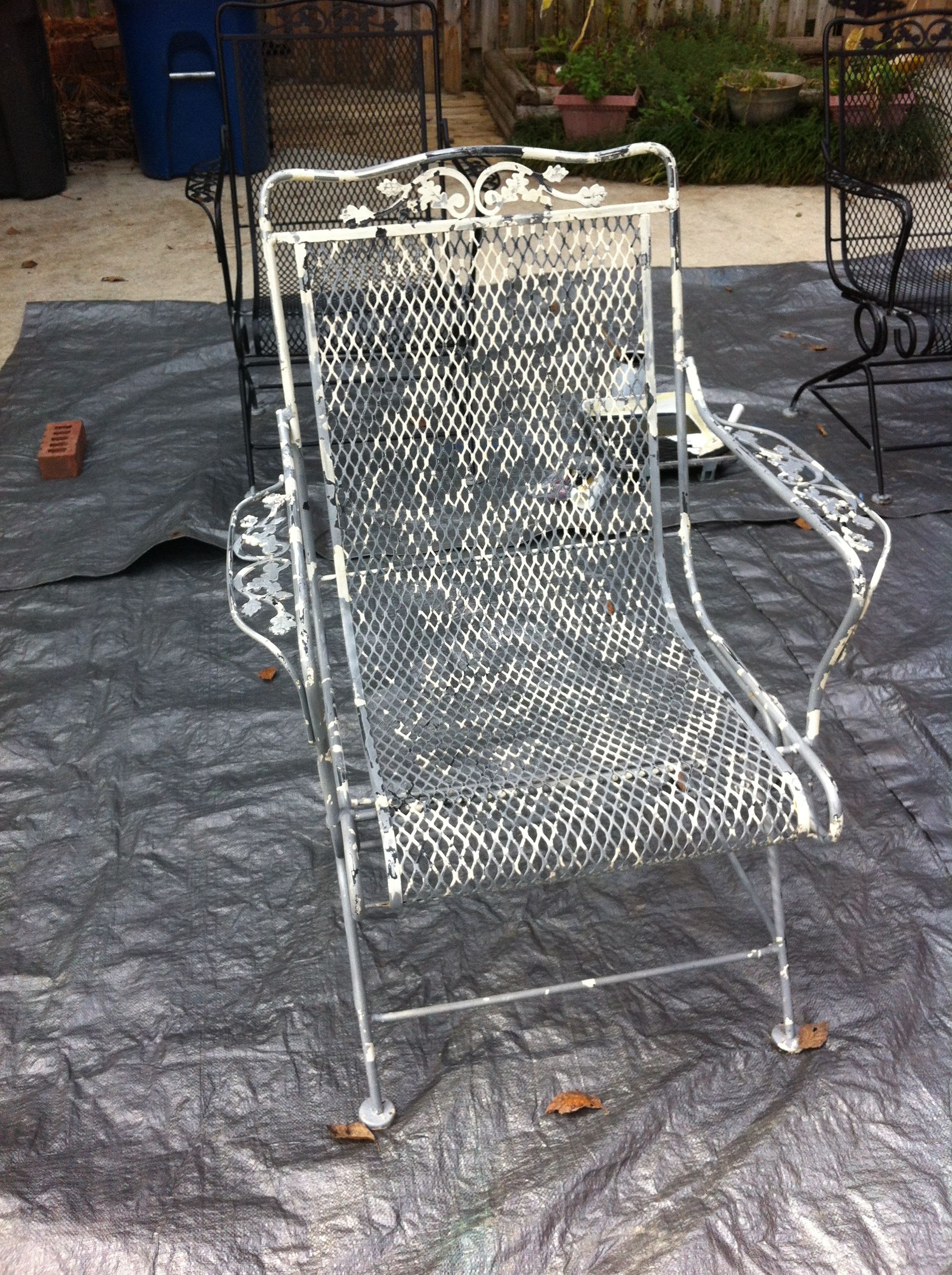
Credit: dengarden.com
Preparing Your Workspace
Preparing your workspace is the first step in sanding blast outdoor wrought iron furniture. A clean, organized area makes the job easier and safer. It also helps you work faster and avoid mistakes. Before starting, take time to set up the right environment. This ensures better results and protects your health.
Choosing The Right Location
Pick a spot with plenty of fresh air. Outdoor areas or large garages work well. Avoid places with strong wind that can blow dust around. A flat surface helps keep your furniture steady. Make sure the area is free from clutter and water sources. This reduces the risk of accidents and damage.
Safety Precautions
Wear protective gear like gloves, goggles, and a dust mask. Sandblasting creates fine dust that can harm your lungs and eyes. Keep pets and children away from the workspace. Use a tarp or drop cloth to catch debris. This makes cleanup easier and keeps the environment clean. Always have a first aid kit nearby, just in case.
Gathering Necessary Tools
Prepare all tools before starting the job. You will need a sandblaster, air compressor, and abrasive material like sand or glass beads. Have brushes and cloths ready for cleaning the furniture. Keep a bucket of water nearby to rinse off dust. Organizing tools helps you work without interruption and saves time.
Selecting The Sandblasting Equipment
Selecting the right sandblasting equipment is key to restoring outdoor wrought iron furniture. The correct tools make the job easier and protect the metal. Knowing the types of sandblasters, the best abrasive to use, and the air compressor needs helps ensure good results.
Types Of Sandblasters
There are several types of sandblasters available. The most common are siphon, pressure, and gravity-fed sandblasters. Siphon sandblasters work by drawing the abrasive into the airflow. Pressure sandblasters push the abrasive with more force, making them faster. Gravity-fed sandblasters use gravity to drop abrasive into the air stream. For outdoor wrought iron, pressure sandblasters offer the best cleaning power.
Choosing The Appropriate Abrasive
The abrasive material affects the finish and safety of your furniture. Common abrasives include glass beads, aluminum oxide, and silica sand. Glass beads create a smooth finish and are gentle on metal. Aluminum oxide is tougher and removes rust quickly. Silica sand is effective but can cause health issues if inhaled. For wrought iron, glass beads or aluminum oxide are safer and effective choices.
Air Compressor Requirements
Sandblasting needs a strong and steady air supply. The air compressor must deliver enough pressure and volume. Usually, a compressor with at least 6 CFM (cubic feet per minute) at 90 PSI works well. Larger projects may need more power. Check your sandblaster’s manual for exact compressor needs. Using the right compressor prevents uneven blasting and keeps the process smooth.
Preparing Wrought Iron Furniture
Preparing wrought iron furniture is an important step before sandblasting. Proper preparation ensures better results and protects the furniture from damage. This process involves cleaning, removing old paint, and protecting delicate parts.
Cleaning Surface Dirt And Rust
Start by removing dirt and rust from the furniture’s surface. Use a wire brush or a cloth to scrub off loose dirt. For rust, apply a rust remover or use sandpaper to clear it. Clean surfaces help sandblasting work more effectively.
Removing Old Paint
Old paint can block the sandblasting process. Use a paint stripper or a heat gun to soften the paint. Then, scrape it off carefully. Removing paint exposes the bare metal, allowing for a smooth finish.
Protecting Delicate Areas
Cover parts that need protection, like glass or wooden inserts. Use painter’s tape or plastic sheets to shield these areas. Protecting delicate parts prevents accidental damage during sandblasting.

Credit: www.prestigewroughtiron.com.au
Sandblasting Techniques
Sandblasting is a popular method to clean and restore outdoor wrought iron furniture. It removes rust, old paint, and dirt quickly. Using the right sandblasting techniques helps protect the metal and gives a smooth finish. Focus on the distance, angle, and pressure to get the best results.
Proper Blasting Distance And Angle
Keep the nozzle about 6 to 12 inches from the metal surface. This distance cleans well without causing damage. Hold the nozzle at a 45-degree angle. This angle helps remove rust and paint evenly. Moving the nozzle too close or far can harm the metal or leave spots.
Controlling Pressure Settings
Adjust the pressure based on the metal’s condition. Use low pressure for thin or delicate areas. Higher pressure works better on thick rust or heavy paint. Too much pressure can bend or pit the iron. Start low and increase slowly to find the right balance.
Avoiding Damage To Metal
Wear protective gear to avoid injury from flying particles. Test blast on a small hidden area first. Watch for any signs of metal wear or rough spots. Keep the nozzle moving constantly to prevent over-blasting one area. Gentle and steady work extends the life of your furniture.
Post-sandblasting Care
After sandblasting your outdoor wrought iron furniture, proper care is crucial. This step protects the metal and keeps it looking great longer. Post-sandblasting care involves cleaning, inspecting, and fixing any damage found. Follow these simple steps to ensure your furniture stays strong and beautiful.
Cleaning Residue
Sandblasting leaves fine dust and grit on the surface. Use a soft brush or cloth to remove this residue. Washing the furniture with water helps clear away leftover particles. Let the metal dry completely to prevent rust from forming. Clean surfaces prepare the metal for painting or sealing.
Inspecting Surface
Carefully check the metal for any flaws or rough spots. Look for signs of rust, cracks, or weak areas. Sandblasting might expose old damage that was hidden under paint. Smooth out rough patches with fine sandpaper. A smooth surface ensures better paint adhesion and a neat finish.
Repairing Any Damage
Fix any cracks or holes before applying paint or sealant. Use metal filler or epoxy to fill small gaps. For larger damage, consider welding or professional repair. Let repairs dry and cure fully to ensure strength. Proper repair stops rust and extends the life of your furniture.
Finishing And Protecting
After sanding blasting your outdoor wrought iron furniture, finishing and protecting it is key. This step keeps the metal safe from rust and damage. Proper finishing also improves the look and extends the furniture’s life.
Priming The Metal
Start by applying a metal primer. The primer stops rust and helps paint stick better. Use a rust-inhibiting primer made for metal surfaces. Apply it evenly and let it dry fully before painting.
Choosing The Right Paint
Select paint made for outdoor metal. Look for oil-based or enamel paints. They resist weather and wear well. Choose a color that fits your style and outdoor space. Apply two thin coats for best coverage and protection.
Applying Protective Coatings
Protective coatings add an extra shield against moisture and sun. Use clear sealants or topcoats designed for metal. Apply after the paint dries. This layer helps keep the finish strong and bright for years.
Maintaining Sandblasted Furniture
Maintaining sandblasted wrought iron furniture keeps it looking fresh and strong. Sandblasting removes old paint and rust, but care is needed to protect the metal. Regular upkeep helps prevent damage and extends furniture life. Follow simple steps to keep your pieces in top shape.
Regular Cleaning Tips
Dust and dirt can build up on wrought iron. Use a soft brush or cloth for cleaning. Mild soap and water work well for dirt removal. Avoid harsh chemicals that can damage the surface. Dry the furniture completely to stop moisture buildup.
Preventing Rust
Rust can form quickly on iron if left unprotected. Apply a rust-resistant primer or paint after sandblasting. Check furniture often for scratches or chips. Touch up any damaged areas to block rust. Use a clear sealant for extra protection against moisture.
Seasonal Care Advice
Outdoor furniture faces different weather each season. Cover your wrought iron pieces during heavy rain or snow. Move lightweight items indoors during winter if possible. Clean and inspect furniture before and after each season. This prevents long-term damage and keeps furniture ready to use.
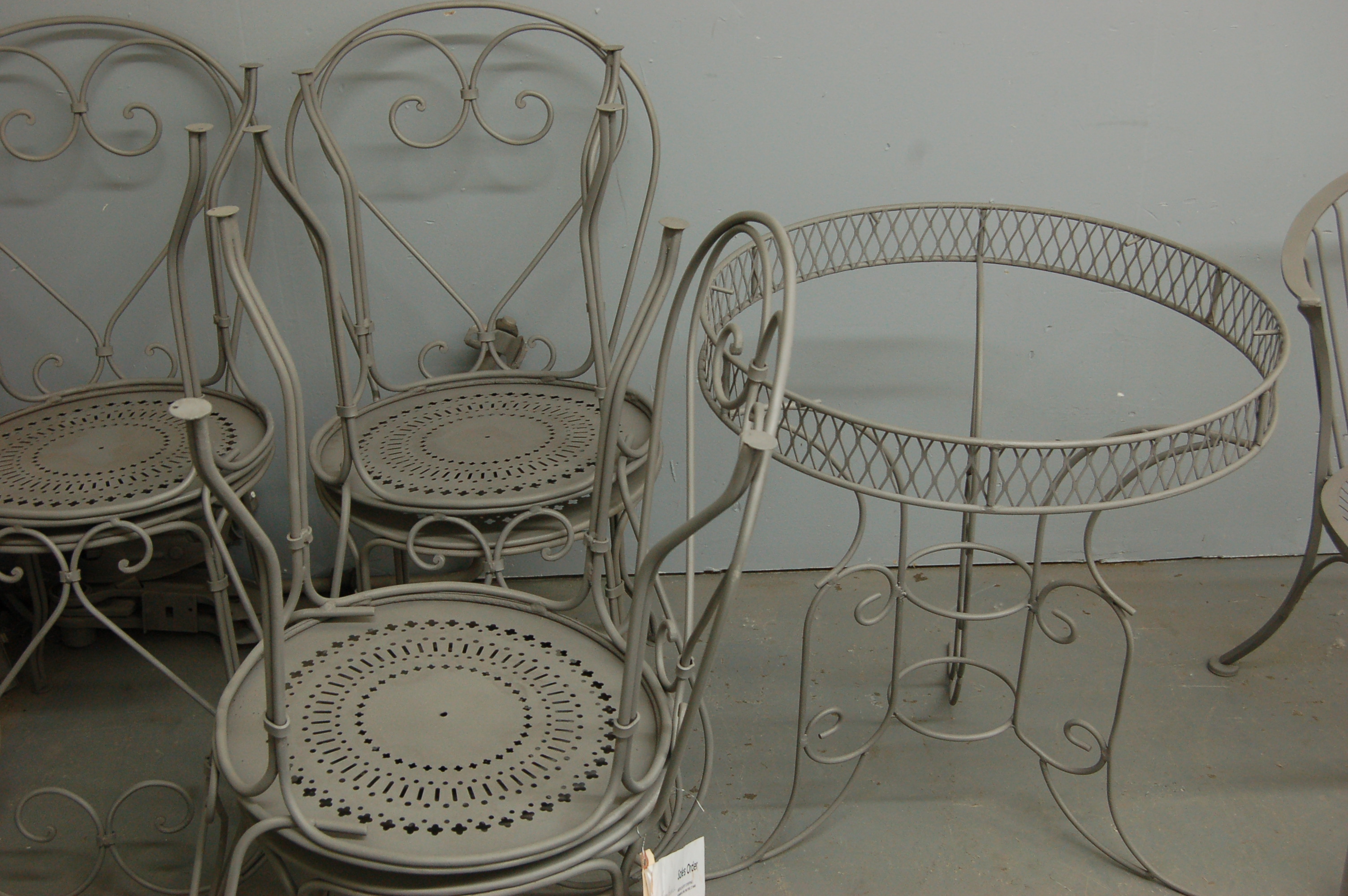
Credit: www.americandrystripping.com
Frequently Asked Questions
What Is The Best Sandblasting Method For Wrought Iron Furniture?
The best method is using a fine abrasive like glass beads or walnut shells. These prevent damage while effectively removing rust and old paint.
How Do I Prepare Wrought Iron For Sandblasting?
Clean the furniture by removing dirt and grease. Cover delicate areas and ensure a well-ventilated workspace before sandblasting.
Can Sandblasting Damage Outdoor Wrought Iron Furniture?
If done correctly, sandblasting won’t damage wrought iron. Use gentle abrasives and avoid high pressure to preserve the metal’s integrity.
How Long Does Sandblasting Take For Wrought Iron Furniture?
Sandblasting usually takes 30 to 60 minutes depending on furniture size and rust severity. Proper preparation can reduce the time significantly.
Conclusion
Sanding blast keeps wrought iron furniture strong and clean. It removes rust and old paint well. Use the right tools and safety gear. Work in a dry, open space for best results. Take your time to avoid damage. After sanding, apply a good paint or sealant.
This protects your furniture from weather. Regular care helps it last many years. Now, your outdoor iron looks fresh and ready. Simple steps make big differences in furniture care.