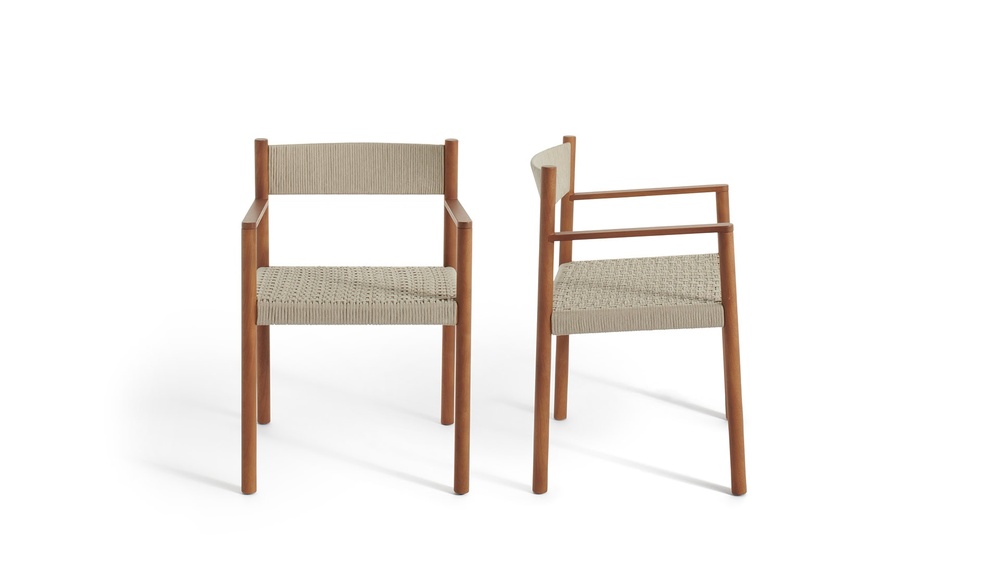
Are ants turning your outdoor furniture into their new home? It’s frustrating to sit down and find tiny insects crawling all over your chairs and tables.
You want to enjoy your outdoor space without worrying about these unwanted guests. The good news is, you don’t have to live with ants invading your relaxation time. You’ll discover simple and effective ways to keep ants off your outdoor furniture, so you can enjoy a clean, comfortable space all season long.
Keep reading—your outdoor oasis is just a few easy steps away.
Common Ant Types Around Outdoor Furniture
Ants are common visitors around outdoor furniture. They often come in search of food or shelter. Knowing the types of ants near your furniture helps in controlling them. Different ants behave differently and need different approaches.
Understanding the common ant types can save your outdoor space from damage. It also helps prevent ants from becoming a nuisance during your outdoor time.
Identifying Local Ant Species
Local ant species vary depending on your region. Some common types include pavement ants, carpenter ants, and odorous house ants. Pavement ants are small and dark. Carpenter ants are larger and can damage wood. Odorous house ants give off a strong smell when crushed.
Look for color, size, and trail patterns. These clues help identify the ant species. Identification is the first step in choosing the right control method.
Behavior Patterns Near Furniture
Ants near furniture usually follow food crumbs or sugary drinks. They build nests under or near furniture legs. Carpenter ants may tunnel into wooden furniture, causing damage. Pavement ants prefer cracks in concrete or pavement close to furniture.
Ants often form long trails to and from food sources. These trails guide other ants to your outdoor space. Knowing their behavior helps to block their paths effectively.
Why Ants Are Attracted To Outdoor Furniture
Ants often visit outdoor furniture for several reasons. Understanding why they come helps keep them away. Ants look for food, water, and safe places to live. Outdoor furniture can meet all these needs. Knowing their attractions makes it easier to protect your space.
Food Residue And Crumbs
Ants are drawn to leftover food on outdoor furniture. Crumbs from snacks or spills can attract them quickly. Even small bits of sugar or grease invite ants to gather. Cleaning furniture after meals reduces these food signals. Without food, ants lose interest and move on.
Moisture And Shelter
Outdoor furniture can hold moisture from rain or dew. Ants need water to survive and often find it here. Wet cushions or damp wood provide perfect spots for ants to hide. Furniture covers and pillows create warm, dark shelters. These conditions make furniture a cozy ant home.
Nearby Plants And Soil
Plants and soil near furniture offer ants easy access. Soil is where many ant colonies live and build nests. Plants provide food sources like nectar and insects for ants. Ants travel from soil and plants to furniture searching for more food. Keeping plants trimmed can reduce ant visits to furniture.
Cleaning Strategies To Deter Ants
Keeping ants off outdoor furniture starts with good cleaning habits. Dirt, crumbs, and sticky spots attract ants quickly. A clean surface sends a clear message: no food here. Regular cleaning reduces the chance of ants settling in. Simple steps can make your outdoor space ant-free and pleasant.
Focus on washing, removing food traces, and using natural cleaners. These strategies work well together to keep ants away. Let’s explore each method to maintain spotless, ant-resistant furniture.
Regular Washing Techniques
Wash furniture surfaces often to remove dirt and spills. Use warm water and mild soap for best results. A soft brush or cloth helps clean cracks and corners. Dry surfaces well after washing to avoid moisture buildup. Clean furniture prevents ants from finding a home.
Removing Food And Drink Traces
Wipe tables and chairs after eating or drinking outdoors. Sticky residues attract ants quickly. Use a damp cloth to remove crumbs and spills. Check under cushions and in crevices regularly. Clear surfaces stop ants from searching for food.
Using Natural Cleaning Agents
Natural cleaners keep furniture safe and ants away. Vinegar mixed with water works well to clean and repel ants. Lemon juice also removes smells that attract ants. Baking soda can scrub surfaces gently and deter pests. These options avoid harsh chemicals and keep your space fresh.

Credit: www.castlery.com
Natural Repellents For Ant Prevention
Natural repellents offer a safe and effective way to keep ants away from outdoor furniture. They work without harmful chemicals and protect your space. Using natural methods can help maintain a healthy environment for you and your plants.
These repellents often use strong smells that ants dislike. They confuse ants and stop them from coming near your furniture. Many natural options are easy to find and simple to use.
Essential Oils That Work
Essential oils are powerful in repelling ants. Oils like peppermint, tea tree, and eucalyptus have strong scents ants hate. Apply a few drops on cotton balls and place them near your furniture. You can also mix oils with water to spray around your outdoor area.
Herbs And Plants That Repel Ants
Certain herbs and plants keep ants at bay naturally. Mint, rosemary, and lavender are popular choices. Plant them around your patio or in pots near furniture. Their smell creates a barrier ants avoid. Plus, they add beauty and fresh scent to your outdoor space.
Diy Repellent Sprays
Making your own ant repellent spray is simple and cost-effective. Mix water with vinegar or lemon juice and add a few drops of essential oil. Spray this mixture on and around your furniture. It disrupts ants’ scent trails and stops them from returning.
Physical Barriers To Keep Ants Away
Physical barriers are a simple way to stop ants from reaching your outdoor furniture. These barriers block ants from crossing and keep your space clean and comfortable. Using physical methods can reduce the need for chemicals and make your outdoor area more pleasant.
Sealing Cracks And Gaps
Ants enter through tiny cracks and gaps near your furniture. Seal these openings with caulk or weatherstripping. This stops ants from sneaking in under doors or through cracks in the floor. Check around legs of tables and chairs for any holes. Sealing also keeps other bugs out.
Using Tape Or Chalk Lines
Sticky tape can trap ants as they try to crawl up furniture legs. Wrap double-sided tape around chair or table legs. Chalk lines create a barrier ants avoid crossing. Draw a thick chalk line on the ground around your furniture. These simple lines confuse ants and block their path.
Furniture Placement Tips
Place your furniture away from trees and plants. Ants often use branches as bridges to get to furniture. Keep furniture on hard surfaces like concrete or tiles. Avoid placing chairs or tables directly on grass or soil. This reduces ants’ access and keeps your furniture cleaner.

Credit: www.bettercallbugtech.com
Safe Chemical Options For Ant Control
Safe chemical options help control ants around outdoor furniture without harming people or pets. These products target ants directly while keeping your outdoor space safe. Choosing the right chemical products can stop ants from invading your furniture area.
Choosing Non-toxic Sprays
Non-toxic sprays use natural ingredients to kill ants. Ingredients like peppermint oil, vinegar, or citrus extract work well. These sprays do not leave harmful residues. They repel ants and stop them from coming back. Spray around the legs and edges of your furniture. Repeat the spray after rain or heavy wind for best results.
Applying Baits And Traps
Ant baits attract ants to carry poison back to their nest. This method kills the whole colony over time. Place baits near ant trails but away from children and pets. Traps capture ants without spreading chemicals around. Use baits and traps together for better control. Check them regularly and replace when empty.
Precautions For Outdoor Use
Read product labels carefully before use. Follow all instructions to protect yourself and the environment. Avoid spraying chemicals directly on furniture surfaces. Keep pets and children away from treated areas until dry. Store chemicals safely and out of reach. Use only the amount needed to reduce waste and risk.
Long-term Prevention Practices
Keeping ants off outdoor furniture requires ongoing effort. Long-term prevention practices stop ants from coming back. These methods create a barrier ants do not cross. Consistency is key to success. Three simple habits help keep your outdoor space ant-free.
Maintaining Cleanliness
Clean furniture attracts fewer ants. Wipe tables and chairs after every use. Remove food crumbs and sticky spills quickly. Store food in sealed containers outdoors. Avoid leaving pet bowls outside overnight. Regular cleaning reduces ant invitations.
Regular Inspections
Check furniture often for ant trails or nests. Look under cushions and inside cracks. Early detection helps stop large infestations. Use a magnifying glass to spot small ants. Treat problem areas before ants spread further. Inspections keep ants under control.
Landscaping Adjustments
Keep plants and mulch away from furniture. Trim bushes and grass near seating areas. Remove dead leaves and wood piles close by. Ants use these as bridges to your furniture. Create a clear space around outdoor items. Simple yard changes block ant access.
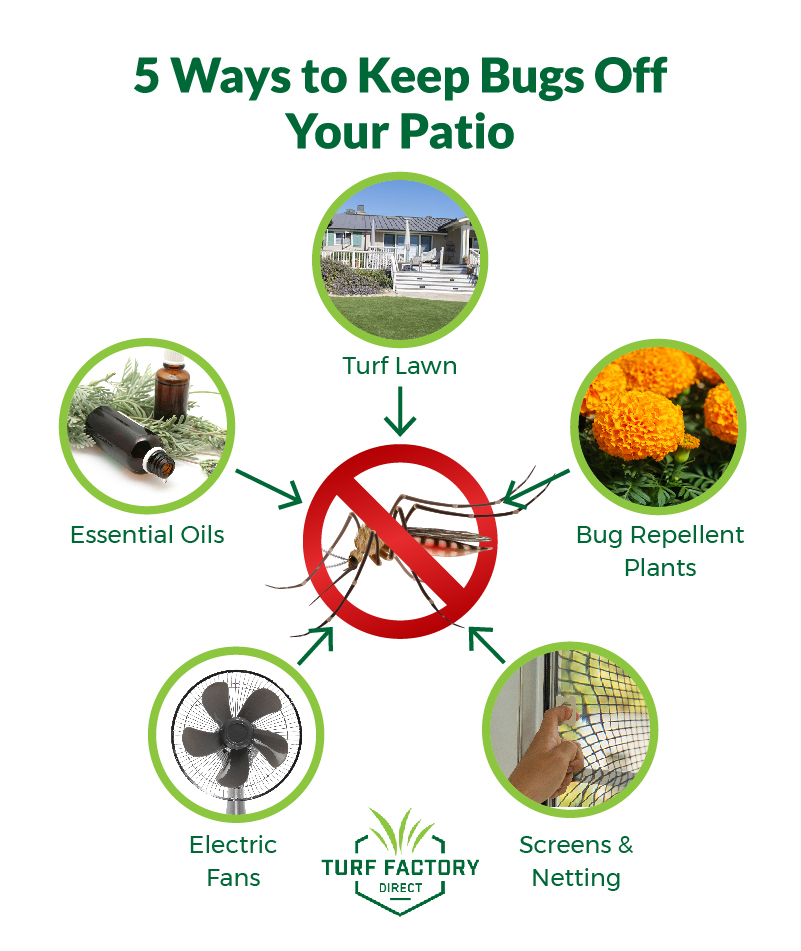
Credit: turffactorydirect.com
Frequently Asked Questions
How Can I Naturally Repel Ants From Outdoor Furniture?
Use natural repellents like vinegar, lemon juice, or cinnamon around furniture. These scents disrupt ant trails and deter them effectively without chemicals.
What Cleaning Methods Remove Ants On Outdoor Furniture?
Clean furniture regularly with soapy water to remove food residues and ant trails. This reduces attraction and discourages ants from returning.
Are Ant Baits Safe For Outdoor Furniture Use?
Yes, ant baits placed near but not on furniture can control ants safely. They attract ants to carry poison back to the colony.
How Do I Prevent Ants From Returning To Outdoor Furniture?
Keep outdoor areas free of food crumbs and spills. Seal cracks and use protective covers to minimize ant access to furniture.
Conclusion
Keeping ants away from outdoor furniture takes regular care and simple steps. Clean your furniture often and remove food crumbs quickly. Use natural barriers like vinegar or lemon juice to deter ants. Check for ant nests nearby and deal with them early.
Choose materials that ants do not like, such as metal or plastic. With patience and these easy tips, your outdoor space can stay ant-free. Enjoy your furniture without worry or pests around. Small actions make a big difference over time.