Are you tired of watching your beautifully painted outdoor furniture fade, chip, or peel after just one season? Finding the right finish can make all the difference in keeping your pieces looking fresh and vibrant year after year.
But with so many options out there, how do you choose the best finish that protects your furniture from sun, rain, and wear? You’ll discover exactly what makes a good finish for painted outdoor furniture and how it can save you time, money, and frustration.
Keep reading to unlock the secret to long-lasting beauty for your outdoor spaces.
Choosing The Right Paint
Choosing the right paint for outdoor furniture is key to a long-lasting finish. The paint must protect against sun, rain, and wear. It also should look good and fit your style. Understanding different paints and colors helps you pick the best option. Consider eco-friendly paints for a safer choice.
Types Of Outdoor Paints
Latex paint is water-based and easy to clean. It dries quickly and resists cracking. Oil-based paint is strong and durable but takes longer to dry. It handles rough weather well. Chalk paint gives a matte look and is popular for vintage styles. Some paints have UV protection to prevent fading.
Color Selection Tips
Choose colors that match your outdoor space. Light colors stay cooler under the sun. Dark colors may fade faster but hide dirt well. Bright colors add energy and style. Test paint samples on a small area first. Watch how color changes in sunlight and shade.
Eco-friendly Options
Eco-friendly paints have low or no toxic chemicals. They are better for your health and the environment. These paints reduce harmful fumes and pollution. Many brands offer water-based eco paints with strong coverage. Choose eco paints to keep your outdoor space safe and green.
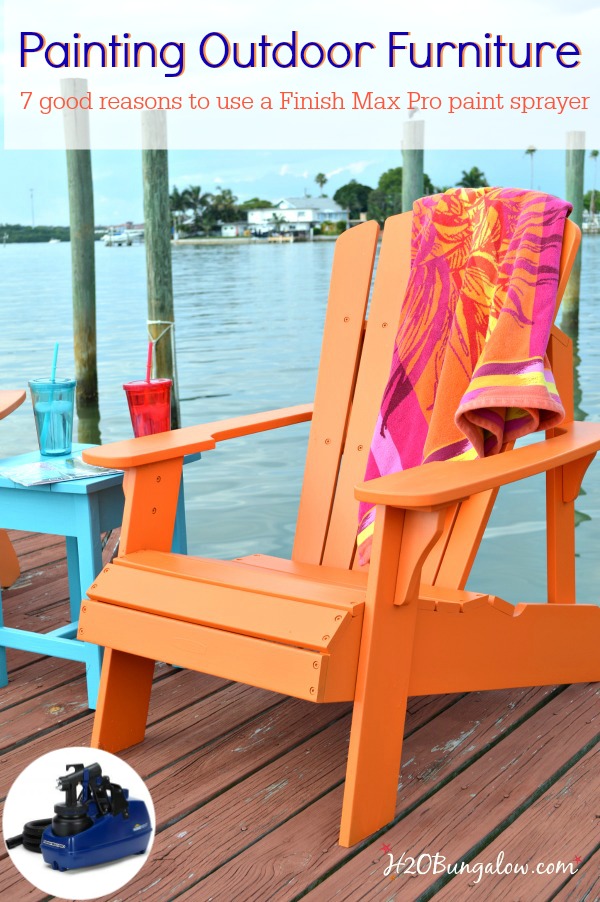
Credit: h2obungalow.com
Preparing Furniture For Painting
Preparing outdoor furniture for painting is an important step. It helps the paint stick well and last longer. Proper preparation also makes the finish look smooth and neat. Skipping these steps can cause peeling and uneven color. Follow these simple steps to get your furniture ready for a great paint job.
Cleaning And Sanding
Start by cleaning the furniture to remove dirt and dust. Use mild soap and water with a soft cloth or brush. Rinse well and let it dry completely. Sand the surface with medium-grit sandpaper to remove old paint and rough spots. Sanding helps the new paint stick better. After sanding, wipe the dust away with a damp cloth.
Repairing Surface Imperfections
Check for cracks, holes, or dents on the furniture. Use wood filler or putty to fill these imperfections. Apply it smoothly and let it dry as the product says. Sand the repaired spots until they are flush with the surface. This step creates an even surface for painting and improves the final look.
Priming Basics
Apply a primer designed for outdoor furniture. Primer seals the surface and prevents moisture damage. It also improves paint adhesion and color coverage. Use a brush or spray for an even coat. Allow the primer to dry fully before painting. Priming ensures your paint finish lasts longer outdoors.
Top Finishes For Outdoor Protection
Choosing the right finish for painted outdoor furniture is key to lasting protection. Outdoor furniture faces rain, sun, wind, and dirt. A good finish guards the paint and wood from damage. It also keeps furniture looking fresh and new.
Top finishes for outdoor protection create a strong barrier. They resist moisture, UV rays, and scratches. This section explores the most popular and effective finishes for outdoor use.
Polyurethane Coatings
Polyurethane coatings offer tough protection for outdoor furniture. They form a hard, clear layer over paint. This layer stops water from soaking into the wood. Polyurethane also blocks UV rays that fade colors.
These coatings come in gloss, satin, and matte finishes. They dry fast and last for years. Polyurethane is easy to apply with a brush or spray. It resists scratches and wear from daily use.
Spar Varnish Benefits
Spar varnish is made for outdoor wood exposed to sun and water. It stays flexible as the wood expands and contracts. This flexibility prevents cracking and peeling over time.
Spar varnish contains UV blockers to protect paint colors. It also repels water and resists mildew. This finish adds a warm, shiny look to furniture. Many outdoor furniture makers prefer spar varnish for its durability.
Epoxy Sealers
Epoxy sealers create a thick, strong coat over painted surfaces. This coat seals the wood completely from moisture. Epoxy is highly resistant to scratches and dents.
This finish works well for furniture in harsh weather. Epoxy can be clear or tinted. It is often used under other finishes for added protection. Epoxy sealers help furniture last for many seasons.
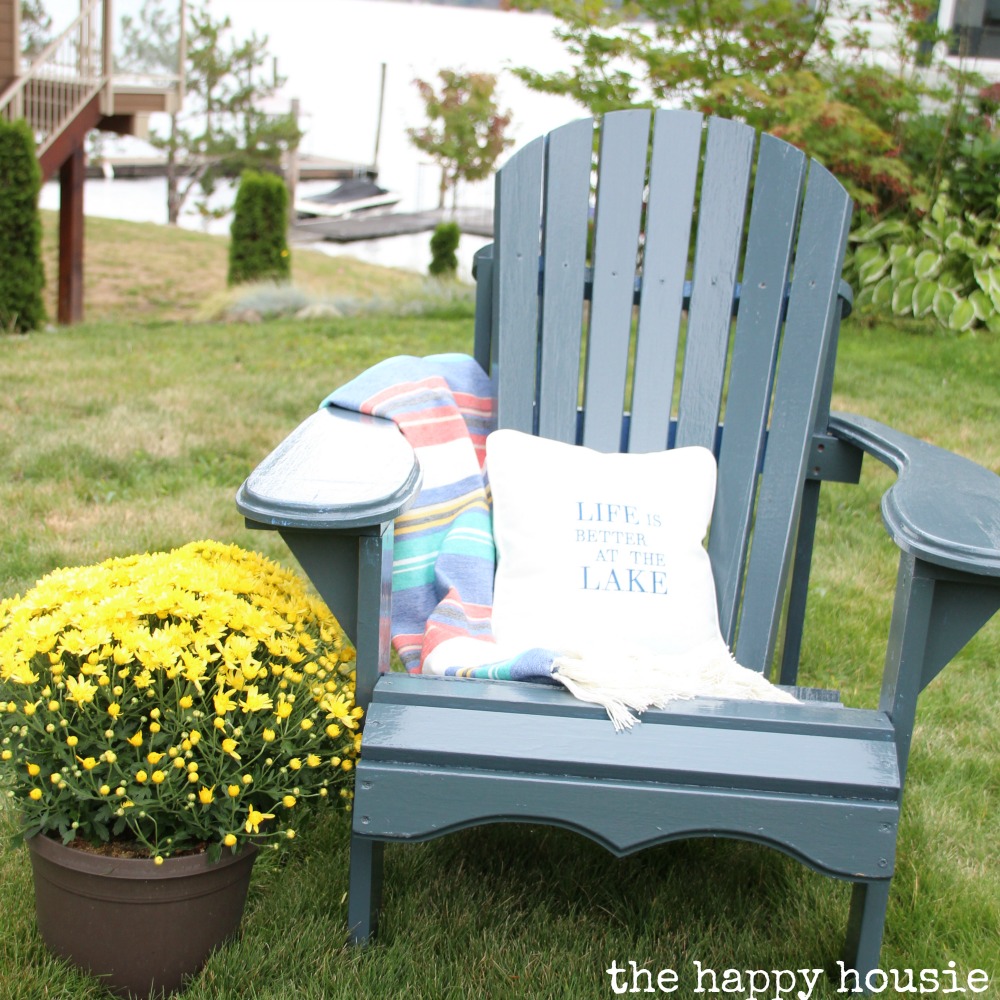
Credit: www.thehappyhousie.com
Application Techniques
Applying a good finish to painted outdoor furniture needs the right techniques. Proper application helps the finish last longer and protect the furniture well. Choosing the right method affects the look and strength of the paint. Understanding how to apply paint and finish improves the final result.
Brushing Vs Spraying
Brushing is simple and gives control over the paint. It works well for small areas and detailed spots. Brushes help spread paint evenly but can leave streaks if not careful.
Spraying covers large surfaces quickly and creates a smooth finish. It reaches corners and tight spaces easier than brushes. Spraying needs practice to avoid drips and uneven layers.
Layering For Durability
Applying multiple thin layers is better than one thick coat. Thin layers dry faster and stick better to the surface. Each layer adds protection and improves color depth.
Light sanding between layers helps paint stick and smooths rough spots. Patience is key. Rushing can cause peeling or cracking later.
Drying And Curing Times
Let each layer dry fully before adding the next. Drying times vary by paint type and weather conditions. Warm, dry air speeds up drying, while cold or humid air slows it down.
Curing takes longer than drying. It means the finish hardens completely. Avoid heavy use of furniture until curing finishes. This ensures the finish stays strong and lasts.
Maintaining Painted Outdoor Furniture
Maintaining painted outdoor furniture keeps it looking fresh and protects it from damage. Proper care extends the life of the paint and the furniture itself. Simple steps help avoid peeling, fading, and dirt buildup. Regular attention saves time and money on repairs.
Cleaning Tips
Clean painted furniture with a soft cloth and mild soap. Avoid harsh chemicals that can strip the paint. Rinse well with water and dry completely. Remove dirt and dust regularly to prevent stains. Do not use abrasive scrubbers that scratch the surface.
Touch-up Strategies
Check for chips or scratches often. Sand small rough spots lightly before painting. Use matching outdoor paint for touch-ups. Apply thin coats and let each dry fully. Touch-ups keep the finish smooth and prevent rust or wood damage.
Seasonal Care Advice
Cover furniture during heavy rain or snow. Store pieces indoors if possible in winter. Use breathable covers to avoid moisture buildup. Inspect furniture after storms for damage. Clean and reapply a protective finish yearly for best results.
Common Mistakes To Avoid
Choosing the right finish for painted outdoor furniture is important. Many make simple mistakes that hurt the look and life of their pieces. Avoid these common errors to keep your furniture looking fresh and strong.
Skipping Primer
Primer helps paint stick better to the furniture. Without it, paint can peel or chip quickly. Primer also stops stains and wood tannins from showing through the paint. Always apply a coat of primer before painting outdoors.
Using Indoor Paint Outdoors
Indoor paint is not made for outdoor conditions. It can crack, fade, or wash away when exposed to sun and rain. Use paint designed for outdoor use. It lasts longer and protects against weather damage.
Ignoring Weather Conditions
Painting in bad weather leads to poor results. Rain, high humidity, or extreme heat can ruin the finish. Choose a dry day with mild temperatures. This helps paint dry evenly and stick well.
Enhancing Longevity With Additional Treatments
Adding extra treatments to painted outdoor furniture helps it last longer. These treatments protect the paint and wood from weather damage. They keep colors bright and surfaces strong. This section explains key treatments that improve furniture durability.
Uv Protection Options
Sunlight can fade paint and weaken wood. UV protection stops this damage. Clear UV sealers create a shield over painted surfaces. They block harmful rays but keep the look natural. Some paints also have built-in UV blockers. Reapply UV protection every year for best results.
Waterproofing Methods
Water can cause paint to peel and wood to rot. Waterproof coatings stop water from soaking in. Use waterproof varnishes or sealants on all surfaces. These coatings form a tough barrier against rain and moisture. Make sure to cover edges and joints well. Regular waterproofing prevents cracks and warping.
Anti-mildew Solutions
Outdoor furniture often grows mold and mildew in damp places. Mildew stains paint and damages wood. Anti-mildew sprays kill mold spores and stop growth. Some paints include mildew-resistant chemicals. Clean furniture before applying treatments. Keep furniture dry and clean to avoid mildew return.
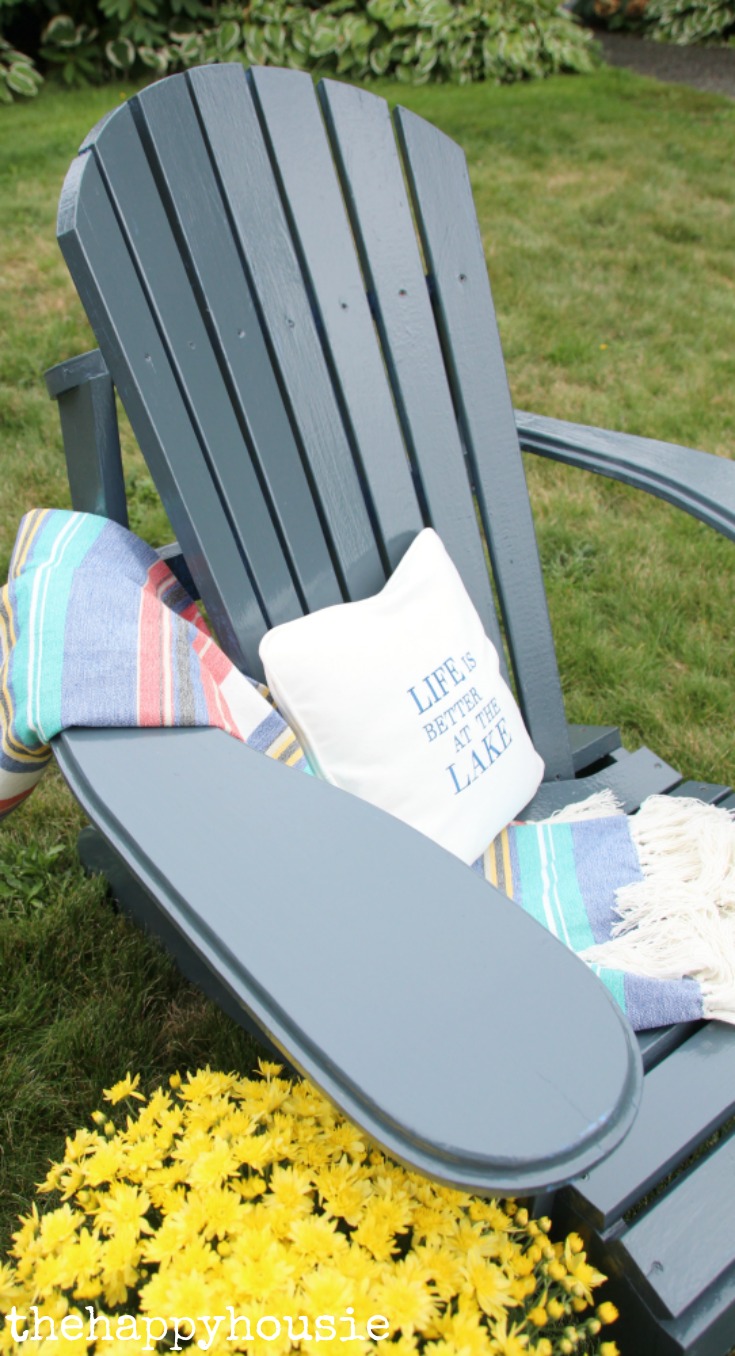
Credit: www.thehappyhousie.com
Frequently Asked Questions
What Is The Best Finish For Painted Outdoor Furniture?
A good finish for painted outdoor furniture is a clear, weather-resistant sealant. It protects paint from UV rays, moisture, and wear. Polyurethane or spar varnish are popular choices due to their durability and water resistance, ensuring long-lasting beauty and protection.
How Do I Protect Outdoor Furniture Paint?
To protect outdoor furniture paint, apply a high-quality clear sealant. Regularly clean the furniture and avoid direct prolonged sun exposure. Using UV-resistant finishes helps prevent fading and cracking, extending the life of your painted furniture.
Can I Use Indoor Paint On Outdoor Furniture?
Indoor paint is not ideal for outdoor furniture. Outdoor paints are specially formulated to resist weather, moisture, and UV damage. Using indoor paint outdoors can lead to peeling, fading, and quicker deterioration.
How Often Should I Refinish Painted Outdoor Furniture?
Refinish painted outdoor furniture every 1-2 years for best protection. Factors like weather exposure and usage affect this timing. Regular maintenance keeps the finish intact and prevents damage from moisture and sunlight.
Conclusion
Choosing the right finish protects your outdoor furniture well. It keeps paint from chipping and fading in sun and rain. A good finish also makes cleaning easier and extends furniture life. Think about durability and how often you want to maintain it.
Simple finishes like polyurethane or spar varnish work great for most. Remember, a good finish adds beauty and strength to your pieces. Take time to apply it carefully for best results. Your furniture will stay fresh and inviting for many seasons.