Is your outdoor furniture looking green and grimy because of algae? You’re not alone, and you don’t have to live with those unsightly stains.
Finding the right cleaner that safely removes algae without damaging your furniture can be tricky. But don’t worry—this guide will help you discover the best solutions to restore your outdoor space to its fresh, clean look. Keep reading to learn how you can bring back the beauty of your furniture quickly and safely.
Causes Of Algae Growth
Algae growth on outdoor furniture can be a common problem. It makes surfaces slippery and looks unpleasant. Understanding the causes helps in preventing and removing algae safely. Several factors encourage algae to grow outdoors, especially in certain conditions.
Common Outdoor Factors
Algae thrive in damp and shady areas. Rain and humidity create the perfect wet environment. Poor air circulation slows drying, helping algae to spread. Warm temperatures speed up algae growth. Outdoor furniture placed near trees or walls often stays damp. Dirt and organic matter on surfaces also feed algae.
Materials Prone To Algae
Some materials attract algae more than others. Porous surfaces like wood and concrete hold moisture longer. Plastic and metal can grow algae but usually less. Fabrics on outdoor cushions soak up water easily. Rough textures give algae more places to cling. Smooth surfaces dry faster and resist algae better.
Risks Of Algae On Furniture
Algae growth on outdoor furniture is more than just an eyesore. It can cause real problems that affect your furniture’s look and safety. Algae thrives in damp, shaded areas, making outdoor chairs, tables, and decks its perfect home. Ignoring this green buildup leads to bigger issues over time. Understanding these risks helps you take better care of your outdoor spaces.
Surface Damage
Algae holds moisture against furniture surfaces. This constant dampness can weaken wood, metal, and plastic. Wood may start to rot or warp. Metal parts can rust faster. Plastic surfaces may become brittle or discolored. Algae can also cause slippery spots, creating a fall risk. Left untreated, the damage may need costly repairs or replacements.
Health Concerns
Algae can trigger allergies and skin irritation. Mold and mildew often grow alongside algae, worsening health risks. Breathing in spores may cause coughing or sneezing. Touching algae-covered furniture can lead to rashes. Children and pets are especially vulnerable. Keeping algae off furniture helps maintain a safe, healthy outdoor area.
Types Of Safe Cleaners
Algae on outdoor furniture can be stubborn and unsightly. Choosing the right cleaner ensures safe removal without damage. Safe cleaners protect your furniture and the environment. Various types work well against algae. Understanding them helps you pick the best option.
Biodegradable Cleaners
Biodegradable cleaners break down naturally in the environment. They avoid harmful chemicals that pollute soil and water. These cleaners are gentle on surfaces yet effective. Using them reduces the risk of damage to your furniture. They often contain plant-based ingredients or mild detergents. Safe for both plastic and wood outdoor furniture.
Natural Solutions
Natural solutions use ingredients found in your home. Vinegar, baking soda, and lemon juice kill algae effectively. These substances disrupt algae growth without harsh chemicals. Natural cleaners are safe for pets and children nearby. They may require more scrubbing but work well over time. Mix and apply carefully to avoid surface discoloration.
Commercial Algae Removers
Commercial algae removers target algae specifically. Many products are designed to be safe for outdoor use. Look for labels that state environmental safety and non-toxicity. These cleaners often contain oxygen bleach or other mild agents. They work faster than natural options with less effort. Follow instructions to protect your furniture and plants.
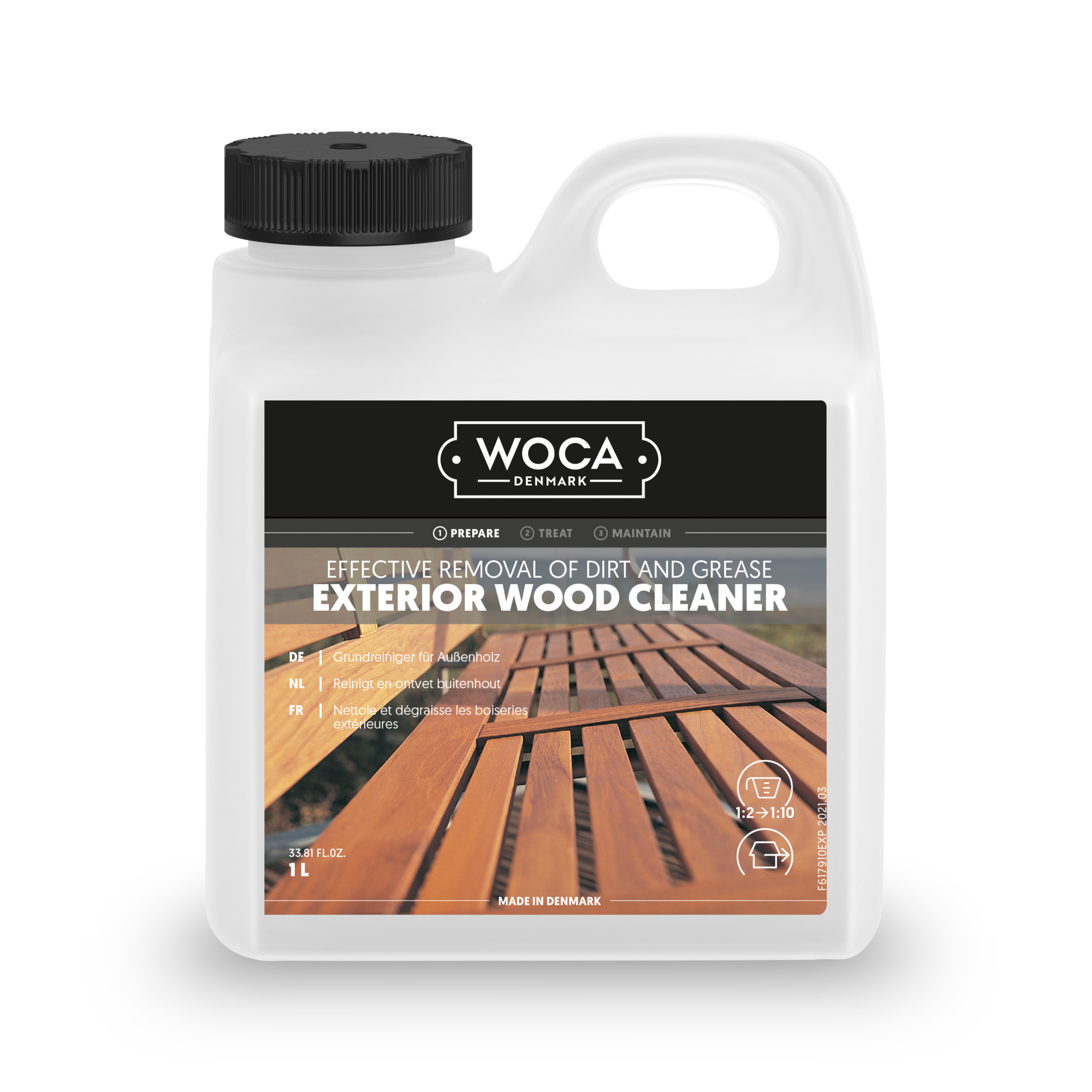
Credit: wocadenmark.com
Diy Cleaning Recipes
DIY cleaning recipes offer a safe way to remove algae from outdoor furniture. They use simple ingredients you can find at home. These solutions are gentle on surfaces but tough on algae. You can make them quickly and use them without worry.
These recipes work well on wood, plastic, and metal furniture. They help keep your outdoor space clean and fresh. Try these easy methods to restore your furniture’s look.
Vinegar-based Solutions
White vinegar is a natural cleaner that kills algae effectively. Mix equal parts of vinegar and water in a spray bottle. Spray the solution on the algae-covered areas. Let it sit for 10 to 15 minutes. Scrub gently with a soft brush or cloth. Rinse thoroughly with water. Vinegar’s acidity breaks down algae without harming most surfaces.
Baking Soda Mixes
Baking soda acts as a mild abrasive and deodorizer. Mix 3 tablespoons of baking soda with 1 quart of water. Stir until the baking soda dissolves completely. Apply the solution to the algae spots using a sponge. Let it rest for 15 minutes to loosen algae. Scrub lightly and rinse well with clean water. This mix removes algae and freshens furniture naturally.
Hydrogen Peroxide Options
Hydrogen peroxide is a safe bleach alternative for algae removal. Use a 3% hydrogen peroxide solution straight from the bottle. Spray it directly on algae patches. Allow it to sit for 5 to 10 minutes. The bubbles will lift algae from the surface. Wipe or scrub gently, then rinse with water. Hydrogen peroxide kills algae without harmful chemicals.
Cleaning Techniques
Removing algae from outdoor furniture requires the right cleaning techniques. Proper methods protect your furniture and remove algae safely. Different techniques fit different types of furniture and algae growth levels.
Scrubbing Tips
Use a soft brush or sponge to scrub algae gently. Avoid hard brushes that may damage surfaces. Mix mild soap with water for better cleaning. Scrub in circular motions to lift algae effectively. Rinse thoroughly with clean water after scrubbing.
Pressure Washing
Pressure washing works well for sturdy furniture like metal or plastic. Keep the pressure setting low to prevent damage. Hold the nozzle at a 45-degree angle. Spray from a distance of at least 12 inches. Avoid pressure washing wooden furniture as it can cause splinters.
Soaking Methods
Soaking furniture in a cleaning solution helps loosen algae. Use a mix of water and white vinegar or a gentle cleaner. Let the furniture soak for 15 to 30 minutes. After soaking, scrub lightly to remove softened algae. Rinse well with water to remove residue.
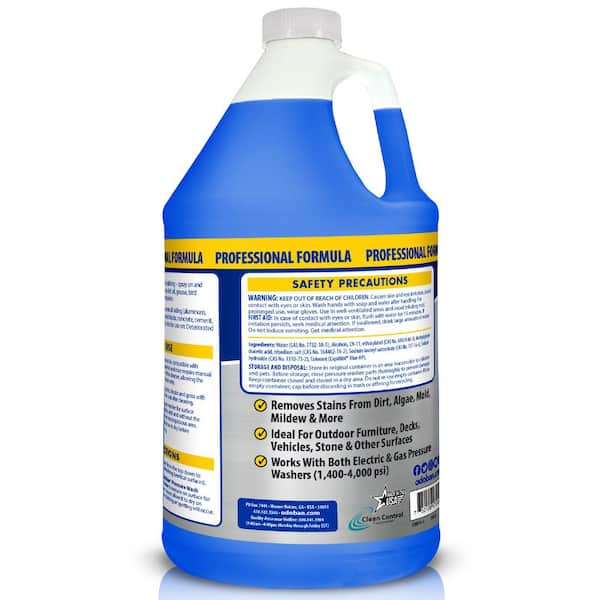
Credit: www.homedepot.com
Preventing Future Algae Growth
Stopping algae from growing again on outdoor furniture needs ongoing care. Algae loves damp, shady places. Keeping your furniture dry and clean helps a lot. Simple habits can make a big difference in preventing algae buildup.
Regular Maintenance
Clean your furniture often with mild soap and water. Scrub gently to remove dirt and algae spores. Rinse well and dry completely. Check for algae spots every week. Early removal stops algae from spreading fast.
Protective Coatings
Use sealants designed for outdoor furniture. These create a barrier that keeps moisture out. Moisture attracts algae growth. Reapply coatings each season to keep protection strong. Choose eco-friendly products to stay safe around plants.
Optimal Storage
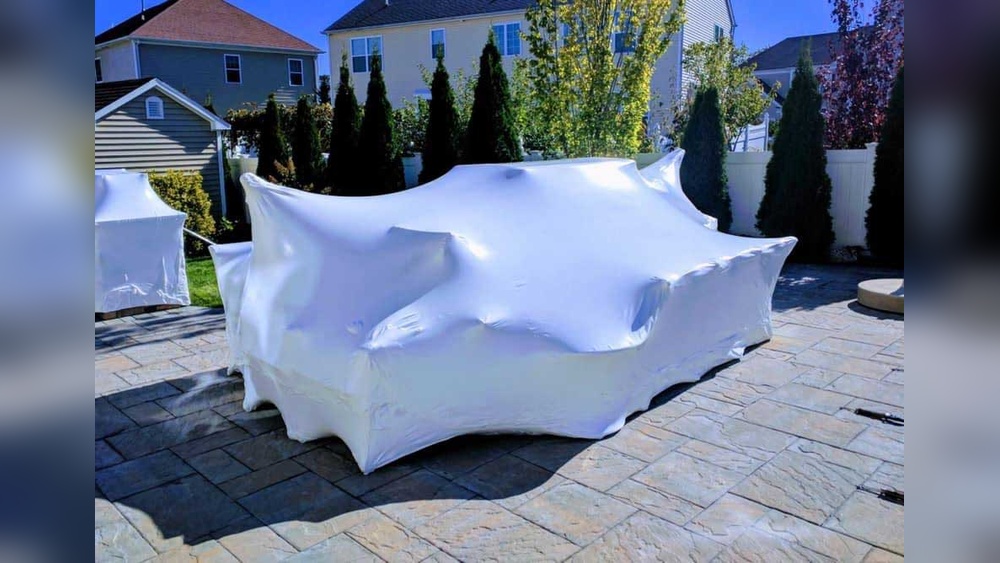
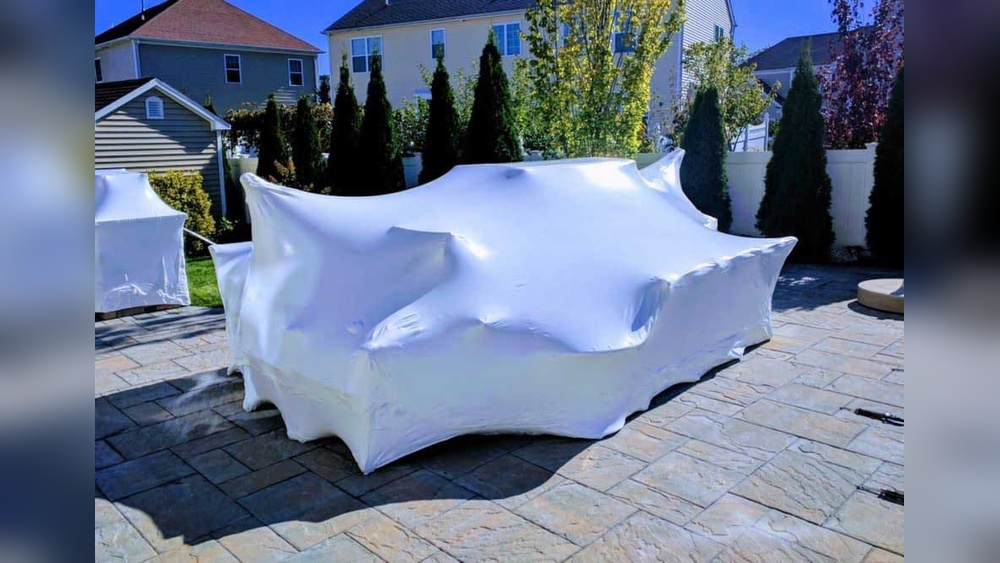
Store furniture in dry, sunny places during bad weather. Avoid leaving it on damp grass or soil. Use covers that allow air flow but block rain. Proper storage reduces moisture and algae chances. Bring cushions inside to keep them dry.
Product Recommendations
Choosing the right cleaner makes algae removal easy and safe. Outdoor furniture needs gentle products that work well. The wrong cleaner can damage surfaces or harm plants nearby. Below are some great product options to help keep your furniture clean and fresh.
Top-rated Cleaners
Products like Wet & Forget Outdoor and Simple Green are highly trusted. They remove algae without scrubbing hard. These cleaners work on wood, plastic, and metal surfaces. Many users praise their fast action and safe ingredients. Always follow the instructions for best results.
Eco-friendly Brands
Green Works and ECOS offer safe, natural cleaners. These brands avoid harsh chemicals. They use plant-based ingredients that break down algae gently. Perfect for those who want to protect the environment. These options are safe for pets and kids too.
Budget-friendly Options
Baking soda and white vinegar are simple, cheap solutions. Mix vinegar with water and spray on algae spots. Baking soda scrubs off algae with little effort. Both are safe for most surfaces. These DIY methods save money and work well for small jobs.

Credit: www.muuto.com
Frequently Asked Questions
What Cleaner Removes Algae From Outdoor Furniture Safely?
A solution with diluted bleach or vinegar effectively removes algae safely. Always test on a small area first to avoid damage. Use a soft brush for gentle scrubbing and rinse thoroughly with water afterward to ensure all residue is removed.
Can Natural Products Clean Algae From Outdoor Surfaces?
Yes, natural products like white vinegar and baking soda can remove algae. They are eco-friendly and safe for most materials. Apply, scrub gently, and rinse well. Repeat if necessary for stubborn algae stains without harming your furniture.
Is Bleach Safe For Cleaning Algae On Outdoor Furniture?
Bleach is effective but should be used carefully. Dilute bleach with water and avoid prolonged contact to prevent damage. Always wear gloves and work in a well-ventilated area. Rinse furniture thoroughly to remove bleach residues and protect the surface.
How Often Should I Clean Algae From Outdoor Furniture?
Clean outdoor furniture every 1-2 months during humid seasons to prevent algae buildup. Frequent cleaning helps maintain appearance and prolongs furniture life. Regular washing with mild detergent and water can keep algae at bay effectively.
Conclusion
Choosing the right cleaner keeps outdoor furniture algae-free and safe. Use gentle, eco-friendly products for best results. Avoid harsh chemicals that may damage surfaces or the environment. Regular cleaning prevents algae buildup and extends furniture life. A simple scrub with the right cleaner restores beauty quickly.
Clean furniture makes outdoor spaces inviting and comfortable. Stay consistent and enjoy fresh, algae-free furniture all year.