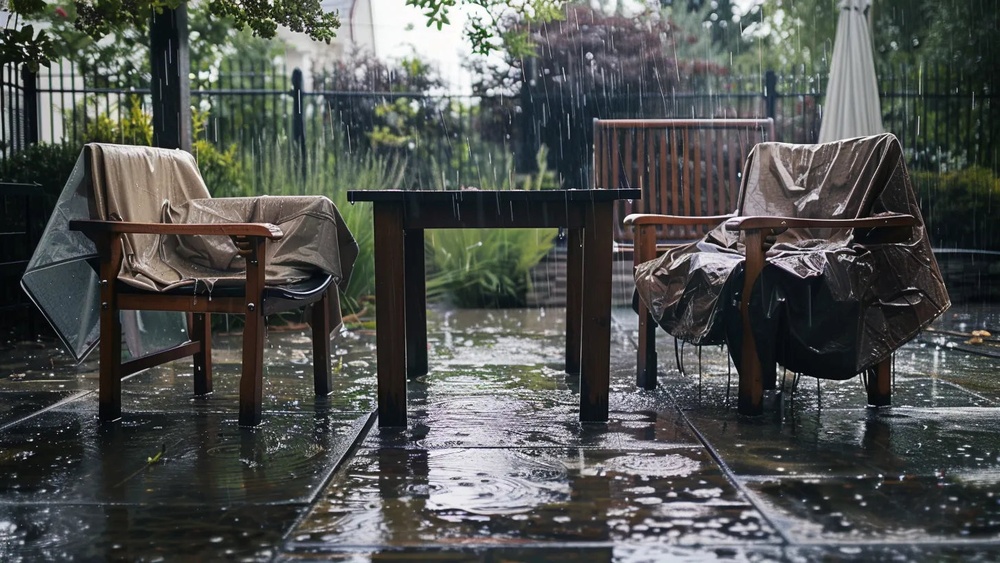
Are you wondering if it’s okay to wax your bamboo furniture for outdoors? You want your furniture to look great and last longer, but you might be unsure if waxing is the right choice.
Applying wax could protect your bamboo, but it might also cause problems if done the wrong way. You’ll discover the truth about waxing bamboo furniture outside and learn simple tips to keep your outdoor space looking fresh and inviting. Keep reading to find out what’s best for your bamboo pieces!
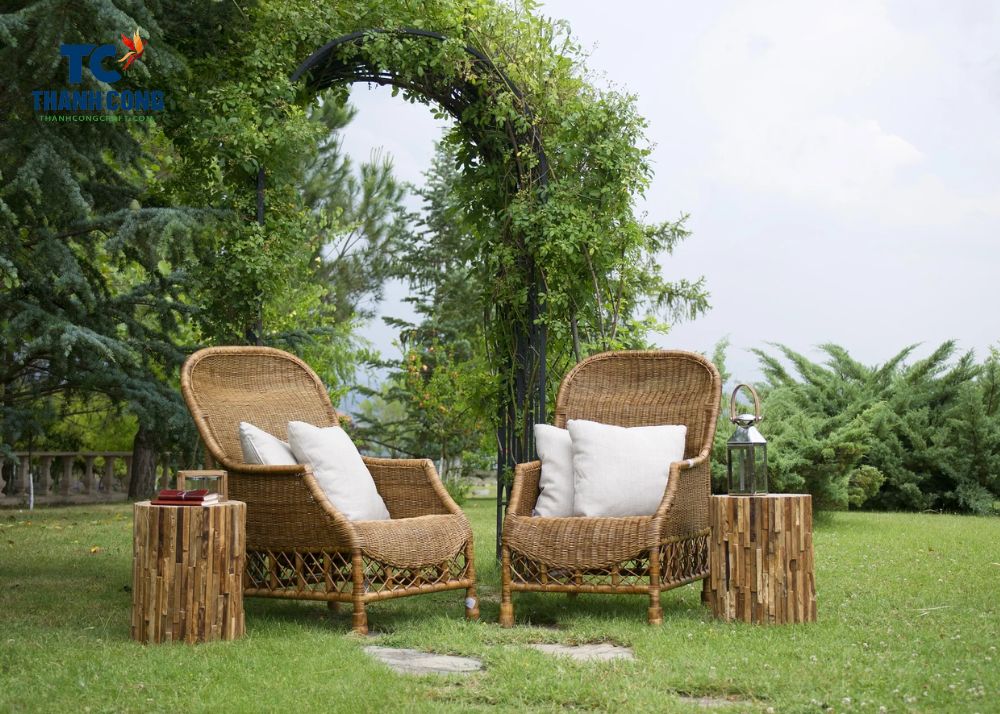
Credit: thanhcongcraft.com
Benefits Of Waxing Bamboo Furniture
Waxing bamboo furniture offers many benefits. It keeps the furniture looking great and protects it from damage. Regular waxing helps bamboo stay strong and beautiful outdoors. This simple step can improve the life and look of your furniture.
Here are some key benefits of waxing bamboo furniture for outdoor use.
Enhancing Natural Appearance
Wax brings out the natural color of bamboo. It adds a soft shine that makes the furniture look fresh. The wax highlights the grain and texture, giving bamboo a rich, warm look. This boost in appearance makes your outdoor space more inviting.
Protecting Against Moisture
Bamboo can absorb water easily. Wax creates a barrier that stops moisture from entering the wood. This prevents swelling, cracking, and mold growth. Keeping water out protects your furniture from weather damage.
Extending Furniture Lifespan
Wax shields bamboo from daily wear and tear. It reduces damage from sunlight and rain. By waxing often, your furniture stays strong and lasts longer. This saves money on repairs or replacements in the future.
Risks Of Waxing Outdoor Bamboo
Waxing bamboo furniture meant for outdoor use carries some risks. While waxing can add shine and a smooth finish, it may cause problems with the bamboo’s natural properties. Understanding these risks helps you protect your furniture better.
Outdoor bamboo faces harsh weather. Wax can change how bamboo reacts to sun, rain, and humidity. These changes might damage the furniture over time.
Trapping Moisture Issues
Wax creates a layer that can trap moisture inside bamboo. Bamboo needs to breathe to stay dry. Moisture trapped under wax can cause the bamboo to swell or warp. This leads to cracks and weak spots in the furniture.
Potential For Mold Growth
Moisture trapped beneath wax can also lead to mold. Mold grows in damp, dark places. Wax blocks airflow, creating a perfect spot for mold to develop. Mold damages bamboo and can cause health problems.
Effect On Weather Resistance
Wax reduces bamboo’s natural ability to resist weather. It can peel or wear off quickly in sun and rain. Once wax wears off unevenly, bamboo is exposed to damage. This makes the furniture less durable over time.
Choosing The Right Wax
Choosing the right wax for bamboo furniture is important. The wax protects the wood and keeps it looking good outside. Picking the right type helps the furniture last longer. It also keeps the bamboo safe from weather damage. Let’s explore different wax types and their benefits for outdoor bamboo.
Natural Vs Synthetic Waxes
Natural waxes come from plants and animals. Beeswax is a popular natural option. It gives a soft shine and protects bamboo gently. Synthetic waxes are made in labs. They often last longer and resist water better. Natural wax feels more eco-friendly, but synthetic wax can offer stronger protection.
Water-resistant Options
Outdoors means rain and moisture. Choose waxes that resist water well. Some waxes have special ingredients that keep water out. Water-resistant wax stops bamboo from swelling or cracking. This wax helps furniture stay strong in wet weather. Look for wax labeled as water-repellent for best results.
Eco-friendly Wax Choices
Protect nature along with your furniture. Eco-friendly waxes use natural ingredients and no harmful chemicals. They are safe for people and plants. These waxes break down easily in the environment. Many eco-friendly options still offer good protection. They are a smart choice for green living and outdoor use.

Credit: www.amazon.com
Step-by-step Waxing Process
Waxing bamboo furniture for outdoors helps protect it from weather damage. The waxing process seals the surface and adds a smooth finish. Follow these simple steps to wax your bamboo furniture properly and keep it looking fresh.
Preparing The Bamboo Surface
Start by cleaning the bamboo with a soft cloth and mild soap. Remove all dirt, dust, and old wax. Let the bamboo dry completely before applying wax. Sand the surface gently with fine sandpaper to smooth rough spots. Wipe away sanding dust with a clean cloth.
Applying Wax Correctly
Choose a wax suitable for outdoor use and bamboo material. Use a soft cloth or brush to apply wax in small sections. Spread wax evenly, following the bamboo’s grain direction. Apply a thin, uniform layer to avoid sticky patches. Allow the wax to soak in for about 10 to 15 minutes.
Buffing And Finishing Tips
After the wax soaks in, buff the surface with a clean, dry cloth. Use circular motions to bring out a natural shine. Repeat waxing and buffing if the bamboo looks dull or dry. Let the furniture dry fully before use or exposure to moisture. Regular waxing every few months keeps bamboo protected and beautiful.
Alternative Finishes For Outdoor Bamboo
Bamboo furniture for outdoors needs special care. Waxing is one option, but many prefer other finishes. These alternatives protect bamboo better against weather and wear. They keep furniture looking good longer. Explore some popular finishes for outdoor bamboo.
Using Sealants And Varnishes
Sealants and varnishes create a hard, protective layer on bamboo. They stop water from soaking in. This prevents swelling and cracking. Many sealants are clear, keeping bamboo’s natural look. Some add a slight shine for a fresh finish. Reapply every year for best results.
Oil Treatments For Protection
Oils soak into bamboo, protecting from inside. They repel water and reduce drying out. Common oils include teak oil and linseed oil. Oils keep bamboo flexible and less likely to break. Apply oil with a cloth and let it dry well.
Combining Wax With Other Methods
Wax alone may not protect bamboo outdoors fully. Combine wax with sealants or oils for stronger defense. Wax adds a smooth feel and extra shine. Use wax as a final touch after sealing or oiling. This combo improves water resistance and appearance.
Maintenance Tips After Waxing
After waxing your bamboo furniture for outdoors, proper care is important. Waxing protects the surface but needs regular attention. This keeps the furniture looking fresh and strong for a long time.
Regular Cleaning Practices
Dust and dirt can build up on bamboo furniture. Clean it often with a soft cloth. Use mild soap and water for stains. Avoid harsh chemicals that can damage the wax layer. Dry the furniture well after cleaning to stop moisture damage.
Reapplying Wax Schedule
Wax wears off over time due to sun and rain. Check the surface every few months. If it looks dull or rough, apply another coat of wax. Use the same type of wax for best results. This keeps the bamboo sealed and shiny.
Monitoring For Damage
Look closely for cracks, chips, or peeling wax. Damage lets water and dirt enter the bamboo. Fix small problems quickly to avoid bigger repairs. Light sanding and waxing can restore the surface. Stay alert to keep your outdoor bamboo furniture in top shape.
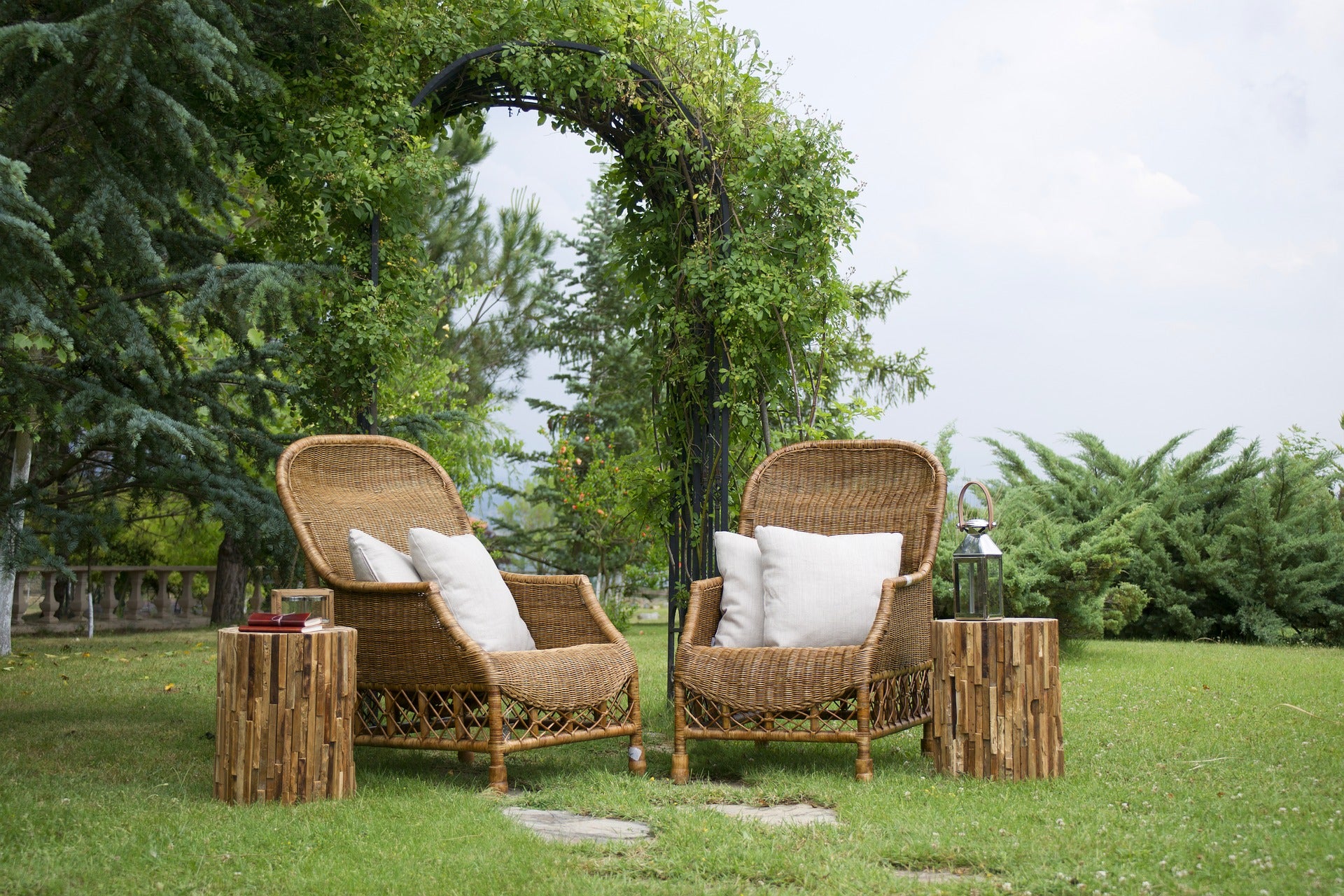
Credit: www.bambusi.com
Frequently Asked Questions
Is Waxing Bamboo Furniture Good For Outdoor Use?
Waxing bamboo furniture outdoors protects it from moisture and UV damage. It enhances durability and maintains its natural shine. Regular waxing helps prevent cracks and fading, extending the furniture’s lifespan in outdoor conditions.
How Often Should You Wax Outdoor Bamboo Furniture?
You should wax outdoor bamboo furniture every 3 to 6 months. Frequent waxing maintains protection against weather elements and keeps the surface smooth. Adjust frequency based on climate and exposure to rain or sun.
Can Waxing Bamboo Furniture Prevent Weather Damage?
Yes, waxing bamboo furniture forms a protective layer that repels water. This reduces swelling, cracking, and fading caused by rain and sun exposure. Waxing is an effective way to prolong outdoor bamboo furniture’s life.
What Type Of Wax Is Best For Bamboo Outdoors?
Natural beeswax or carnauba wax are ideal for outdoor bamboo. These waxes provide strong water resistance and a durable finish. Avoid harsh chemical waxes that can damage bamboo fibers or alter its appearance.
Conclusion
Waxing bamboo furniture can protect it from outdoor damage. It helps keep the wood looking fresh and smooth. Make sure to use the right wax made for outdoor use. Avoid waxing too often, as it may build up and attract dirt.
Regular cleaning before waxing improves results. Bamboo needs care to last long outside. Waxing is a good option but not the only one. Try to combine waxing with other protective steps. This way, your bamboo furniture stays beautiful and strong outdoors for years.