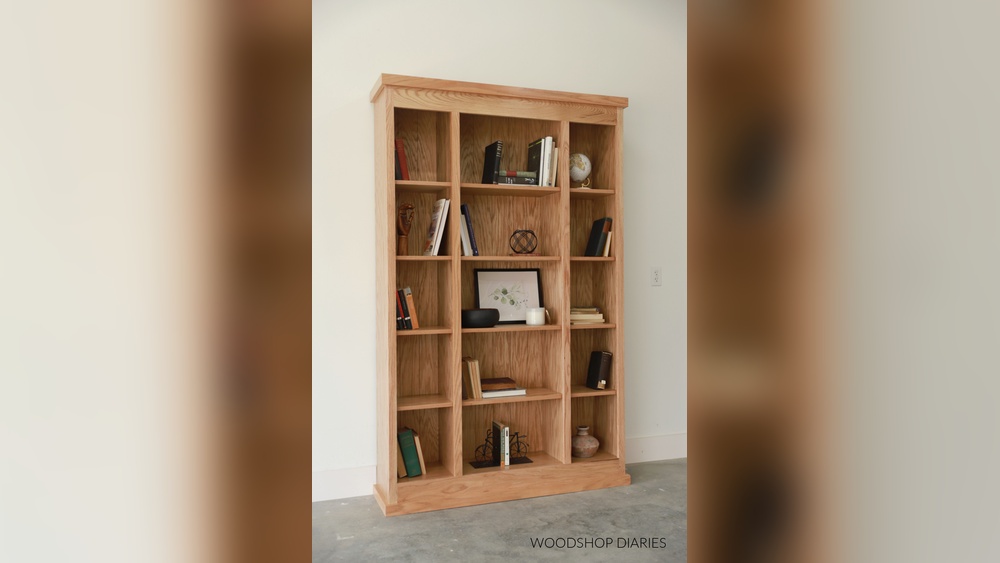
Choosing the right wood for your bookshelf might seem simple, but it can make all the difference in how sturdy and beautiful your shelf turns out. You want something that holds your favorite books safely and looks great in your space.
But with so many wood options out there, how do you know which one is best for you? You’ll discover the top wood choices for bookshelves, what makes each unique, and how to pick the perfect one to match your style and needs.
Keep reading, and you’ll be confident in creating a bookshelf that lasts and impresses.

Credit: cityofharrah.com
Types Of Wood For Bookshelves
Choosing the right wood for a bookshelf affects its strength and look. Different woods offer various qualities, such as durability and color. Knowing the types of wood helps you pick the best option for your shelf.
Wood types mainly fall into two groups: hardwoods and softwoods. Each group has unique features that suit different shelf needs.
Hardwoods Vs Softwoods
Hardwoods come from trees that lose leaves each year. They usually have tight grains, making them strong and dense. Hardwoods hold weight well, perfect for heavy books.
Softwoods come from evergreen trees. They grow faster and have lighter, softer wood. Softwoods are easier to cut and shape but may dent more easily.
Hardwoods cost more but last longer. Softwoods are cheaper but less durable. Choose based on budget and shelf use.
Common Woods Used In Shelving
Oak is a popular hardwood. It is strong with a nice grain pattern. Oak shelves last long and resist scratches.
Maple is another hardwood with a smooth, light finish. It is hard and holds weight well.
Pine is a softwood. It has a warm color and is easy to work with. Pine is best for light to medium shelves.
Cedar is soft and has a fresh smell. It resists insects and works well for decorative shelves.
Durable Wood Options
Choosing the right wood for a bookshelf means picking one that lasts long and looks good. Durable woods hold up well under weight and resist damage. They keep your shelves steady and safe for all your books. Here are some top strong woods to consider for building or buying a bookshelf.
Oak
Oak is a tough hardwood. It has a classic look with a grain that stands out. Oak shelves resist scratches and dents well. This wood handles heavy books without bending. It ages nicely and can be stained in many colors.
Maple
Maple is a dense, strong wood. It has a smooth, light finish that brightens any room. Maple holds nails and screws tightly, making the shelf sturdy. This wood is less likely to warp or crack over time. It is a great choice for a clean, simple style.
Cherry
Cherry wood has a rich, warm color. It darkens with age, gaining a beautiful deep tone. Cherry is strong and resists wear well. It is easy to shape and smooth, perfect for fine details. Cherry shelves add elegance to any space.
Walnut
Walnut is a dark, heavy hardwood. It offers strength and a smooth texture. Walnut resists dings and dents, keeping shelves looking new. Its rich brown color adds warmth and style. Walnut works well for both modern and traditional designs.
Stylish Wood Choices
Choosing the right wood gives your bookshelf a unique style and charm. Stylish wood options offer beauty and strength. They fit many home designs and last a long time.
Here are some popular wood choices that bring elegance and durability to bookshelves.
Mahogany
Mahogany wood is rich and reddish-brown. It has a smooth texture and shines beautifully. This wood resists scratches and dents well. It adds a classic and warm look to any room.
Teak
Teak is strong and oily, making it very durable. It resists water and insects easily. Its golden-brown color darkens over time. Teak shelves look elegant and last for years.
Ash
Ash wood is light with a straight grain. It looks clean and modern in any space. Ash is tough and bends without breaking. It works well for a simple, stylish bookshelf.
Birch
Birch has a pale color with fine grain lines. It is smooth and easy to paint or stain. Birch is a strong wood but still light in weight. It suits bright and fresh room designs.
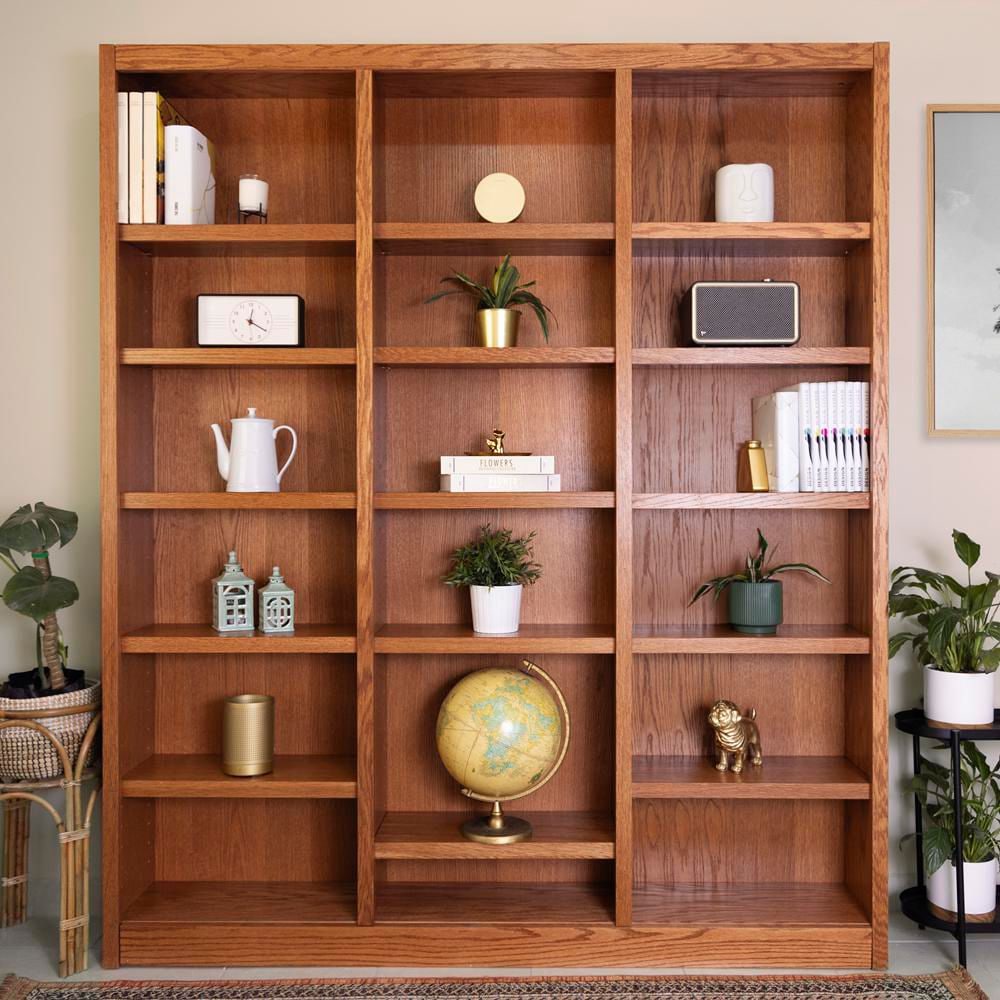
Credit: www.homedepot.com
Wood Finishes And Treatments
Wood finishes and treatments improve the look and life of your bookshelf. They protect the wood from damage and make it easier to clean. Choosing the right finish helps keep the wood strong and beautiful for years. It also highlights the wood’s natural color and texture. Understanding stains, sealants, and protective methods helps you pick the best option for your shelf.
Stains And Sealants
Stains change the color of wood without hiding its grain. They come in many shades to match your room style. Sealants create a clear layer on top of the wood. This layer stops moisture, dirt, and dust from harming the wood. Oil-based stains give deep color and good protection. Water-based stains dry faster and have less smell. After staining, applying a sealant like polyurethane makes the wood tough and shiny.
Protecting Against Wear And Tear
Bookshelves face scratches, spills, and bumps every day. A strong finish helps the wood resist these problems. Wax or varnish can add a smooth, hard surface. This surface stops small scratches and stains from setting in. Regular cleaning with a soft cloth keeps the finish fresh. Avoid harsh chemicals that can damage the wood or finish. With proper care, your bookshelf will stay nice and last longer.
Cost And Availability
Choosing the right wood for your bookshelf depends a lot on cost and availability. Wood prices vary widely based on type and where you live. Some woods are easy to find and affordable. Others are rare and more costly. Understanding your budget helps narrow down your options. Knowing which woods are common in your area saves time and money.
Budget-friendly Woods
Pine is a popular choice for affordable bookshelves. It is soft, easy to work with, and widely available. Poplar is another cheap option that takes paint well. Fir offers good strength at a low price. These woods suit most budgets without sacrificing quality. They may have visible knots or a lighter color. But a good finish can improve their look. These woods are perfect for DIY projects or simple designs.
Premium Wood Options
Oak is a strong, classic wood for bookshelves. It has a rich grain and lasts for years. Cherry wood offers a warm, reddish tone that deepens with age. Maple is hard and smooth, perfect for a polished finish. These woods cost more but add elegance and durability. They are less common and may require special orders. Investing in premium wood means your bookshelf will stand out and hold up well.
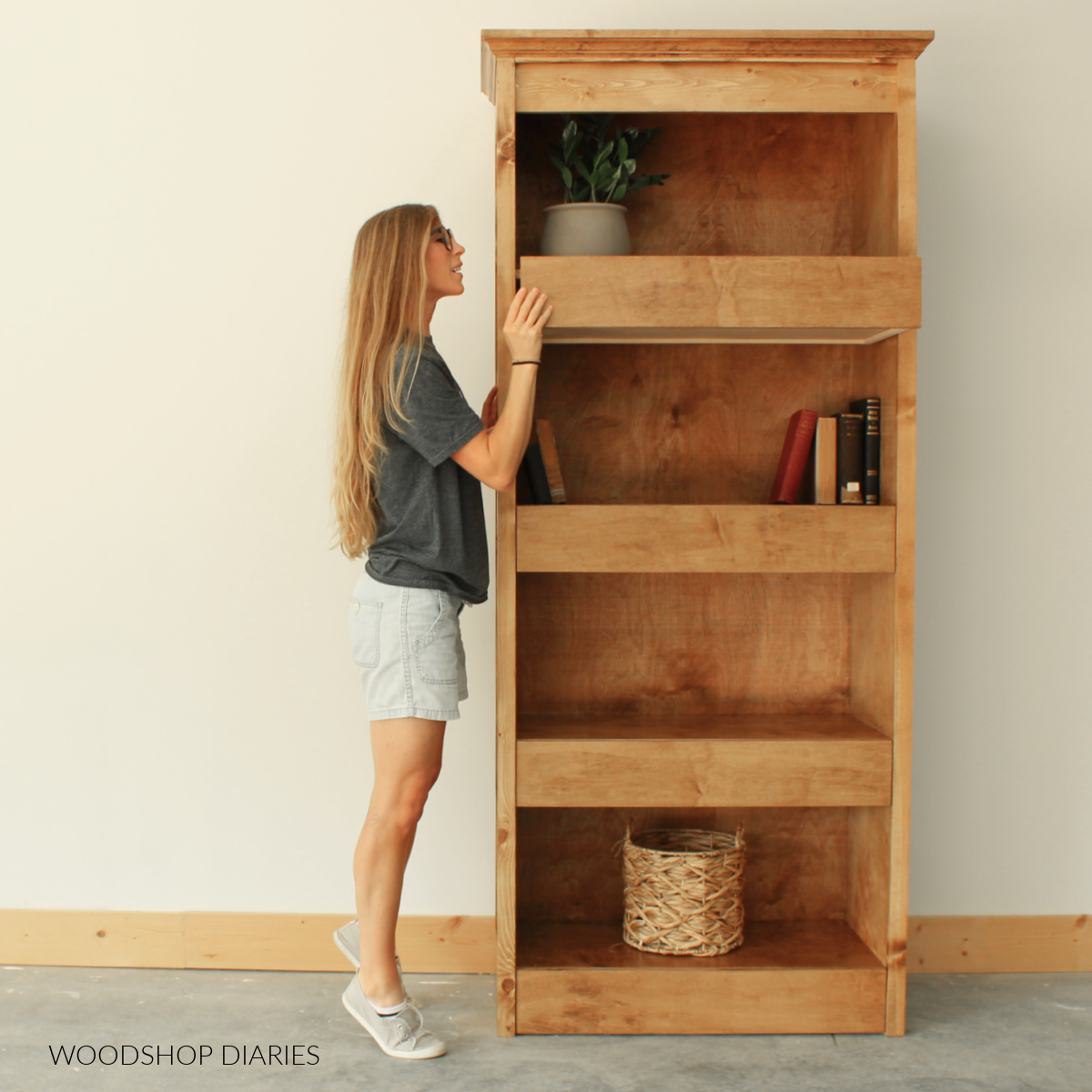
Credit: www.woodshopdiaries.com
Sustainability And Eco-friendly Woods
Choosing the right wood for a bookshelf means thinking about the planet. Sustainability matters. Using eco-friendly woods helps protect forests and reduce waste. It also supports healthier homes and communities.
Many types of wood fit this goal. Some come from well-managed forests. Others come from wood already used. This saves trees and lowers environmental impact. Here are two important options for eco-friendly bookshelf wood.
Certified Woods
Certified woods come from forests that follow strict rules. These rules protect trees and wildlife. They also ensure the forest can grow back. The Forest Stewardship Council (FSC) is a top group that certifies wood.
Choosing FSC wood means the wood is legal and sustainable. It supports good forest care. Certified woods are easy to find in stores and online. Using them helps keep forests healthy for the future.
Reclaimed And Recycled Wood
Reclaimed wood is old wood reused from buildings, barns, or furniture. It has character and history. Using reclaimed wood saves trees. It also cuts down on landfill waste.
Recycled wood comes from scraps or wood pieces that would be thrown away. This wood can be turned into new bookshelf parts. Both reclaimed and recycled wood reduce demand for new lumber. They are smart, eco-friendly choices for shelves.
Tips For Choosing The Right Wood
Choosing the right wood for your bookshelf is important. It affects the look, strength, and lifespan of the shelf. Picking the right wood means thinking about style, weight, and how much stuff you want to store. Here are some tips to help you select the best wood for your bookshelf.
Matching Wood To Room Decor
Wood comes in many colors and grains. Match the wood color with your room’s style. Light woods like pine or maple fit bright, casual rooms. Dark woods like walnut or mahogany suit classic, formal spaces. Think about the finish too. Smooth or rough textures create different moods. Pick wood that blends well with your furniture and walls.
Considering Weight And Load Capacity
Books can be heavy. The wood must hold the weight without bending. Hardwoods like oak and cherry are strong and durable. Softwoods like cedar or pine are lighter but less strong. If you plan to store many books, choose hardwood. Also, thicker wood boards support more weight. Check the wood’s strength to keep your shelf safe and sturdy.
Frequently Asked Questions
What Wood Is Best For Sturdy Bookshelves?
Hardwoods like oak, maple, and cherry are best for sturdy bookshelves. They offer strength and durability to support heavy books without warping or sagging over time.
Is Plywood Good For Bookshelf Construction?
Yes, plywood is a strong and affordable choice for bookshelves. It resists warping and provides a smooth surface for painting or staining, making it popular in both DIY and professional projects.
How Does Softwood Compare For Bookshelves?
Softwoods like pine are lighter and easier to work with but less durable. They are suitable for light to medium loads and can be cost-effective for simple bookshelf designs.
Can Reclaimed Wood Be Used For Bookshelves?
Reclaimed wood is eco-friendly and adds unique character to bookshelves. It is durable if properly treated and can be a great choice for rustic or vintage-style furniture.
Conclusion
Choosing the right wood makes your bookshelf strong and beautiful. Hardwoods like oak and maple offer durability and a nice look. Softwoods like pine are lighter and easier to work with. Think about your style, budget, and how much weight the shelf will hold.
A good choice lasts for years and fits your space well. Wood type matters for both function and design. Take your time and pick what feels right for your needs. Your perfect bookshelf starts with the wood you select.