Choosing the right wood for your homemade bookshelf can make all the difference between a sturdy, beautiful piece and one that wobbles or wears out quickly. You want your bookshelf to hold your favorite books safely while looking great in your space.
But with so many wood options out there, how do you know which one is best for you? This guide will help you discover the perfect wood that fits your style, budget, and skill level. Keep reading, and soon you’ll be ready to build a bookshelf that lasts and impresses every time.
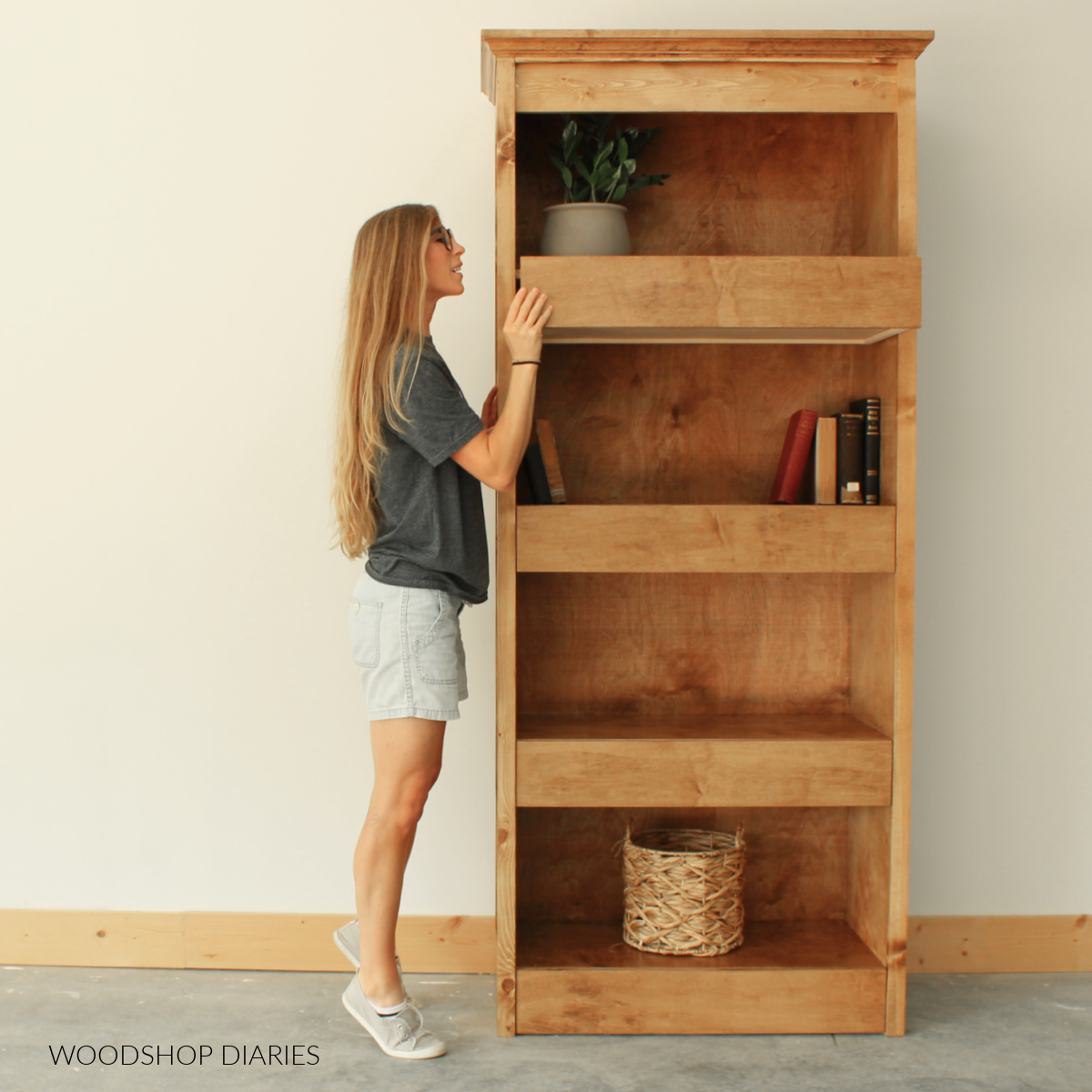
Credit: www.woodshopdiaries.com
Choosing Wood For Bookshelves
Choosing the right wood for your bookshelf is important. It affects how strong and long-lasting the shelf will be. The wood type also impacts the look and feel of your bookshelf. Picking good wood makes sure your shelves hold your books safely. It also helps the shelf stay beautiful over time.
Factors Affecting Wood Durability
Wood durability depends on its hardness and resistance to damage. Hardwoods like oak and maple last longer than softwoods. Some woods resist moisture and pests better, which helps shelves last. The finish on the wood also protects it from scratches and stains. Proper care and maintenance increase wood durability too.
Wood Types And Shelf Weight Capacity
Different woods hold different amounts of weight. Hardwoods such as cherry and walnut support heavy books well. Softwoods like pine are lighter but hold less weight. Plywood is strong and often used for shelves. Choose wood that fits the weight of your books and items. Strong wood keeps shelves from bending or breaking.
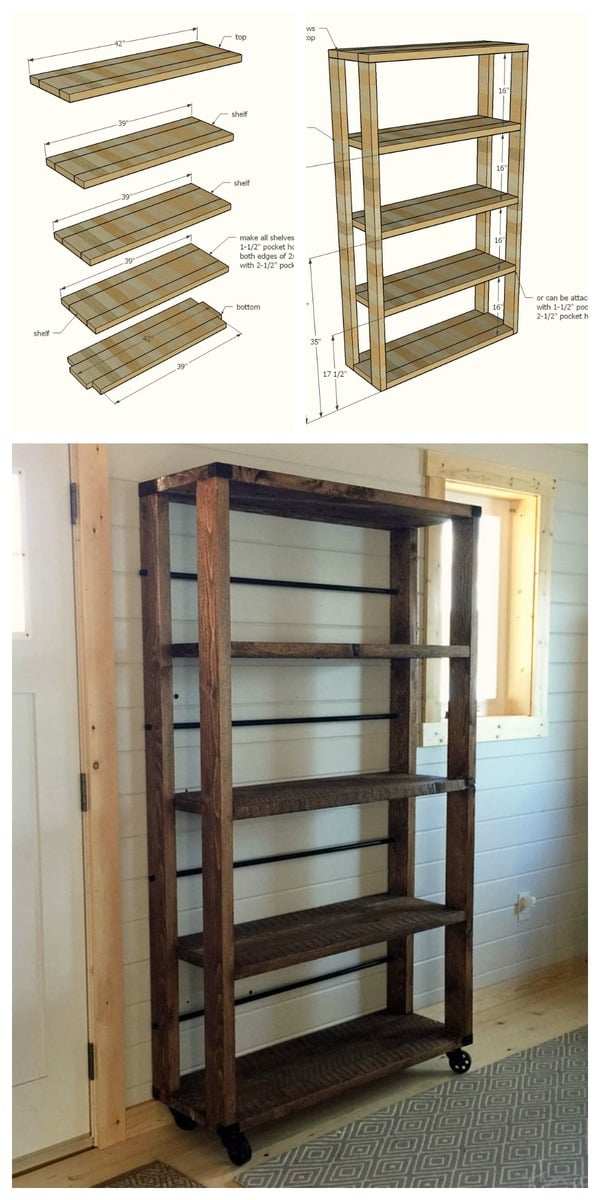
Credit: www.ana-white.com
Hardwoods For Lasting Bookshelves
Hardwoods stand out as the best choice for building bookshelves that last for years. Their density and strength make them ideal for holding heavy books without bending. These woods also bring natural beauty to your space with their unique grain patterns and rich colors.
Choosing the right hardwood means combining durability with style. Each type offers different looks and finishes to match your home decor. Here are three popular hardwoods known for their lasting quality and appealing appearance.
Oak: Strength And Grain Patterns
Oak is famous for its toughness and strong structure. It supports heavy loads well, making it perfect for bookshelves. Oak’s grain patterns are bold and distinct, adding character to any shelf. The wood ages nicely, darkening with time and use.
Maple: Smooth Finish And Durability
Maple is a hard, dense wood that resists dents and scratches. It sands to a very smooth finish, ideal for painting or staining. The light color of maple brightens rooms and fits many styles. Maple shelves hold up well under daily wear and tear.
Cherry: Rich Color And Hardness
Cherry wood offers a warm, reddish tone that deepens over time. It is hard and strong, supporting heavy books without warping. Cherry’s fine grain gives shelves a sleek, elegant look. This wood brings a classic touch to any bookshelf design.
Softwoods For Affordable Shelves
Softwoods offer a smart choice for making affordable bookshelves. They are easy to find and cost less than hardwoods. These woods are lighter and simpler to cut or shape. Perfect for DIY projects at home.
Softwoods also bring natural beauty with their light colors and smooth textures. They can be painted or stained to match any room style. Two popular softwoods stand out for shelves: pine and cedar.
Pine: Budget-friendly And Easy To Work
Pine wood is one of the cheapest softwoods available. It is soft, so cutting and sanding are simple tasks. Pine holds nails and screws well, making assembly easy for beginners. Its pale color brightens any room and fits many decorating styles. Pine shelves can be stained or painted to add personality. This wood does show dents and scratches but can be repaired quickly. Pine is perfect for lightweight shelves that hold books or small decor.
Cedar: Natural Resistance To Decay
Cedar is famous for resisting rot and insect damage. This makes it a great choice for shelves in damp or humid rooms. Cedar’s aroma also keeps insects away naturally. The wood has a rich, reddish color that deepens with time. It is soft but strong enough to hold heavier items. Cedar shelves last long and need little maintenance. A simple coat of finish protects cedar while showing its natural beauty. This wood suits both indoor and outdoor bookshelf projects.
Engineered Wood Options
Engineered wood offers practical choices for building a homemade bookshelf. It combines wood fibers and adhesives to create strong, stable panels. These materials resist warping and bending better than solid wood. Engineered wood is often more affordable and easier to work with. It suits many styles and finishes, making it popular for DIY projects.
Plywood: Stability And Strength
Plywood is made by layering thin wood sheets with glue. Each layer’s grain runs in a different direction. This design makes plywood very strong and stable. It holds screws well and supports heavy books. Plywood resists cracking and splitting over time. It also comes in different grades, so you can pick smooth or rough surfaces. Plywood is a reliable choice for sturdy bookshelves that last.
Mdf: Smooth Surface For Painting
MDF stands for medium-density fiberboard. It is made from wood fibers pressed together. MDF has a very smooth, flat surface without knots or grains. This surface is perfect for painting or applying veneers. MDF cuts easily and shapes well for custom shelf designs. It does not hold screws as strongly as plywood, so use proper fasteners. MDF is ideal for painted bookshelves with a clean, modern look.
Wood Finishes And Protection
Choosing the right finish and protection for your homemade bookshelf is key. Wood needs care to look good and last long. Finishes bring out the natural beauty of the wood. They also protect it from damage and dirt. Understanding how to seal, stain, and guard your shelf helps keep it strong and attractive.
Sealing And Staining Techniques
Sealing wood closes its pores. This stops moisture from entering. A sealed surface also holds stains evenly. Stains add color and highlight the wood grain. Use a brush or cloth to apply stain. Let it soak for a few minutes. Wipe off the extra stain with a clean cloth. After staining, apply a clear sealer. This locks the color in place. Sand lightly between coats for a smooth finish.
Protecting Against Moisture And Wear
Wood can swell and warp from moisture. Protection prevents this damage. Use a water-resistant finish like polyurethane. This finish forms a hard, clear layer. It protects against scratches and spills. Apply two or more coats for best results. Allow each coat to dry fully before the next. Place felt pads under heavy items on the shelf. This avoids dents and marks. Regular cleaning and care extend the shelf’s life.
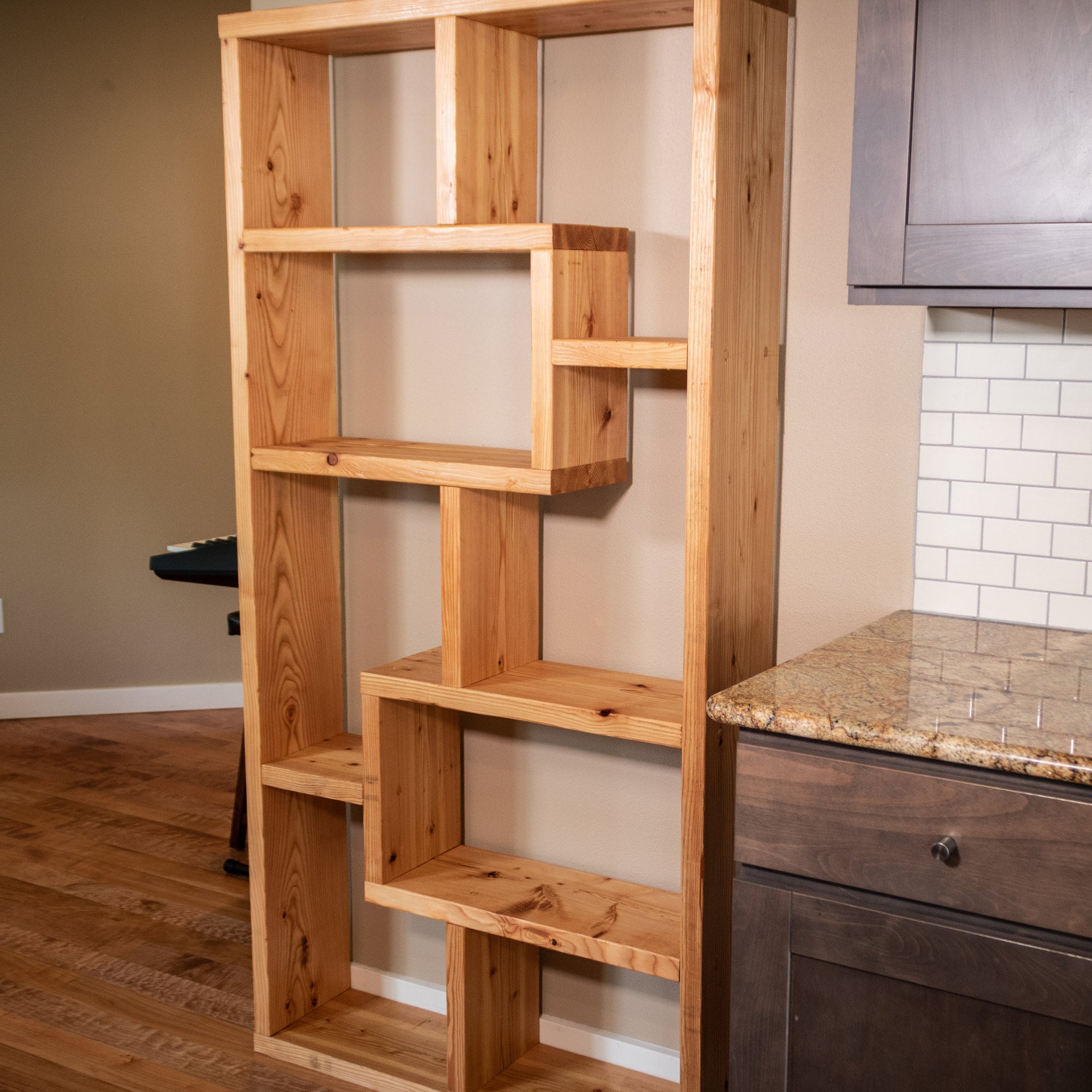
Credit: www.etsy.com
Tools And Tips For Wood Selection
Choosing the right wood is key to building a strong and beautiful bookshelf. Tools and tips help pick the best wood for your project. Knowing what to check and where to find wood makes a big difference.
Checking For Defects And Quality
Look closely at the wood before buying. Avoid wood with cracks, knots, or warping. These flaws can weaken the shelf. Check the wood’s surface for smoothness and even color. Hardwoods like oak or maple are strong and last long. Softwoods like pine are easier to cut but may dent easily. Use a straight edge to check if the board is flat. Tap the wood to hear if it sounds solid. Good wood should feel heavy and sturdy.
Sourcing Sustainable Wood
Choose wood that comes from well-managed forests. Sustainable wood helps protect nature and ensures supply. Look for labels like FSC or PEFC certification. These show the wood is responsibly harvested. Local lumberyards often have sustainable options. Buying local wood also reduces transport pollution. Reclaimed wood is another eco-friendly choice. It has character and reduces waste. Ask sellers about the wood’s origin before you buy.
Frequently Asked Questions
What Is The Best Wood For A Homemade Bookshelf?
Pine is a popular choice due to its affordability and ease of use. Oak offers durability and a classic look. Birch provides a smooth finish and strength. Choose based on budget, style, and durability needs.
How Does Hardwood Compare To Softwood For Bookshelves?
Hardwood is stronger and more durable, ideal for heavy books. Softwood is lighter, easier to work with, and more affordable. Hardwood lasts longer but costs more. Softwood suits budget-friendly and decorative projects.
Can Plywood Be Used For Building Bookshelves?
Yes, plywood is stable, affordable, and resists warping. It’s a great choice for sturdy shelves. Use high-quality plywood with a smooth finish for better appearance and durability.
What Wood Thickness Is Ideal For Bookshelf Shelves?
A thickness of 3/4 inch (18-19mm) is standard for shelves. It supports most book weights without sagging. Thicker shelves add strength for heavy loads but increase cost and weight.
Conclusion
Choosing the right wood makes your bookshelf strong and beautiful. Pine is easy to work with and affordable. Oak offers great durability and classic looks. Cedar resists bugs and smells nice. Think about your budget and style. Also, consider how much weight the shelf will hold.
A well-chosen wood helps your shelf last for years. Enjoy building a shelf that fits your space perfectly. Your effort will show in the final product. Simple wood choices lead to great results.