
Are you wondering how much weight your bunk bed can safely hold? Whether you’re planning to buy one or already have it at home, knowing its weight limit is crucial for your safety and comfort.
You don’t want to risk damage or accidents by overloading it. You’ll discover the key factors that determine a bunk bed’s weight capacity and how to choose the right one for your needs. Keep reading to make sure your bunk bed stays strong and secure for everyone who uses it.
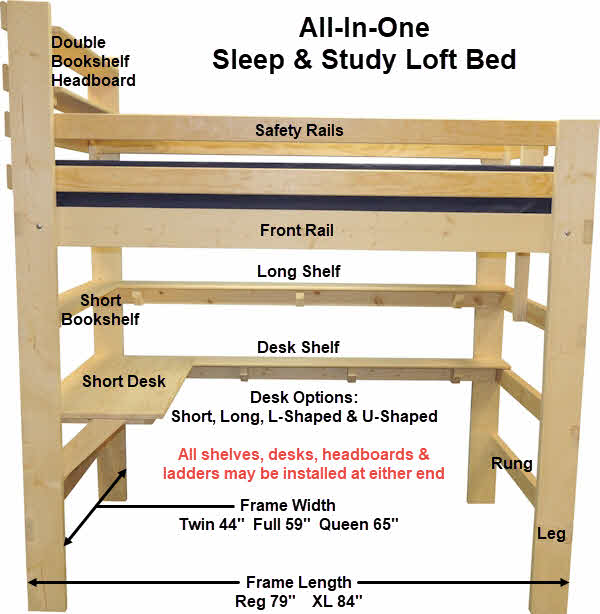
Credit: www.collegebedlofts.com
Weight Limits Of Bunk Beds
Bunk beds are a smart choice for saving space. Knowing their weight limits helps keep users safe. Each bunk bed has a specific weight capacity. This limit depends on many factors like materials and design.
Understanding these limits helps avoid accidents. It also makes sure the bed lasts longer. Let’s explore the standard weight capacities and what affects them.
Standard Weight Capacities
Most bunk beds hold between 200 and 400 pounds per bunk. Twin-size bunks usually support about 200 to 250 pounds. Full-size bunks may hold up to 400 pounds. Some heavy-duty models support even more. Always check the manufacturer’s guidelines before use. These limits include the mattress and the person’s weight.
Factors Affecting Weight Limits
Material quality plays a big role. Metal frames often hold more weight than wood. Solid wood is stronger than particleboard. The bed’s design matters too. Beds with more support beams have higher limits. Proper assembly is key. Loose or missing screws reduce strength. The mattress size and thickness add weight. Age and wear can lower the limit over time. Use the bed as intended to avoid damage.

Credit: maxandlily.com
Materials And Construction
Bunk beds need strong materials and good construction. These factors decide how much weight the bed can hold safely. The frame material and how parts connect matter most. They affect the bed’s strength and durability. Let’s explore two key areas: the types of frames and the joinery and support systems.
Wood Vs Metal Frames
Wood frames offer a classic, sturdy feel. Hardwoods like oak or maple support more weight than softwoods. Wood can be thick and strong, but it may crack if overloaded. Metal frames often hold more weight. Steel frames are popular for their toughness and long life. Metal resists bending and breaking better than wood. Both materials have pros and cons. The choice depends on your needs and style.
Joinery And Support Systems
Strong joinery means tight, secure connections between parts. Screws and bolts create firm joints. Glue alone is weak for heavy loads. Look for beds with metal brackets or reinforced corners. Support systems under the mattress help too. Slats should be close together and thick enough. Some beds have center support bars for extra strength. Good support spreads weight evenly. This prevents sagging and keeps the bed safe.
Age And Usage Considerations
Weight capacity of bunk beds depends on age and usage. Different beds suit different needs. Children and adults require different strength levels in beds. Usage frequency affects how much weight a bunk bed can safely hold. Understanding these factors helps choose the right bunk bed for safety and comfort.
Children’s Vs Adult Bunk Beds
Children’s bunk beds are made lighter and smaller. They usually support 150 to 200 pounds per bunk. Adult bunk beds are stronger and bigger. Their weight limit often ranges from 250 to 400 pounds. Bed frames for adults use thicker wood or metal. This design holds more weight safely. Choosing the right type prevents accidents and damage.
Frequent Use And Wear
Frequent use can reduce a bunk bed’s strength. Constant movement and jumping cause wear and tear. Screws and joints may loosen over time. This lowers the bed’s weight capacity. Inspect the bed regularly for signs of damage. Tighten screws and replace broken parts quickly. This keeps the bed safe and strong for daily use.
Safety Features To Look For
Safety is very important for bunk beds. These beds are high off the ground. Falling could cause serious injuries. Knowing which safety features to check helps protect users. Good safety features make the bed strong and secure.
Guardrails And Ladder Strength
Guardrails prevent falls from the top bunk. Strong, tall rails are best. They should cover most of the bed’s side. Weak or short rails do not protect well. The ladder must be sturdy and fixed tightly. A loose ladder can cause accidents. Check that the ladder supports the weight safely.
Proper Mattress Thickness
Mattress thickness affects safety on the top bunk. Too thick a mattress can reduce guardrail height. This increases the risk of falling. Too thin a mattress may be uncomfortable and unsafe. Follow the bunk bed maker’s mattress size advice. Use the right thickness to keep the bed safe.
Signs Of Structural Weakness
Signs of structural weakness in a bunk bed can affect safety and comfort. Knowing these signs helps prevent accidents and injuries. Watch for changes that show the bed is not as strong as before.
Regular checks keep the bunk bed safe for use. Early detection of problems can save money and effort later. Pay close attention to sounds and visual clues.
Squeaking And Wobbling
Squeaking noises often mean loose joints or worn parts. These sounds appear when weight shifts or when moving on the bed. Wobbling shows instability in the frame or connections. Both signs suggest the bed may not hold weight well. Fixing loose bolts or screws can stop these issues.
Visible Damage And Wear
Cracks in the wood or metal weaken the bed structure. Look for splits, chips, or rust on frames and supports. Worn paint or finish can hide deeper damage. Bent or broken parts reduce the bed’s strength. Replace damaged pieces to keep the bed safe and sturdy.
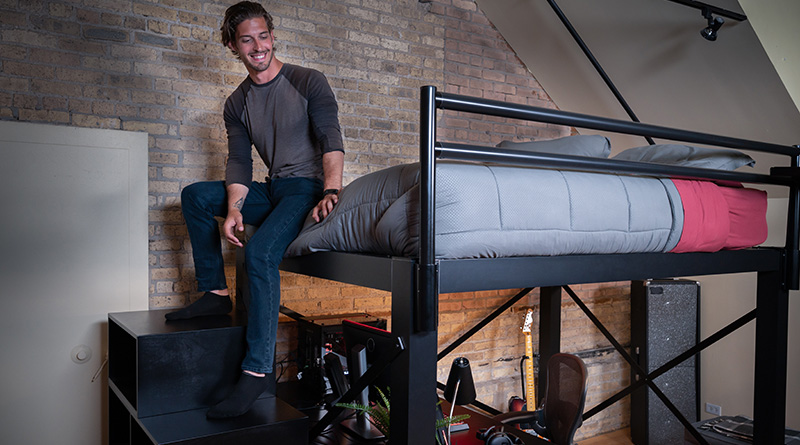
Credit: adultbunkbeds.com
Tips To Maximize Bunk Bed Safety
Ensuring bunk bed safety is key for every home. Simple steps can keep the bed strong and secure. Regular care helps avoid accidents and extends the bed’s life.
Regular Inspections
Check the bed often for loose screws or bolts. Tighten any parts that feel weak or shaky. Look for cracks in the frame or slats. Fix problems immediately to keep the bed safe. Inspect the ladder and guardrails for damage too.
Weight Distribution And Limits
Follow the manufacturer’s weight limits carefully. Avoid placing heavy items on just one side. Spread weight evenly across the bed surface. This prevents bending or breaking of parts. Teach children to avoid jumping or rough play on the bed. Proper use helps maintain stability and safety.
Custom And Heavy-duty Options
Custom and heavy-duty bunk beds offer solutions for those needing extra strength and durability. These beds are built to support more weight than standard models. They suit adults, heavier individuals, or shared sleeping spaces. Custom options allow choosing materials and designs that fit specific needs. Heavy-duty beds focus on strong construction and reliable safety features.
Reinforced Bunk Beds
Reinforced bunk beds use stronger materials like steel or thick hardwood. They include extra support beams and wider slats for better weight distribution. This design helps hold more weight safely. Reinforcements reduce shaking and increase stability. These beds often have a higher weight capacity, sometimes over 600 pounds per bed.
Professional Modifications
Experts can modify bunk beds to increase their strength. They add extra supports or change the frame design. Professionals ensure that all changes meet safety rules. Modifications may include stronger ladders and guardrails. This service is ideal for unique needs or special room sizes. It guarantees a safe, heavy-duty bunk bed built to last.
Common Mistakes To Avoid
Knowing how much weight a bunk bed can hold is important for safety. Many people make simple mistakes that reduce the bed’s strength. These errors can lead to damage or accidents. Avoiding common mistakes helps keep the bed safe and long-lasting.
Ignoring Weight Guidelines
Every bunk bed has a weight limit. This limit includes the mattress, people, and any items on the bed. Ignoring these guidelines can cause the bed frame to break. Manufacturers test beds to set safe weight limits. Follow these limits to prevent accidents and damage.
Improper Assembly
Assembling a bunk bed incorrectly is a common problem. Missing screws or loose bolts make the bed unstable. Using the wrong tools or skipping instructions can weaken the structure. Take time to follow the instructions carefully. Double-check all parts are tight and secure before use.
Frequently Asked Questions
How Much Weight Can A Standard Bunk Bed Hold?
A standard bunk bed typically holds between 200 to 400 pounds per bunk. Always check the manufacturer’s specifications for exact limits. Weight capacity depends on the materials and design quality of the bunk bed.
Does Bunk Bed Weight Capacity Vary By Material?
Yes, bunk beds made from solid wood or metal generally support more weight. Metal frames often have higher weight limits than particleboard or plastic. Material quality directly affects the bed’s strength and durability.
Can Children And Adults Share A Bunk Bed Safely?
Most bunk beds support children and adults within specified weight limits. Ensure combined weight does not exceed the bunk bed’s capacity. Follow safety guidelines to prevent accidents and maintain structural integrity.
How To Increase A Bunk Bed’s Weight Capacity Safely?
To increase weight capacity, reinforce the frame with extra support beams. Use sturdy slats and secure all joints tightly. Avoid exceeding the manufacturer’s recommended weight limits to ensure safety.
Conclusion
Bunk beds hold different weights based on their design. Metal frames often support more than wooden ones. Always check the manufacturer’s weight limit before use. Safety matters most for children and adults alike. Proper assembly also helps keep the bed sturdy.
Avoid overloading to prevent accidents or damage. Knowing these facts helps you choose the right bunk bed. Stay safe and enjoy your space-saving furniture.