
Are you thinking about getting a bunk bed for your kids but wondering how much weight it can really hold? You want to make sure your child is safe and comfortable every night.
Knowing the weight limit of a kids’ bunk bed is important before making a decision. You’ll discover key facts that help you choose the right bunk bed, avoid accidents, and protect your child. Keep reading to find out everything you need to know about bunk bed weight limits and how to pick the safest option for your family.

Credit: maxandlily.com
Weight Limits For Kids Bunk Beds
Weight limits for kids bunk beds ensure safety and durability. Each bed has a maximum weight capacity. This prevents accidents and keeps the bed stable. Knowing these limits helps parents choose the right bunk bed. It also ensures children use the bed safely.
Standard Weight Capacities
Most kids bunk beds support between 150 to 200 pounds. This includes the child and any bedding. The top bunk usually has a lower weight limit than the bottom bunk. Manufacturers test beds to meet safety standards. Always check the label or manual for exact limits.
Variations By Bed Material
Wooden bunk beds often support more weight than metal ones. Solid wood frames can hold up to 200 pounds or more. Metal frames vary but usually hold about 150 to 180 pounds. The quality of materials affects the strength. Stronger materials mean higher weight capacity.
Age And Weight Considerations
Age matters when choosing a bunk bed. Younger kids weigh less and need lower weight limits. Older kids or teens may require beds with higher limits. Weight limits also consider active movement and jumping. Choosing the right bed keeps children safe and comfortable.
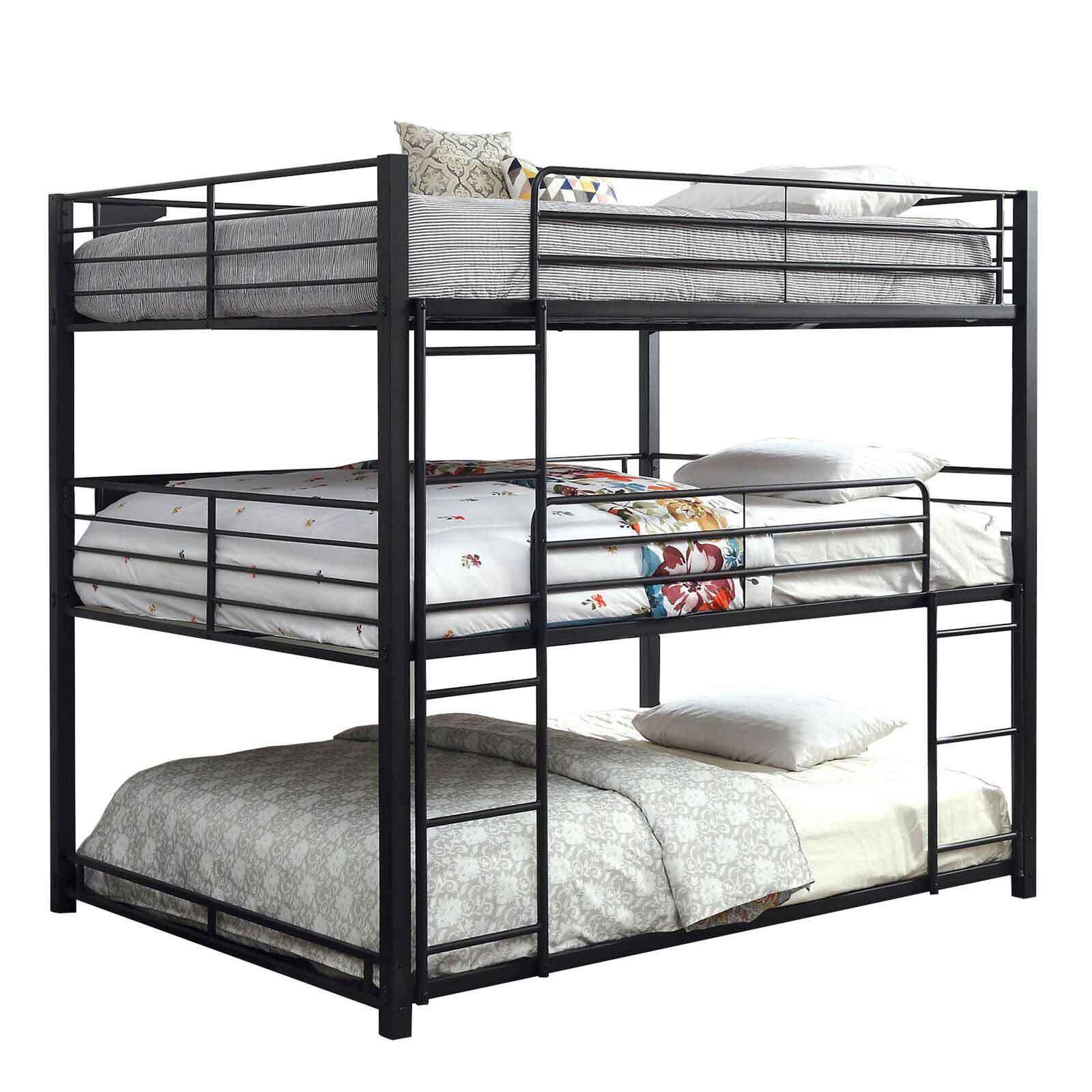
Credit: www.justbunkbeds.com
Safety Standards And Regulations
Safety standards and regulations protect children using bunk beds. These rules set clear limits on weight capacity. They ensure beds are strong and stable. Parents can trust these guidelines to keep kids safe. Understanding these rules helps choose the right bunk bed.
Key Safety Certifications
Certifications show that a bunk bed meets safety tests. Look for marks like ASTM or JPMA on the product. These certificates prove the bed passed weight and durability checks. They also test materials for harmful chemicals. Certified beds offer extra peace of mind for families.
Government Guidelines
Governments set rules about bunk bed design and use. These rules include maximum weight limits for each bed level. They also require guardrails and secure ladders. Rules vary by country but focus on preventing falls and injuries. Following these guidelines keeps children safe during sleep.
Manufacturer Compliance
Reputable manufacturers follow safety standards strictly. They design beds to meet or exceed legal limits. Compliance means using strong materials and proper assembly methods. Manufacturers also provide clear instructions and warnings. Choosing beds from compliant makers reduces risks of accidents.
Factors Affecting Weight Capacity
The weight capacity of a kids’ bunk bed depends on several important factors. These factors ensure the bed is safe and strong enough for children to use. Understanding them helps parents pick the right bunk bed for their kids. Below are the main elements that affect how much weight a bunk bed can hold.
Frame Construction Quality
The frame is the backbone of the bunk bed. Strong materials like solid wood or metal improve weight capacity. Poor quality frames may bend or break under pressure. Joints and screws must be tight and well-made. Good construction means the bed can hold more weight safely.
Type Of Mattress Used
Mattress weight and size matter. Heavy or thick mattresses add extra weight to the bed. Thin or lightweight mattresses reduce the total load. Using the right mattress helps maintain the bed’s strength. Choose mattresses designed for bunk beds for best results.
Bed Design And Support System
Design affects how weight is spread on the bed. Beds with strong slats or solid panels offer better support. Extra legs or center supports add stability. Open or weak designs may lower weight capacity. A good support system keeps the bed steady and safe.
Signs Of Overloading A Bunk Bed
Knowing the signs of overloading a kids bunk bed helps keep children safe. Overloading happens when the bed holds more weight than designed. This causes damage that can be hard to see at first. Spotting early signs prevents accidents and costly repairs.
Visible Wear And Tear
Look for cracks or splits in the wood or metal parts. Loose screws or bolts show the bed is under stress. Scratches and dents may appear more often. The mattress may sag or feel uneven. These signs mean the bed is struggling to hold weight.
Structural Instability Indicators
The bed may wobble or shake during use. Joints might feel loose or move unexpectedly. The ladder can become unstable or creaky. Guardrails may bend or not fit tightly. These problems suggest the frame is weakening.
Potential Risks And Hazards
An overloaded bunk bed risks sudden collapse. Children can fall and get hurt. Loose parts can cause pinches or cuts. The mattress might slide off easily. Ignoring these signs increases danger in the bedroom.
Tips To Maximize Bunk Bed Safety
Ensuring the safety of kids on a bunk bed is very important. Bunk beds save space and look fun. But safety must be the top priority. Simple steps can help keep the bed safe and strong. These tips help prevent accidents and extend the bed’s life.
Regular Inspection And Maintenance
Check the bunk bed often for loose screws or broken parts. Tighten bolts and screws regularly. Look for cracks or weak spots in the frame. Fix any damage immediately. This stops small problems from becoming big dangers.
Proper Mattress Selection
Use the right mattress size for each bunk. A mattress that is too thick can be unsafe. It may block guardrails and cause falls. Choose firm mattresses that fit well in the bed frame. This keeps kids safe and comfortable.
Safe Usage Practices
Teach kids to use the bunk bed safely. No rough play or jumping on the bed. Only one child on the top bunk at a time. Use the ladder carefully and always climb down feet first. These rules help avoid injuries and keep fun safe.
Choosing The Right Bunk Bed For Your Child
Choosing the right bunk bed for your child is important for safety and comfort. The bed must hold your child’s weight securely. It should fit the child’s age and size. Picking the right bed means checking several key factors. These include weight limits, materials, and design features. Each factor helps ensure your child sleeps safely and happily.
Assessing Weight Needs
Know your child’s current weight and possible growth. Bunk beds have weight limits for each level. Check the maximum weight the bed can hold. Don’t pick a bed just for now. Think about your child’s future weight. Choose a bed that supports more than needed. This prevents damage and keeps the bed strong over time.
Material And Build Quality
Wood and metal are common materials for bunk beds. Solid wood is strong and lasts long. Metal beds are lightweight but sturdy. Check if the bed has secure joints and screws. A well-built frame resists shaking and bending. Avoid beds with cheap materials or poor construction. Strong materials keep your child safe during sleep and play.
Age-appropriate Designs
Beds designed for younger kids are smaller and lower to the ground. Guardrails are important to prevent falls. Older kids can use taller beds with more space below. Some beds include ladders that suit children’s climbing skills. Choose a design that fits your child’s age and abilities. Age-appropriate beds make bedtime safer and more fun.

Credit: www.reinforcedbeds.co.uk
Frequently Asked Questions
What Is The Average Weight Capacity Of Kids Bunk Beds?
Most kids bunk beds support between 150 to 200 pounds per bed. Always check manufacturer guidelines for exact limits. Weight capacity depends on materials and construction quality.
Can Kids Bunk Beds Hold Two Children Safely?
Yes, many kids bunk beds are designed to hold two children safely. Ensure combined weight doesn’t exceed the bed’s maximum capacity. Proper assembly and sturdy materials enhance safety.
How To Check Weight Limits On A Bunk Bed?
Weight limits are usually listed in the product manual or label. Contact the manufacturer if information is missing. Avoid exceeding limits to prevent damage or accidents.
Do Metal Bunk Beds Support More Weight Than Wooden Ones?
Generally, metal bunk beds can support more weight than wooden ones. Metal frames offer greater durability and strength. However, quality and design also affect weight capacity.
Conclusion
Kids’ bunk beds usually hold between 150 and 400 pounds. Check the bed’s label for exact weight limits. Exceeding weight can cause damage or accidents. Choose sturdy beds made from strong materials. Make sure the bed fits your child’s size and weight.
Regularly inspect the bed for loose screws or cracks. Safety matters most in any children’s furniture. Proper care helps the bunk bed last longer. Keep these points in mind for safe and happy sleep.