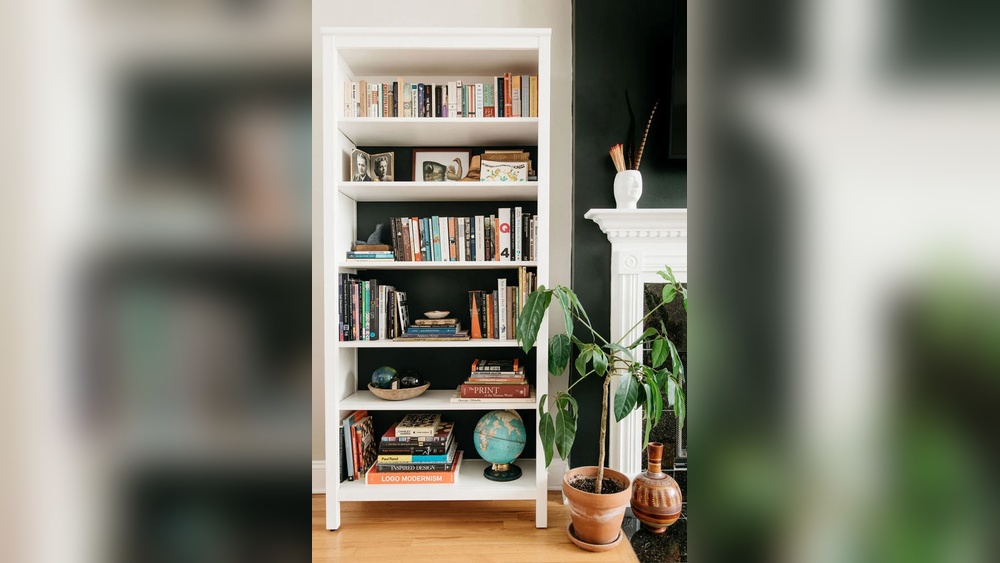
Your bookshelf is more than just a place to store books—it’s a chance to show your style, organize your space, and even boost your mood. But how do you design a bookshelf that fits your personality and needs perfectly?
This guide will help you create a bookshelf that looks great and works well for you. Keep reading to discover simple tips and creative ideas that make your bookshelf truly yours.
Choosing The Right Style
Choosing the right style for your bookshelf sets the tone for your room. It affects how your space feels and works. The style should match your taste and the room’s design. Think about the look you want and how you plan to use the bookshelf. This helps you pick the best design for your needs.
Modern Vs Traditional
Modern bookshelves have clean lines and simple shapes. They fit well in rooms with a sleek, fresh look. Traditional bookshelves often have detailed designs and a classic feel. They work great in cozy, warm spaces. Choose a style that fits your room’s mood and your personal style.
Open Shelves Or Closed Cabinets
Open shelves show off your books and decor. They make a room feel bigger and lighter. Closed cabinets hide clutter and protect books from dust. Think about what you want to display and what to keep out of sight. This choice affects both style and function.
Materials And Finishes
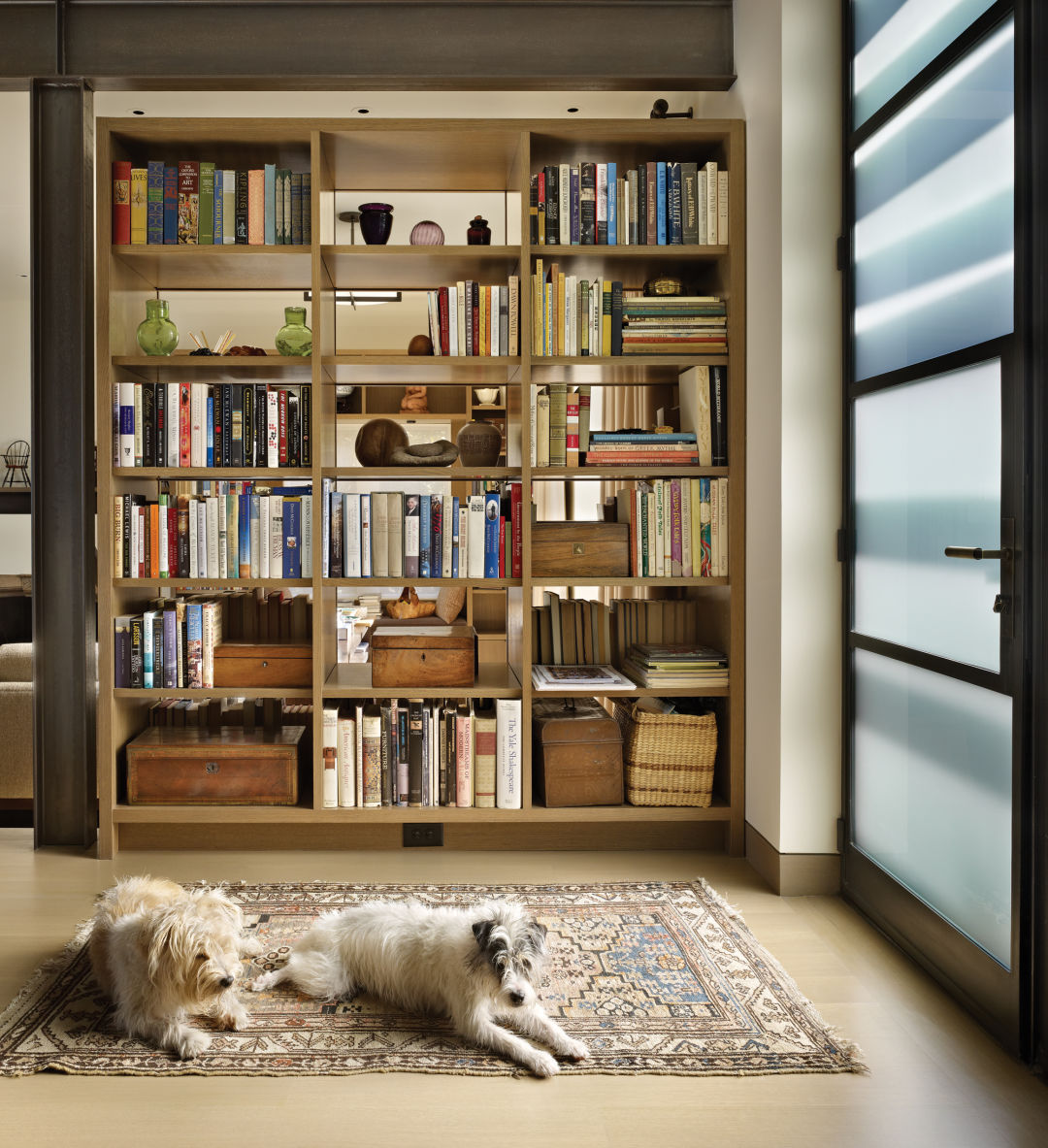
Wood offers warmth and a natural look. It can be light or dark, smooth or rough. Metal adds an industrial or modern touch. It is strong and often sleek. Glass shelves look clean and light but need careful care. Pick materials that match your room and lifestyle.
Credit: www.seattlemet.com
Measuring Your Space
Measuring your space is the first step in designing a perfect bookshelf. It ensures the shelf fits well and looks balanced in your room. Taking accurate measurements helps you avoid mistakes and wasted materials. Follow these simple steps to measure your space correctly.
Assessing Wall Dimensions
Start by measuring the width and height of the wall where you want the bookshelf. Use a tape measure for accuracy. Note any obstacles like windows, doors, or electrical outlets. Mark these on your sketch to avoid fitting problems later. Double-check your numbers to be sure.
Considering Room Layout
Think about how the bookshelf will fit in the overall room design. Measure the space between furniture pieces and walls. Leave enough room for walking and other activities. A well-placed bookshelf enhances the room’s look and function. Keep traffic flow in mind while measuring.
Allowing For Accessibility
Measure the space you need to reach shelves easily. Ensure there is enough clearance for opening doors or drawers. Leave space for comfortable access to books and items. Accessibility makes using your bookshelf pleasant and practical. Plan for future adjustments or additions.
Creative Shelf Arrangements
Creative shelf arrangements turn a simple bookshelf into a stylish focal point. They add personality and charm to any room. You can arrange books and decor in unique ways to make your shelf stand out.
Experiment with shapes, directions, and built-ins. These ideas make your bookshelf more than just storage.
Asymmetrical Designs
Asymmetrical shelves break the usual balance. They use different sized compartments and uneven spacing. This creates a lively, modern look. Place some books vertically and some decor items to keep it interesting. It adds movement and draws the eye.
Mixing Vertical And Horizontal
Stack some books horizontally and stand others vertically. Horizontal stacks act as small platforms for plants or photos. Vertical rows keep your books easy to find. This mix creates texture and layers on the shelf. It also prevents the design from looking flat or boring.
Incorporating Built-ins
Built-in shelves fit perfectly into your room’s walls. They save space and look custom-made. Use built-ins to highlight special collections or art pieces. Add lighting inside the shelves to make items pop. Built-ins give a clean, polished feel that blends with your decor.
Credit: www.sarah-montgomery.com
Balancing Function And Aesthetics
Designing a bookshelf requires a careful balance between function and aesthetics. The shelf should store books efficiently while looking attractive in the room. Both aspects matter for a space that feels organized and welcoming.
Organizing books neatly helps find titles fast. Decorating the shelf adds personality. Using color and texture creates visual interest. These ideas work together to make your bookshelf useful and beautiful.
Book Organization Techniques
Sort books by size, genre, or author. Grouping similar books keeps the shelf tidy. Place frequently read books at eye level. Use vertical and horizontal stacks to save space. Leave some gaps for a clean look.
Adding Decorative Elements
Include small plants or photo frames. Use candles or art pieces for variety. Mix decorations with books to break monotony. Keep decorations simple to avoid clutter. Change items seasonally for freshness.
Using Color And Texture
Arrange books by color for a bold effect. Mix smooth and rough materials for depth. Use baskets or boxes for hidden storage. Choose shelf materials that match the room. Color and texture add warmth and style.
Maximizing Storage Space
Maximizing storage space is key to an effective bookshelf design. Small areas can hold many items when planned well. Clever use of space keeps your room tidy and organized. It also makes your bookshelf more useful and attractive.
Adjustable Shelves
Adjustable shelves allow you to change shelf height. This flexibility fits books and objects of different sizes. Move shelves up or down to create space for tall books. It helps avoid wasted space above short items. Adjustable shelves also adapt as your collection grows.
Utilizing Corners And Nooks
Corners and small nooks often go unused. Installing shelves in these areas adds valuable storage. Corner shelves make good use of awkward spaces. They can hold books, plants, or decorations. Using nooks keeps the main wall free and open.
Multi-purpose Shelving
Multi-purpose shelves combine storage with other functions. A bookshelf can also serve as a room divider. Or it can include drawers and cabinets for hidden storage. This design saves space by reducing the need for extra furniture. It keeps your room neat and functional.
Diy Vs Professional Help
Designing your bookshelf can be a fun project. You may choose to do it yourself or hire a professional. Both options have benefits and challenges. Understanding these can help you make a smart decision.
Budget Considerations
DIY projects often cost less. You buy materials and tools only. No labor fees. But mistakes can add extra costs. Professionals charge for their skills. Their work is usually faster and neat. This can save money on repairs later.
Skill Level Assessment
Think about your skills honestly. Do you know how to measure and cut wood? Can you use tools safely? Simple shelves can be built with basic skills. Complex designs need more experience. Lack of skill may lead to poor results or injury.
When To Hire Experts
Hire experts for custom or large bookshelves. Also, if you want a perfect finish and durability. Professionals handle complex designs and heavy materials well. They have the right tools and knowledge. This ensures your bookshelf lasts long and looks great.
Maintaining Your Bookshelf
Maintaining your bookshelf keeps it looking fresh and lasting longer. Regular care stops dust buildup and damage. It also helps your shelf match your room’s style over time. Simple steps make a big difference in keeping your bookshelf neat and attractive.
Cleaning Tips
Dust your bookshelf often using a soft cloth. A microfiber cloth works best to catch dust without scratching. Clean between books and on shelves to remove hidden dirt. Use a slightly damp cloth for sticky spots. Dry the surface quickly to avoid water damage.
Preventing Damage
Avoid placing your bookshelf in direct sunlight. Sunlight can fade wood and weaken materials. Keep liquids away to prevent spills and stains. Use coasters if you place drinks nearby. Check the shelf’s weight limits and do not overload it. Heavy loads can cause shelves to sag or break.
Updating Style Over Time
Change the look of your bookshelf by rearranging items. Add new decorations like plants or framed photos. Paint or stain the bookshelf to give it a fresh color. Swap old books for new ones to keep it interesting. Small updates keep your space feeling modern and inviting.

Credit: aprettyfix.com
Frequently Asked Questions
How Do I Choose The Right Bookshelf Size?
Measure your available space first. Consider the number and size of your books. Choose a bookshelf that fits comfortably without crowding the room. Balance height, width, and depth for both function and aesthetics.
What Materials Are Best For Durable Bookshelves?
Solid wood offers durability and a classic look. Metal provides a modern, sturdy option. MDF is budget-friendly and versatile. Choose based on your style, budget, and weight capacity needs.
How Can I Organize Bookshelves Effectively?
Sort books by genre, size, or color for easy access. Use vertical and horizontal stacking to save space. Add decorative items to break monotony. Label shelves if helpful for quick identification.
What Lighting Works Best For Bookshelf Display?
Use LED strip lights or spotlights to highlight books. Warm white light creates a cozy ambiance. Avoid harsh or direct lighting to prevent glare and damage.
Conclusion
Designing your bookshelf can be simple and fun. Choose the right size and style first. Think about what you want to store. Mix books with decorations for a nice look. Keep things neat and easy to reach. Use good lighting to highlight your shelf.
Personal touches make it feel like yours. Small changes can make a big difference. Enjoy your new, organized space every day. Keep updating it as your needs change. Your bookshelf can be both useful and beautiful.