Have you ever felt uneasy about your bookshelf wobbling or tipping over? It’s not just a small annoyance—it can be a real safety risk for you and everyone in your home.
You want your books and treasures to stay secure, without the fear of a sudden crash. You’ll discover simple, effective ways to keep your bookshelf steady and safe. By the end, you’ll have easy solutions that protect your space and give you peace of mind.
Keep reading, because your bookshelf’s stability matters more than you think.
Causes Of Bookshelf Tipping
Bookshelves tipping over can cause injuries and damage. Understanding why this happens helps prevent accidents. Several common causes make bookshelves unstable and prone to tipping.
Weight Distribution Issues
Uneven weight on shelves creates imbalance. Heavy items placed on the top shelves raise the center of gravity. This makes the bookshelf easy to tip forward. Books and objects should be spread evenly. Keep heavier items on lower shelves for better stability.
Unstable Flooring
Uneven or soft flooring can cause a bookshelf to lean. A wobbly base means the shelf cannot stand firm. Floors with carpets or rugs may also reduce stability. Ensuring the bookshelf rests on a flat, solid surface helps it stay upright.
Improper Installation
Incorrect assembly or poor fastening weakens the shelf’s structure. Shelves not anchored to the wall are more likely to fall. Loose screws or missing brackets reduce support. Following installation instructions and securing the bookshelf improves safety.
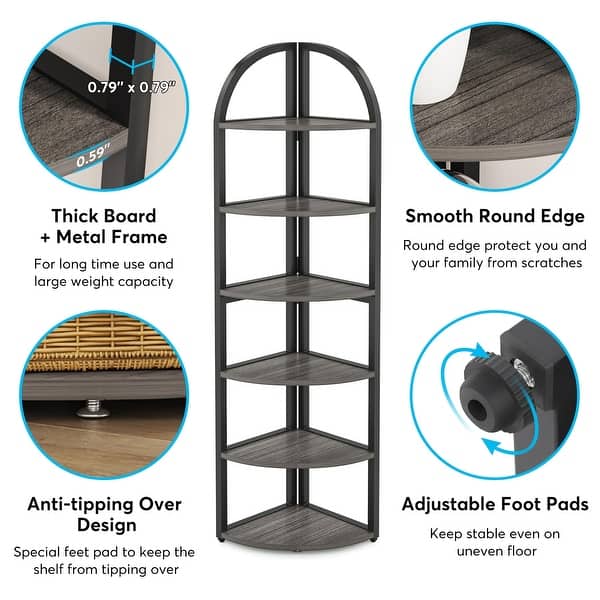
Credit: www.bedbathandbeyond.com
Choosing The Right Bookshelf
Choosing the right bookshelf plays a big role in keeping it stable and safe. A sturdy bookshelf reduces the risk of tipping over. It also protects your books and home. Select a bookshelf that fits your space and holds your collection well. Consider the materials, size, and safety features before buying.
Material And Build Quality
Pick bookshelves made from strong materials like solid wood or metal. These materials offer better support and last longer. Avoid cheap particleboard as it can bend or break easily. Check the joints and screws for tightness. A well-built shelf stays steady and holds heavy books without wobbling.
Size And Height Considerations
Choose a bookshelf that fits your room size comfortably. Taller shelves can be less stable if not fixed properly. A lower shelf is safer, especially in homes with children or pets. Wide bases provide better balance. Match the shelf height with the wall space available to prevent accidents.
Safety Certifications
Look for bookshelves with safety certifications from trusted organizations. These prove the product meets safety standards. Certifications show the shelf has passed tests for stability and strength. Certified shelves reduce the risk of tipping and injury. Always check product labels or descriptions for safety marks.
Proper Placement Techniques
Proper placement is key to stopping a bookshelf from tipping. It helps keep the shelf steady and safe. Knowing where to put your bookshelf can prevent accidents. The right spot means less chance of falling.
Stable Surface Selection
Choose a flat and hard floor. Avoid soft carpets or uneven ground. A stable surface holds weight better. It stops the bookshelf from wobbling. Check the floor before placing the shelf.
Avoiding High-traffic Areas
Put the bookshelf away from busy paths. This lowers the chance of bumps. Less traffic means less risk of tipping. Keep the shelf in quiet corners or rooms. Safe spots keep the bookshelf steady.
Spacing From Walls
Leave a small gap between the wall and shelf. This space allows easy anchoring. Do not push the shelf too close. Too tight can cause imbalance. Proper spacing helps secure the bookshelf firmly.
Securing Bookshelves To Walls
Securing bookshelves to walls prevents tipping accidents and keeps your space safe. It adds stability and protects children and pets from harm. Properly anchored shelves hold heavy books without wobbling. This simple step improves the overall safety of your home.
Types Of Wall Anchors
Choose the right wall anchor for your wall type. Plastic anchors work well on drywall and light loads. Metal anchors provide stronger support for heavier shelves. Toggle bolts expand behind the wall for maximum hold. Use anchors designed for masonry if mounting on brick or concrete.
Installation Steps
Mark the shelf position on the wall with a pencil. Drill holes where the anchors will go. Insert the wall anchors securely into the holes. Align the bookshelf brackets and screw them into the anchors. Check the shelf for stability before placing books on it.
Tools Needed
Gather a drill with proper drill bits for your wall. Use a screwdriver to tighten screws firmly. A pencil helps mark drill points accurately. A level ensures the shelf is straight and even. Anchors and screws should fit the bookshelf brackets.
Balancing And Organizing Books
Balancing and organizing books is key to keeping a bookshelf stable. Proper arrangement helps prevent tipping and keeps books easy to find. A well-organized shelf looks neat and supports safety in your space.
Distributing Weight Evenly
Place books evenly across the shelves. Avoid stacking too many books on one side. Spread the weight to keep the shelf balanced. This simple step reduces the risk of tipping.
Heavier Items On Lower Shelves
Put heavy books and items on the bottom shelves. This lowers the center of gravity and adds stability. Light books fit best on the upper shelves. This order stops the shelf from leaning forward.
Using Bookends And Supports
Use bookends to hold books upright and steady. Supports stop books from sliding and falling. This keeps the shelf organized and balanced. Choose sturdy bookends for better support.

Credit: www.amazon.com
Additional Safety Measures
Keeping your bookshelf stable is very important for safety. Besides basic placement, extra steps help stop tipping. These extra safety measures protect your home and family. They make sure your bookshelf stays upright and secure.
Anti-tip Straps And Brackets
Anti-tip straps and brackets fasten the bookshelf to the wall. They stop it from falling forward. These devices are easy to install with screws. Use strong materials like metal for better hold. Attach straps high and low for more safety.
Regular Maintenance Checks
Check your bookshelf often for loose screws or damage. Tighten any loose parts immediately. Look for cracks or weak spots in wood. Make sure the bookshelf stands straight and firm. Routine checks help catch problems early.
Childproofing Tips
Place heavy items on the lowest shelves. Keep small objects away from children’s reach. Use locks or barriers on lower shelves if needed. Teach kids not to climb or pull on the bookshelf. These steps reduce accidents and keep kids safe.
Emergency Preparedness
Emergency preparedness is key to keeping your home safe from bookshelf accidents. Bookshelves can tip over suddenly, causing injuries and damage. Being ready helps you act fast and reduce harm. Learn simple steps to handle tipping bookshelves and protect your family.
What To Do If A Bookshelf Starts Tipping
Stay calm and move away quickly. Do not try to catch the shelf. Guide others, especially children, to a safe spot. If someone is caught, call for help immediately. Avoid pushing or pulling the shelf to prevent more damage.
First Aid Basics For Injuries
Check for cuts, bruises, or broken bones. Clean small wounds with water and apply a bandage. Use ice packs to reduce swelling. If bleeding is heavy, apply pressure and seek medical help. For serious injuries, call emergency services right away.
Preventing Future Accidents
Anchor bookshelves to the wall using brackets or straps. Place heavy items on lower shelves. Avoid overloading shelves beyond their limit. Teach children not to climb on furniture. Regularly check the stability of your shelves to keep them secure.

Credit: www.amazon.com
Frequently Asked Questions
How Can I Prevent My Bookshelf From Tipping Over?
Secure your bookshelf to the wall using brackets or straps. Place heavier items on lower shelves to maintain balance. Avoid overloading any single shelf to reduce tipping risks.
What Tools Do I Need To Stabilize A Bookshelf?
You need wall anchors, brackets or anti-tip straps, a drill, screwdriver, and a level. These tools help securely fasten the bookshelf to the wall, ensuring stability and safety.
Are Anti-tip Straps Effective For Bookshelf Safety?
Yes, anti-tip straps are highly effective. They anchor the bookshelf to the wall, preventing falls and accidents. They are easy to install and provide reliable protection.
Where Should Heavy Books Be Placed On A Bookshelf?
Place heavy books on the lowest shelves. This lowers the center of gravity and improves stability. It reduces the chance of the bookshelf tipping over.
Conclusion
Keeping your bookshelf steady is simple with the right steps. Secure it to the wall to prevent tipping. Place heavy items on the lower shelves for balance. Avoid overloading any one side or shelf. Check stability often to catch problems early.
A safe bookshelf protects your books and your home. Small actions make a big difference in safety. Start today to keep your space secure and neat.