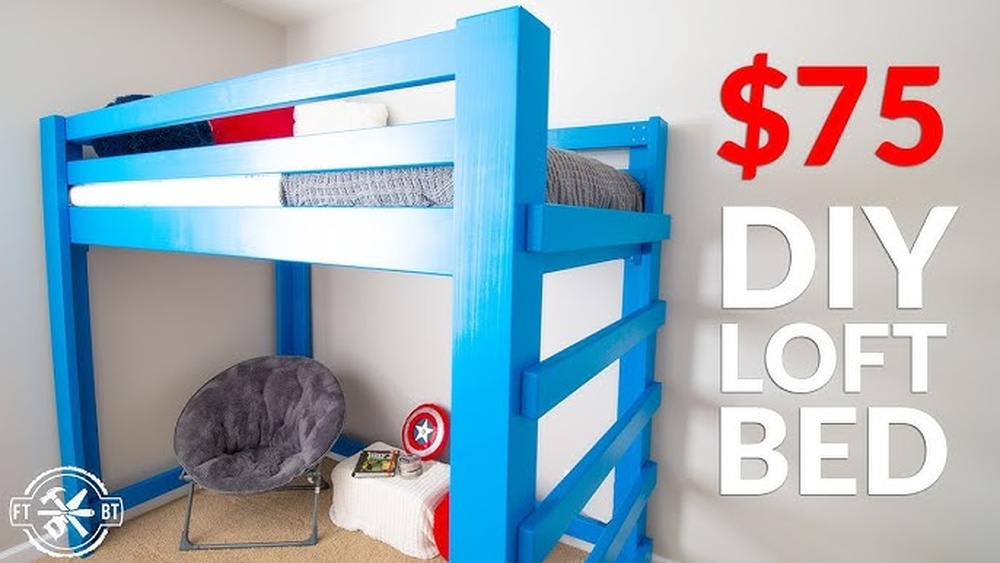
Are you looking for a way to save space and add fun to your home? Building a simple bunk bed might be the perfect solution.
Imagine having extra room for guests or giving your kids their own cozy space to sleep and play. In this guide, you’ll discover easy steps to make a sturdy bunk bed without needing special skills or expensive tools. Stick with me, and by the end, you’ll feel confident to create a bunk bed that fits your needs and style.
Ready to transform your space? Let’s get started!
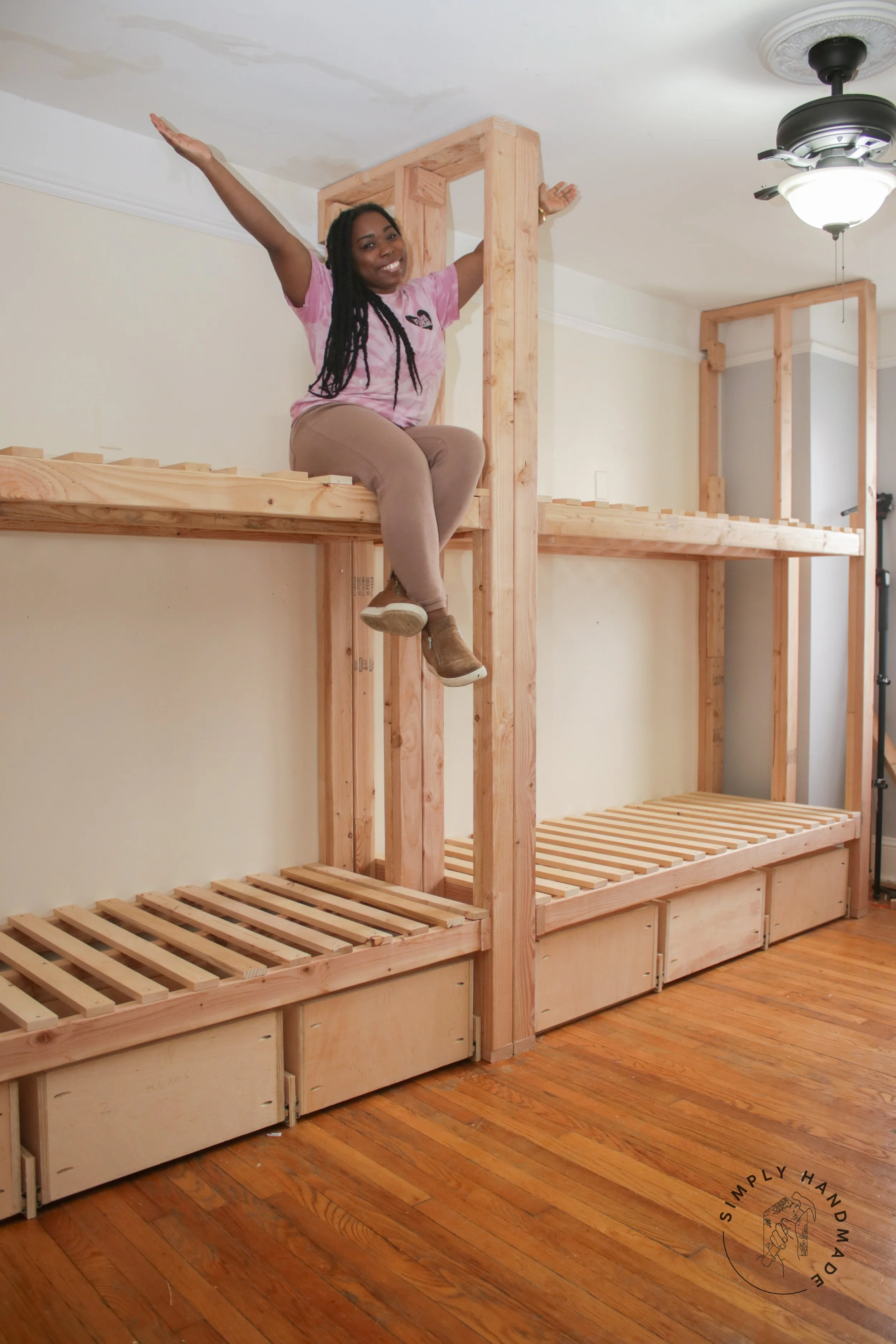
Credit: www.simplyhandmadestudios.com
Materials And Tools Needed
Before building a simple bunk bed, gather all materials and tools. This step saves time and makes the work smoother. Using the right items ensures safety and durability. Prepare a clean workspace for easy access to everything.
Wood Materials
Choose strong, solid wood like pine or oak. You need long planks for the frame and shorter pieces for support. Smooth wood helps prevent splinters. Avoid wood with cracks or knots.
Fasteners And Hardware
Get screws, bolts, and wood glue. Screws hold the parts tightly. Bolts add extra strength. Wood glue keeps joints firm. Also, get metal brackets for extra support.
Tools Required
Use a drill to make holes and drive screws. A saw cuts wood to the right size. Sandpaper smooths rough edges. A measuring tape ensures correct lengths. A screwdriver tightens screws and bolts.
Safety Gear
Wear safety glasses to protect your eyes. Use gloves to avoid splinters. A dust mask helps when sanding wood. Keep a first aid kit nearby for small cuts.
Choosing The Right Wood
Choosing the right wood is a key step in making a simple bunk bed. The wood must be strong, safe, and easy to work with. Picking the best type ensures the bed lasts long and holds weight well.
Wood type affects the bed’s look and stability. Some woods are soft and easy to cut. Others are hard and very strong. Understanding wood types helps you make the best choice.
Hardwood Vs. Softwood
Hardwood comes from trees like oak, maple, and walnut. It is very strong and lasts a long time. Hardwood is heavier and can be harder to cut. Softwood comes from pine, cedar, or fir trees. It is lighter and easier to work with. Softwood may not last as long as hardwood.
Durability And Strength
Strength is important for safety. The bed must support children’s weight without bending. Oak and maple offer high durability. Pine is less strong but still usable. Choose wood that can handle pressure and use.
Workability And Finish
Wood that is easy to cut and sand saves time. Pine and cedar are good for beginners. These woods take paint and stain well. Hardwoods may need more tools and skill to shape.
Cost And Availability
Price matters for many builders. Softwoods like pine cost less than hardwood. Check local stores for available wood types. Choose wood that fits your budget and project needs.
Measuring And Cutting Pieces
Measuring and cutting pieces is the first big step in building your bunk bed. It helps make sure every part fits just right. Accurate measurements keep the bed safe and strong. Cutting the wood carefully saves time and materials later on.
Prepare a clear workspace and gather all tools. A tape measure, pencil, saw, and square are essential. Mark each piece on the wood clearly. Double-check all numbers before cutting. Remember, small mistakes can cause big problems.
Choosing The Right Wood Dimensions
Select sturdy wood that can hold weight well. Common choices include pine or oak boards. Measure the length and width needed for bed frames and supports. Write down each dimension clearly on paper. Plan for extra pieces like guardrails and ladder steps.
Marking Your Wood Pieces Accurately
Use a pencil to mark cut lines on wood. Employ a square to keep lines straight and even. Check each mark twice to avoid errors. Mark all pieces before starting to cut. Clear marks help guide your saw precisely.
Cutting Wood Safely And Precisely
Wear safety goggles and gloves before cutting wood. Use a saw that matches your wood type and thickness. Cut slowly along the pencil lines for clean edges. Let the saw do the work; don’t force it. Sand edges lightly after cutting to avoid splinters.
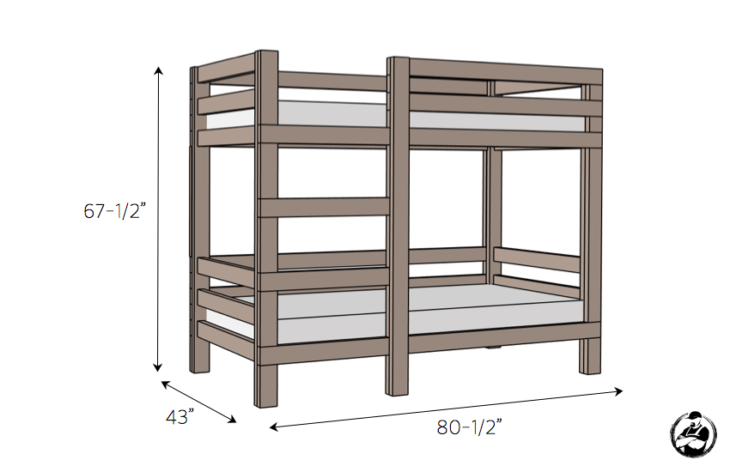
Credit: rogueengineer.com
Building The Bed Frame
Building the bed frame is the first important step in making a simple bunk bed. The frame holds everything together. It must be strong and stable for safety. This section guides you through creating a solid frame easily. Follow the steps carefully for the best results.
Assembling The Base
Start by making the base of the bed frame. Use sturdy wooden boards for support. Lay two long boards parallel on the floor. Place shorter boards between them to form a rectangle. Attach the shorter boards with screws. Check that the corners form right angles. This base will hold the mattress and support weight.
Make sure the base is level and firm. Tighten all screws to avoid movement. The base must not wobble or creak. A strong base ensures the bed lasts long and stays safe.
Constructing The Side Rails
Next, build the side rails. These rails connect the base to the rest of the frame. Cut two long boards for each side rail. Attach vertical posts at each end for height. The posts will support the top bunk later.
Secure the side rails to the base with strong screws. Use a level to keep rails straight. Add extra screws for better strength. Side rails keep the frame stable and prevent shifting. They also support the mattress and guardrails.
Creating The Ladder
Creating the ladder is an important step in building a simple bunk bed. The ladder must be safe and easy to climb. It should fit well with the bed frame. Use strong wood to support weight. Measure carefully for the right size. This part will guide you through making a sturdy ladder.
Select wood that is solid and smooth. Pine or oak works well. Avoid wood with cracks or knots. The wood should be thick enough to hold weight. Usually, 1.5-inch thick boards are good for ladder sides. For the rungs, use wood about 1 inch thick.
Measuring And Cutting The Ladder Parts
Measure the height of the bunk bed. Cut two long boards for the ladder sides. Cut several shorter pieces for the steps, called rungs. Each rung should be the same length. Make sure the rungs fit between the side boards. Sand all the edges to avoid splinters.
Assembling The Ladder
Place the rungs evenly between the two side boards. Space the rungs about 10 to 12 inches apart. Use wood glue and screws to fix the rungs. Pre-drill holes to avoid splitting the wood. Check that the ladder is straight and solid after assembly.
Securing The Ladder To The Bunk Bed
Attach the ladder to the bed frame securely. Use strong screws or bolts. The top of the ladder should rest against the bed’s side rail. Make sure it does not wobble. Test the ladder by climbing it carefully before use.
Adding Safety Rails
Adding safety rails to a bunk bed is very important. They stop anyone from falling out while sleeping. Safety rails give peace of mind for parents and kids. They make the top bunk much safer and more secure.
Safety rails also help kids feel safe and comfortable. They create a small barrier around the bed edges. This barrier keeps sleepers inside the bed space. It is smart to add strong, easy-to-use safety rails.
Choosing The Right Material For Safety Rails
Wood and metal are the best materials for safety rails. Wood matches most bunk bed styles and feels warm. Metal rails can be very strong and long-lasting. Pick material that fits your bed frame well.
Check for smooth edges and no sharp parts. This keeps children safe from cuts and scratches. The material should hold steady without wobbling or bending.
Measuring And Installing Safety Rails Correctly
Measure the bed’s side carefully before buying or cutting rails. Rails should be tall enough to stop a child from rolling off. Usually, rails about 5 to 7 inches above the mattress work well.
Use screws and brackets to fix the rails firmly. Avoid loose or shaky parts. Tighten all bolts and test the rails by pushing them gently.
Adding Padding To Safety Rails For Extra Protection
Padded rails add softness and reduce injury risk. Use foam or fabric covers around the rails. Make sure padding fits tightly and does not slip off.
Soft rails protect children’s heads and arms during sleep. This small step improves overall safety and comfort.
Sanding And Finishing
Sanding and finishing are key steps in building a simple bunk bed. They help protect the wood and make the bed look smooth and nice. Proper sanding removes rough spots and splinters. Finishing adds a layer that keeps the wood safe from damage and wear.
Taking time to sand and finish your bunk bed will improve its safety and lifespan. It also gives the bed a clean, professional look. This part of the project is not hard but needs some care and patience.
Sanding The Wood
Start sanding with coarse sandpaper to remove big rough areas. Move evenly across all surfaces. After that, use finer sandpaper to smooth the wood. Sand edges and corners well to avoid splinters. Wipe dust off with a dry cloth before finishing.
Choosing The Right Finish
Pick a finish that suits your wood type and room use. Clear varnish keeps the wood natural looking. Paint adds color and extra protection. Use non-toxic finishes, especially for kids’ furniture. Check drying time and apply in a well-ventilated space.
Applying The Finish
Use a brush or cloth for applying the finish. Spread it in thin, even coats. Let each coat dry completely before applying the next. Sand lightly between coats for a smooth surface. Finish all areas, including hidden spots and edges.
Tips For Stability And Safety
Building a simple bunk bed is fun and useful. Safety and stability are very important. A strong bunk bed prevents accidents and lasts longer. Follow these tips to keep your bunk bed steady and safe.
Use Quality Materials
Choose strong wood or metal for your bed frame. Cheap materials can break easily. Solid wood like pine or oak works best. Check for cracks or weak spots before building.
Tighten All Screws And Bolts
Loose screws make the bed wobbly. Use a screwdriver to tighten every screw. Check bolts regularly to keep them firm. This keeps the bunk bed steady.
Add Support Beams
Support beams help hold the bed’s weight. Place beams under the mattress frame. Use extra wooden slats if needed. This stops the bed from bending or breaking.
Secure The Ladder Firmly
Make sure the ladder is safe to climb. Attach it tightly to the bed frame. Check the ladder steps for strength. A loose ladder can cause falls.
Use Guardrails On The Top Bunk
Guardrails stop sleepers from falling out. Install rails on all sides of the top bunk. Make the rails high enough to protect sleepers. Use smooth, rounded edges for safety.
Place The Bed On A Flat Surface
Uneven floors make bunk beds unstable. Find a flat spot for your bed. Use furniture pads if the floor is slippery. This keeps the bed from moving or tipping.
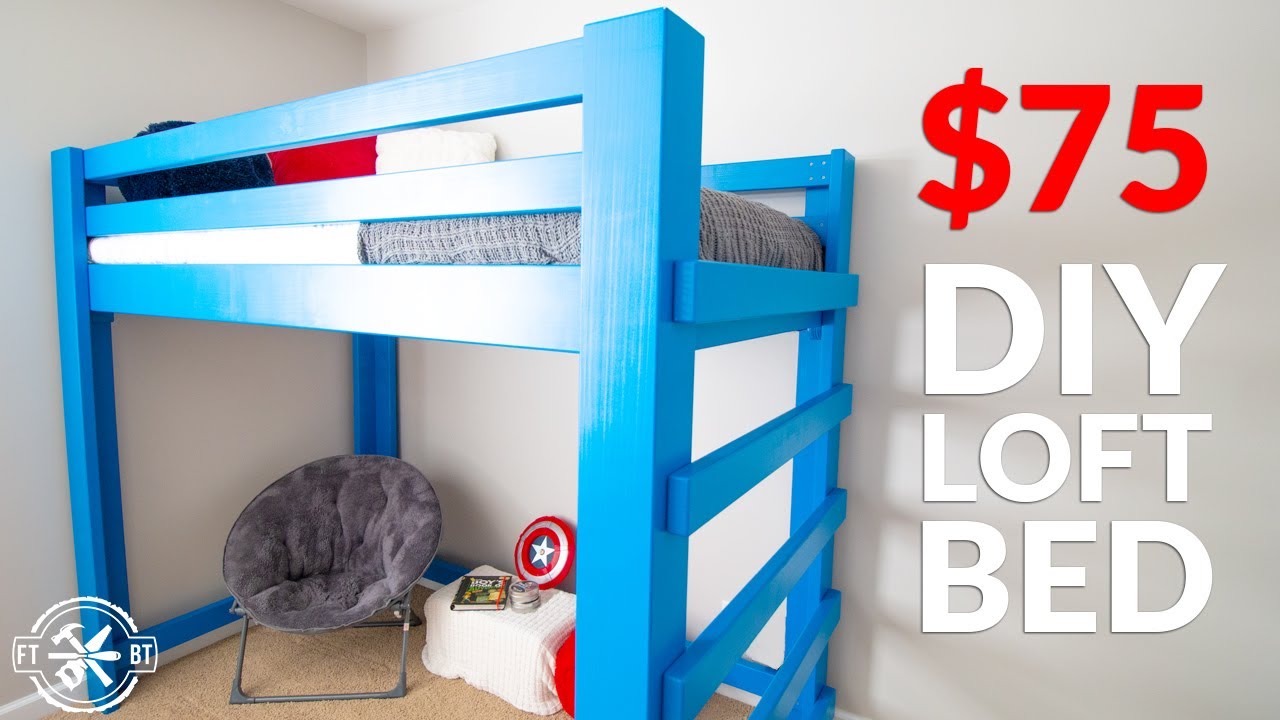
Credit: www.youtube.com
Frequently Asked Questions
How Much Wood Is Needed For A Simple Bunk Bed?
You need around 8-10 planks of sturdy wood, each 8 feet long. Choose quality pine or hardwood for safety and durability. Additional materials include screws, wood glue, and sandpaper. Always buy a bit extra for mistakes or adjustments.
What Tools Are Required To Build A Bunk Bed?
Basic tools include a saw, drill, screwdriver, measuring tape, and sander. Clamps and a level help with stability and accuracy. Having safety gear like goggles and gloves is essential. These tools make the building process safer and smoother.
How Long Does It Take To Build A Bunk Bed?
Building a simple bunk bed typically takes 6 to 8 hours. This depends on your skill level and tool availability. Planning and preparing materials beforehand can reduce construction time. Always allow extra time for finishing touches and safety checks.
What Safety Features Are Essential For Bunk Beds?
Include sturdy guardrails on the top bunk to prevent falls. Ensure the ladder is securely attached and easy to climb. Use non-toxic finishes and sand all surfaces smooth. Proper weight support and spacing between bunks are also crucial for safety.
Conclusion
Building a simple bunk bed can save space and add style. Follow clear steps and use safe materials. Take your time and measure twice to avoid mistakes. A sturdy bunk bed lasts for years and keeps kids happy. Enjoy the pride of making furniture with your own hands.
This project fits well in small rooms and shared spaces. Try it yourself and see how easy it can be. Safe, strong, and simple—that’s the key to a great bunk bed.
