Are you tired of staring at a messy bookshelf, struggling to find the book you want? Imagine opening your shelf and instantly spotting the exact title you need.
Alphabetizing your books isn’t just about neatness—it saves you time and makes your space feel calm and organized. But how can you do it fast, without feeling overwhelmed? Keep reading, and you’ll discover simple, smart tricks to transform your bookshelf quickly and effortlessly.
Your perfect system is just a few steps away.
Choosing An Alphabetizing Method
Choosing how to alphabetize your bookshelf helps keep it neat and easy to use. Your method depends on how you read and find books. Some like to sort by the author, others by the book title. Some even mix genres with authors for a unique order.
By Author Name
Sorting books by author name is a classic choice. It groups all books by the same writer together. This method helps find all books by your favorite author quickly. Arrange the names from A to Z by last name. This system works well for fiction lovers and collectors.
By Book Title
Alphabetizing by book title puts the focus on the book itself. This is useful if you remember titles better than authors. Ignore words like “a,” “an,” or “the” at the start. Sort the rest of the title from A to Z. This method suits readers who often recall book names first.
By Genre And Author
Combine genre and author to create a flexible order. First, separate books by their genre or category. Then, sort each genre group by author name alphabetically. This method helps if you like to browse by type of book. It keeps your collection organized and easy to explore.
Credit: www.ted.com
Preparing Your Bookshelf
Before you start alphabetizing your books, prepare your bookshelf well. A clean and organized space helps you work faster and better.
Taking time to clear and measure your shelf space makes the process smooth. It also prevents clutter and overcrowding later.
Clearing And Cleaning
Remove all books and items from your bookshelf. Dust each shelf carefully using a soft cloth or duster.
Cleaning prevents dirt from settling on your books. It also gives you a fresh start for arranging your collection.
Measuring Shelf Space
Measure the width, height, and depth of each shelf. Note these measurements to understand your space limits.
Knowing shelf size helps you decide how many books fit comfortably. It avoids overcrowding and damage to your books.
Sorting Books Efficiently
Sorting books efficiently saves time and keeps your shelf neat. It helps you find books fast and enjoy your collection more. A simple plan makes the process smooth and clear. Start with gathering all your books in one place.
Gathering All Books
Take every book off your shelves. Include books from other rooms or piles. This step shows exactly how many books you have. It also helps you see the space needed on your shelf. Arrange them on a clean surface to begin sorting.
Quick Sorting Techniques
Sort books by a clear rule, like author or title. Use the alphabet from A to Z to group them. Quickly scan each book’s spine to decide its place. Skip over details and focus on the first letter. This speeds up sorting and avoids confusion.
Using Temporary Stacks
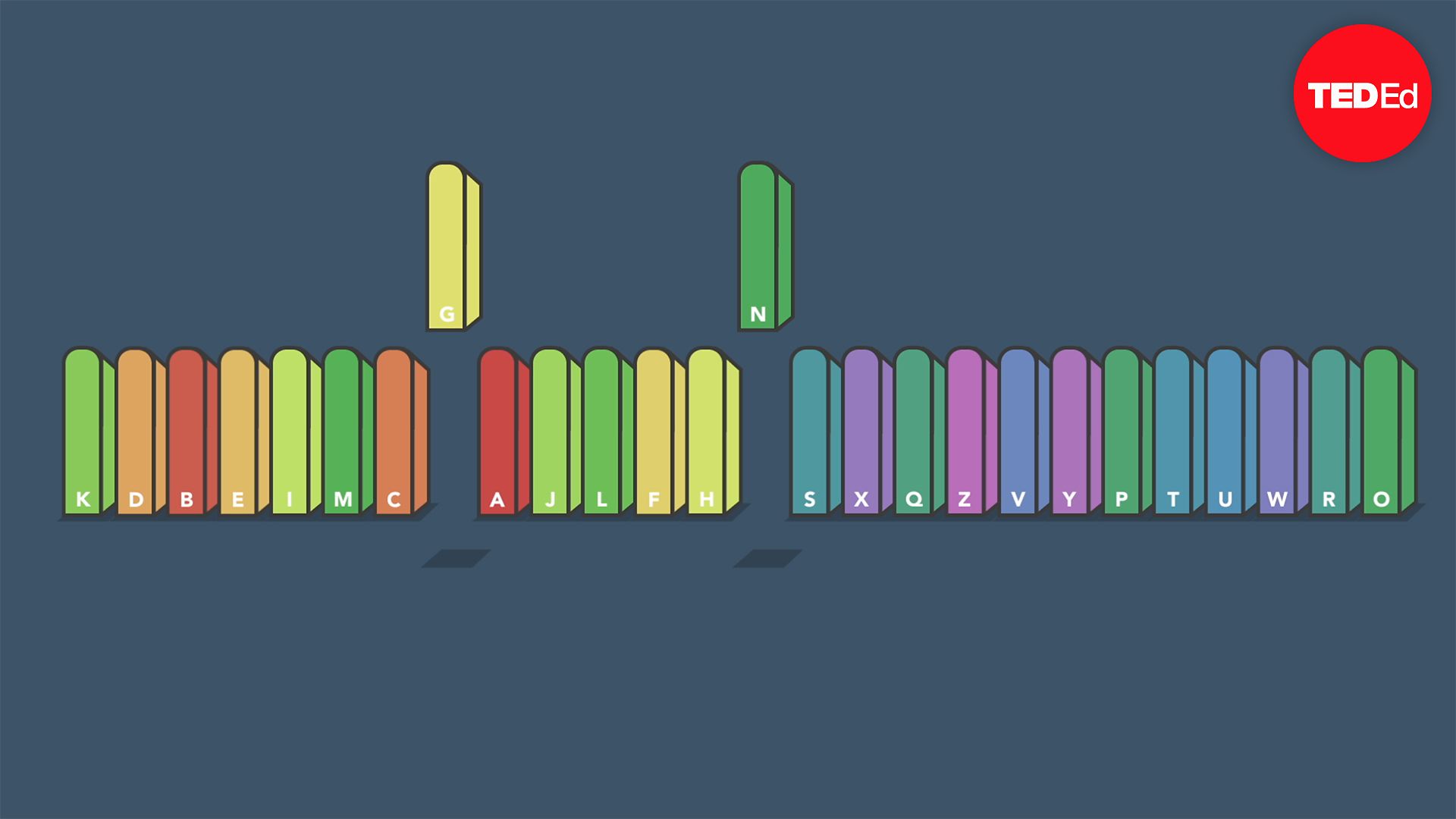
Create small stacks for each group of letters. For example, one stack for A-C, another for D-F, and so on. This method keeps books organized during sorting. It also helps prevent mixing up groups. After stacking, place books on the shelf in order.

Credit: www.youtube.com
Tools To Speed Up The Process
Organizing a bookshelf can take hours without the right help. Tools can make the process faster and easier. They keep you focused and reduce mistakes.
These tools fit different needs. Some help label books quickly. Others track your collection on your phone. Templates guide you step-by-step.
Label Makers
Label makers create clear, neat tags for your books. You can print letters or numbers in seconds. This helps to sort books by author or title. Labels make it easy to find books later. They reduce the time spent searching for the right spot.
Book Cataloging Apps
Book cataloging apps store your book list on your phone. You scan barcodes or type titles fast. The app arranges books alphabetically for you. It shows where each book belongs on your shelf. You avoid mistakes and save time rearranging.
Alphabetizing Templates
Alphabetizing templates provide a simple guide for sorting books. They show the order of letters and sections. You follow the template step-by-step to place books correctly. Templates help keep the process organized and clear. They work well for large collections or shared spaces.
Maintaining Alphabetical Order
Keeping your bookshelf in alphabetical order is key to finding books fast. It saves time and makes your space look neat. Maintaining this order takes some effort but is worth it for easy access.
Small habits help keep everything in place. Follow simple steps to avoid chaos and enjoy a well-organized shelf.
Regular Updates
Check your shelf often for misplaced books. Fix small errors quickly to stop confusion. A quick weekly glance keeps the order clean. This habit prevents big messes later.
Handling New Arrivals
Place new books in their correct spot right away. Don’t just stack them on top or at the end. Find the right place by author or title. This keeps the order fresh and easy to follow.
Preventing Mix-ups
Label sections if needed to guide yourself or others. Use simple tags for each letter range. Teach family or friends how to return books properly. Clear rules stop mix-ups and keep order steady.
Credit: www.ted.com
Frequently Asked Questions
How Do I Quickly Sort Books Alphabetically?
Start by grouping books by author or title first. Use sticky notes to mark sections. Then, arrange each group alphabetically for faster sorting and easy access.
What Tools Help Alphabetize Books Fast?
Use bookends to separate sections. Label shelves with stickers or tags. A digital list or app can track titles for quicker sorting and organization.
Should I Alphabetize By Author Or Title?
Alphabetizing by author is common for fiction. Use title for non-fiction or series. Choose the method that fits your reading habits best.
How Often Should I Reorganize My Bookshelf?
Reorganize every 3-6 months or after adding many books. Regular maintenance keeps the system efficient and easy to use.
Conclusion
Sorting your books by title or author saves time and effort. Start by grouping books into small piles for easier handling. Use labels or sticky notes to keep track of sections. Work steadily, and avoid rushing to prevent mistakes. A neat, alphabetized shelf helps you find books fast.
Enjoy your organized space and happy reading!