
Are you looking to free up floor space and add a stylish touch to your room? Wall mounting a bookshelf is a smart way to keep your favorite books and decor within reach while creating a clean, organized look.
But if you’re unsure where to start or worried about making mistakes, don’t worry—you’re in the right place. In this guide, you’ll find simple, step-by-step instructions that anyone can follow. By the end, you’ll have a sturdy, beautifully mounted bookshelf that transforms your space.
Ready to get started? Let’s dive in!
Credit: nathanjames.com
Choose The Right Bookshelf
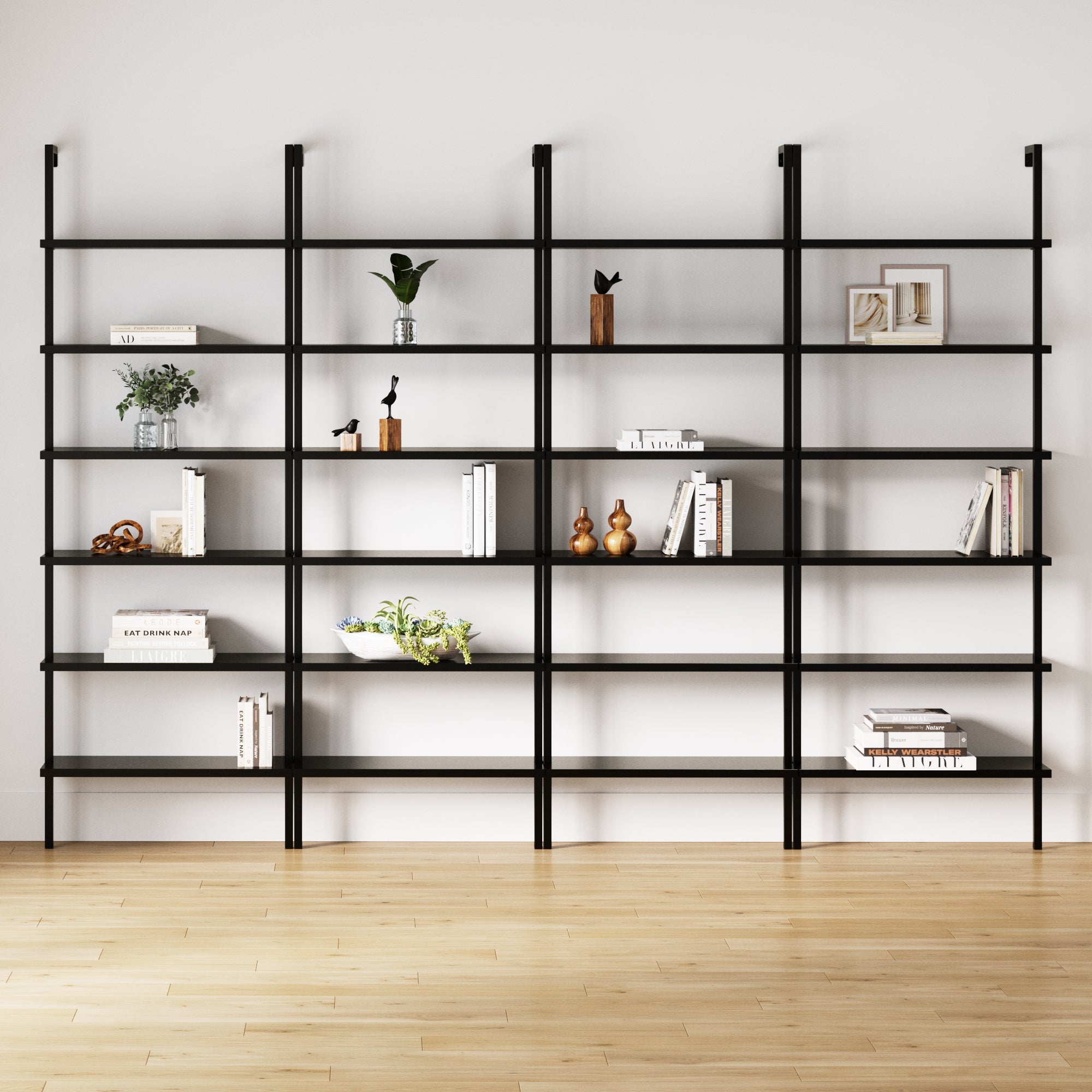
Choosing the right bookshelf is the first step to a safe and stylish wall mount. The right choice depends on your space, needs, and the type of wall you have. A good bookshelf fits well and holds your items securely. It also matches your room’s look. Consider the material, weight, size, and style before buying.
Material And Weight Considerations
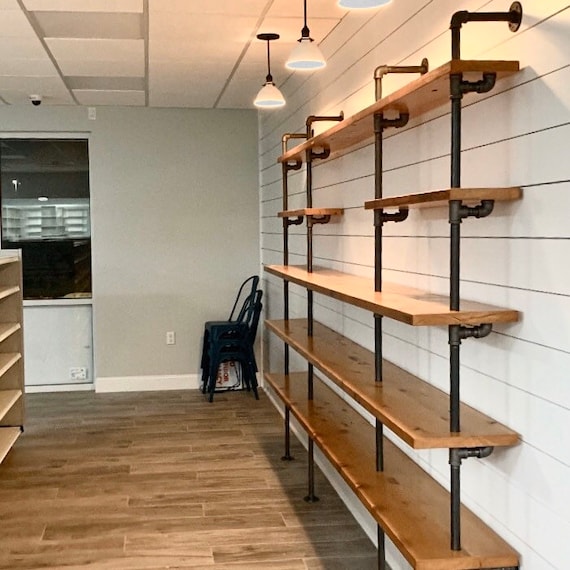
Wood is strong and classic. It supports heavy books well. Metal shelves are sturdy and modern but can be heavier. Particle board is light but less durable. Check the weight limit of the shelf before buying. Make sure your wall can hold the shelf’s weight with books on it.
Size And Style Selection
Measure your wall space carefully. Choose a size that fits the area without crowding. Small shelves suit small walls. Large shelves work for big spaces. Pick a style that matches your room. Simple designs fit most rooms. Fancy shelves add character but may not suit every decor.
Credit: www.etsy.com
Gather Necessary Tools
Gathering the right tools is the first step to wall mount a bookshelf safely and neatly. Having everything ready saves time and avoids mistakes. It helps to work smoothly from start to finish.
Tools For Measurement And Marking
Accurate measurements are key to a balanced bookshelf. Use a tape measure to check distances and heights. A pencil helps mark spots on the wall clearly.
A level ensures the shelf stays straight. Marking with a stud finder shows where the wall studs are. These tools help place the shelf securely and neatly.
Mounting Hardware Essentials
Strong hardware supports the bookshelf and its contents. Get screws and anchors fit for your wall type. Drywall anchors work for hollow walls, while masonry anchors suit brick or concrete.
Wall brackets or mounting plates hold the shelf tightly. Choose hardware that matches the shelf’s size and weight. Using the right pieces prevents accidents and keeps your shelf steady.
Find The Ideal Wall Spot
Finding the right spot on your wall is key for mounting a bookshelf safely. This step ensures your shelf stays secure and looks great. Picking a strong, suitable wall area prevents damage and keeps your books safe. Follow simple steps to check your wall type and find the best support points.
Checking Wall Type
Know what type of wall you have before starting. Drywall is common but weak for heavy shelves. Concrete or brick walls hold weight better. Use a magnet or stud finder to test your wall. Avoid places with pipes or wires inside. Choose a flat, clean area free from nails and screws.
Locating Studs For Support
Studs are vertical wooden beams behind drywall. They provide strong support for your bookshelf. Use a stud finder tool to find these beams. Tap the wall lightly and listen for solid sounds. Mark the stud spots with a pencil. Always mount shelves into studs for safety and stability.
Mark Placement Accurately
Marking the placement accurately is key to a secure and level bookshelf. Proper marks ensure your shelf sits perfectly on the wall. It prevents uneven mounting and potential damage. Take your time to measure and mark carefully. This step sets the foundation for a smooth installation process.
Measuring Height And Level
Start by deciding the height for your bookshelf. Use a tape measure to find the exact spot on the wall. Mark this spot lightly with a pencil. Next, check the level to avoid a tilted shelf. Place a level tool along the marks. Adjust the marks until the bubble is centered. This confirms your shelf will hang straight.
Marking Drill Points
Hold the bookshelf against the wall at the marked height. Use a pencil to mark where the screws will go. Focus on the wall studs for strong support. Measure the distance between mounting holes on the shelf. Transfer these distances to the wall marks. Double-check all points before drilling to ensure accuracy.
Prepare The Wall
Preparing the wall is a key step before mounting your bookshelf. This step ensures the shelf stays secure and safe. A well-prepared wall supports the weight of the shelf and your books. Take time to mark and check the wall carefully. Use a level to keep everything straight. This preparation helps avoid damage to your wall and shelf.
Drilling Pilot Holes
Start by marking the spots where you will drill. Use a pencil to make small marks. Choose a drill bit that fits the screws or anchors. Drill slowly to avoid cracking the wall. Drill pilot holes to guide the screws easily. Pilot holes help the screws go in straight and hold better.
Inserting Anchors Or Screws
Check the wall type before inserting anchors or screws. For drywall, use wall anchors to hold more weight. Push or tap anchors gently into the pilot holes. For studs or solid wood, screws can go directly into the holes. Tighten screws firmly but do not over-tighten. Proper anchors and screws keep your shelf stable and safe.
Mount The Bookshelf
Mounting the bookshelf is a key step to secure your shelf safely on the wall. Proper mounting keeps the shelf stable and protects your items. Follow the steps carefully for a strong hold.
Securing Brackets Or Mounts
Start by fixing the brackets or mounts to the wall. Use a stud finder to locate solid studs. Screw the brackets firmly into these studs. Avoid drywall alone for better support. Use a level to keep brackets even. Tighten all screws securely to prevent wobbling.
Hanging And Adjusting The Shelf
Place the bookshelf onto the secured brackets. Check that it sits flush against the wall. Adjust the shelf to make sure it is level. Use a level tool for accuracy. Tighten any screws or fasteners on the shelf. Confirm the shelf does not move or tilt before use.
Check Stability And Safety
Checking the stability and safety of your wall-mounted bookshelf is very important. This step ensures the shelf stays secure and holds your books without any risk. A stable shelf protects your walls and keeps your items safe.
Weight Testing
Start by adding a few light items to the shelf. See if it holds steady without any wobbling. Slowly increase the weight by adding more books. Watch for any signs of bending or loosening. Stop if the shelf feels unstable or moves.
Test the shelf with the heaviest items you plan to place on it. Make sure the mounting brackets and wall anchors do not shift. This check helps avoid accidents and damage later.
Final Adjustments
Check all screws and brackets again. Tighten any loose parts with a screwdriver. Adjust the shelf so it sits level against the wall. Use a level tool for accuracy.
Look for gaps between the shelf and wall. Push the shelf gently to confirm it is firmly fixed. Small movements can mean it needs better support.
Completing these final checks ensures your bookshelf is safe and stable for daily use.

Credit: www.simplifiedbuilding.com
Style And Organize Bookshelf
Styling and organizing a wall-mounted bookshelf makes a big difference in your room. It helps your space look neat and inviting. A well-arranged shelf shows off your books and decorations beautifully. Careful placement brings balance and charm.
Good organization also makes it easy to find your favorite books. You can mix books with decor items for a fresh look. Keep your shelf tidy to keep the wall safe and your display attractive.
Arranging Books And Decor
Place books both vertically and horizontally to create interest. Use bookends or small sculptures to hold books in place. Mix colors and sizes for a lively look. Add plants or photo frames for a personal touch. Leave some empty space to avoid clutter. Group similar items for a clean style.
Maintaining Wall And Shelf
Check the shelf brackets regularly for stability. Clean dust from books and decor often. Use a soft cloth to avoid scratches. Avoid placing heavy items that can damage the wall. Fix any loose screws quickly to keep the shelf secure. Proper care keeps your shelf safe and beautiful.
Frequently Asked Questions
How Do I Find Studs For Mounting A Bookshelf?
Use a stud finder to locate studs behind the wall. Mark their positions with a pencil. Studs provide strong support for heavy shelves, ensuring stability and safety when mounting your bookshelf.
What Tools Are Needed To Wall Mount A Bookshelf?
You’ll need a stud finder, drill, screws, level, screwdriver, and a pencil. These tools help ensure accurate placement and secure mounting of your bookshelf to the wall.
Can I Mount A Bookshelf On Drywall Without Studs?
Yes, but use heavy-duty wall anchors designed for drywall. They provide sufficient support for lighter shelves but avoid heavy loads to prevent damage or accidents.
What Height Should I Mount A Bookshelf?
Mount shelves at eye level or slightly above for easy access. Adjust height based on room use and personal preference to optimize space and usability.
Conclusion
Wall mounting a bookshelf saves space and adds style to any room. Follow each step carefully for a safe, strong hold. Use the right tools and anchors to support weight well. Take your time to measure and level the shelf perfectly.
Enjoy your neat, organized space with books displayed nicely. A well-mounted shelf keeps your room tidy and looks great. Try this simple project to improve your home easily.