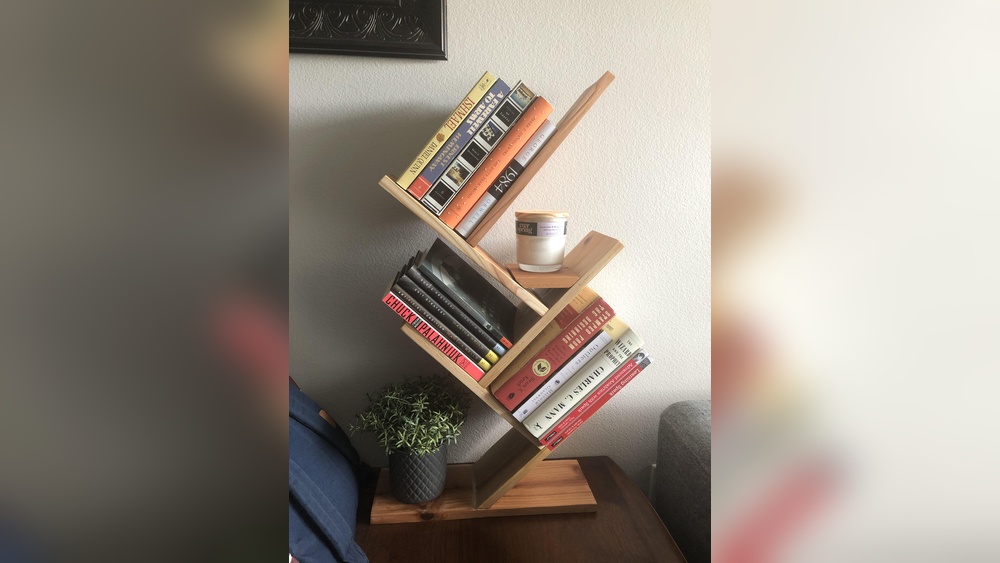
Are you tired of plain, boring bookshelves that blend into the background? Imagine a bookshelf that not only holds your favorite reads but also becomes the centerpiece of your room.
Building a diagonal bookshelf can transform your space with style and creativity. This project is easier than you think, and you’ll feel proud every time you see it. Ready to make your own unique bookshelf that stands out? Keep reading, and I’ll guide you step-by-step on how to build a diagonal bookshelf that fits your style and space perfectly.
Materials And Tools Needed
Building a diagonal bookshelf is a fun project that needs the right materials and tools. This step is important to make sure your bookshelf is strong and looks great. Using good materials and the correct tools will make the building process easier and faster.
Below, find a list of what you will need. Each part helps you create a sturdy and stylish bookshelf.
Choosing The Right Wood
Choose wood that is strong and easy to work with. Pine is a good option for beginners. It is soft and cuts easily. Oak and maple are harder woods but last longer. Make sure the wood boards are straight and free from cracks. The thickness should be about 1 inch for shelves and frame. This thickness holds books well without bending.
Essential Tools For The Job
You will need a saw to cut wood pieces. A circular saw or miter saw works best for clean angles. Use a drill to make holes and insert screws. A screwdriver or power driver helps tighten screws quickly. A tape measure is important to get exact lengths. A level will keep your shelves straight and balanced. Sandpaper or an electric sander smooths rough edges.
Additional Supplies
Use wood screws to hold parts together firmly. Wood glue adds extra strength to joints. Painter’s tape helps hold pieces while gluing. Sanding block or sponge makes finishing easier. Choose paint or wood stain for a nice look. Use brushes or rags to apply finishes evenly. Safety glasses and gloves protect your eyes and hands during work.

Credit: www.youtube.com
Planning Your Bookshelf
Planning your diagonal bookshelf sets the foundation for a smooth build. Careful preparation saves time and reduces mistakes. It helps you create a sturdy and beautiful shelf that fits your space perfectly.
Start by understanding your space and your needs. Think about the size, shape, and style of the bookshelf. This step guides every decision you make next.
Measuring And Designing
Measure the wall or area where the shelf will go. Write down the height, width, and depth you want. Consider the size of books or items you will store.
Design your bookshelf to fit these measurements. Keep it simple but practical. Think about balance and how the shelves will hold weight.
Selecting The Diagonal Layout
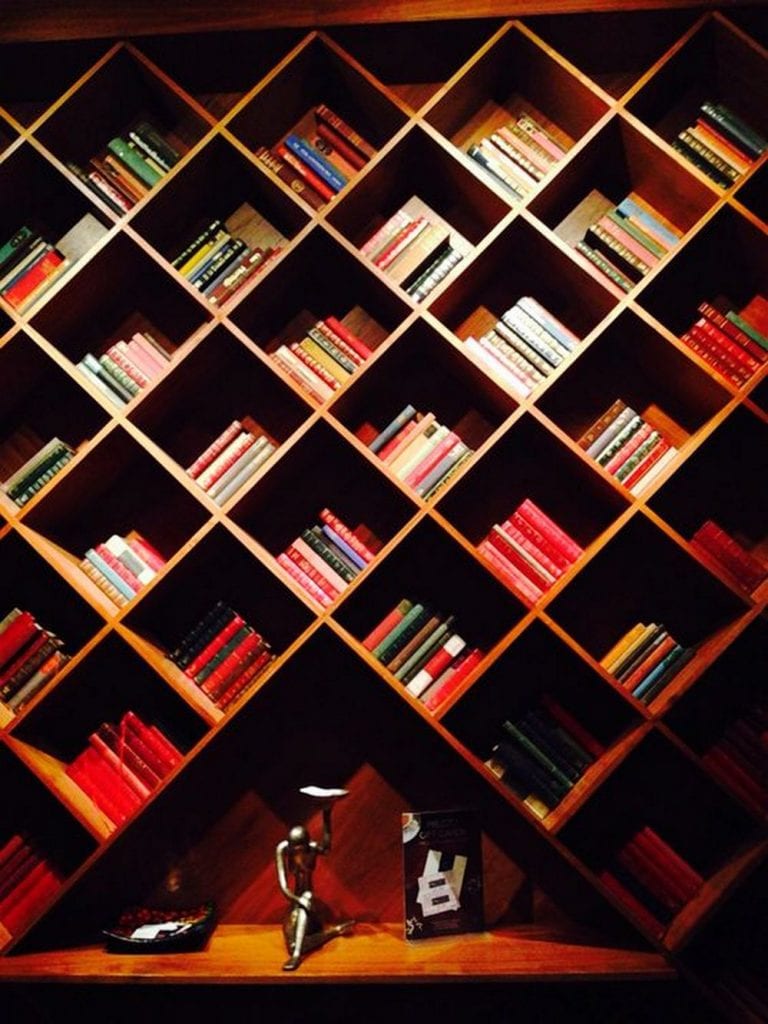
Diagonal bookshelves add a unique look. Decide the angle for the shelves. Common angles are 45 or 60 degrees.
Choose a layout that makes the best use of space. Check if the diagonal shelves allow easy access to books. Make sure the design matches your room’s style.
Sketching Your Blueprint
Draw a clear blueprint of your bookshelf. Include all measurements and angles. This sketch acts as your guide during building.
Use graph paper or a digital tool to keep lines straight. Label each part to avoid confusion later. Double-check your design for errors or missing details.
Cutting The Wood Pieces
Cutting the wood pieces is a key step in building a diagonal bookshelf. Each piece must fit perfectly to create the angled design. Careful measuring and cutting ensure the bookshelf is sturdy and looks great. Take your time with this step to avoid mistakes that can waste wood and effort.
Marking The Angles
Start by marking the angles on your wood pieces. Use a protractor or angle finder to get the exact angle for the diagonal cuts. Draw clear lines with a pencil. Double-check each mark before cutting to avoid errors. Precise marking is the foundation for a clean, professional look.
Using A Miter Saw
A miter saw is the best tool for cutting angled wood pieces. Set the saw to the marked angle. Hold the wood steady against the fence. Make slow, steady cuts to keep the edges smooth. A sharp blade helps prevent splintering. Safety first: wear goggles and keep hands away from the blade.
Ensuring Precision Cuts
Measure twice, cut once. Check each cut after making it. Use a square to confirm angles are correct. Sand rough edges for a smooth finish. Precise cuts help the bookshelf pieces fit tightly. This creates a strong, stable structure that lasts long.
Assembling The Frame
Assembling the frame is the first step to building a strong diagonal bookshelf. This step sets the base for the entire structure. Take your time to fit the pieces carefully. Proper assembly ensures the shelf looks good and holds weight well.
Joining The Sides
Start by connecting the two side panels. Use wood glue on the edges for a firm hold. Then, secure them with screws or nails. Make sure the sides are aligned at the right angle. This will form the diagonal shape of the bookshelf.
Securing The Shelves
Next, attach the shelves between the side panels. Position each shelf evenly. Apply glue on the ends before placing the shelves. Fasten them with screws for extra strength. Double-check that each shelf is level and straight.
Checking For Stability
After assembly, test the frame’s stability. Gently shake the frame to see if it wobbles. Tighten any loose screws or nails. Use clamps to hold parts together while drying. A stable frame will keep your books safe and secure.
Finishing Touches
Finishing touches give your diagonal bookshelf a polished, professional look. They protect the wood and enhance its beauty. Taking time on these steps ensures your bookshelf lasts longer and looks great in any room.
Sanding For Smoothness
Start by sanding the entire bookshelf to remove rough spots. Use fine-grit sandpaper for a smooth surface. Sand along the grain to avoid scratches. Wipe off dust with a clean cloth after sanding. Smooth wood helps paint or stain stick better.
Applying Paint Or Stain
Choose paint or stain that matches your room’s style. Use a brush or cloth to apply evenly. Apply thin coats for a natural finish. Let each coat dry completely before adding another. Paint brightens, while stain shows the wood grain.
Adding Protective Coating
Seal the wood with a clear protective coating. Polyurethane or varnish works well for durability. Apply with a brush in thin, even layers. Allow each layer to dry before the next. This coating protects from scratches and water damage.

Credit: theownerbuildernetwork.co
Installing And Styling
Installing and styling your diagonal bookshelf brings your project to life. This step shapes how your space looks and feels.
Proper installation ensures safety and stability. Styling adds personality and warmth to your room.
Positioning The Bookshelf
Choose a wall with enough space and good lighting. Avoid spots that block walkways or doors.
Place the bookshelf where it can be seen easily. This makes it a focal point in your room.
Check the wall for studs to secure the shelf firmly. Use a level to keep it straight and balanced.
Decorating Tips
Mix books with decorative items like plants or small art pieces. Keep some shelves less crowded for a neat look.
Arrange books by color or size to create visual interest. Use bookends to keep titles upright and tidy.
Add personal items that reflect your style. Photos, souvenirs, or candles work well on diagonal shelves.
Maintenance Advice
Dust the shelf regularly to keep it clean and fresh. Use a soft cloth to avoid scratches on the wood.
Check the screws and brackets every few months. Tighten any loose parts to keep the shelf safe.
Avoid placing heavy items on one side. Balance weight evenly to prevent tilting or damage over time.
Credit: theownerbuildernetwork.co
Frequently Asked Questions
What Materials Are Needed To Build A Diagonal Bookshelf?
You need plywood or solid wood, wood glue, screws, a saw, drill, sandpaper, and paint or stain. Choose quality materials for durability and aesthetics. Proper tools ensure precise cuts and easy assembly.
How Do You Cut Wood For A Diagonal Bookshelf?
Measure and mark the wood at a 45-degree angle for diagonal cuts. Use a miter saw for accuracy. Smooth edges with sandpaper to avoid splinters and ensure a clean finish.
What Is The Best Design For A Diagonal Bookshelf?
A simple triangular or diamond pattern works best for stability and style. Ensure shelves are evenly spaced. The design should balance aesthetics with functional storage capacity.
How To Secure Shelves In A Diagonal Bookshelf?
Use wood glue and screws to attach shelves firmly. Drill pilot holes to prevent wood splitting. Reinforce corners with brackets for added strength and safety.
Conclusion
Building a diagonal bookshelf adds style to any room. It also helps organize books in a unique way. You only need basic tools and some patience. Follow the steps carefully for the best results. Enjoy the process and learn as you go.
Your new bookshelf will hold your favorite reads with pride. Try different wood types to match your space. A simple project can bring big satisfaction. Now, you can create a special piece for your home.