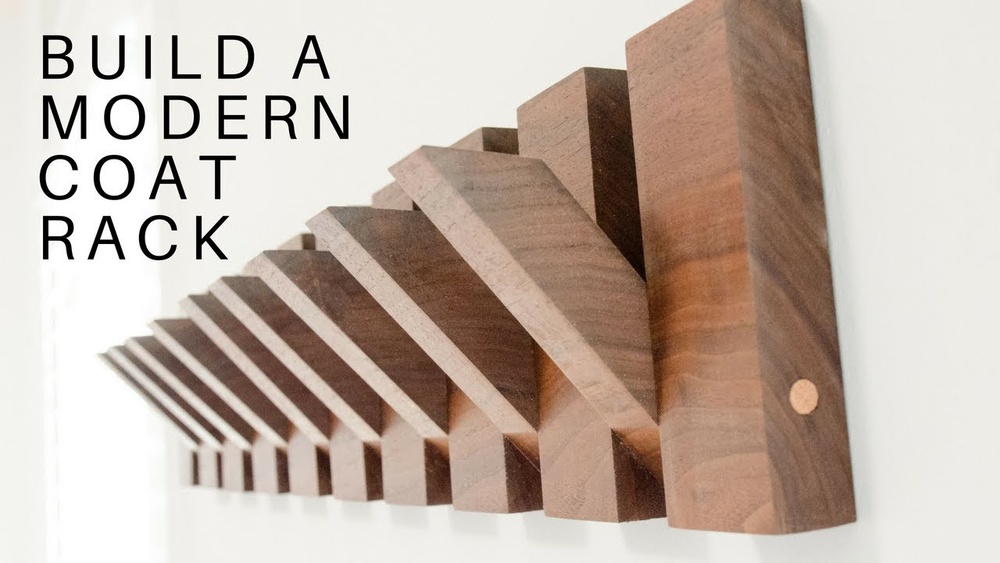
Looking for a simple and stylish way to organize your entryway? Building a coat rack with wood is a perfect project that anyone can do.
You don’t need to be a woodworking expert to create something both useful and beautiful. Imagine having a custom rack that fits your space perfectly and adds a warm, personal touch to your home. In this guide, you’ll discover easy steps and tips to make your own wooden coat rack quickly and confidently.
Ready to transform your cluttered hallway into a neat, inviting space? Let’s get started!
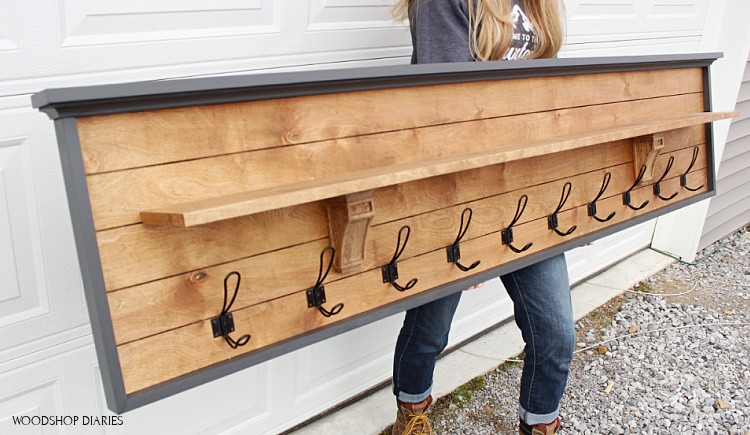
Credit: www.eatwinwin.com
Choosing The Right Wood
Choosing the right wood is key for a sturdy coat rack. The wood must hold weight and last long. Picking the best wood also affects the look of your rack. This guide helps you select wood that fits your project and budget.
Types Of Wood For Coat Racks
Softwoods like pine are easy to work with and affordable. They have a light color and smooth texture. Hardwoods such as oak, maple, and walnut are stronger and last longer. These woods have rich colors and beautiful grains. Each wood type brings a unique style to your coat rack.
Wood Quality And Durability
Choose wood with no cracks or knots for better strength. Dry wood reduces the chance of warping over time. Hardwoods handle heavy coats better than softwoods. A smooth finish protects the wood from moisture and damage. Durable wood keeps your rack functional for years.
Sourcing Affordable Wood
Check local lumber yards for good deals on wood. Reclaimed wood offers a low-cost and eco-friendly option. Home improvement stores often have offcuts at reduced prices. Buying wood in small quantities saves money. Compare prices before buying to find the best value.
Gathering Tools And Materials
Gathering the right tools and materials is the first step to build a wooden coat rack. Having everything ready makes the process smooth and fast. It helps avoid trips to the store while working. This section lists the essential tools, extra supplies, and safety gear needed for the project.
Essential Tools List
- Saw – for cutting wood to size
- Drill – to make holes and insert screws
- Measuring tape – to measure wood pieces accurately
- Hammer – for nails and fixing parts
- Screwdriver – to tighten screws
- Sandpaper – to smooth rough edges
- Clamps – to hold pieces together while working
Additional Supplies Needed
- Wood boards – choose sturdy and good quality
- Coat hooks – to hang coats and bags
- Screws and nails – for assembly
- Wood glue – for extra strength
- Wood stain or paint – to finish and protect wood
- Brush or cloth – to apply stain or paint
Safety Equipment
- Safety goggles – protect eyes from dust and wood chips
- Gloves – protect hands from splinters and sharp tools
- Dust mask – avoid breathing sawdust
- Ear protection – reduce noise from power tools
Designing Your Coat Rack
Designing your coat rack is the first step in building a useful and attractive piece. The design shapes how your rack will look and work in your space. Careful design helps you use wood well and create a rack that fits your needs perfectly.
Good design saves time and wood during building. It also makes the rack last longer and hold more coats. Think about style, size, and shape before cutting any wood.
Selecting A Style
Choose a style that matches your room and taste. Simple styles work well in modern homes. Rustic or vintage styles fit cozy or classic rooms. Decide if you want a wall-mounted rack or a free-standing one. Wall racks save space. Free-standing racks can hold more coats and look like furniture.
Measuring And Planning Dimensions
Measure the space where the rack will go. Note the height, width, and depth limits. Think about how many coats you need to hang. Add extra space for hats or scarves. Plan the height so kids and adults can reach hooks easily. Keep the depth enough so coats don’t hang off the edges.
Sketching Your Design
Draw a simple sketch of your coat rack. Show the shape, size, and where hooks will go. Use a ruler to keep lines straight. Label parts like shelves, rods, or hooks clearly. This sketch guides you while cutting and assembling wood. It helps avoid mistakes and waste.

Credit: reciclajesostenibleeuropa.com
Cutting And Preparing Wood
Cutting and preparing wood is an important step in building a coat rack. It helps make sure all pieces fit well and look nice. Taking time with this step improves the final result. Careful cutting and smoothing keep the wood safe and easy to work with.
Marking Cut Lines
Start by measuring the wood pieces needed for your coat rack. Use a pencil and a ruler to mark clear cut lines. Mark on the wood surface where each cut will go. Double-check measurements before cutting to avoid mistakes. Accurate lines guide your saw and help create even pieces.
Safe Cutting Techniques
Use a sharp saw for clean cuts. Keep your hands away from the blade at all times. Cut slowly and steadily to follow the marked lines. Wear safety goggles to protect your eyes from dust and wood chips. Work on a stable surface to keep the wood from moving. Safety comes first to avoid injuries.
Sanding And Smoothing Edges
After cutting, edges can be rough or splintered. Use sandpaper or a sanding block to smooth all edges. Sand along the grain to prevent scratches. Smooth edges make the coat rack safer to touch. They also help paint or finish stick better.
Assembling The Coat Rack
Assembling the coat rack is the step where your project starts to take shape. This phase needs careful attention to make sure the rack is strong and looks good. Follow each step closely for the best results.
Joining Wood Pieces
Start by aligning the wood pieces as planned. Use wood glue to hold parts together before fastening. Press them firmly and let the glue set for a few minutes. This helps keep the pieces in place during assembly.
Using Screws And Nails
Choose screws or nails based on your wood type and design. Pre-drill holes to prevent splitting the wood. Drive screws or nails straight and flush with the surface. This ensures a clean look and solid hold.
Ensuring Stability
Check the rack for any wobbling or loose parts. Tighten screws or add extra nails if needed. Test the rack by gently shaking it to confirm strength. A stable coat rack lasts longer and holds weight well.
Finishing Touches
Finishing touches bring your wooden coat rack to life. They protect the wood and add style. The right finish makes the rack last longer and look great. These steps are simple but important.
Applying Paint Or Stain
Choose paint or stain based on your style. Paint gives bright, solid color. Stain shows the wood’s natural grain. Use a brush or cloth for even coverage. Let each coat dry fully before the next. Two or three coats work well for good coverage.
Adding Hooks Or Pegs
Select hooks or pegs that match your room’s look. Metal hooks give a modern feel. Wooden pegs keep a natural style. Measure and mark spots carefully. Secure hooks or pegs with screws or nails. Make sure they hold weight and stay firm.
Sealing For Protection
Seal the wood to guard against water and dirt. Use clear polyurethane or varnish. Apply thin, even layers with a brush. Let each layer dry before adding another. This step keeps the coat rack strong and clean.
Mounting And Placement
Mounting and placement are key steps when building a wooden coat rack. They affect how strong and useful your rack will be. Choose the right method and spot for your rack. This makes it easy to hang coats and keeps your space tidy.
Wall Mounting Tips
Use strong screws to hold the rack securely. Find studs in the wall with a stud finder. Attach the rack to these studs for better support. Use a level to keep the rack straight. Make sure hooks face out and are easy to reach. Avoid placing the rack too high or low.
Freestanding Options
Freestanding racks need a solid base to stay stable. Use wide legs or a heavy bottom. Test the rack’s balance before use. Place the rack where it won’t block doors or walkways. These racks are easy to move and suit rental homes.
Choosing The Perfect Spot
Pick a spot near your door or hallway. This makes grabbing coats quick and simple. Avoid tight corners or crowded areas. Ensure enough space around the rack for easy access. Good lighting helps you find items fast. Think about your daily routine for best results.

Credit: www.youtube.com
Maintenance And Care
Taking care of your wooden coat rack helps it look good and last longer. Regular maintenance keeps the wood strong and the hooks steady. Simple steps can protect your coat rack from damage and wear.
Cleaning Tips
Dust your coat rack often with a soft cloth. Avoid using wet cloths that soak the wood. Use a dry or slightly damp cloth for cleaning. Mild soap can remove stains, but rinse quickly. Never use harsh chemicals or abrasive cleaners.
Repairing Wear And Tear
Check the coat rack for loose screws and tighten them. Sand rough spots gently to smooth the surface. Fill small cracks with wood filler and let it dry. Replace damaged hooks to keep the rack functional. Regular checks prevent bigger repairs later.
Extending Coat Rack Lifespan
Keep the coat rack away from direct sunlight and moisture. Use wood polish or oil to nourish and protect the wood. Avoid hanging very heavy items that strain the hooks. Place the rack in a stable, dry area. Good care means your coat rack lasts for years.
Frequently Asked Questions
What Type Of Wood Is Best For A Coat Rack?
Pine, oak, and cedar are ideal woods for coat racks. They are durable, easy to work with, and have a nice finish. Choose based on your budget and style preference for the best results.
How Do I Attach Hooks Securely To Wood?
Use screws or nails designed for wood to attach hooks. Pre-drill holes to prevent splitting. Ensure hooks are evenly spaced and firmly fastened for strong support.
What Tools Are Needed To Build A Wooden Coat Rack?
You’ll need a saw, drill, measuring tape, screwdriver, sandpaper, and clamps. These tools help you cut, assemble, and finish the coat rack precisely and safely.
How Can I Finish The Wood For Durability?
Apply a wood sealant, varnish, or paint to protect the wood. This enhances durability and appearance, making the coat rack resistant to moisture and wear.
Conclusion
Building a wooden coat rack is simple and rewarding. You only need a few tools and some patience. This project helps organize your space and adds a personal touch. Follow the steps carefully, and you will have a sturdy rack.
Enjoy your new, handmade coat rack every day. Try making one for friends or family too. Small projects like this bring joy and skill together. Give it a go and see how easy it can be.