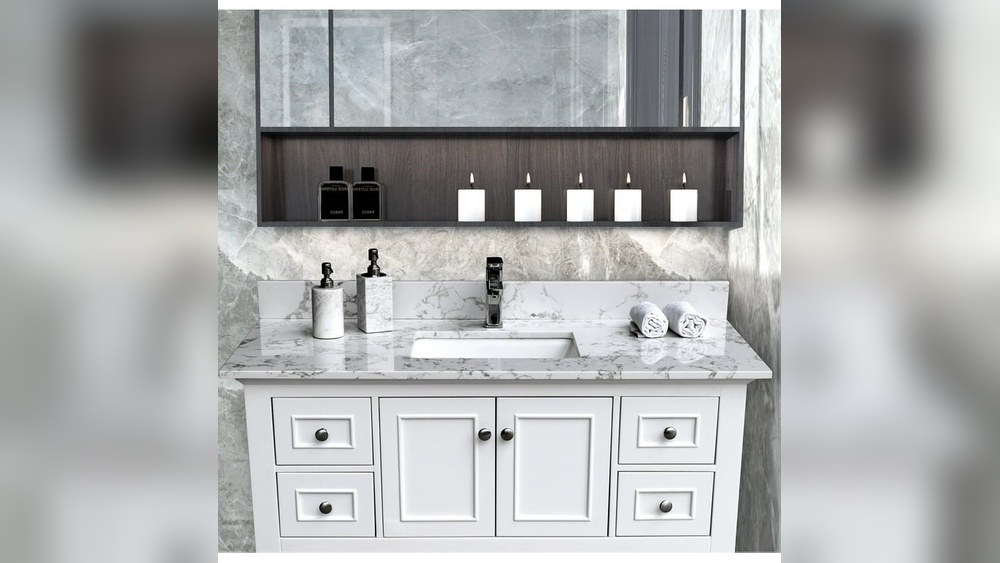
Are you planning to install a medicine cabinet above your bathroom vanity but unsure about the perfect height? Getting it right is more important than you might think.
If it’s too low, it can block your sink or mirror; too high, and you’ll struggle to reach your essentials. You’ll discover the ideal height for your medicine cabinet that combines comfort, style, and functionality. Keep reading to find out how a small adjustment can make a big difference in your daily routine.

Credit: www.wellfor.com
Standard Height Range
Setting the right height for your medicine cabinet above the vanity is important. It helps make your bathroom look neat and keeps your items easy to reach. There is a standard height range that most people follow. This range fits most bathroom setups and helps avoid awkward bending or stretching.
Common Measurements
The standard height for a medicine cabinet is usually between 54 and 60 inches from the floor. This height means the bottom of the cabinet sits about 12 to 18 inches above the vanity top. This distance gives enough space to open the cabinet door easily. It also keeps the cabinet at eye level for most adults.
Variations By Vanity Height
The height of the vanity affects where the cabinet should go. Vanities can be 30 to 36 inches tall. For taller vanities, place the cabinet a little higher. For shorter vanities, lower the cabinet a bit. This adjustment keeps the cabinet comfortable to use and the bathroom balanced in look.

Credit: www.wellfor.com
Factors Affecting Cabinet Height
Choosing the right height for a medicine cabinet above the vanity depends on several important factors. These factors help ensure the cabinet is both practical and comfortable to use. The right height makes daily routines easier and keeps the bathroom looking balanced.
Consider who will use the cabinet most often, the layout of the bathroom, and the size and style of the vanity. Each of these elements plays a key role in deciding the best cabinet height.
User Height And Reach
The height of people using the bathroom affects where the cabinet should go. Place the cabinet where the tallest and shortest users can reach it comfortably. Aim for easy access without stretching or bending too much.
For homes with children, place the cabinet lower so they can reach it safely. For adults, set the cabinet slightly higher to keep it out of the way but still accessible.
Bathroom Layout
The size and shape of the bathroom influence the cabinet height. Small bathrooms may need lower cabinets to avoid crowding. Larger bathrooms offer more flexibility with placement and height.
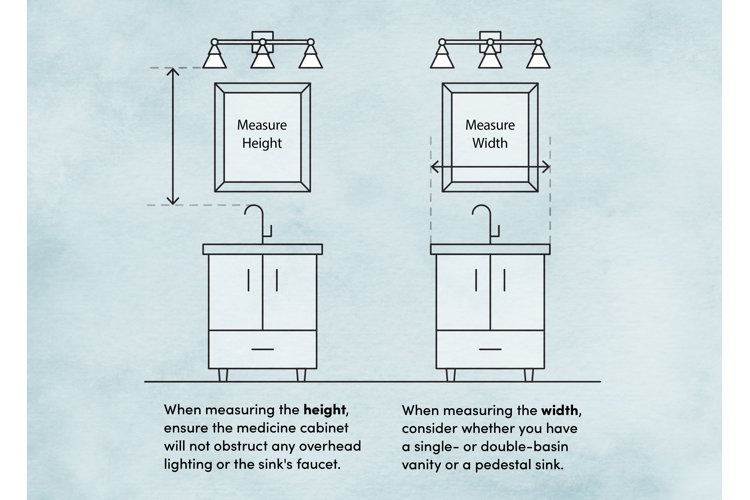
Also, think about the space above the vanity and around mirrors or lighting. The cabinet should fit without blocking light or mirrors.
Vanity Size And Style
The vanity’s height and style affect where the medicine cabinet looks best. A tall vanity means the cabinet should be mounted a bit higher. For shorter vanities, keep the cabinet lower for balance.
Styles like floating vanities may call for different cabinet heights than traditional ones. Match the cabinet height with the vanity to create a neat, clean look.
Safety And Accessibility
Safety and accessibility are key when placing a medicine cabinet above a vanity. The right height keeps medicines out of reach of children. It also helps everyone use the cabinet easily. This balance protects families and supports all users.
Child Safety Considerations
Keep the cabinet high enough to stay out of children’s reach. Medicines and sharp tools should not be easy to grab. Use childproof locks on cabinet doors for extra safety. This prevents accidents and keeps harmful items secure. Always think about the youngest family members.
Accessibility For Disabled Users
Place the cabinet at a height that everyone can reach comfortably. Consider users in wheelchairs or with limited movement. Lower cabinets or adjustable shelves help these users access items. Easy access reduces strain and increases independence. Design with all users in mind for a friendly space.
Installation Tips
Installing a medicine cabinet above your vanity needs care and precision. Proper installation ensures safety and easy access. Follow these simple tips to place your cabinet at the right height and secure it well.
Measuring Properly
Start by measuring the height of your vanity. The ideal medicine cabinet height is usually 54 to 60 inches from the floor. Measure the distance between the vanity top and the bottom of the cabinet. Leave at least 5 inches of space for comfortable use. Mark the wall with a pencil where the cabinet edges will align.
Mounting Techniques
Use wall studs for a strong hold. Locate studs with a stud finder. If no studs are available, use heavy-duty wall anchors. Level the cabinet before fixing it. Drill pilot holes to avoid wall damage. Secure screws tightly but do not overtighten. Check the cabinet stability after mounting.
Tools Required
Gather a stud finder, tape measure, pencil, drill, level, screwdriver, and wall anchors. These tools make installation easier and safer. Having everything ready saves time and effort. Use a ladder or step stool if needed for better reach.
Design And Aesthetic Tips
Design and aesthetics play a key role in deciding the height of your medicine cabinet above the vanity. A well-placed cabinet can enhance the room’s look and make the space feel balanced. Thoughtful design choices help the cabinet blend with the vanity and lighting, creating a smooth visual flow.
Small details in design can change the entire bathroom feel. Choosing the right height keeps the space comfortable and stylish at the same time.
Matching Cabinet And Vanity
Choose a medicine cabinet that matches the style of your vanity. Similar colors and materials create a unified look. For example, a wooden cabinet pairs well with a wooden vanity. Matching finishes keep the bathroom design consistent.
Size matters too. The cabinet should be proportionate to the vanity’s width and height. This balance prevents the cabinet from looking too big or too small.
Lighting Integration
Good lighting improves both function and style. Place the medicine cabinet so it does not block natural or artificial light. Built-in lights on the cabinet add extra brightness.
Consider light fixtures around the vanity mirror. Make sure the cabinet height allows these lights to shine without obstruction. Proper lighting enhances the bathroom’s ambiance and usability.
Common Mistakes To Avoid
Placing a medicine cabinet above the vanity seems simple. Yet, many make errors that affect use and comfort. Avoiding these mistakes ensures the cabinet fits well and works best.
Too High Or Too Low Placement
Mounting the cabinet too high makes it hard to reach. Users stretch or stand on toes. It causes discomfort and may lead to accidents. Placing it too low blocks mirror views. It also reduces space for sink use. Ideal height keeps the cabinet easy to access.
Ignoring User Needs
People of different heights use the bathroom. Kids, adults, and seniors need different cabinet heights. Not thinking about users causes frustration. The cabinet should fit the main users. Consider who uses the space most. Make sure everyone reaches inside without strain.
Credit: www.wayfair.com
Frequently Asked Questions
How High Should A Medicine Cabinet Be Above Vanity?
A medicine cabinet should be installed about 54 to 60 inches from the floor. This height allows easy access and visibility for most users.
What Is The Ideal Distance Between Vanity And Medicine Cabinet?
The ideal gap is usually 12 to 18 inches. This space provides enough room for faucets and prevents water damage.
Can Medicine Cabinets Be Installed Too High Above Vanity?
Yes, installing too high makes items hard to reach and reduces usability. Keep it within comfortable eye level.
Should Medicine Cabinet Height Vary By Vanity Height?
Yes, adjust cabinet height based on vanity height to maintain accessibility. Taller vanities require a slightly higher cabinet position.
Conclusion
Choosing the right height for your medicine cabinet improves daily bathroom use. Keep it easy to reach for all family members. Too high or too low can cause discomfort or accidents. Aim for a balance between vanity height and user comfort.
Proper placement helps organize your space better. Small adjustments make a big difference in convenience. Think about who will use it most often. This simple step makes your bathroom safer and more functional.