Are you ready to give your bathroom a fresh, new look without spending a fortune? Painting your bathroom vanity cabinet is one of the easiest and most effective ways to transform the space.
Imagine turning that worn-out cabinet into a stylish centerpiece that matches your personality and style. In this guide, you’ll discover simple, step-by-step instructions to help you achieve a smooth, professional finish—even if you’ve never picked up a paintbrush before. Keep reading, and you’ll be amazed at how a little paint can make a big difference in your bathroom!

Credit: www.youtube.com
Choosing The Right Paint
Choosing the right paint for your bathroom vanity cabinet is key to a lasting finish. Bathrooms are humid and can cause paint to peel or chip quickly. Selecting the proper paint type, color, and finish helps protect your cabinet and keeps it looking fresh. This section guides you through the best choices for painting your bathroom vanity.
Types Of Paint For Bathrooms
Use paint designed for high moisture areas. Semi-gloss and satin paints resist water better than flat paints. Acrylic latex paint is durable and easy to clean. Oil-based paints also work well but take longer to dry. Choose paint that blocks moisture and resists mildew growth.
Selecting The Perfect Color
Pick a color that matches your bathroom style. Light colors make small bathrooms look bigger. Dark colors add depth but show water spots more easily. Neutral tones like gray, white, or beige fit most decors. Consider the lighting to avoid colors that look dull or harsh.
Finishes That Work Best
Satin and semi-gloss finishes offer the best shine and durability. These finishes clean easily and resist stains. Avoid flat or matte finishes; they absorb moisture and stain faster. Glossy finishes reflect light well but can highlight surface flaws. Satin strikes a balance between shine and smoothness.
Gathering Supplies
Gathering the right supplies is the first step to painting your bathroom vanity cabinet. Having everything ready helps you work smoothly. It saves time and reduces stress. This section lists the essential tools and safety gear you need. Check each item before starting your project.
Essential Tools
Start with a good quality paintbrush and roller. Choose a small brush for edges and corners. A foam roller works well on flat surfaces. Sandpaper is necessary to smooth the cabinet surface. Use medium grit to remove old paint or rough spots. Painter’s tape helps protect areas you do not want to paint. A screwdriver will remove cabinet doors and hardware. Get a paint tray to hold your paint. Lastly, have a clean cloth or tack cloth to wipe dust.
Safety Gear To Use
Protect yourself while painting. Wear safety goggles to shield your eyes from dust and paint splashes. Use a dust mask to avoid breathing in sanding dust. Gloves keep your hands clean and safe from chemicals. Choose gloves that fit well and allow movement. Work in a well-ventilated area to avoid fumes. Open windows or use a fan to improve airflow. Safety first ensures a smooth and healthy painting process.
Preparing The Vanity
Preparing the vanity is the first step to a beautiful paint job. It helps the paint stick better and last longer. Taking time to prepare means fewer problems later. Clean, smooth surfaces make painting easier and the finish neater. Follow simple steps to get your vanity ready.
Removing Hardware
Start by removing all knobs, handles, and hinges. Use a screwdriver to take off the hardware carefully. Keep screws and parts in a small container. Removing hardware prevents paint from sticking on unwanted places. It also helps you paint evenly around edges and corners.
Cleaning Surfaces
Clean the vanity well before sanding. Use a mild soap and warm water to wash dirt and grease. A clean surface ensures paint will stick properly. Dry the vanity completely with a soft cloth. Avoid harsh chemicals that can damage the wood or finish.
Sanding Techniques
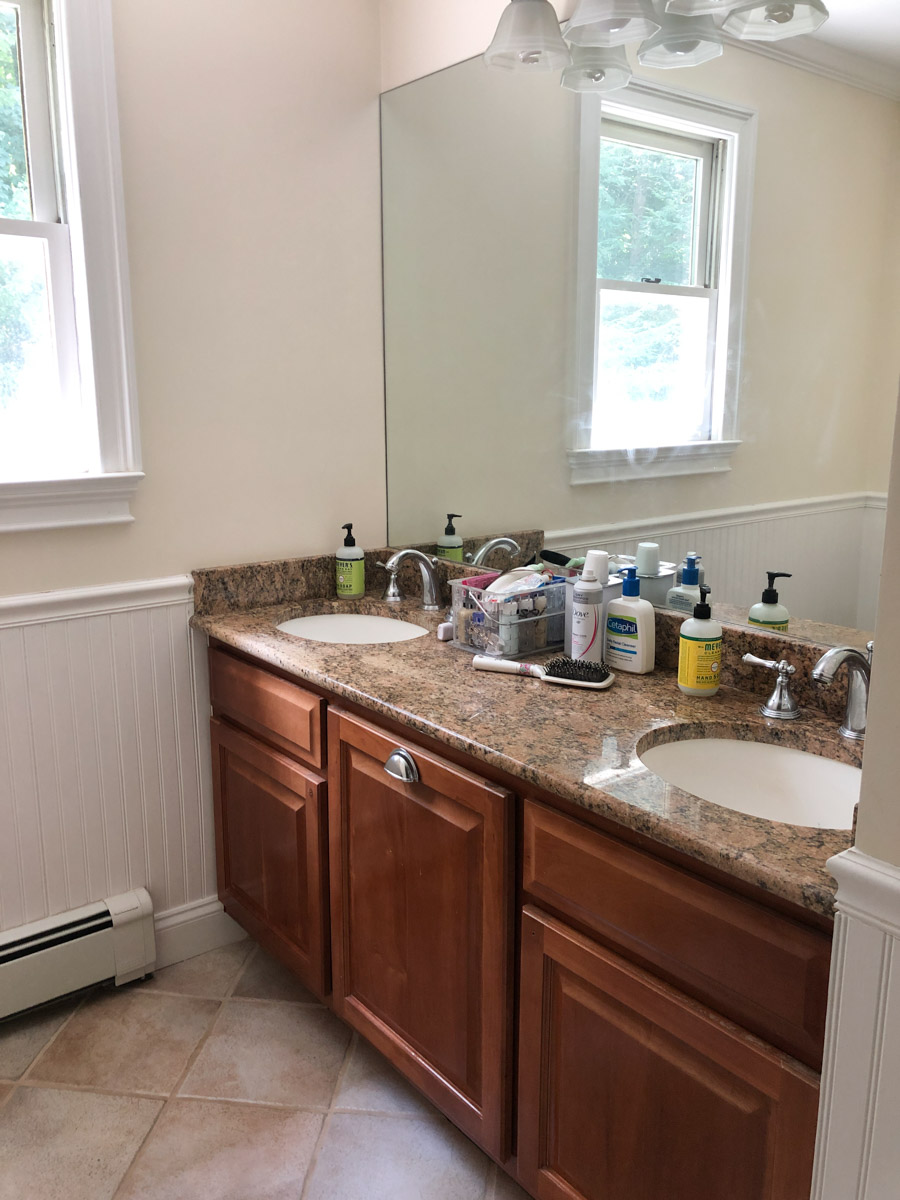
Sanding creates a rough surface for paint to grip. Use fine-grit sandpaper (around 180-220 grit) for best results. Sand lightly in circular motions to avoid scratches. Focus on glossy or shiny areas to dull the finish. Wipe off dust with a damp cloth before painting.
Credit: www.drivenbydecor.com
Priming The Cabinet
Priming the cabinet is a key step before painting your bathroom vanity. It helps the paint stick well and last longer. A good primer also hides old stains and prevents moisture damage. Taking time to prime properly saves you from peeling paint and uneven color later.
Choosing The Right Primer
Select a primer designed for bathroom use. Look for one that resists moisture and mildew. Oil-based primers work well on wood and old finishes. Water-based primers dry faster and have less smell. Pick one that fits your cabinet material and paint type.
Applying Primer Correctly
Start by cleaning the cabinet surface thoroughly. Remove dust and grease with a mild cleaner. Use a brush or roller to apply a thin, even coat of primer. Cover all corners and edges carefully. Let the primer dry fully before painting. Sand lightly with fine sandpaper for a smooth finish.
Painting Process
Painting your bathroom vanity cabinet needs careful steps. The painting process ensures a smooth, lasting finish. Proper technique helps paint stick well and look neat. Follow these tips for the best results.
Brush Vs. Roller
Choosing between a brush and roller depends on the cabinet surface. Use a brush for edges and corners. It gives control on small areas.
A roller works great on flat surfaces. It covers large areas quickly and smoothly. For best results, use a small foam roller. It helps avoid streaks and brush marks.
Applying Multiple Coats
One coat is rarely enough for good coverage. Apply two or three thin coats instead. Thin layers dry faster and prevent drips.
Light sanding between coats improves paint adhesion. Use fine sandpaper to smooth the surface. Wipe dust off before the next coat.
Drying Times
Wait for each coat to dry completely. Drying time depends on paint type and room humidity. Usually, wait at least 2-4 hours.
Rushing coats can cause peeling or uneven texture. Patience ensures a durable and smooth finish. Always check the paint can for specific drying instructions.
Finishing Touches
Finishing touches give your painted bathroom vanity cabinet a polished look. These final steps ensure durability and style. Careful attention here makes your work last longer and look great.
Reattaching Hardware
Wait for the paint to dry completely. Dry paint prevents smudges and damage. Carefully screw back all handles and knobs. Tighten screws just enough to hold them firmly. Avoid over-tightening to prevent cabinet damage. Check that doors open and close smoothly.
Adding Protective Sealant
Choose a water-resistant sealant for bathroom use. Sealants protect paint from moisture and wear. Apply a thin, even layer with a clean brush. Let the first coat dry fully before adding a second. Two coats provide better protection. Seal the edges and corners well. This step helps keep your cabinet looking new longer.
Maintenance Tips
Maintaining your painted bathroom vanity cabinet keeps it looking fresh and new for longer. Simple care steps protect the paint and prevent damage. Regular upkeep saves time and money on repairs.
Cleaning Painted Surfaces
Use a soft cloth or sponge to clean the cabinet. Avoid harsh scrubbing that can wear off paint. Mild soap mixed with water works well for dirt and stains. Wipe gently and dry with a clean towel. Avoid using bleach or strong chemicals that damage the finish.
Touching Up Scratches
Small scratches are normal over time. Fix them quickly to stop peeling or chipping. Lightly sand the scratched area with fine sandpaper. Apply matching paint with a small brush. Let it dry fully before using the cabinet. This keeps the surface smooth and protected.

Credit: lizpacini.com
Frequently Asked Questions
What Type Of Paint Is Best For Bathroom Vanities?
Use water-based acrylic or latex paint. These paints resist moisture and dry quickly. They provide a smooth, durable finish ideal for bathroom environments.
How Do I Prep A Bathroom Vanity For Painting?
Clean thoroughly, remove hardware, and sand the surface. Sanding helps paint adhere better. Wipe off dust before applying primer or paint.
Should I Use Primer Before Painting Bathroom Vanities?
Yes, primer ensures better paint adhesion and durability. It blocks stains and helps paint cover evenly. Always use a primer suited for bathroom conditions.
How Many Coats Of Paint Are Needed For Vanity Cabinets?
Apply two to three thin coats for best coverage. Allow each coat to dry fully before applying the next. Thin layers prevent drips and uneven texture.
Conclusion
Painting your bathroom vanity cabinet can refresh your space quickly. Choose the right paint and tools for smooth results. Take your time to sand and clean the surface well. Apply paint evenly and let each coat dry completely. Small steps make a big difference in the final look.
Enjoy the new style and feel of your bathroom. This simple project saves money and adds personal charm. Try it and see how a fresh coat changes everything.


