Are you looking for a simple way to upgrade your bookshelf and make your space look stylish and organized? Adding sliding doors to your bookshelf can be a game-changer.
It hides clutter, protects your books from dust, and gives your room a sleek, modern touch. In this guide, you’ll discover easy steps to add sliding doors yourself—no need for complicated tools or expert help. Ready to transform your bookshelf into a beautiful, functional centerpiece?
Keep reading, and you’ll find everything you need to get started right away.
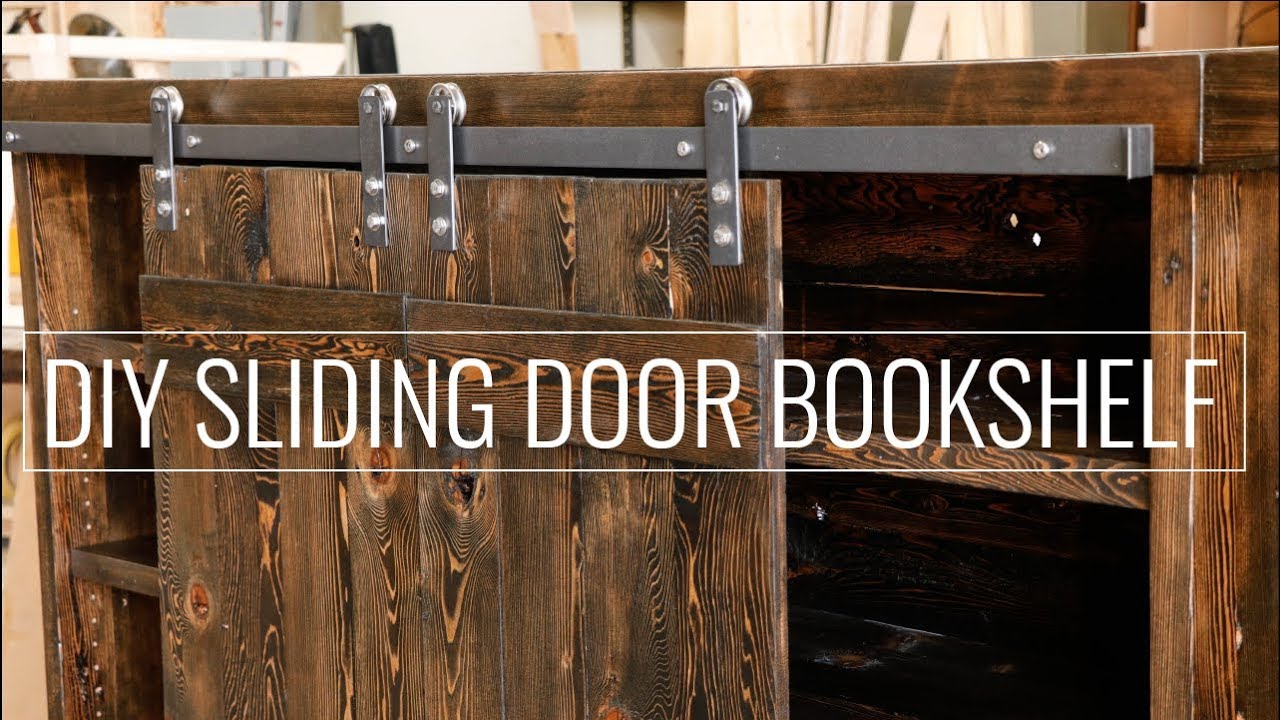
Credit: www.youtube.com
Choosing The Right Sliding Door
Choosing the right sliding door for your bookshelf is important. It changes how your bookshelf looks and works. The right door fits well and matches your room style. This guide helps you pick the best sliding door. Focus on material, size, and style to get the perfect match.
Material Options
Sliding doors come in many materials. Wood offers a warm, classic look. Glass doors make the shelf look light and open. Metal frames add a modern feel. Choose a material that fits your room and shelf use. Think about durability and how easy it is to clean.
Size And Fit Considerations
Measure your bookshelf carefully. Sliding doors must fit the shelf width and height exactly. Doors too big or small cause problems opening and closing. Check the track system size for smooth sliding. Proper fit keeps the shelf neat and functional.
Style And Design Choices
Pick a style that matches your room. Simple designs work well in most spaces. Frosted or clear glass adds privacy or display options. Wood doors can be plain or carved for decoration. Choose colors that blend with your furniture and walls.
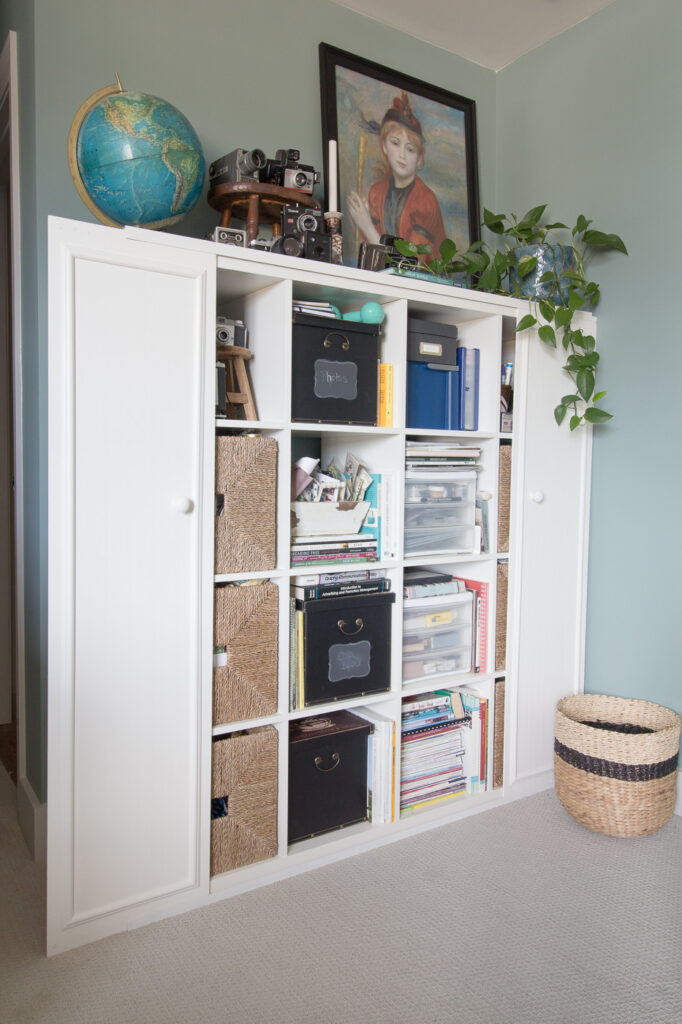
Credit: deeplysouthernhome.com
Gathering Tools And Materials
Gathering the right tools and materials is the first step to add sliding doors to a bookshelf. Preparing well helps the project go smoothly and saves time. Knowing what you need makes the work easier and safer.
This section lists the essential tools, recommended materials, and safety gear you will need.
Essential Tools List
- Measuring tape for accurate dimensions
- Electric drill to make holes
- Screwdriver for fixing screws
- Level to keep doors straight
- Circular saw or handsaw to cut wood
- Sandpaper to smooth edges
- Pencil to mark measurements
- Clamps to hold pieces steady
Recommended Materials
- Wood panels for sliding doors
- Sliding door track kit with rollers
- Screws and nails for assembly
- Wood glue for extra hold
- Paint or wood stain for finish
- Handles or pulls for door ease
Safety Gear
- Safety goggles to protect eyes
- Work gloves to protect hands
- Dust mask to avoid inhaling sawdust
- Ear protection for loud tools
- Comfortable clothing that fits well
Preparing The Bookshelf
Preparing the bookshelf is the first step to adding sliding doors. This stage sets the base for smooth installation and lasting results. Take your time to get everything ready. A well-prepared shelf makes the project easier and the doors fit better.
Clearing And Cleaning
Remove all items from the bookshelf. Dust and dirt can block the tracks. Clean the shelves and edges with a damp cloth. Let it dry completely. A clean surface helps parts stick and work well.
Measuring And Marking
Measure the width, height, and depth of the bookshelf. Write down the numbers. Mark where the sliding door tracks will go. Use a pencil for light, clear lines. Double-check the measurements for accuracy.
Removing Obstacles
Look for nails, screws, or hooks inside the shelf. Remove anything that blocks the door’s path. Sand down rough spots or bumps. Make sure the surface is flat and smooth. This prevents the door from sticking or jamming.
Installing The Sliding Door Tracks
Installing sliding door tracks is a key step in adding sliding doors to a bookshelf. Tracks guide the doors smoothly as they open and close. Proper installation ensures the doors work well and last longer.
Careful measurement and placement of the tracks are important. Both the top and bottom tracks must be secure and level. This helps the sliding doors move without sticking or falling off.
Top Track Installation
Start by measuring the width of your bookshelf opening. Cut the top track to fit this length. Use a pencil to mark where the screws will go on the top inside edge of the bookshelf.
Drill small pilot holes at these marks. This prevents the wood from splitting. Attach the top track using screws. Make sure it is straight and firmly in place.
Bottom Track Installation
The bottom track holds the door’s weight and keeps it aligned. Measure and cut the bottom track to match the top one. Place it on the bookshelf base, directly below the top track.
Mark the screw holes and drill pilot holes. Screw the bottom track securely. Check that it is parallel to the top track for smooth door movement.
Ensuring Level Alignment
Use a level tool to check both tracks. They must be perfectly horizontal. Uneven tracks cause doors to stick or slide open on their own.
Adjust screws or reposition tracks until they are level. Double-check the alignment before hanging the doors. Proper alignment improves door function and prevents damage.
Attaching The Sliding Doors
Attaching sliding doors to your bookshelf brings a neat, functional touch. This step requires care and patience for perfect results. Follow clear steps to mount the doors securely and ensure smooth movement.
Mounting Door Panels
Start by placing the door panels on the track. Align the top edge with the track groove. Use screws to fix the rollers to the doors. Make sure the screws are tight but not too tight. Hang each door on the top track carefully. Check if the door hangs straight and even. Adjust the bottom guide to hold the door steady.
Adjusting Door Movement
Slide the doors back and forth gently. Listen for any rubbing or scraping sounds. Adjust the rollers or track height to stop friction. Use a screwdriver to fine-tune roller screws. Ensure doors move smoothly without wobbling. Check the door gaps for even spacing. Correct any misalignment before testing fully.
Testing Smooth Operation
Open and close each door several times. Watch for smooth, quiet sliding action. Apply light pressure to check stability. Confirm the doors stay on the track. Test the locking or stopping mechanism if installed. Make small adjustments if doors stick or jump. Enjoy the sleek look and easy use of your new sliding doors.
Finishing Touches
Finishing touches make your sliding door bookshelf look complete and polished. These final steps improve both function and style. Small details can change the whole look and feel of your project.
Adding Handles Or Knobs
Choose handles or knobs that fit your room’s style. Simple round knobs work well for a classic look. Slim handles add a modern touch. Attach them at a comfortable height for easy sliding. Secure with screws and check they are tight.
Sealing And Painting
Seal the wood to protect it from moisture and wear. Use a clear sealant for a natural finish. Painting adds color and can match your room’s decor. Use smooth, even coats and let each layer dry fully. Sand lightly between coats for a smooth surface.
Maintenance Tips
Keep the sliding doors clean by dusting regularly. Check the tracks for dirt or debris that might block movement. Lubricate the tracks with a silicone spray to keep doors sliding smoothly. Tighten any loose screws to avoid wobbly doors.
Troubleshooting Common Issues
Adding sliding doors to your bookshelf can improve its look and function. Yet, small problems may appear. These issues can stop the doors from moving smoothly or fitting well. Fixing these common problems quickly keeps your bookshelf working perfectly. Below are simple ways to solve typical sliding door troubles.
Door Misalignment
Doors that do not line up cause gaps or block movement. Check the door’s position on the track first. Tighten loose screws on hinges or brackets. Adjust the door by lifting or lowering it gently. Use a level to ensure the door is straight. Small shifts can fix most alignment issues.
Track Blockages
Dirt and dust often build up inside the track. This buildup stops doors from sliding smoothly. Clean the track using a soft brush or cloth. Remove any small stones or debris. For sticky spots, use a mild detergent and water. Dry the track completely before sliding the doors again.
Squeaking Or Sticking Doors
Squeaks happen when the door rubs against the track or frame. Apply a small amount of lubricant to the track. Use a silicone spray or candle wax for best results. Wipe off any extra lubricant to avoid dirt buildup. If the door sticks, check for warping or damage. Repair or replace parts as needed to restore smooth movement.

Credit: www.youtube.com
Frequently Asked Questions
How Do Sliding Doors Improve Bookshelf Functionality?
Sliding doors save space by gliding sideways, making bookshelves more accessible. They protect books from dust and add a modern look to your room.
What Materials Work Best For Bookshelf Sliding Doors?
Wood, glass, and acrylic are popular sliding door materials. Choose based on style, durability, and ease of installation for the best bookshelf upgrade.
Can I Install Sliding Doors On Any Bookshelf?
Most bookshelves can accommodate sliding doors with proper measurements and mounting. Ensure your shelf is sturdy enough to support the door system.
How Much Does Adding Sliding Doors To A Bookshelf Cost?
Costs vary by material, size, and hardware quality. On average, expect to spend between $100 and $300 for a DIY sliding door kit.
Conclusion
Adding sliding doors to a bookshelf can change its look and function. It keeps books dust-free and adds style to any room. The process is simple with the right tools and steps. Choose doors that fit your shelf and space well.
Take your time measuring and installing for best results. Enjoy a neat, organized shelf that looks great too. Sliding doors bring both beauty and utility to your bookshelf. Try it yourself and see the difference it makes.