Are you thinking about getting a wooden bunk bed but worried about how much weight it can safely hold? You’re not alone.
Whether it’s for your kids, guests, or even yourself, knowing the weight limit is crucial for safety and comfort. You’ll discover exactly how much a wooden bunk bed can support and what factors affect its strength. By the end, you’ll feel confident choosing the perfect bunk bed that fits your needs without any doubts.
Keep reading to learn the key details that could save you from costly mistakes and ensure a good night’s sleep for everyone.
Weight Capacity Factors
Weight capacity is an important factor when choosing a wooden bunk bed. It tells how much weight the bed can safely hold. Several key elements affect this number. Understanding these factors helps pick the right bunk bed for your needs.
Wood Types And Strength
The type of wood affects a bunk bed’s strength. Hardwoods like oak and maple are strong and last long. Softwoods such as pine are lighter but less sturdy. Stronger woods support more weight and resist damage better.
Construction And Design
The way a bunk bed is built impacts its weight capacity. Beds with solid joints and good fasteners hold more weight. Designs with extra support beams add strength. Poor construction can cause wobbling or breakage.
Bed Size And Dimensions
Bigger beds usually support more weight. Twin beds hold less than full or queen sizes. The height and width affect stability. Wider beds with strong frames spread weight evenly and reduce stress on parts.

Credit: picketandrail.com
Average Weight Limits
Wooden bunk beds usually hold between 200 to 400 pounds per bed. Weight limits depend on the wood type and bed design. Always check the manufacturer’s guidelines for safety.
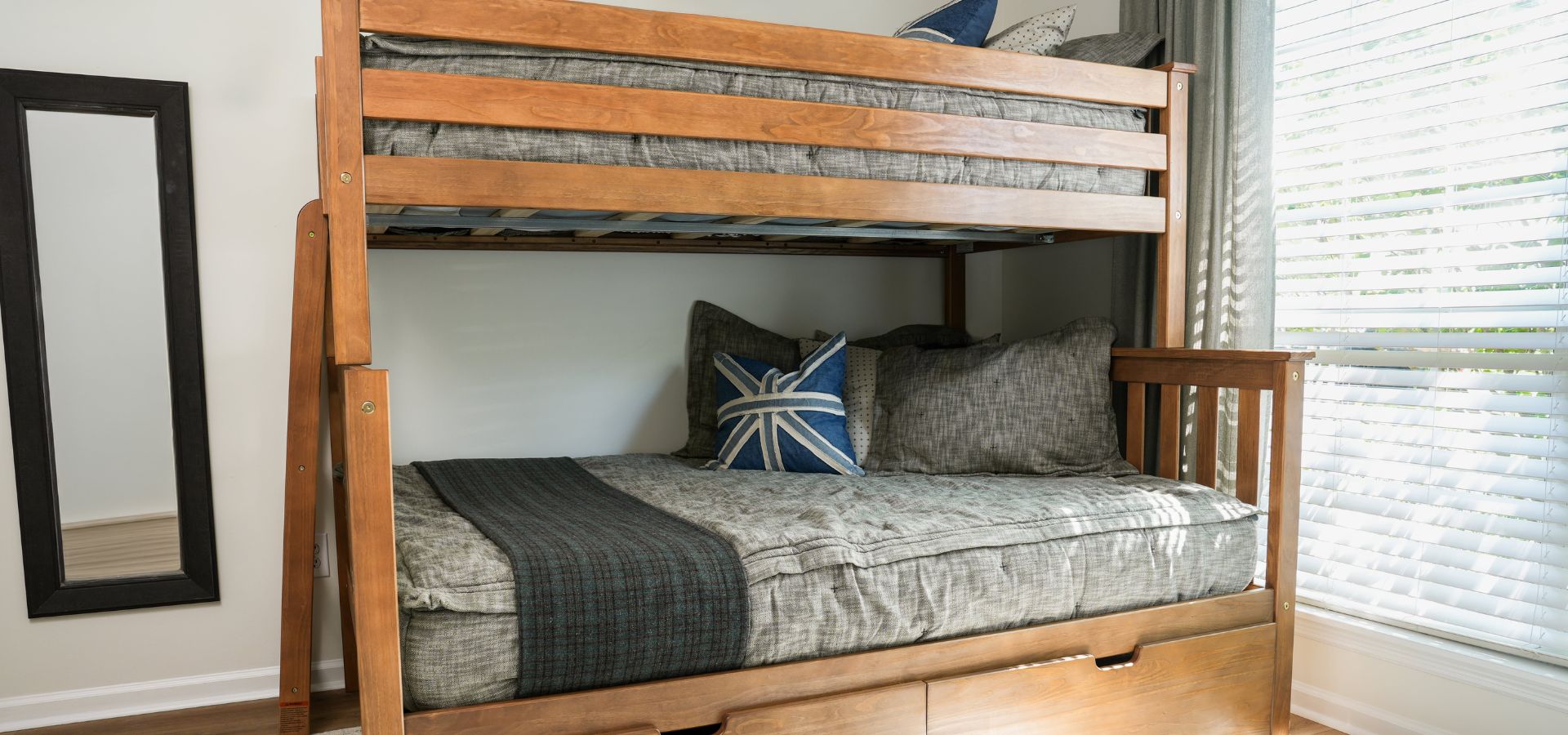
Twin Size Bunk Beds
Twin size wooden bunk beds often support between 200 to 250 pounds per bed. This weight limit suits children and some adults. The frame’s quality and wood type affect strength. Solid hardwoods like oak hold more weight than softwoods.
Always check the manufacturer’s weight guidelines. Exceeding the limit risks damage or injury. Twin bunk beds fit smaller rooms and are popular for kids.
Full Size Bunk Beds
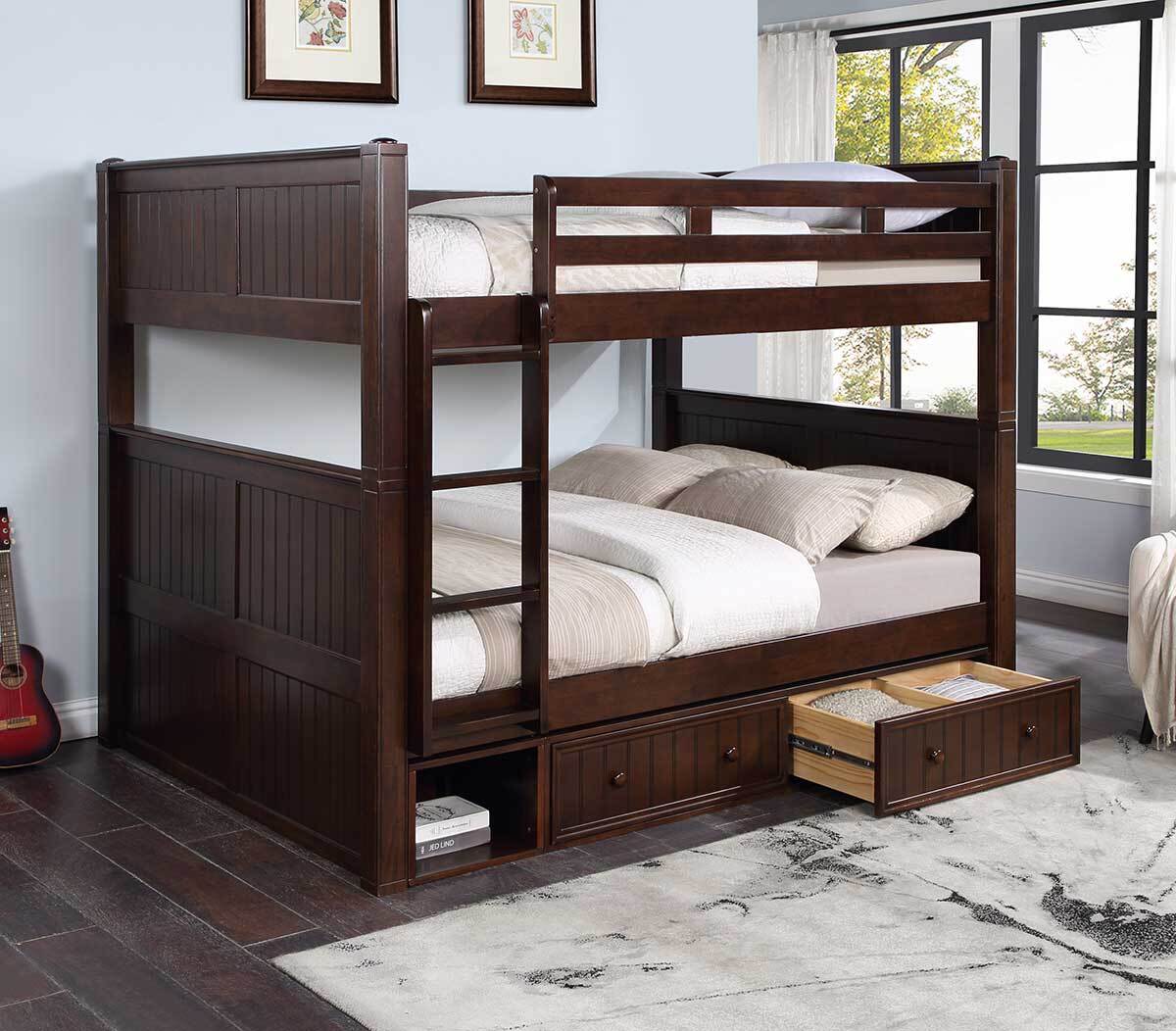
Full size wooden bunk beds usually hold about 300 to 350 pounds per bed. They offer more sleeping space and support heavier users. These beds suit teenagers and adults better than twin sizes.
Strong support slats and sturdy ladders improve safety. Full size bunk beds need solid construction for durability. Weight capacity varies by design and materials used.
Loft Vs Traditional Bunk Beds
Loft beds raise one bed off the floor, creating space underneath. Their weight limits can be lower than traditional bunk beds. The elevated design requires extra stability.
Traditional bunk beds have two stacked beds and usually support more weight. They have more frame support and thicker wood parts. Choose the style based on room size and weight needs.
Safety Tips For Weight Limits
Wooden bunk beds are strong but have weight limits to keep users safe. Knowing these limits helps prevent accidents. Follow simple safety tips to protect your family and extend your bunk bed’s life.
Checking Manufacturer Specifications
Always read the weight limit stated by the manufacturer. This number shows the maximum load the bed can hold safely. Don’t guess or try to push the limits. Check labels or manuals for details. Stick to these numbers for safety.
Regular Maintenance And Inspections
Look at the bed often for cracks or loose parts. Tighten screws and bolts regularly. Wood can weaken over time. Fix small problems early. This keeps the bed strong and safe for use.
Avoiding Overloading Risks
Do not put too much weight on any bunk bed. Avoid heavy items or too many people on one bed. Overloading can cause breaks or falls. Follow the weight limits strictly. Keep children safe by setting clear rules.
Customizing Weight Capacity
Customizing the weight capacity of a wooden bunk bed helps make it safer and more durable. You can increase the bed’s strength to hold more weight. Small changes in materials and design make a big difference. Let’s explore ways to do this effectively.
Reinforcing Frame And Slats
Strengthening the frame is key to holding more weight. Use thicker wood for the frame and slats. Solid hardwoods like oak or maple work best. Add extra slats or reduce the space between them. This spreads the weight evenly and stops sagging. Reinforced corners with metal brackets also add support.
Upgrading Fasteners And Supports
Strong fasteners keep the bed stable under pressure. Replace plastic or weak screws with heavy-duty metal bolts. Tighten all connections regularly to avoid wobbling. Add extra support beams under the bed for more strength. These upgrades help the bed hold heavier loads safely.
Choosing Heavy-duty Models
Heavy-duty bunk beds are designed for higher weight limits. Look for models with thicker wood and metal reinforcements. Some beds have steel frames combined with wood for added strength. Choose beds tested to hold more weight. These models offer peace of mind for heavier users.
Common Issues From Overloading
Wooden bunk beds have weight limits to keep them safe and strong. Overloading these beds can cause problems that affect safety and durability. Knowing these common issues helps protect your furniture and family.
Structural Damage
Too much weight can crack or break the wood. Joints may loosen and screws can come out. This damage makes the bed unsafe to use. Fixing structural damage can be costly and time-consuming.
Stability Problems
Overloading affects the bed’s balance and steadiness. The bed may wobble or tilt during use. This increases the risk of falls or injuries. Stable beds provide peace of mind and comfort.
Warranty Concerns
Many warranties do not cover damage from overloading. Using the bed beyond its weight limit can void the warranty. This leaves you responsible for repair or replacement costs. Following weight guidelines protects your investment.
Credit: www.justbunkbeds.com
Credit: bunkbedsforadults.com
Frequently Asked Questions
How Much Weight Can A Wooden Bunk Bed Support?
Wooden bunk beds typically support between 200 to 400 pounds per bed. The exact weight depends on the wood type, design, and construction quality.
Are All Wooden Bunk Beds Equally Strong?
No, strength varies by wood type and build quality. Solid hardwoods like oak offer more support than softwoods or particleboard.
Can Children Safely Use Wooden Bunk Beds?
Yes, most wooden bunk beds are designed for children’s safety. Always check weight limits and ensure sturdy guardrails are installed.
What Affects A Wooden Bunk Bed’s Weight Capacity?
Weight capacity depends on materials, joinery, slat support, and overall design. Reinforced frames and quality hardware improve strength.
Conclusion
Wooden bunk beds are strong and can hold a good amount of weight. Most models support between 200 to 400 pounds per bed. Always check the specific weight limit before buying. Choose solid wood for better strength and safety. Proper assembly also helps keep the bed sturdy.
Regularly inspect the bed for any loose parts. This way, you ensure it stays safe for use. Wooden bunk beds remain a smart choice for space-saving and durability.
