Choosing the right gauge speaker wire for your bookshelf speakers can make a big difference in sound quality. You might think all wires are the same, but the thickness of the wire affects how well your music flows.
If you pick the wrong gauge, your speakers might not perform at their best. You’ll discover exactly which gauge works best for your setup and why it matters. Keep reading to make sure your sound is clear, powerful, and just the way you want it.
Speaker Wire Gauge Basics
Choosing the right speaker wire gauge is important for good sound quality. It affects how well the speakers perform. Using the correct wire helps avoid sound loss and keeps your music clear. Understanding the basics of wire gauge makes picking the right wire easy.
Speaker wire gauge refers to the thickness of the wire. Different thicknesses work better for different setups. Knowing what gauge means and the common sizes can help you select the best wire for your bookshelf speakers.
What Gauge Means
Gauge is a number that shows how thick the wire is. The smaller the number, the thicker the wire. Thicker wire carries sound signals better over long distances. Thin wire can cause the sound to weaken or change. This is why gauge matters for speaker wires.
Common Wire Gauges
Speaker wires come in many gauges. The most common are 12, 14, 16, and 18 gauge. For bookshelf speakers, 16 or 18 gauge wires often work well. Thicker wires like 12 or 14 gauge suit longer distances or more powerful speakers. Choosing the right gauge depends on wire length and speaker power.
Impact Of Wire Gauge On Sound
The wire gauge of speaker cables affects sound quality in many ways. Thicker wires carry audio signals better than thinner ones. This impacts how clear and loud your bookshelf speakers sound. Choosing the right gauge helps keep the sound pure and strong.
Signal Loss Explained
Signal loss happens when the audio signal weakens as it travels through the wire. Thin wires have more resistance, causing more signal loss. This can make your music sound dull or quiet. Thicker wires reduce this loss and keep the sound sharp and clear.
Resistance And Performance
Resistance is how much the wire blocks the audio signal. Higher resistance lowers speaker performance. Thin wires have higher resistance, which can affect bass and treble. Lower resistance in thicker wires means better sound and more power to your speakers.
Choosing Wire Gauge By Distance
Choosing the right wire gauge depends a lot on the distance between your amplifier and bookshelf speakers. The longer the wire, the more resistance it has. This resistance can reduce sound quality and volume. Picking the correct gauge helps keep your audio clear and strong.
Short Vs Long Runs
Short runs mean less than 25 feet of wire. In this case, thinner wire works fine. It keeps things simple and cost-effective. For longer runs over 25 feet, thicker wire is better. Thicker wire lowers resistance over distance. This keeps the sound clear and loud.
Recommended Gauges For Various Lengths
For runs under 25 feet, 16-gauge wire is enough. It handles typical power without losing quality. Between 25 and 50 feet, 14-gauge wire is safer. It reduces signal loss over the longer distance. For runs over 50 feet, use 12-gauge wire. It offers the lowest resistance and best sound quality.
Power Handling And Wire Gauge
Choosing the right speaker wire gauge for bookshelf speakers depends a lot on power handling. The wire must carry the amplifier’s power without losing sound quality. The wrong wire size can reduce volume or damage equipment. Understanding power handling and wire gauge helps protect your gear and get clear sound.
Matching Wire To Amplifier Power
Amplifiers deliver power measured in watts. Speaker wire must handle this power safely. Thicker wire, with a lower gauge number, carries more power. For most bookshelf speakers, 16 or 14 gauge wire works well. Use 16 gauge for amps under 50 watts. Use 14 gauge for stronger amps or longer cables. The right wire matches the amplifier’s power to avoid signal loss.
Avoiding Overheating
Thin wires cause resistance and heat buildup. Overheating damages the wire and speaker. Thicker wire reduces resistance and stays cooler. Avoid using wire thinner than 18 gauge for bookshelf speakers. If the wire feels warm, it is too thin. Proper gauge prevents heat and keeps your system safe. Always choose wire that handles power without stress.
Material And Build Quality
The material and build quality of speaker wire affect sound quality and durability. Good wire ensures clear audio with minimal loss. Poor quality wire can cause hiss or weak sound. Choosing the right wire material and insulation protects your bookshelf speakers. It also keeps connections strong over time.
Copper Vs Copper-clad Aluminum
Copper wire is the best for sound signals. It carries audio with low resistance. This means less signal loss and clearer sound. Copper is flexible and lasts a long time. Copper-clad aluminum (CCA) wire has an aluminum core with a thin copper layer. It costs less but has higher resistance. This can reduce sound quality. CCA wire is lighter but breaks easier. For bookshelf speakers, pure copper wire is a safer choice.
Insulation Types
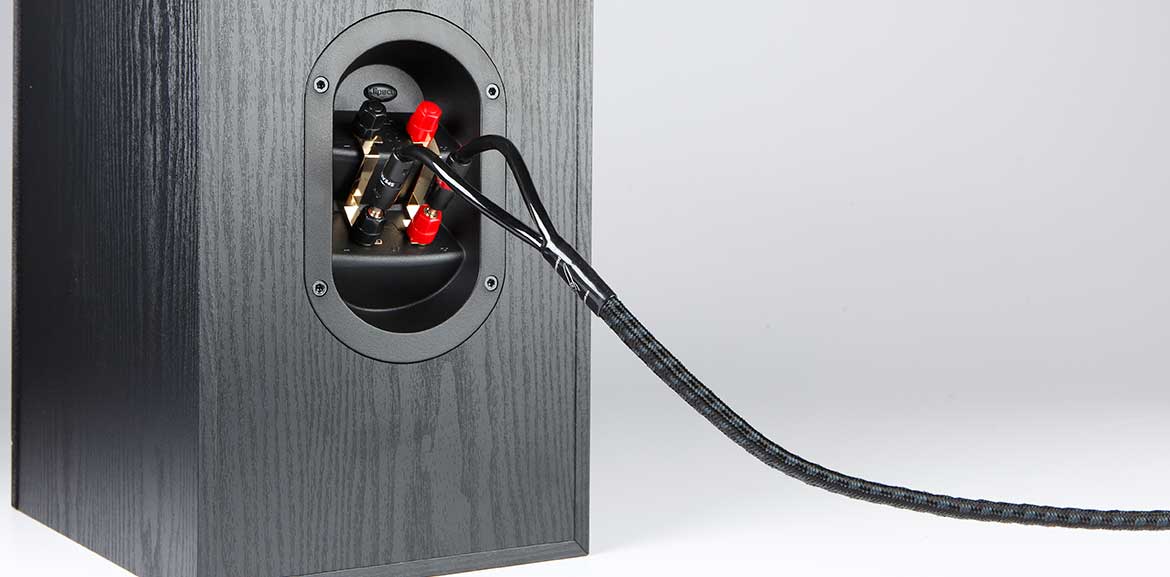
Insulation protects the wire from damage and shorts. PVC is common and affordable. It is tough but not very flexible. Rubber insulation bends easily and lasts longer. It also resists heat better than PVC. Foam insulation reduces signal loss by lowering capacitance. It improves sound clarity, especially on long runs. Choose insulation that fits your setup and environment. Good insulation keeps your system working well for years.
Credit: www.crutchfield.com
Installation Tips
Installing the right gauge speaker wire for bookshelf speakers needs care. Proper installation improves sound and avoids damage. Follow simple tips to get the best results and keep your setup neat.
Wire Routing Best Practices
Keep wires away from power cords to reduce noise. Use clips or cable ties to secure wires along walls. Avoid tight bends that can damage the wire inside. Measure the distance before cutting wire to avoid shortages. Leave some slack for easy adjustments later. Run wires along baseboards or under carpets safely.
Connecting To Speakers And Amplifiers
Strip the wire ends carefully to avoid cutting strands. Match the positive and negative terminals on both speakers and amplifier. Use banana plugs or bare wire, depending on your equipment. Tighten connections firmly to prevent loose contact. Double-check polarity to keep sound clear and balanced. Avoid touching bare wires to prevent shorts.
Budget Considerations
Choosing the right speaker wire for bookshelf speakers depends on your budget. Spending too much on thick wire may not improve sound much. Too cheap wire can cause signal loss or damage over time. Balance cost and quality for the best result.
Think about how long the wire needs to be. Longer wire may need thicker gauge to keep sound clear. Short runs can use thinner wire without much problem. Plan according to your setup and budget.
Cost Vs Performance
Thicker wire costs more because it uses more copper. Copper is the best material for speaker wire. But after a certain thickness, sound quality gains are small. For bookshelf speakers, 16 or 14 gauge wire usually works well. It offers good sound and stays affordable.
Cheap wire might cause hiss or dull sound. Mid-range wire offers better durability and signal flow. It is smart to buy good quality wire without overspending on very thick gauge. Small savings on wire can lead to poor sound.
When To Upgrade Wire Gauge
Upgrade wire gauge if the wire length is over 50 feet. Thin wire loses more signal over long distances. Thicker wire keeps sound clear and strong. Also upgrade if your amplifier or speakers need higher power.
Check your speaker manual for recommended wire gauge. Using the right gauge protects your equipment. It prevents overheating and sound distortion. Upgrading wire can improve sound in large rooms or complex setups.

Credit: www.fluance.com
Common Mistakes To Avoid
Choosing the right speaker wire for bookshelf speakers is important. Many people make simple mistakes that hurt sound quality. Avoiding these errors helps you get the best audio experience. Here are some common mistakes to watch out for.
Using Too Thin Wire
Thin wire causes sound loss and weak bass. It increases resistance, reducing power to your speakers. Use thicker wire, like 16 or 14 gauge, for better sound. Thin wire may work for short runs but is risky for longer distances.
Ignoring Wire Length Impact
Long wire runs need thicker wire to keep sound clear. Resistance rises with length, causing volume drop and distortion. Measure the distance and choose wire gauge accordingly. Don’t assume all wires perform the same at different lengths.

Credit: www.arylic.com
Frequently Asked Questions
What Gauge Speaker Wire Is Best For Bookshelf Speakers?
16 or 14 gauge wire is ideal for bookshelf speakers. It balances sound quality and flexibility. Thicker wire reduces resistance and signal loss, especially for longer runs.
How Does Wire Gauge Affect Bookshelf Speaker Sound?
Thicker wire reduces resistance, improving sound clarity and bass response. Thin wire can cause signal loss and weaker audio, especially over long distances.
Can I Use 18 Gauge Wire For Bookshelf Speakers?
Yes, 18 gauge works for short runs under 25 feet. For longer distances, 16 or 14 gauge is better to prevent audio degradation.
Why Choose Thicker Wire For Longer Speaker Runs?
Thicker wire lowers resistance, preserving signal strength over long distances. This results in clearer sound and better speaker performance without power loss.
Conclusion
Choosing the right gauge speaker wire matters for sound quality. Thicker wires carry signals better over long distances. For most bookshelf speakers, 16 or 14 gauge works well. Keep the wire length short for best results. Using proper wire helps your speakers perform clearly.
Avoid wires that are too thin or too long. Good connections make your music sound richer and clearer. Simple choices lead to better listening experiences every time.