Are you planning to add a new bookshelf to your space but unsure about the right size? Knowing the standard bookshelf depth can save you from buying a shelf that’s too shallow or too bulky.
This simple detail affects not just how much you can store, but also how your room feels and functions. Keep reading, and you’ll discover the perfect bookshelf depth that fits your needs and style effortlessly.
:strip_icc()/102393235-3795885e0b7640d2ab27a1a55e181906.jpg)
Credit: www.bhg.com
Bookshelf Depth Basics
Bookshelf depth is the distance from the front edge to the back panel. This size affects how much you can store. It influences what items fit comfortably on the shelves. Choosing the right depth helps keep books and objects organized and accessible.
Understanding standard bookshelf depths makes buying or building shelves easier. It helps match shelves to your space and needs. Let’s explore common depths and their impact on storage capacity.
Common Depth Measurements
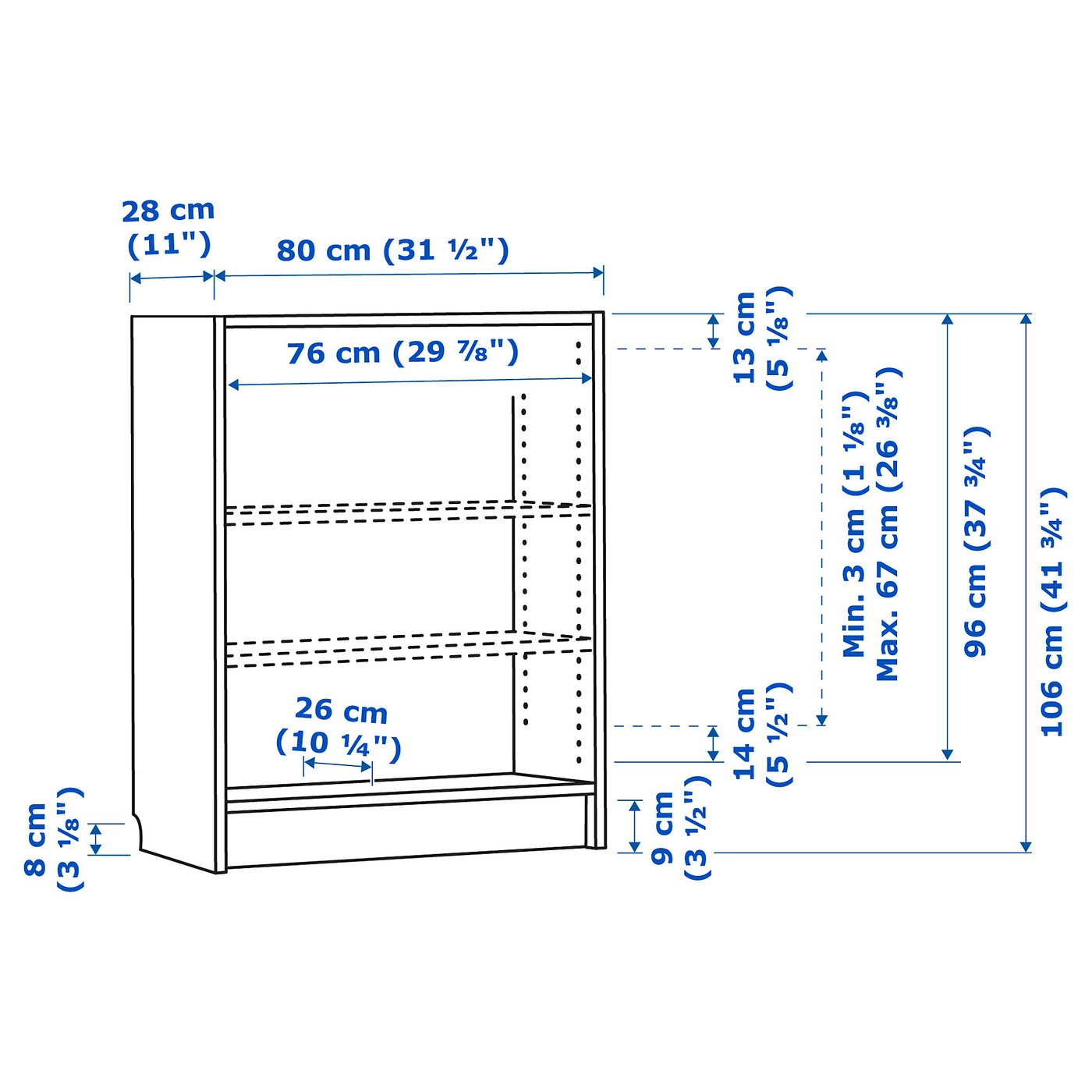
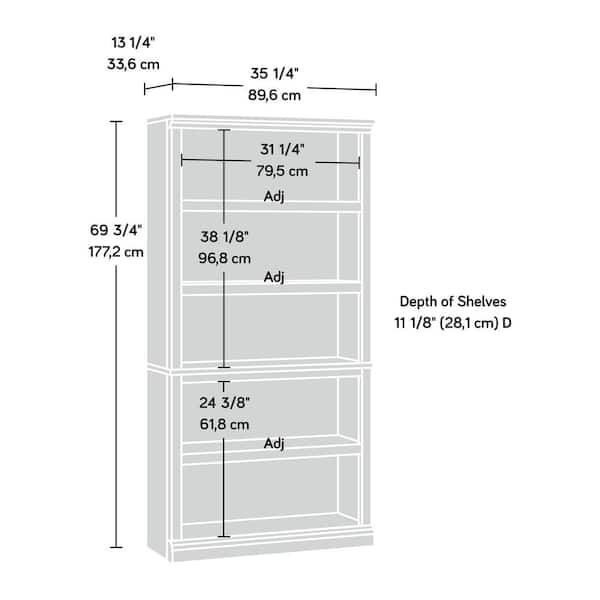
Standard bookshelf depths range from 8 to 14 inches. Shallow shelves, about 8 to 10 inches deep, suit paperbacks and small decor. Medium depth shelves, around 11 to 12 inches, hold most books well. Deeper shelves, 13 to 14 inches, fit large books and storage bins.
Choosing the right depth depends on what you plan to store. Shallow shelves save space but hold less. Deeper shelves offer more space but need more room in your room.
Impact On Storage Capacity
Deeper shelves increase storage capacity significantly. They allow stacking books front to back or storing larger items. Shallow shelves limit storage to a single row of books or items.
Too much depth can make items hard to reach at the back. Too little depth causes books or items to stick out. Finding a balance ensures good storage and ease of use.
Credit: www.ikea.com
Choosing The Right Depth
Choosing the right bookshelf depth is important for both function and style. The depth affects how books fit and how the shelf looks in your room. A bookshelf too deep or too shallow may not hold your books well or may take up too much space.
Understanding how to pick the best depth helps make your bookshelf useful and neat. Think about the size of your books and the space in your room. This way, your bookshelf will suit your needs perfectly.
Matching Shelf Depth To Book Size
Books come in many sizes. Some are thin paperbacks, others are thick hardcovers. The shelf depth should match the book size to keep them stable. Most standard bookshelves are about 10 to 12 inches deep. This depth fits most books well. For larger art or coffee table books, deeper shelves are better. Shallow shelves may cause books to stick out or fall over. Choose a depth that keeps your books safe and tidy.
Considering Room Space
Room size limits how big your bookshelf can be. A deep shelf can take up a lot of space. In small rooms, a shallow shelf saves room and keeps the area open. Measure the space before buying or building a shelf. Think about walking paths and other furniture. A good fit means the room stays comfortable and organized. Balance between shelf depth and room space for the best look.
Custom Vs Standard Depths
Choosing between standard and custom bookshelf depths can shape your room’s look and function. Standard depths fit most books and are easy to find. Custom shelves offer flexibility for unique spaces or special needs. Understanding the pros and cons of each helps you pick the best option for your home or office.
Pros And Cons Of Standard Sizes
Standard bookshelf depth usually ranges from 10 to 12 inches. This size fits most hardcover and paperback books well. Standard shelves are cheaper and easier to replace or add to. They are widely available in many styles and materials.
On the downside, standard shelves may not fit larger items or oversized books. They might waste space in small rooms or awkward corners. Also, standard sizes limit creative design choices and personalization.
When To Opt For Custom Shelves
Custom shelves work well for rooms with unusual dimensions or tight spaces. They allow you to match the shelf depth to your specific storage needs. Custom options suit collections with large art books or special items.
Choosing custom shelves lets you control style, color, and material. These shelves can maximize space and improve room flow. Keep in mind, custom shelves usually cost more and take longer to build.
Depth And Shelf Design
Depth and shelf design play a key role in choosing the right bookshelf. The depth affects what items fit comfortably. Shelf design affects how the space is used and looks. Both factors help organize books and other items effectively.
Standard bookshelf depth usually ranges from 10 to 12 inches. This depth fits most books and small decor. Some shelves are deeper for larger books or storage boxes. Understanding depth helps match shelves to your needs.
Open Vs Closed Shelves
Open shelves have no back or doors. They give a light and airy look. Open shelves make it easy to see and reach items. Dust can collect more easily on open shelves. Closed shelves have doors or a back panel. They protect books from dust and damage. Closed shelves can hide clutter for a cleaner look.
Adjustable Shelving Options
Adjustable shelves change height to fit different items. This flexibility helps store tall books or small items. Shelves with pegs or tracks are easy to move. Fixed shelves offer more stability but less flexibility. Adjustable shelves let you use space more efficiently.
Measuring For Perfect Fit
Measuring for the perfect bookshelf depth is key for a good fit. It helps avoid buying shelves that are too big or too small. Proper measurement ensures your books and decor fit well. It also keeps the room looking neat and organized.
Tools Needed
Gather a tape measure or ruler. A pencil and paper help note down numbers. A level tool checks shelf alignment. Having a helper can make measuring easier. These simple tools make the process smooth and accurate.
Step-by-step Measurement Tips
Start by measuring the wall space for the shelf. Measure the depth from the wall to where the shelf front will be. Note the narrowest point if walls are uneven. Add an inch or two for clearance. Measure the height and width for full shelf size. Double-check all numbers before buying or building. Accurate steps lead to a perfect bookshelf fit.
Credit: www.homedepot.com
Common Mistakes To Avoid
Choosing the right bookshelf depth matters a lot. Many people make simple errors that cause storage problems. Knowing these common mistakes helps you avoid frustration. It saves time and makes your space look neat. Let’s explore what to watch out for.
Overestimating Space
Thinking a bookshelf is bigger inside than it really is happens often. Shelf depth does not mean total shelf width or height. Books need space to fit without sticking out or falling. Measure carefully before buying or building. Too much space is better than too little, but wasting room is not smart either.
Ignoring Book Dimensions
Books come in many shapes and sizes. Standard shelf depth might not fit all books well. Tall or wide books need deeper shelves. Small shelves can damage books or make them hard to pull out. Check your books’ size first. Match shelf depth to your collection for best results.
Maximizing Shelf Functionality
Maximizing shelf functionality means using the available space wisely. The depth of a bookshelf plays a big role in this. Choosing the right depth helps you store items better and keep things neat. It also makes your bookshelf look more attractive and organized.
Different depths allow different uses. Shallow shelves work well for small items or books. Deeper shelves hold larger objects or decorations. Knowing how to use depth can make your shelf more useful every day.
Using Depth For Decorative Displays
Deeper shelves give space for decoration. You can place plants, photo frames, or art pieces easily. These items add personality to your room. They also make the shelf a focal point.
Shallow shelves work well for small decorations too. Grouping small items creates a neat look. It avoids clutter and keeps the shelf tidy.
Incorporating Storage Accessories
Storage accessories help organize items better on shelves. Use baskets or boxes to keep small things together. These fit well on deeper shelves and make cleaning easy.
Shelf dividers separate books or items neatly. Hooks or small racks add more storage options. Accessories make shelves more practical and attractive.
Frequently Asked Questions
What Is The Standard Depth Of A Bookshelf?
The standard bookshelf depth ranges from 10 to 12 inches. This size fits most books and provides ample storage. It balances space efficiency and functionality for typical home or office use.
Why Is Bookshelf Depth Important?
Bookshelf depth ensures books fit properly without overhang. It affects storage capacity and shelf stability. Choosing the right depth prevents damage and maintains a neat appearance.
Can Bookshelf Depth Vary By Book Size?
Yes, deeper shelves suit larger books like art or coffee table books. Standard books fit well on 10-12 inch shelves. Adjust depth based on the types of books you own.
How Does Bookshelf Depth Impact Room Space?
Deeper bookshelves take up more floor space, affecting room layout. Shallower shelves save space but hold fewer books. Choose depth considering room size and storage needs.
Conclusion
Standard bookshelf depth usually ranges between 10 to 12 inches. This size fits most books and items easily. Choosing the right depth helps keep your space organized. It also makes your shelves look balanced and neat. Remember, deeper shelves can hold bigger books but may waste space.
Shallower shelves save room but fit fewer items. Measure your books before buying or building shelves. That way, you get the best fit for your needs. Understanding standard depth makes your bookshelf functional and stylish. A simple step that improves your home or office.