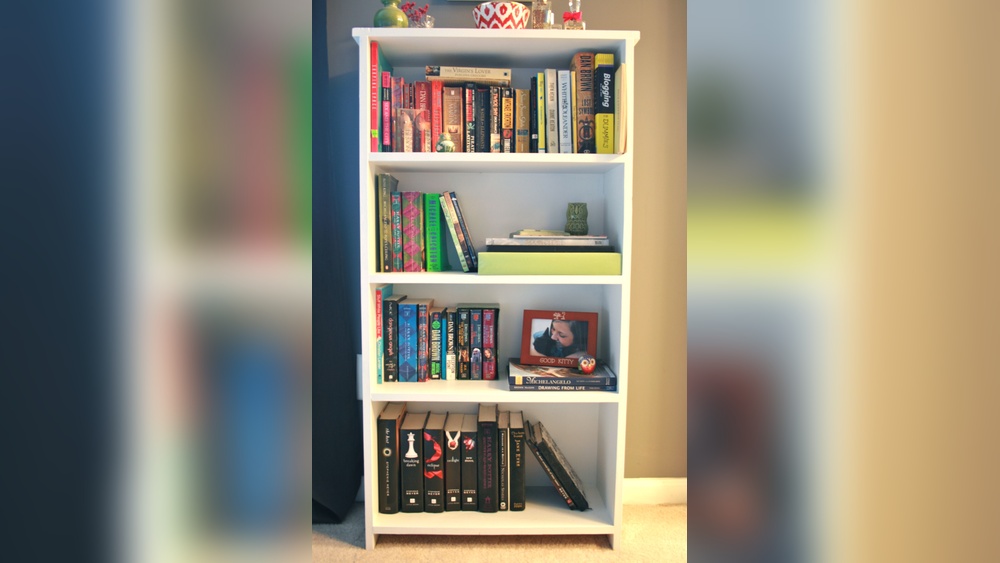
Imagine walking into your room and seeing a stunning wall covered with books, art, and your favorite treasures—all neatly organized on a custom-built bookshelf. How great would it feel to have a space like that, designed exactly the way you want?
If you’ve ever thought about creating your own whole wall bookshelf, this guide is made just for you. You don’t need to be a woodworking expert or have fancy tools. Step by step, you’ll learn how to build a beautiful, sturdy bookshelf that transforms your space and shows off your personality.
Ready to turn your blank wall into something amazing? Let’s get started!

Credit: sawdustgirl.com
Planning Your Bookshelf
Planning is the first step to building a whole wall bookshelf. It helps avoid mistakes and saves time. A good plan makes the project easier and the result stronger. Think about space, size, and style before starting. Careful planning ensures your bookshelf fits perfectly and looks great.
Choosing The Right Location
Pick a wall that has enough space for the bookshelf. Avoid walls with doors or windows that block the shelves. Check if the wall is strong enough to hold the weight. A solid wall like brick or wood studs works best. Think about light and room use. The location should be easy to access and use daily.
Measuring Wall Dimensions
Use a tape measure to get the wall’s width and height. Write down exact numbers to avoid errors. Measure from floor to ceiling and corner to corner. Note any obstacles like power outlets or vents. These might affect shelf placement. Double-check your measurements before buying materials.
Deciding On Shelf Size And Layout
Decide how tall and deep each shelf should be. Shelves for big books need more depth and height. Plan different shelf heights for various items. Think about spacing between shelves for easy access. Draw a simple sketch of the layout. This helps visualize the final look and guides your building process.

Credit: southernyankeediy.com
Gathering Materials And Tools
Building a whole wall bookshelf starts with gathering the right materials and tools. This step ensures a smooth building process. Choosing the best wood and finishes, having the necessary tools, and using proper safety gear are key parts. Prepare well to save time and avoid problems later.
Selecting Wood And Finishes
Choose wood that fits your budget and style. Pine is affordable and easy to work with. Oak or maple offers more strength and a classy look. Decide on the finish next. Paint gives a fresh, colorful look. Stain shows the wood grain and protects the surface. Pick finishes that suit your room’s design and your skill level.
Essential Tools Checklist
Gather these tools before you start. A measuring tape and pencil for precise marks. A saw, such as a circular or jigsaw, to cut wood pieces. A drill and drill bits for holes and screws. Sandpaper or an electric sander to smooth surfaces. Clamps hold pieces in place while you work. A level ensures shelves are straight. These tools make building faster and easier.
Safety Gear To Use
Protect yourself with proper safety gear. Wear safety glasses to guard your eyes. Use ear protection to reduce noise from power tools. Gloves protect your hands from splinters and sharp edges. A dust mask stops you from breathing in sawdust. Work in a clean, well-lit area to avoid accidents. Safety is important for a successful project.
Preparing The Workspace
Preparing your workspace is the first step to building a whole wall bookshelf. A neat, organized area makes the project easier and safer. It helps you work faster and avoid mistakes. This section guides you on how to get your space ready.
Clearing The Area
Remove all furniture and items from the wall space. Clear the floor to create room for materials and tools. This prevents accidents and gives you a clean work zone. Check for any nails or screws in the wall and remove them.
Setting Up Workbench
Place a sturdy workbench near the wall. It should be at a comfortable height for cutting and assembling. Make sure it is stable and won’t wobble during use. Having a good workbench improves precision and reduces strain.
Organizing Materials
Sort all wood pieces, screws, and tools before you start. Keep them close to the workbench for easy access. Use boxes or trays to separate small items. This saves time and keeps your workspace tidy throughout the project.
Cutting And Assembling Shelves
Cutting and assembling shelves is a key step in building a whole wall bookshelf. It shapes the structure and strength of your shelves. Precise cuts and strong joints ensure the shelves hold books safely. Careful work here saves time and effort later.
Measuring And Marking Wood
Start by measuring the wood pieces for your shelves. Use a tape measure for accuracy. Mark the cut lines clearly with a pencil. Double-check measurements before cutting. Mark all pieces at once to keep sizes consistent.
Cutting Techniques
Use a saw suitable for wood, like a circular or hand saw. Cut along the marked lines slowly and steadily. Keep the saw straight to avoid uneven edges. Sand the edges after cutting to smooth rough spots. Take safety precautions by wearing goggles and gloves.
Joining Shelf Components
Join the shelf parts with wood glue and screws for strength. Apply glue along the edges before pressing pieces together. Use clamps to hold parts while the glue dries. Drill pilot holes before screwing to prevent wood splitting. Check that shelves are level and square during assembly.
Installing The Bookshelf Frame
Installing the bookshelf frame is a key step in building a whole wall bookshelf. This frame will hold all the shelves and books securely. Careful installation makes the structure strong and safe. Follow simple steps to place the frame correctly on the wall.
Locating Wall Studs
Start by finding the wall studs. Studs are the wooden beams behind the drywall. They provide solid support for the bookshelf frame. Use a stud finder to locate them. Mark each stud with a pencil. Space between studs is usually 16 or 24 inches. Align your frame to these marks for strong anchoring.
Securing The Frame
Lift the frame and place it against the wall. Match the frame edges with your stud marks. Use long screws to attach the frame to the studs. Drill pilot holes first to avoid wood splitting. Tighten screws until the frame feels firm. Secure all vertical and horizontal parts for full support.
Ensuring Level And Stability
Check if the frame is level using a spirit level. Adjust the frame by loosening screws and shifting it slightly. Tighten the screws once the frame is perfectly horizontal. Test stability by gently pushing the frame. It should not wobble or shift. A stable frame is crucial for safety and durability.

Credit: www.reddit.com
Adding Shelves And Supports
Adding shelves and supports is a key step in building a whole wall bookshelf. This part gives your bookshelf strength and shape. Proper shelf placement and strong supports keep books safe and prevent sagging. Careful work here ensures your shelf lasts long and looks great.
Spacing Shelves Evenly
Start by measuring the height of your wall space. Divide the height by the number of shelves you want. Mark each spot clearly on the wall or frame. Keep equal distance to give a balanced look. Use a level to make sure marks are straight. Even spacing helps books fit neatly and looks tidy.
Attaching Shelf Brackets
Choose brackets that match your shelf size and weight needs. Hold the bracket at your marked spot on the wall. Drill pilot holes to avoid wood splitting. Use screws to fix brackets tightly into wall studs. Check that each bracket is level. Secure brackets well to support shelf weight without wobble.
Reinforcing For Heavy Loads
Heavy books need extra support to avoid shelf bending. Add a support strip under each shelf’s front edge. Use thicker wood for shelves holding many books. Attach brackets closer together for more strength. Consider metal braces for very heavy loads. Strong reinforcement keeps shelves safe and steady over time.
Finishing Touches
Finishing touches give your whole wall bookshelf a polished look. They protect the wood and make the shelf last longer. Pay attention to every detail for the best result.
Sanding And Smoothing Edges
Start by sanding all surfaces with fine-grit sandpaper. Smooth edges reduce splinters and improve safety. Sand corners and joints carefully. Wipe away dust with a clean cloth before moving on.
Applying Paint Or Stain
Choose paint or stain to match your room style. Use a brush or roller for even coverage. Apply thin coats to avoid drips and runs. Let each coat dry fully before adding another.
Sealing For Durability
Seal your bookshelf with a clear finish like polyurethane. This protects against scratches, moisture, and dirt. Apply two to three coats for strong protection. Allow proper drying time between coats for best results.
Organizing And Styling
Organizing and styling a whole wall bookshelf transforms it from simple storage into a beautiful feature. Proper arrangement makes books easy to find. Thoughtful styling adds personality to the room. Balance between function and decoration creates a cozy space. This section guides you through practical steps to organize and style your bookshelf.
Arranging Books And Decor
Sort books by size, color, or subject. Group similar books together for easy access. Mix vertical stacks with horizontal piles to add variety. Place decorative items like vases or plants between books. Keep some empty space to avoid clutter. Use bookends to keep rows neat and tidy. Change arrangements over time to keep the look fresh.
Maintaining Your Bookshelf
Dust shelves regularly to keep them clean. Check for worn-out or damaged books often. Remove items that no longer fit your style or needs. Keep the shelf organized by returning items to their places. Avoid overcrowding shelves to prevent damage. Use gentle cleaning products for wooden surfaces. Regular care keeps the bookshelf looking its best.
Ideas For Personalization
Add photos in simple frames to share memories. Display souvenirs from trips or special events. Use small plants to bring life and color. Incorporate artwork or handmade crafts for uniqueness. Choose decorative baskets to store small items. Change decor seasonally to refresh the space. Personal touches make the bookshelf truly yours.
Frequently Asked Questions
What Materials Are Needed To Build A Whole Wall Bookshelf?
You need plywood or MDF boards, wood screws, brackets, wood glue, sandpaper, primer, and paint. Also, have a drill, level, measuring tape, and saw ready.
How Much Time Does Building A Wall Bookshelf Take?
Building a whole wall bookshelf typically takes 2-3 days. This includes measuring, cutting, assembling, sanding, and painting.
How To Ensure A Bookshelf Is Sturdy And Safe?
Use strong wood, secure shelves with brackets, and anchor the unit to wall studs. Check all screws and supports for tightness.
Can I Customize The Bookshelf Design To Fit My Space?
Yes, measure your wall accurately and design shelves accordingly. Adjust height, width, and shelf spacing to match your needs.
Conclusion
Building a whole wall bookshelf takes time and care. Start with a clear plan and measure carefully. Use good materials for strong shelves that last. Take each step slowly to avoid mistakes. The result will be a beautiful, useful space for books.
Enjoy the pride of your own handiwork. This project adds both style and storage to your home. Try it yourself and see how rewarding it feels. A custom bookshelf can change any room’s look. Simple tools and patience make the job easier.
Keep your books organized and within reach every day.