Are you ready to transform your space with a stunning, chiseled bookshelf that stands out? Imagine a piece that not only holds your favorite books but also becomes the centerpiece of your room.
Crafting a chiseled bookshelf might sound challenging, but with the right steps, you can create one that fits your style perfectly. In this guide, you’ll discover simple techniques and insider tips to build a bookshelf that looks sharp and lasts for years.
Keep reading, and by the end, you’ll have everything you need to bring your vision to life.
Choosing The Right Materials
Choosing the right materials is the first step to crafting a chiseled bookshelf. The quality of wood, tools, and finishes affects the final look and durability. Good materials make the work easier and the shelf stronger. Focus on materials that match your skill level and design ideas.
Types Of Wood For Chiseled Bookshelves
Hardwoods like oak, maple, and cherry are popular for bookshelves. They are strong and hold detailed chiseling well. Softwoods such as pine are easier to carve but less durable. Choose wood with a smooth grain to help with fine chisel work. Avoid wood with knots or cracks. It can break or spoil the design.
Selecting Quality Tools
Sharp chisels create clean cuts and reduce effort. Look for chisels with sturdy handles and balanced weight. A set with different blade sizes allows for detailed carving. Keep tools sharp and clean. Dull chisels can slip and cause mistakes. Invest in a good sharpening stone or tool sharpener.
Finishes And Sealants
Finishes protect the wood and enhance its beauty. Use clear varnish or polyurethane for a natural look. Oil finishes bring out the wood grain and feel smooth. Sealants stop moisture from damaging the bookshelf. Apply thin coats and let each dry fully. Sand lightly between coats for the best finish.

Credit: www.namehero.com
Planning Your Bookshelf Design
Planning your bookshelf design is the first step to building a strong and beautiful piece. Careful planning helps you avoid mistakes and saves time. It also ensures the bookshelf fits well in your space and looks exactly how you want.
Start by understanding your room and what the bookshelf will hold. Think about size, style, and the chiseled details you want to add. Proper planning makes the building process smooth and enjoyable.
Measuring Space And Dimensions
Measure the wall or area where the bookshelf will go. Note the height, width, and depth of the space. Use a tape measure for accuracy. Write down these numbers clearly. Consider any obstacles like vents or light switches. Check if the floor is even. These measurements guide your design size.
Sketching The Layout
Draw a simple sketch of your bookshelf on paper. Include shelves, sides, and back panels. Mark the dimensions you measured. Plan shelf spacing based on what you will store. Books need different heights than decorations. Keep the sketch clear and easy to read. This visual helps you see the final shape.
Incorporating Chiseled Details
Decide where to add chiseled details on your bookshelf. Think about edges, corners, or decorative panels. These details make the bookshelf unique and eye-catching. Choose simple patterns to start. Avoid complicated designs that are hard to carve. Plan the size and depth of each chiseled part. Make sure they fit with the overall style.
Step-by-step Construction Process
Building a chiseled bookshelf takes patience and care. Follow each step to make a strong and beautiful piece. The process includes preparing wood, carving patterns, assembling parts, and finishing with sanding. These steps help create a bookshelf that lasts and looks great.
Preparing Wood Pieces
Start with quality wood. Cut pieces to the right size. Check for smooth edges and no cracks. Measure twice, cut once. Organize wood parts by size and shape. This makes the next steps easier and faster.
Carving Chiseled Patterns
Use a sharp chisel and hammer. Work slowly to carve patterns on wood. Follow a simple design to avoid mistakes. Carve small sections at a time. Keep your hands steady and safe. Patterns add style and depth to the bookshelf.
Assembling The Frame
Join the carved pieces carefully. Use wood glue and screws for strong hold. Align edges perfectly before fixing. Clamp the frame to dry if needed. Check for stability and square corners. A solid frame supports the entire bookshelf.
Sanding And Smoothing
Sand the bookshelf with fine-grit paper. Smooth all surfaces and edges evenly. Remove dust with a clean cloth. This step prepares wood for painting or staining. A smooth finish protects wood and looks neat.

Credit: www.youtube.com
Adding Decorative Elements
Adding decorative elements can transform a simple bookshelf into a stunning piece. These details bring character and style. They make your bookshelf stand out in any room. Focus on small touches that enhance the overall design. These elements add depth and personality to your crafted bookshelf.
Enhancing With Moldings
Moldings give your bookshelf a polished look. Choose crown or base moldings to frame the edges. These details add elegance and shape. Use wood glue and small nails to fix moldings securely. Sand the edges for a smooth finish. Moldings can match the style of your room or contrast for boldness.
Painting And Staining Techniques
Paint or stain changes the bookshelf’s mood and feel. Light colors make it look fresh and airy. Dark stains give a rich, classic touch. Use primer before painting for better results. Apply thin coats and let them dry well. Staining highlights the wood grain and natural beauty. Choose finishes that protect the wood from wear.
Installing Hardware
Hardware adds both function and charm to your shelf. Decorative knobs and handles can create a vintage or modern look. Measure carefully before drilling holes. Use screws that fit the hardware size. Hardware also helps open and close shelves or cabinets. Pick styles that match your room’s decor and the bookshelf’s design.
Maintenance Tips For Longevity
Maintaining your chiseled bookshelf helps it stay strong and beautiful for years. Simple care routines prevent damage and keep the wood looking fresh. Follow these easy tips to protect your investment and enjoy your bookshelf longer.
Cleaning And Dusting
Dust your bookshelf weekly using a soft cloth. Avoid rough materials that can scratch the wood. For deeper cleaning, use a damp cloth with mild soap. Dry the surface immediately to prevent water spots. Regular cleaning stops dirt from building up and dulling the finish.
Repairing Minor Damages
Small scratches or dents can be fixed quickly. Use wood filler or wax sticks matching your bookshelf’s color. Gently rub the product into the damaged spot. Sand lightly with fine-grit paper for a smooth finish. Prompt repairs stop damage from getting worse.
Protecting From Environmental Damage
Keep your bookshelf away from direct sunlight to avoid fading. Avoid placing it near heaters or air conditioners. Use coasters or mats under items to prevent water rings. Control room humidity to stop wood from warping. These steps shield your bookshelf from common harm.
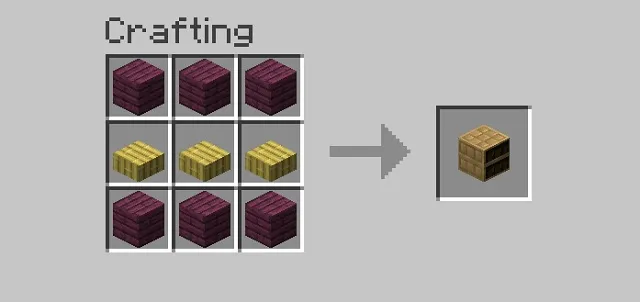
Credit: beebom.com
Frequently Asked Questions
What Tools Are Needed To Craft A Chiseled Bookshelf?
Essential tools include chisels, a saw, measuring tape, clamps, and sandpaper. These help shape, cut, and smooth the wood accurately for a refined finish.
How Do I Choose The Right Wood For A Bookshelf?
Select hardwoods like oak or maple for durability. Softwoods like pine are easier to work with but less durable, suitable for lightweight shelves.
What Safety Tips Should I Follow When Chiseling Wood?
Always wear safety goggles and gloves. Keep chisels sharp for better control. Work slowly, and secure wood firmly to prevent slips and injuries.
How Can I Ensure Precise Measurements For Bookshelf Parts?
Use a reliable measuring tape and a square tool. Double-check dimensions before cutting to avoid errors. Mark all measurements clearly on the wood.
Conclusion
Crafting a chiseled bookshelf takes time and patience. Start with good planning and the right tools. Focus on shaping each piece carefully for clean lines. Sand and finish to bring out the wood’s beauty. This project boosts both your skills and your room’s style.
Keep practicing, and each bookshelf will look better. Enjoy the process of creating something unique and useful. Your efforts will result in a sturdy and attractive piece. Every step matters in building a great bookshelf.
