Are you looking to transform a plain wall into a stunning centerpiece for your room? Designing a bookshelf wall can do just that.
It’s not only a smart way to store your favorite books but also a chance to showcase your style and personality. Imagine having a space that feels both cozy and organized, where every shelf tells a story. In this guide, you’ll discover simple steps and clever ideas to create a bookshelf wall that fits your space perfectly.
Ready to turn your wall into a beautiful, functional work of art? Let’s dive in and make it happen.
Choosing The Right Location
Choosing the right location for your bookshelf wall is the first step in creating a beautiful and functional space. The spot you pick affects how the bookshelf looks and how useful it will be. Think about where you want to place the shelves carefully. This choice can change the entire room’s feel and how you use it.
Assessing Wall Space
Measure the wall space you want to use. Check for any obstacles like doors or windows. Make sure the wall is wide and tall enough for the shelves. Empty walls work best for large bookshelves. Small walls can hold compact or corner shelves. Plan the layout to fit the wall perfectly.
Considering Room Functionality
Think about what the room is for. A living room shelf might hold books and decor. In a home office, shelves need space for files and supplies. Keep shelves where they support the room’s main use. Avoid placing bookshelves where they block movement. The right spot helps keep the room neat and useful.
Lighting And Accessibility
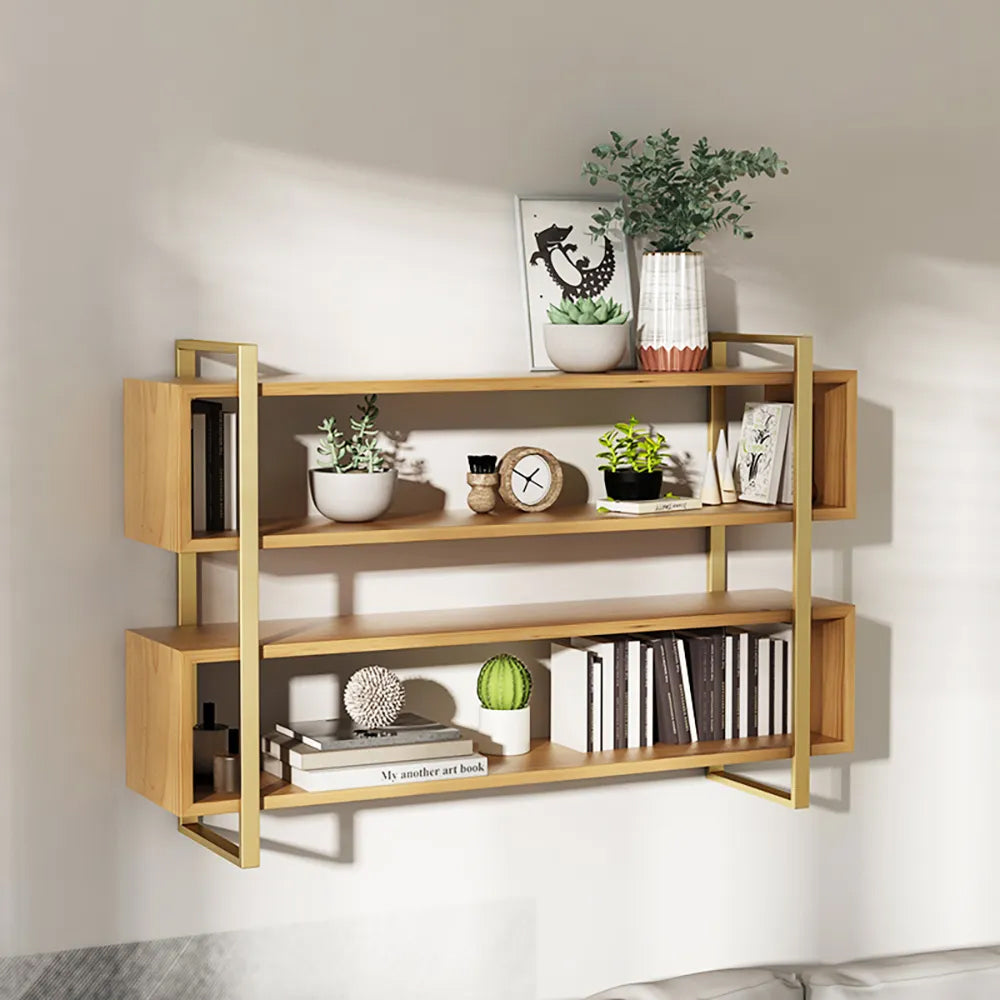
Good lighting makes books and items easy to see. Natural light is best but avoid direct sunlight on books. Use lamps or overhead lights to brighten dark corners. Make sure you can reach all parts of the shelf easily. Place shelves where you can stand close and grab what you need. Accessibility keeps your bookshelf wall practical and inviting.
Credit: wallmantra.com
Selecting Materials And Styles
Selecting the right materials and styles shapes the look and feel of your bookshelf wall. The choice affects durability, maintenance, and how well it fits your space. Different materials bring unique textures and colors. Styles can set a mood from cozy to sleek. Choose carefully to create a balanced and inviting display.
Wood Types And Finishes
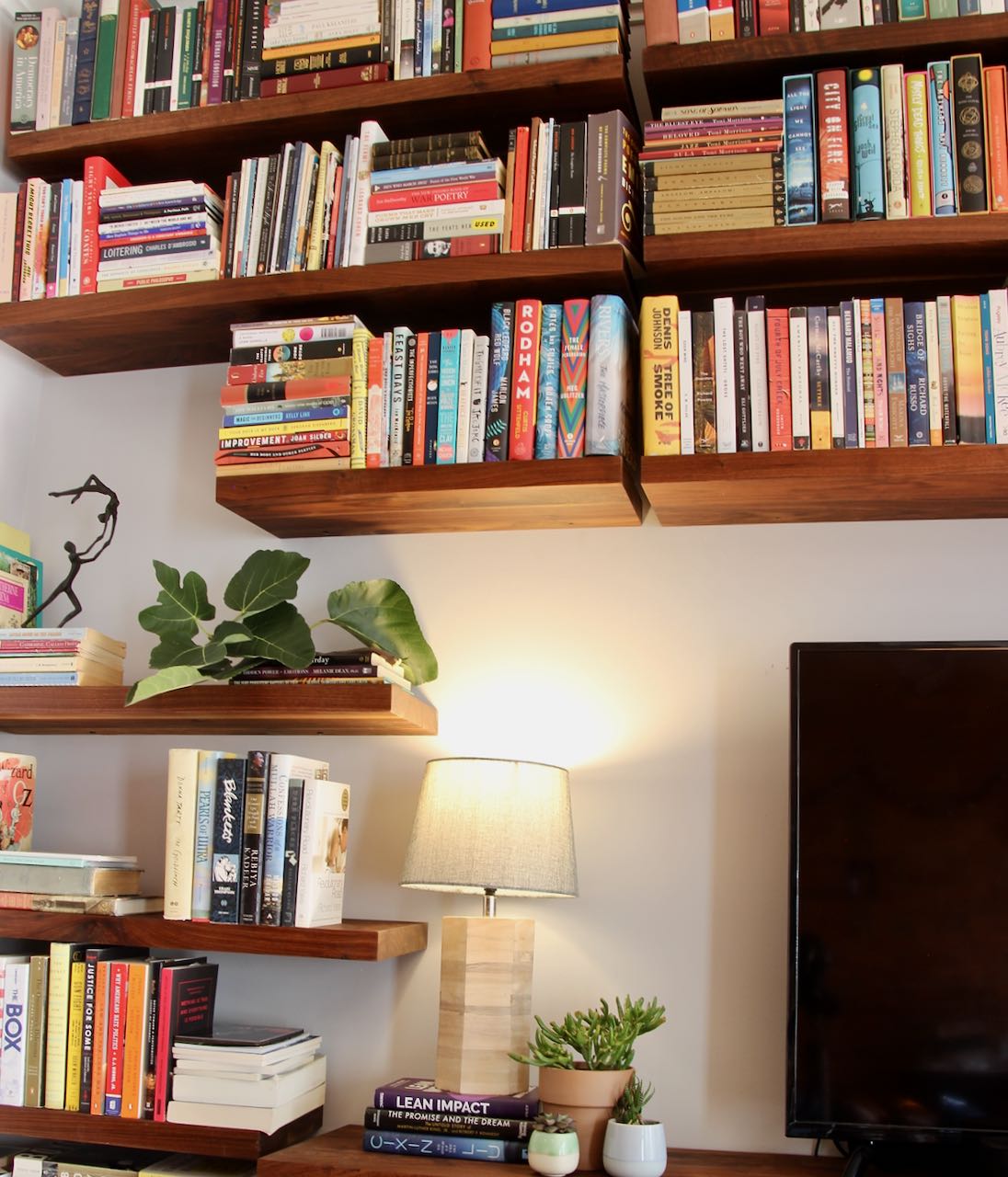
Wood is a popular choice for bookshelf walls. Oak offers strength and a classic look. Pine is lighter and easy to paint. Walnut brings a rich, dark tone. Finishes change the wood’s appearance and protect it. Matte finishes give a natural feel. Glossy finishes reflect light and add shine. Stains can enhance the wood grain or change color.
Metal And Glass Options
Metal frames provide a modern, industrial touch. Steel is strong and lasts long. Aluminum is lightweight and resists rust. Glass shelves make the wall look open and airy. They show off books and decor clearly. Combining metal and glass creates a clean, stylish design. These materials suit minimalist and contemporary spaces.
Modern Vs Traditional Designs
Modern designs focus on clean lines and simplicity. Open shelving and neutral colors are common. These designs fit small or large rooms well. Traditional designs use ornate details and warm tones. Built-in shelves with crown molding add elegance. Choose modern for a fresh look. Choose traditional for a cozy, classic feel.
Customizing Shelf Layouts
Customizing shelf layouts lets you create a bookshelf wall that fits your needs perfectly. It helps to organize books and display items in a way that looks good and works well. Adjusting shelf sizes and styles adds personality and function to your space.
Adjustable Shelves
Adjustable shelves give you flexibility to change the height between shelves. This feature allows you to store tall books or small items easily. It also helps to update the layout as your collection grows or changes.
Using adjustable shelves saves space and makes the design more practical. You can move shelves up or down without needing new furniture. This makes your bookshelf wall more useful over time.
Incorporating Open And Closed Storage
Open shelves show off your favorite books and decor. They create a welcoming and airy feel in the room. Closed storage, like cabinets or drawers, keeps clutter out of sight.
Combining both open and closed storage keeps the wall balanced. Store items you want to hide and display those you want to share. This mix makes the bookshelf wall both neat and attractive.
Balancing Books And Decor
Bookshelves are not just for books. Adding decor pieces like plants, photos, or art creates visual interest. Balance books and decor by mixing vertical and horizontal stacks.
Place decor items between groups of books to break up the rows. This keeps the shelves from looking too crowded or too empty. A balanced look makes the space feel cozy and well-designed.

Credit: www.youtube.com
Maximizing Storage Efficiency
Maximizing storage efficiency is key when designing a bookshelf wall. It helps you keep your space tidy and organized. Smart design lets you use every inch wisely. This way, you store more books and items without clutter.
Vertical Space Utilization
Use the full height of your wall to add shelves. Tall shelves hold more books and save floor space. Stack books and boxes from bottom to top. Consider adjustable shelves to fit different item sizes. This method keeps your wall neat and functional.
Hidden Storage Solutions
Include hidden compartments behind doors or panels. Use drawers under shelves for small items. These spaces keep clutter out of sight. Hidden storage adds extra room without changing the look. It keeps your bookshelf wall clean and simple.
Multi-functional Features
Design shelves that serve more than one purpose. Add a fold-out desk or seating area. Use shelves with built-in lighting for better visibility. Combine storage with decoration for a stylish wall. Multi-use features save space and increase usefulness.
Incorporating Decorative Elements
Incorporating decorative elements into your bookshelf wall brings life and character. Decorations break the monotony of books and add personality. They create a space that feels warm and inviting. Thoughtful decoration makes your bookshelf wall a focal point in the room.
Artwork And Plants
Artwork adds color and visual interest to your bookshelf wall. Choose pieces that match your room’s style and colors. Small framed prints or canvases work well between books. Plants bring freshness and a natural touch. Use small pots with easy-care plants like succulents or ferns. Place plants on different shelves to create balance and depth.
Lighting Fixtures
Lighting highlights your bookshelf and its contents. Use LED strip lights under shelves for a soft glow. Small spotlights can focus on special books or decorations. A wall-mounted lamp near the bookshelf adds warmth and style. Proper lighting enhances the mood and makes the space cozy.
Personal Touches
Personal touches make your bookshelf unique. Display souvenirs, travel finds, or family photos. Use decorative boxes or baskets for small items. Mix old and new items to tell your story. These details make the bookshelf wall truly yours and spark conversations.
Credit: southhousedesigns.com
Diy Vs Professional Installation
Deciding between DIY and professional installation for your bookshelf wall is important. Both options have benefits and challenges. Choosing the right path depends on your skills, budget, and safety concerns.
Tools And Skills Needed
DIY installation requires basic tools like drills, screws, and levels. You need to measure spaces carefully and follow instructions. Some woodworking skills help a lot. Professionals bring advanced tools and experience. They handle tricky parts with ease. Their skills reduce errors and ensure a perfect fit.
Cost Considerations
DIY saves money on labor costs. You only pay for materials and tools. Mistakes, though, can increase expenses. Professional installation costs more upfront. This price covers labor, expertise, and sometimes materials. The higher cost might save money long term by avoiding errors.
Safety Tips
Bookshelf walls can be heavy and tricky to secure. Use proper safety gear like gloves and goggles. Check for wall studs to anchor shelves safely. Professionals follow strict safety rules and have insurance. DIYers must be extra careful to avoid accidents. Secure shelves well to prevent falls and injuries.
Maintaining And Updating Your Bookshelf Wall
Maintaining and updating your bookshelf wall keeps it fresh and inviting. Regular care preserves its look and extends its life. Small changes can make a big difference in style and function.
Cleaning And Care
Dust shelves often to prevent buildup. Use a soft cloth or duster for gentle cleaning. Wipe wooden surfaces with a damp cloth and dry quickly. Avoid harsh chemicals that can damage finishes. Check for loose screws or cracks regularly. Tighten or fix them to keep shelves sturdy.
Seasonal Styling
Change decorations to match the seasons. Add small plants or flowers in spring and summer. Use warm colors like orange and red in fall. Incorporate cozy items like candles and blankets in winter. Rotate books and accessories to refresh the look. Seasonal styling keeps the space lively and personal.
Expanding Or Modifying
Grow your bookshelf wall as your collection grows. Add extra shelves or units that match your style. Rearrange shelves for new storage needs or design changes. Use creative ideas like adding baskets or boxes for small items. Modifying your bookshelf wall keeps it useful and attractive.
Frequently Asked Questions
What Materials Are Best For Designing A Bookshelf Wall?
Wood and plywood are popular for bookshelf walls due to durability and aesthetics. MDF is budget-friendly but less durable. Metal offers a modern look. Choose materials based on style, budget, and room use.
How Do I Maximize Storage On A Bookshelf Wall?
Use adjustable shelves to fit various book sizes. Incorporate vertical dividers and baskets for organization. Include closed cabinets for clutter. Optimize unused wall space by going floor-to-ceiling.
What Colors Work Well For A Bookshelf Wall?
Neutral tones like white, beige, or gray enhance books’ colors. Dark colors create a dramatic effect. Match the bookshelf color with room decor for harmony. Paint the back panel a contrasting shade for depth.
How To Ensure A Bookshelf Wall Is Sturdy And Safe?
Anchor shelves securely to wall studs using heavy-duty brackets. Use quality fasteners and supports. Avoid overloading shelves with heavy items. Regularly check for loose screws and wear to maintain safety.
Conclusion
Designing a bookshelf wall adds style and function to any room. Choose shelves that fit your space and needs. Mix books with decor for a balanced look. Keep the arrangement simple and neat. A well-planned bookshelf wall makes your space feel cozy and organized.
Start small and adjust as you go. Enjoy the process and make it your own. Your wall can tell a story through every book and item displayed.

