Have you ever wondered how high your bookshelf should be? Choosing the right height is more important than you might think.
It affects not only how much you can store but also how comfortable and stylish your space feels. Whether you’re organizing a small reading nook or filling an entire wall, getting the height just right can make a big difference.
Keep reading, and you’ll discover simple tips to find the perfect bookshelf height for your needs—making your room look great and your books easy to reach.

Credit: magazine.mobilifiver.com
Ideal Bookshelf Heights
Choosing the right height for a bookshelf matters. It affects the room’s look and how easy it is to use. Bookshelves come in many heights. Finding the ideal height helps the shelves fit well and hold your items safely.
Standard Heights For Different Spaces
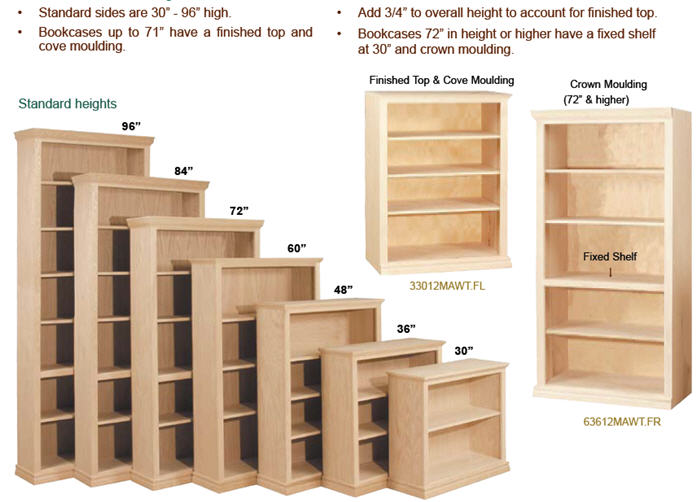
Bookshelves often match the room’s purpose. Living rooms usually have shelves around 72 to 84 inches tall. Bedrooms often use shorter shelves, about 48 to 60 inches. Office shelves can be taller, up to 90 inches or more. These heights suit common furniture and room layouts.
Adjusting Height For Room Size
Small rooms need shorter shelves to avoid crowding. Tall shelves can make a small room feel tight. Larger rooms handle taller shelves well. Taller shelves add storage without taking floor space. Choose shelf height based on your room size and how much stuff you have.
Considering Ceiling Height
Ceiling height guides bookshelf height. Standard ceilings are 8 feet tall. Shelves near 6 to 7 feet fit well here. Higher ceilings allow taller shelves, up to 9 or 10 feet. Leave some space above the shelf for balance. This prevents the room from feeling cramped or empty.
Credit: www.highlandsdesigns.com
Ergonomics And Accessibility
Ergonomics and accessibility play a big role in choosing the right bookshelf height. The goal is to make shelves easy to reach without bending or stretching too much. This helps keep your body comfortable and safe. Shelves set at the right height allow quick access to books and items. Everyone in the home should use the bookshelf with ease, no matter their age or height.
Comfortable Reach Zones
The most comfortable shelves sit between waist and eye level. This range is easy to reach without strain. Items placed too high or too low can cause discomfort. Arrange frequently used books in this zone. Less used items can go on higher or lower shelves. This setup helps save energy and reduces fatigue.
Height For Children And Seniors
Children need lower shelves to reach their books safely. Shelves at their chest or waist height work best. Seniors may find lower shelves hard to bend down to. Mid-level shelves reduce the need to stoop or stretch. Adjust shelf height for the users in your home. Accessibility means everyone can enjoy the bookshelf comfortably.
Avoiding Strain And Injury
Improper shelf height can lead to muscle strain or injury. Bending or reaching too far causes back and shoulder pain. Keep heavy items on shelves between waist and shoulder height. Use step stools for higher shelves to avoid accidents. Regularly used books should never require stretching or bending. Proper shelf height protects your body in the long run.
Types Of Bookshelves And Height
Choosing the right bookshelf height depends on the type of bookshelf you pick. Different styles suit different spaces and needs. Knowing the differences helps you pick a shelf that fits your room and your books well.
Bookshelves come in many types. Some are freestanding and easy to move. Others are built-in and fixed to the wall. Each type has typical height ranges. These affect how much space the shelf takes and how your books are stored.
Freestanding Vs. Built-in Shelves
Freestanding shelves stand alone and can be moved. They usually range from 3 to 7 feet tall. You can place them anywhere in the room. Built-in shelves are part of the wall. They often reach from floor to ceiling. This maximizes storage and looks neat. Built-in shelves need careful height planning to fit the room perfectly.
Tall Vs. Short Bookshelves
Tall bookshelves hold many books. They often measure over 6 feet tall. They use vertical space well but need a ladder or step stool. Short bookshelves are easier to reach. They are usually 3 to 4 feet tall. These fit smaller rooms and can double as tables or benches. Your choice depends on how much storage you need and how much room you have.
Adjustable Shelving Options
Adjustable shelves let you change the height between shelves. This works well for books of different sizes. You can customize space for tall or short books. Adjustable shelves add flexibility to both freestanding and built-in units. They help keep your collection organized and easy to access.
Bookshelf Height For Different Uses
Bookshelves come in many shapes and sizes. Choosing the right height depends on how you plan to use the shelf. Different uses need different bookshelf heights. This section helps you find the best height for your needs.
Displaying Books Vs. Decorative Items
Books need shelves tall enough to hold their height. Most books fit well on shelves 10 to 12 inches tall. Taller books need shelves about 14 to 16 inches high.
Decorative items need more space. They vary in size and shape. Shelves for decorations should be 12 to 18 inches tall. This space allows items to stand out without feeling crowded.
Storage Needs And Height
Storage needs affect shelf height too. If you have many books, taller shelves help fit more. Adjustable shelves work best for mixed storage.
For heavy items, lower shelves are safer and easier to reach. Use strong, sturdy shelves for heavy storage. Shelves about 36 to 48 inches high offer good balance.
Combining Function And Style
A bookshelf can be both useful and stylish. Mixing different shelf heights creates visual interest. Use shorter shelves for small items and taller ones for big books.
Open shelves show off your collection. Closed cabinets hide clutter. A bookshelf about 72 inches tall works well for most rooms. It fits many items and looks balanced.
Measuring And Installing Your Bookshelf
Measuring and installing your bookshelf is an important step. It ensures the shelf fits well and stays secure on the wall. Accurate measurements help avoid mistakes. Proper installation keeps your books safe and the shelf stable.
Taking Accurate Measurements
Start by measuring the wall space where the bookshelf will go. Use a tape measure and note the width, height, and depth. Check for any obstacles like light switches or vents. Measure twice to avoid errors. Mark the spot where the bottom of the shelf will sit.
Tools For Installation
Gather the right tools before you start. You will need a drill, level, screwdriver, and wall anchors. A stud finder helps locate strong points in the wall. Use a pencil to mark holes for screws. Having all tools ready saves time and effort.
Safety Tips For Mounting
Wear safety goggles to protect your eyes from dust. Use a sturdy ladder or step stool for high places. Do not overload the shelf; check the weight limit. Secure the shelf to wall studs for better support. Keep children and pets away while installing.
Customizing Bookshelf Height
Customizing bookshelf height helps fit your space and needs perfectly. It allows you to store different book sizes and other items easily. Adjusting the height can also improve the room’s look and feel. This section explores simple ways to change your bookshelf height.
Diy Adjustments
Simple tools can change your bookshelf height at home. Remove or add boards to fit tall or short books. Sand and paint the shelf edges after adjusting for a neat look. DIY changes save money and give you control over the design.
Using Modular Units
Modular units are separate pieces you stack or join. They let you build shelves that fit your wall size. You can add or remove units as your storage needs change. This option offers flexibility and easy rearrangement.
Incorporating Adjustable Shelves
Adjustable shelves have slots or holes for moving boards up or down. This design fits books of many heights without rebuilding the shelf. It works well for mixed collections and changing storage needs. Adjusting shelves is quick and tool-free in many cases.
:strip_icc()/102393235-3795885e0b7640d2ab27a1a55e181906.jpg)
Credit: www.bhg.com
Frequently Asked Questions
How High Should A Bookshelf Be For Easy Reach?
A bookshelf should be about eye level for easy access. Typically, 60 to 72 inches high works best. This height keeps books and items within comfortable reach without stretching or bending too much.
What Is The Ideal Bookshelf Height For Small Rooms?
In small rooms, keep bookshelves below 72 inches to avoid crowding. Lower shelves create a sense of openness. Adjustable shelves also help maximize storage without overwhelming the space.
How Tall Should A Bookshelf Be For Children?
For children, shelves should be between 36 to 48 inches high. This height allows kids to reach books safely. Lower shelves promote independence and encourage reading habits.
Does Ceiling Height Affect Bookshelf Height Choice?
Yes, ceiling height impacts bookshelf height decisions. For standard 8-foot ceilings, 72 inches is ideal. Taller ceilings can accommodate larger bookshelves without making the room feel cramped.
Conclusion
Choosing the right bookshelf height matters for comfort and style. Keep shelves easy to reach without stretching or bending. Think about the room’s size and ceiling height too. A well-sized bookshelf fits your space and holds your books well. Remember, balance between function and look is key.
Adjust height to your needs and room design. This way, your bookshelf feels just right every day.
