
Are you looking for a way to organize your child’s books that encourages independence and learning? Building a Montessori bookshelf might be exactly what you need.
This simple, low-height shelf puts books within your child’s reach, inviting them to explore and choose on their own. Imagine your little one confidently picking out stories or educational materials without asking for help. You’ll discover easy steps to create a functional, beautiful Montessori bookshelf that fits your space and supports your child’s growth.
Keep reading, and you’ll soon have a hands-on project that brings both order and inspiration to your home.
Choosing The Right Materials
Choosing the right materials for your Montessori bookshelf is very important. The materials affect the shelf’s safety, look, and how long it lasts. Using good quality materials ensures the shelf stays strong and safe for children. It also makes the shelf look natural and inviting.
Types Of Wood For Durability
Wood choice impacts the shelf’s strength and lifespan. Hardwood like oak, maple, or birch works best. These woods resist dents and scratches. Softwoods like pine are cheaper but can dent easily. Choose solid wood over particleboard for better durability. Solid wood also feels more natural and warm.
Non-toxic Finishes And Paints
Children often touch and sometimes lick furniture. Use non-toxic, child-safe finishes only. Water-based paints and natural oils are good options. Avoid finishes with harmful chemicals or strong smells. These finishes keep the shelf safe and healthy for kids. They also keep the wood looking fresh for years.
Tools You Will Need
Gather basic woodworking tools before starting. You will need a saw, drill, measuring tape, and sandpaper. A screwdriver and clamps help with assembly. Safety gear like goggles and gloves protect your hands and eyes. Having the right tools makes the building process easier and safer.
Designing The Bookshelf
Designing a Montessori bookshelf is an important step in creating a child-friendly space. The design must be simple and practical. It should encourage children to explore books independently. The bookshelf should be easy to use and safe.
Focus on the size and shape. Think about the child’s needs and abilities. The design should support learning and curiosity.
Child-friendly Dimensions
Choose a height that children can reach without help. Usually, 24 to 30 inches works well. The width and depth should fit small hands. Make sure the shelves are low enough for children to see all books. This helps them pick books easily.
Open Shelves For Easy Access
Use open shelves instead of closed cabinets. Open shelves show the books’ covers. This invites children to choose on their own. Keep shelves shallow to avoid crowding. Arrange books facing forward, not just spines.
Incorporating Safety Features
Smooth all edges and corners to prevent injuries. Use non-toxic paint or wood finish. Make sure the bookshelf is sturdy and stable. Attach it to the wall if needed. Avoid small parts or loose screws that can be dangerous.
Step-by-step Assembly
Building a Montessori bookshelf is a rewarding project. It brings organization and a child-friendly space to your home. Follow these clear steps to create a sturdy, beautiful bookshelf. Each part fits together to make a safe and functional piece.
Measuring And Cutting Wood
Start by measuring the wood pieces carefully. Use a tape measure for accuracy. Mark the wood with a pencil where cuts will go. Cut each piece using a saw. Make sure edges are smooth and even. Proper measurements ensure the bookshelf fits your space.
Assembling The Frame
Join the cut pieces to form the frame. Use wood glue for extra strength. Clamp the pieces until the glue dries. Reinforce corners with screws or nails. Check that the frame is square and stable. A strong frame supports the shelves well.
Adding Shelves And Supports
Attach the shelves inside the frame. Use small wooden supports under each shelf. Secure shelves with screws for safety. Space shelves evenly for easy access. Sand all surfaces to prevent splinters. This step completes the functional part of the bookshelf.
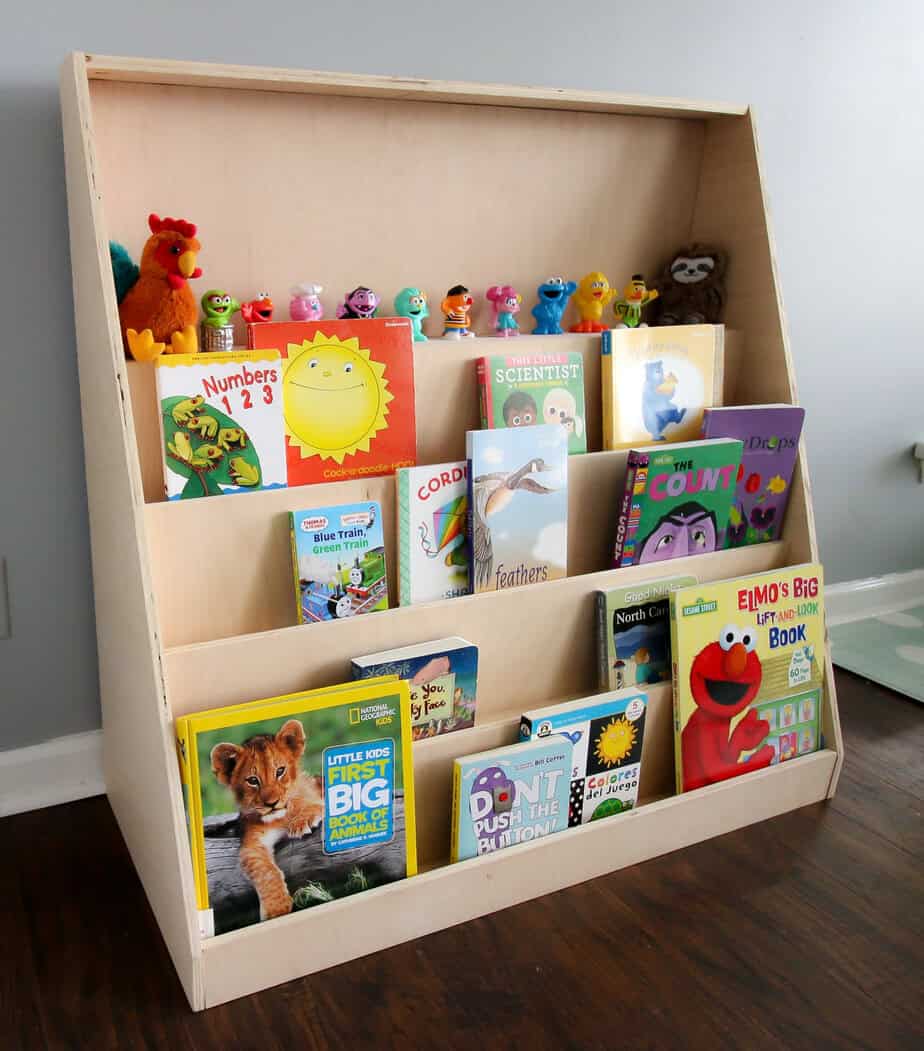
Credit: www.charlestoncrafted.com
Finishing Touches
Finishing touches are important for your Montessori bookshelf. They make it safe, pretty, and long-lasting. Careful work now helps your child enjoy the shelf for years. Let’s explore key steps to finish your project well.
Sanding For Smooth Edges
Start by sanding all surfaces and edges. Use fine sandpaper for a soft, smooth finish. This removes splinters and rough spots that could hurt small hands. Sand in small circles and check often. Make sure every corner feels safe to touch.
Applying Paint Or Stain
Choose non-toxic paint or stain safe for children. Light colors keep the shelf bright and inviting. Use a brush or cloth to apply thin, even coats. Let each coat dry fully before adding the next. This protects the wood and gives a nice look.
Securing The Bookshelf To The Wall
Attach the bookshelf firmly to the wall. Use wall anchors or brackets for strong support. This prevents tipping when children reach for books. Check the shelf’s stability before use. Safety first for a worry-free reading space.
Organizing Books And Toys
Organizing books and toys on a Montessori bookshelf helps children find and return items easily. A well-arranged shelf invites kids to explore and learn independently. Keeping things tidy supports focus and calmness in their play area.
Sorting By Size And Type
Group books and toys by size and type for a neat look. Place larger books and items on lower shelves for easy access. Smaller items go on higher shelves or in baskets. This method helps children see all their options clearly.
Encouraging Independence
Arrange books and toys so children can reach them without help. Use low shelves and open baskets to promote self-selection. Label shelves with pictures or words to guide kids. This setup encourages decision-making and confidence.
Maintaining Order Over Time
Teach children to return items after use. Use simple rules for tidying up together daily. Rotate toys and books to keep the shelf fresh and interesting. Consistent habits keep the shelf organized and inviting.

Credit: www.youtube.com

Credit: www.youtube.com
Frequently Asked Questions
What Materials Are Best For A Montessori Bookshelf?
Wood is the best material for a Montessori bookshelf. It is durable, safe, and eco-friendly. Choose smooth, non-toxic finishes to protect children. Avoid sharp edges to ensure safety. Natural wood enhances the aesthetic and aligns with Montessori principles.
How Tall Should A Montessori Bookshelf Be?
A Montessori bookshelf should be child-height, typically around 24 to 30 inches tall. This allows children to easily access books independently. The shelf height encourages autonomy and promotes a love for reading. Adjust height based on your child’s age and size.
How Many Books Should A Montessori Bookshelf Hold?
Limit the bookshelf to 8-12 books. This keeps the selection manageable and prevents overwhelm. It encourages focused reading and easy rotation of books. Regularly update the collection to maintain interest and relevance. Quality over quantity supports Montessori learning.
Why Is Open Shelving Important In Montessori Design?
Open shelving allows children to see and choose books freely. It promotes independence and decision-making skills. The visibility encourages organization and respect for materials. Open shelves align with Montessori’s hands-on learning approach and foster a love for reading.
Conclusion
Building a Montessori bookshelf helps children learn and stay organized. It suits their height and encourages independence. Using simple tools and materials makes the process easy and fun. You can customize the shelf to fit your space and needs. This project supports your child’s growth and love for books.
Start small and enjoy the progress step by step. A well-made bookshelf brings order and joy to any learning space. Keep it safe, sturdy, and inviting for your little one.
