Are you thinking about storing your furniture in an outdoor storage unit but unsure if it’s the right choice? You’re not alone.
Many people wonder if outdoor units can protect their valuable furniture from weather damage, pests, or theft. Before you make a decision, it’s important to understand the risks and best practices for storing furniture outside. You’ll discover what types of furniture are suitable for outdoor storage units, what you need to avoid, and how to keep your belongings safe and in good condition.
Keep reading to learn everything you need to know to make the best storage choice for your furniture.
Outdoor Storage Units And Furniture
Outdoor storage units offer a practical solution for storing furniture outside the home. They provide extra space when moving, renovating, or decluttering. Choosing the right type of outdoor unit can protect your furniture from weather and damage. Understanding which units suit furniture storage helps maintain its condition over time.
Types Of Outdoor Storage Units
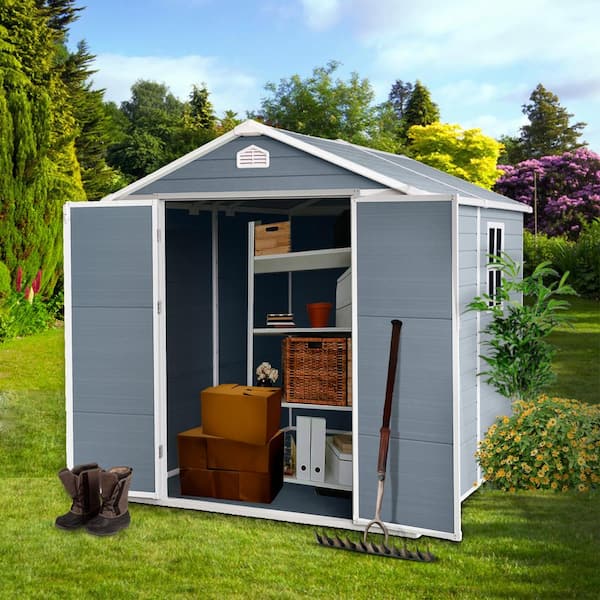
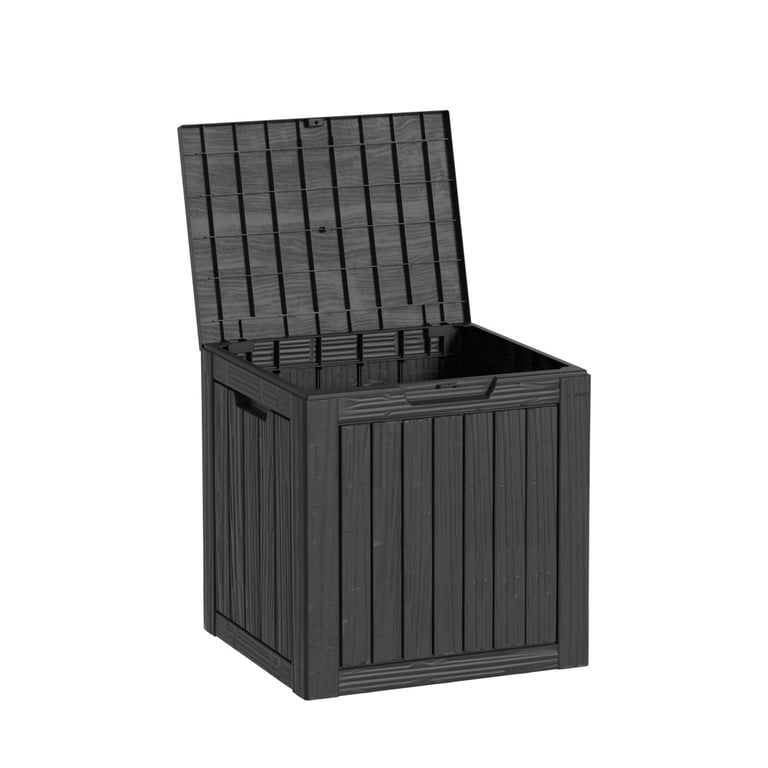
Outdoor storage units come in various forms. Common types include metal containers, wooden sheds, and plastic storage boxes. Metal containers are strong and secure but may get hot inside. Wooden sheds offer a natural look and some insulation. Plastic storage boxes are lightweight and water-resistant but less secure. Some units have roofs and doors, while others are open or covered only by tarps.
Suitability For Furniture Storage
Not all outdoor storage units are ideal for furniture. Units that protect from rain, sun, and pests work best. Metal units can trap heat and cause wood to warp. Wooden sheds breathe better but may need extra waterproofing. Plastic boxes are good for small furniture pieces or cushions. Avoid units that allow water or humidity inside. Cover furniture with waterproof sheets or tarps for extra protection. Keep furniture off the ground using pallets or shelves to prevent moisture damage.
Credit: www.homedepot.com
Risks Of Storing Furniture Outdoors
Storing furniture outdoors comes with several risks that can damage your items. Outdoor storage units expose furniture to natural elements and other hazards. These factors can reduce the lifespan of your furniture and cause costly repairs or replacements. Understanding these risks helps you decide the best storage option.
Weather And Moisture Damage
Rain, snow, and humidity directly affect outdoor-stored furniture. Moisture causes wood to swell and warp. Metal parts may rust or corrode over time. Upholstered furniture can grow mold and mildew from dampness. Sunlight can fade colors and weaken materials. These damages reduce furniture’s appearance and strength.
Pest Infestation
Outdoor storage units attract pests such as insects, rodents, and birds. These pests chew through fabric, wood, and wiring. They leave droppings that stain and smell bad. Pests may also build nests inside furniture, causing hidden damage. Preventing infestations outdoors is much harder than indoors.
Temperature Fluctuations
Outdoor units face wide temperature changes daily and seasonally. Heat can dry and crack wood and leather. Cold temperatures make materials brittle and prone to breaking. Constant expansion and contraction weaken joints and finishes. Temperature swings cause long-term structural damage.
Choosing The Right Storage Unit
Choosing the right storage unit is key for keeping your furniture safe outdoors. Different units offer varied protection levels. Consider your furniture’s material and how long you plan to store it. Picking wisely prevents damage from weather and pests.
Climate-controlled Vs Non-climate Units
Climate-controlled units keep temperature and humidity steady. These units protect wood, leather, and fabric furniture from warping and mold. Non-climate units expose items to outdoor weather changes. They suit metal or plastic furniture that resists moisture and heat. Choose climate control for delicate or valuable pieces.
Security Features To Consider
Security matters for outdoor storage units. Look for units with gated access and security cameras. Good lighting deters theft and vandalism. Some facilities offer individual alarms for extra safety. A strong lock system and on-site staff boost protection. These features help keep your furniture safe and secure.
Preparing Furniture For Storage
Proper preparation helps protect your furniture during storage. Outdoor storage units expose items to changing temperatures and humidity. Taking steps to prepare furniture can prevent damage and keep pieces in good shape. Follow these simple tips before placing furniture in an outdoor unit.
Cleaning And Drying
Clean furniture thoroughly to remove dirt and dust. Use gentle cleaners suitable for the material type. Dry all surfaces completely to avoid mold and mildew growth. Moisture left on furniture can cause wood to warp or fabric to rot. Ensure pieces are fully dry before storing.
Disassembling Large Pieces
Take apart large furniture like beds and tables. Remove legs, cushions, and shelves to save space. Label parts and keep screws and small hardware in sealed bags. Disassembly reduces the risk of damage during moving and storage. It also makes rearranging the storage unit easier.
Protective Coverings And Wrapping
Cover furniture with breathable materials like cotton sheets or furniture covers. Avoid plastic wrap directly on wood as it traps moisture. Use blankets or pads to protect against scratches and dents. Wrap cushions and fabric pieces in plastic to guard against dust and pests. Proper wrapping extends furniture life while stored.
Furniture Types And Storage Tips
Choosing the right storage method depends on the furniture type. Outdoor storage units expose items to changing weather. Proper care protects your furniture from damage and decay. Each material needs special attention to stay in good shape.
Wooden Furniture Care
Wood can crack or warp if exposed to moisture. Use a waterproof cover to shield wood from rain. Elevate furniture off the ground to avoid direct contact with water. Apply a coat of furniture wax or polish before storing. Keep the unit ventilated to reduce humidity and prevent mold growth.
Upholstered Furniture Protection
Upholstered pieces absorb moisture and odors easily. Wrap sofas and chairs in breathable fabric covers. Avoid plastic wraps that trap moisture and cause mildew. Clean the fabric thoroughly before storage to remove dirt and stains. Place moisture absorbers in the storage unit to keep the air dry.
Metal And Glass Furniture Handling
Metal furniture can rust if exposed to moisture. Coat metal surfaces with rust-preventive oil or spray. Cover metal items with cloth to prevent scratches and dust. Wrap glass parts carefully with bubble wrap or thick blankets. Store glass items upright to avoid pressure and breakage.
Credit: www.walmart.com
Items To Avoid Storing Outdoors
Storing furniture outdoors requires careful thought about what items belong inside the unit. Some items do not withstand outdoor conditions well. These can cause damage or safety issues. Knowing what to avoid protects your belongings and keeps the storage space safe.
Hazardous And Flammable Materials
Hazardous materials pose serious risks in outdoor storage units. Gasoline, propane tanks, and paint can ignite or leak. Solvents and aerosols may release harmful fumes. Cleaning products often contain chemicals that can spill and cause damage. These items are not safe to store outside. They can create fire hazards and health dangers.
Perishable And Living Items
Perishable items spoil quickly without proper conditions. Food, even canned, can attract pests and cause bad smells. Live plants need sunlight and water to survive. Storage units lack these essentials, making plants die fast. Animals and pets must never be kept in storage units. The environment is unsafe for any living creature.
Valuables And Important Documents
Valuables such as jewelry, cash, and heirlooms need extra security. Outdoor units often lack the protection required for these items. Important documents like legal papers and personal records risk damage from moisture and theft. These should stay in a secure home safe or a bank’s safety deposit box. Avoid storing them outdoors to prevent loss.
Maintaining Furniture In Storage
Storing furniture in an outdoor storage unit requires careful maintenance. Proper care prevents damage and keeps your items in good shape. This section covers key steps to maintain furniture during storage.
Regular Inspection
Check your furniture often to spot problems early. Look for signs of damage, dirt, or pest activity. Inspect corners and hidden areas carefully. Early detection helps avoid costly repairs later. Set a schedule to visit your unit every few weeks.
Pest Control Measures
Pests can cause serious harm to stored furniture. Use pest repellents or traps to keep insects and rodents away. Seal cracks and openings in the storage unit. Cover furniture with breathable cloth to protect it. Keep the area clean to reduce pest attraction.
Dealing With Moisture And Mold
Moisture is a major threat to outdoor storage furniture. Use moisture absorbers or dehumidifiers inside the unit. Avoid placing furniture directly on the floor; use pallets instead. Cover wooden furniture with waterproof covers. Clean any mold immediately with mild detergent and dry thoroughly.

Credit: www.amazon.com
Legal And Facility Restrictions
Storing furniture in an outdoor storage unit requires attention to legal and facility restrictions. These rules protect your belongings and ensure safety for everyone. Understanding what is allowed and what is not helps avoid problems and fines.
Each storage facility has specific regulations. These rules cover the type of items stored and how they should be maintained. Ignoring these can lead to penalties or loss of access to your unit.
Prohibited Items In Storage Units
Many items are not allowed in outdoor storage units. Hazardous materials like gasoline, propane, and paint pose fire risks. Flammable products and explosives are strictly banned.
Illegal goods and stolen items cannot be stored. Weapons and ammunition are also prohibited due to safety concerns. Radioactive materials are not permitted for health reasons.
Perishable foods spoil quickly and attract pests, so they are forbidden. Live plants cannot survive in storage conditions and are disallowed. Animals or people cannot live in storage units.
Valuables such as jewelry, cash, and important documents should not be stored in outdoor units. These items require more secure environments like safes or banks.
Items sensitive to moisture like wet furniture or electronics are poor choices. Wood furniture may warp from weather changes if not properly protected.
Facility Rules And Regulations
Storage facilities set clear rules for tenants to follow. These include how units are accessed and when. Many have security measures like cameras and gates for safety.
Units should be kept clean and organized. Leaving debris or hazardous waste can lead to eviction. Noise and disturbances near other tenants are usually restricted.
Some facilities require insurance on stored items. This protects both you and the facility in case of damage or theft. Always read and understand the rental contract carefully.
Outdoor units may have specific requirements for covering or wrapping furniture. Using waterproof tarps or protective covers can prevent damage. Check with your facility for their exact policies.
Frequently Asked Questions
What Should You Not Store In An Outside Storage Unit?
Do not store hazardous materials, perishables, wet items, valuables, important documents, weapons, pets, or unregistered vehicles in outside storage units.
Is It Okay To Store Furniture In A Storage Unit?
Yes, storing furniture in a storage unit is okay. Use climate-controlled units to prevent damage from humidity and temperature changes. Cover furniture with breathable cloths to avoid dust and moisture. Avoid storing wet or damp items to prevent mold and mildew growth.
What Is Not Allowed To Be Stored In A Storage Unit?
Do not store hazardous or flammable materials, perishable food, wet items, illegal goods, living things, valuables, important documents, weapons, or unregistered vehicles in storage units.
How To Store Furniture In Non-climate Controlled Storage?
Clean and dry furniture thoroughly before storage. Use furniture covers and elevate items off the floor. Avoid placing near walls to prevent moisture damage. Apply wax or polish to wooden pieces. Regularly check for pests and mold.
Conclusion
Outdoor storage units can protect furniture if you prepare well. Use covers to guard against dust and rain. Avoid storing delicate wood or fabric furniture without proper protection. Choose a unit with good ventilation to reduce moisture damage. Regularly check your furniture for signs of wear or pests.
Storing furniture outside needs care but can save space and money. Think about the type of furniture and weather conditions first. This helps keep your items safe and in good shape.