Have you ever worried about your bookshelf tipping over and causing damage or injury? Securing your bookshelf is easier than you might think, and it can protect your home, your family, and your valuable books.
Whether you have kids, pets, or just want peace of mind, taking a few simple steps can make a big difference. Keep reading, and you’ll learn practical tips to make your bookshelf safe and stable—so you can relax knowing your space is secure.

Credit: ikeahackers.net
Choosing The Right Bookshelf
Choosing the right bookshelf is key to keeping your space safe and organized. A good bookshelf stands firm and holds your books securely. It also fits well in your room and matches your style. Picking the right one can prevent accidents and protect your books.
Material Matters
Bookshelves come in many materials like wood, metal, and plastic. Wood is strong and looks classic. Metal is sturdy and modern. Plastic is light but less stable. Choose a material that fits your needs and room style.
Size And Weight Considerations
Pick a bookshelf size that fits your space. Tall bookshelves hold more but can be less stable. Wide bookshelves spread weight better. Check the weight limit to hold your books safely. Avoid overloading to keep it steady.
Stability Features
Look for shelves with wide bases or wall anchors. Wall anchors keep tall shelves from tipping over. Shelves with thicker shelves and strong joints last longer. Stability features reduce the risk of accidents. Always secure your bookshelf properly.

Credit: www.wikihow.com
Placement Strategies
Choosing the right spot for your bookshelf is key to keeping it safe and stable. Placement strategies help protect your bookshelf from tipping or damage. This section covers important tips to pick the best place in your room.
Safe Wall Selection
Select a strong wall made of solid material like brick or concrete. Avoid walls with weak drywall only. Use wall studs to secure the bookshelf firmly. This adds extra support and stops it from falling over.
Avoiding High-traffic Areas
Place the bookshelf away from busy paths or doorways. People passing by might bump into it by mistake. Keep it in a quiet corner or against a less-used wall. This lowers the risk of accidents and damage.
Floor Surface Tips
Place the bookshelf on a flat, even floor surface. Uneven floors make the shelf wobble and less stable. Use furniture pads or rubber grips under the legs. These prevent slipping and protect your floor from scratches.
Anchoring Techniques
Anchoring your bookshelf is key to keeping it safe and steady. Proper anchoring stops the shelf from tipping over. This protects your books, walls, and family members from accidents.
Several anchoring techniques work well for bookshelves. Each method fits different wall types and shelf designs. Choose the best fit for your space and shelf size.
Using Wall Brackets
Wall brackets are metal or plastic supports fixed to the wall. They hold the bookshelf tightly in place. Attach one bracket on each side near the top of the shelf. Use screws to secure the brackets into wall studs. This method provides strong support and prevents tipping.
Securing With Straps
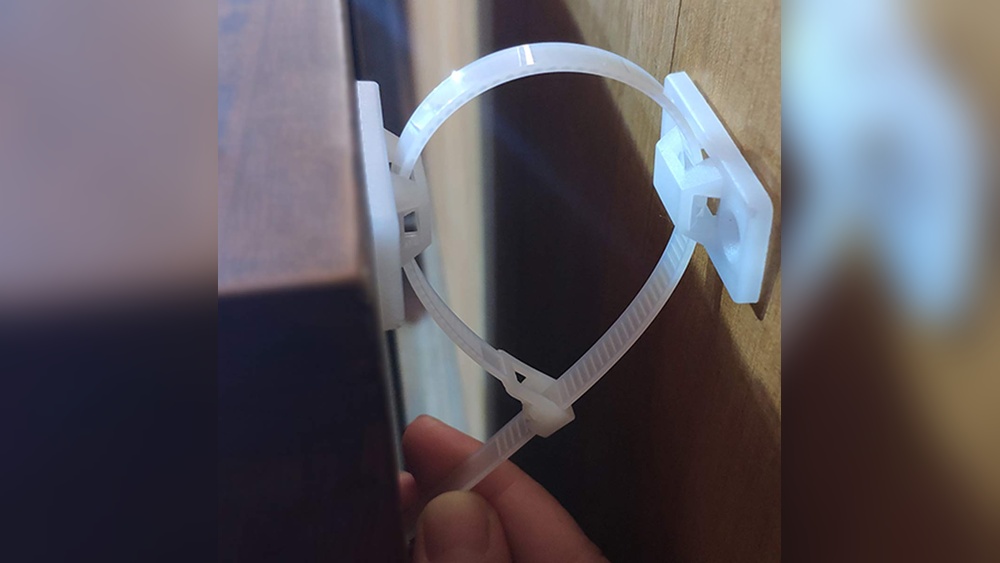
Straps are flexible bands that fasten the bookshelf to the wall. Use nylon or metal straps with screws or anchors. Fix one end to the back of the shelf, the other to the wall. Straps work well for tall or narrow bookshelves. They are easy to install and adjust.
Anchors For Different Wall Types
Different walls need different anchors for strong support. Drywall requires toggle bolts or molly bolts to hold weight. Concrete or brick walls need masonry anchors or screws. Use anchors that match your wall material. This ensures the bookshelf stays secure and stable.
Load Management
Load management is key to keeping your bookshelf safe and stable. It means organizing the weight of books and items properly on the shelves. Poor load management can cause shelves to bend or the whole unit to tip over. This section explains simple tips to manage the load well.
Even Weight Distribution
Place books and items evenly across each shelf. Avoid piling all heavy items on one side. Spread the weight to stop shelves from bending or leaning. Even distribution helps balance the whole bookshelf and keeps it steady.
Avoiding Overloading
Check the weight limit of your bookshelf before loading. Do not put too many books or heavy objects. Overloading causes shelves to break or collapse. Keep the load within the recommended limit to protect your bookshelf and walls.
Heavier Items On Lower Shelves
Put heavy books and objects on the bottom shelves. This lowers the center of gravity and prevents tipping. Light items belong on the top shelves to keep balance. This simple step improves stability and safety of your bookshelf.
Additional Safety Measures
Securing your bookshelf is more than just fixing it to the wall. Extra safety steps help prevent accidents and keep your space safe. These simple actions protect children, maintain stability, and prepare you for emergencies.
Childproofing Tips
Keep small parts and sharp objects out of reach. Use corner protectors on sharp edges to avoid injuries. Choose heavy items for lower shelves to stop tipping. Teach children not to climb on shelves or pull items down.
Regular Inspection
Check brackets and screws often. Tighten any loose parts to keep the bookshelf steady. Look for cracks or damage in the wood or metal. Replace worn or weak parts quickly to avoid accidents.
Emergency Preparedness
Secure items that could fall during an emergency. Store heavy books on lower shelves for balance. Know how to quickly move the bookshelf if needed. Keep pathways clear around the bookshelf for easy exit.

Credit: www.reddit.com
Frequently Asked Questions
How Do I Anchor A Bookshelf To The Wall Safely?
Use wall anchors or screws to secure the bookshelf to studs. Attach metal brackets at the top for stability. This prevents tipping and enhances safety, especially around children or pets.
What Tools Are Needed To Secure A Bookshelf Properly?
You’ll need a drill, screwdriver, wall anchors, screws, a stud finder, and a level. These tools help ensure the bookshelf is fastened securely and evenly.
Can Securing A Bookshelf Prevent Accidents?
Yes, properly securing a bookshelf reduces tipping risks. It protects children, pets, and adults from injury caused by falling furniture.
Is It Necessary To Secure All Types Of Bookshelves?
Yes, especially tall or heavy bookshelves. Securing them prevents tipping regardless of material or design, increasing overall safety.
Conclusion
Securing your bookshelf keeps your books safe and your space tidy. Use strong brackets or wall anchors to prevent tipping. Place heavier items on lower shelves for better balance. Check your setup regularly to keep it steady. A well-secured bookshelf adds safety and style to any room.
Simple steps make a big difference in home safety. Your books and family will thank you.