Are you ready to give your room a fresh, organized look? Installing a bookshelf on your wall is a simple way to save space and show off your favorite books and decor.
But if you’ve never done it before, you might wonder where to start or worry about making mistakes. Don’t worry—you’re in the right place. This guide will walk you through every step, making the process easy and stress-free. By the end, you’ll have a sturdy, stylish bookshelf that you built yourself.
Keep reading, and let’s get your wall ready for a beautiful new shelf!
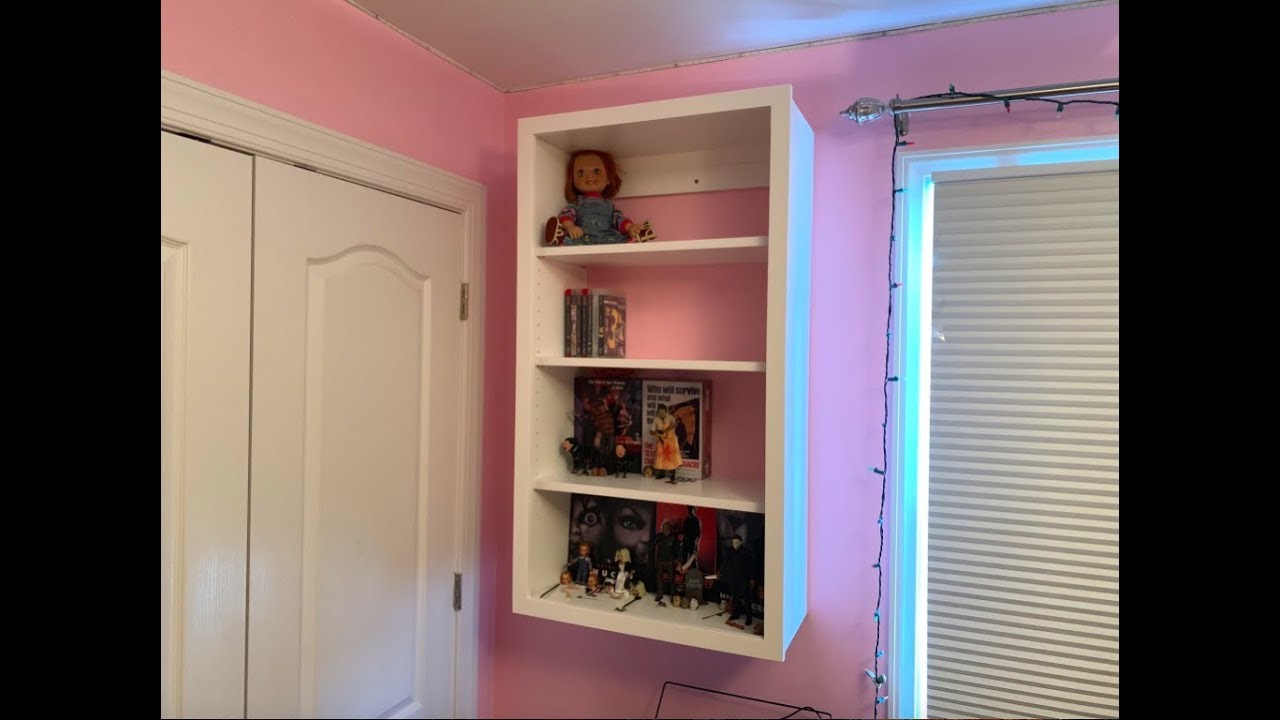
Credit: www.youtube.com
Choose The Right Bookshelf
Choosing the right bookshelf is key to a successful wall installation. The perfect bookshelf fits your space and style. It also holds your books safely and looks great in your room.
Consider Size And Style
Measure your wall space carefully before buying a bookshelf. The shelf should fit without crowding the room. Think about the style too. Match the shelf to your room’s decor. Simple designs work well in modern rooms. Traditional styles suit classic interiors. Choose a size that holds your books comfortably.
Select Suitable Materials
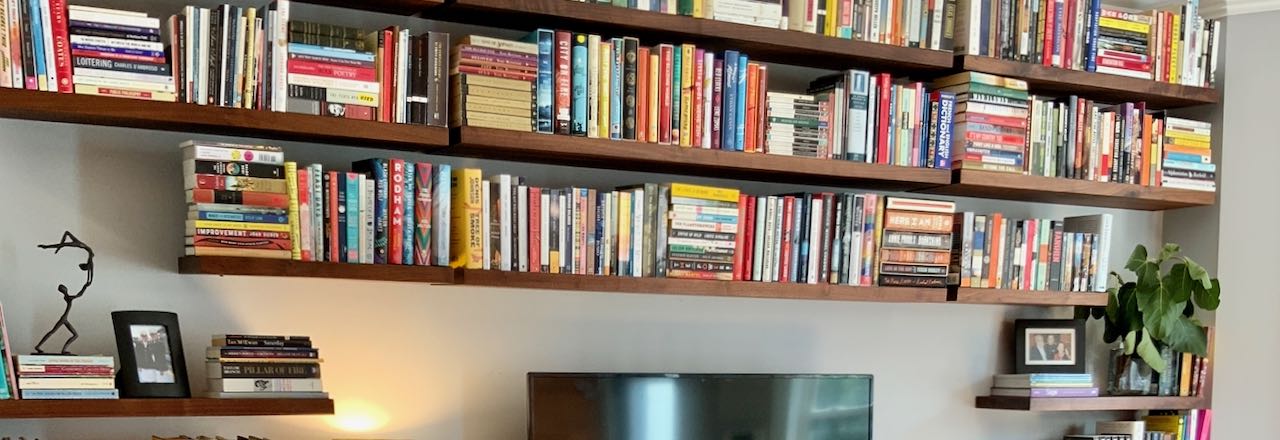
Bookshelves come in many materials. Wood is strong and looks warm. Metal shelves are sleek and modern. Plastic shelves are light and easy to move. Pick a material that supports your books’ weight. Also, consider the room’s humidity. Wood can swell in moist areas. Metal might rust if not treated. Choose a durable material for long use.
Credit: southhousedesigns.com
Gather Necessary Tools
Gathering the right tools is the first step to install a bookshelf on the wall. Proper tools make the job easier and safer. Prepare everything before starting to avoid interruptions.
Tools For Measuring And Marking
Accurate measuring is key for a sturdy bookshelf. Use a tape measure to get exact distances. A pencil helps mark spots clearly on the wall. A level tool ensures the shelf stays straight. Marking the drill points correctly prevents mistakes.
Tools For Drilling And Mounting
A drill is necessary to make holes for screws. Choose drill bits that fit the wall type. Anchors support the screws in drywall or plaster. A screwdriver helps tighten screws securely. Safety glasses protect your eyes from dust and debris.
Prepare The Wall
Preparing the wall is an important step before installing a bookshelf. It ensures the shelf will be safe and strong. Taking time to prepare helps avoid problems later. Start by finding the best spots to hold the weight. Also, check the wall for pipes and wires. This keeps your home safe and prevents damage. Let’s look at how to prepare the wall well.
Locate Studs And Mark Positions
Find the studs in the wall. Studs are wooden beams behind the drywall. They hold most of the weight. Use a stud finder tool to locate them easily. Move the tool slowly across the wall. When it beeps, it finds a stud. Mark these spots lightly with a pencil. These marks show where to place screws and brackets. Position your marks where you want the shelf to sit. Studs are usually 16 or 24 inches apart. Make sure your shelf brackets align with these marks. This keeps the shelf steady and strong.
Check For Electrical And Plumbing
Before drilling, check the wall for wires and pipes. Electrical wires and plumbing pipes run inside walls. Accidentally drilling into them can cause serious damage. Use a wire detector or a multi-purpose scanner. Scan the marked spots carefully. If the tool signals wires or pipes, avoid that area. Move your marks slightly to a safe spot. If unsure, consult a professional. Safety is very important during this step. Protect your home and yourself by checking well.
Mark Mounting Points
Marking the mounting points on your wall is a key step when installing a bookshelf. These marks guide where to drill holes and place screws. Accurate marks ensure the shelf stays level and secure. Take your time to get this right. Small mistakes can cause the shelf to hang crooked or fall.
Focus on precision during this step. Use the right tools and follow clear measurements. This will make the rest of the installation easier and safer.
Use A Level For Accuracy
Place a level on the wall where the shelf will go. Adjust it until the bubble is centered. This shows the line is perfectly horizontal. Mark this line lightly with a pencil. It will serve as your guide.
Check the level more than once. Walls can be uneven. Keeping your marks true will prevent a tilted shelf.
Double-check Measurements
Measure twice before marking the points to drill. Use a tape measure for exact distances. Confirm the height and spacing match your shelf’s brackets.
Recheck your pencil marks. Confirm they align with the level line. This step avoids errors that cause uneven mounting.
Install Wall Anchors
Installing wall anchors is a key step when mounting a bookshelf. Anchors hold the screws firmly in the wall. They stop the screws from pulling out and keep the shelf steady. Using the right anchors makes the shelf safe and strong.
Choose Appropriate Anchors
Pick anchors that match your wall type. Drywall needs different anchors than brick or plaster. Plastic anchors work for light shelves. Heavy shelves need metal or toggle anchors. Check the weight limit on the package. Choose anchors that support more weight than your shelf will hold.
Insert Anchors Correctly
Mark the spots where you will drill holes. Use a drill bit that matches the anchor size. Drill straight into the wall. Push the anchor into the hole gently. Tap it lightly with a hammer if needed. The anchor should sit flush with the wall. Avoid forcing anchors too deep or leaving them loose.
Attach Brackets Or Supports
Attaching brackets or supports is a key step to install a bookshelf on your wall. These parts hold the shelf safely and keep it stable. Proper attachment ensures your books and items stay secure. Take care during this step to avoid damage or accidents.
Align Brackets With Anchors
Start by lining up each bracket with the wall anchors. Check that the brackets match the holes you drilled earlier. Hold the bracket steady and make sure it sits flat against the wall. This alignment helps the shelf stay balanced and strong.
Secure Brackets Firmly
Use screws that fit your anchors to fasten the brackets tightly. Turn the screws slowly to avoid stripping or loosening. The brackets should feel solid and not move at all. Double-check each one for a strong hold before placing the shelf.
Mount The Bookshelf
Mounting the bookshelf on the wall is a key step in your project. It requires care and attention to keep the shelf stable and safe. Proper mounting ensures the shelf holds books and items without risk of falling. Follow these steps to mount your bookshelf securely.
Lift And Position Carefully
Lift the bookshelf with help if needed. Hold it steady and bring it close to the wall. Align the shelf with the brackets or marks you made earlier. Check that it is level using a spirit level. Adjust the position until it looks straight and balanced.
Fasten Bookshelf To Brackets
Use screws to attach the bookshelf firmly to the brackets. Choose screws that fit well and are strong. Insert screws through the bracket holes into the shelf. Tighten them with a screwdriver, but do not over-tighten. Check the shelf again for level and stability. Make sure it feels secure before adding any items.
Check Stability And Adjust
After mounting the bookshelf on the wall, checking its stability is important. This step ensures the shelf can hold weight safely. Proper stability prevents accidents and damage. Take time to carefully test and adjust the shelf.
Test For Firmness
Press gently on the shelf surface. Move it slightly from side to side. Check for any wobbling or loose spots. Try placing some weight on the shelf. Use books or small objects to test. Make sure it feels steady and secure.
Make Necessary Adjustments
Identify any loose screws or brackets. Tighten them with a screwdriver. If the shelf still moves, reposition the brackets. Use a level to confirm the shelf is straight. Adjust the height if needed. Repeat the firmness test after each change. Secure the shelf until it feels solid and safe.
Style Your Bookshelf
Styling your bookshelf is the final step to make it look great and fit your space. It is not just about placing books. It is about creating a balance between books and decorative items. This will make your wall shelf attractive and organized.
Good styling turns a simple shelf into a beautiful display. It shows your personality and taste clearly. Let’s explore how to style your bookshelf smartly and easily.
Arrange Books And Decor
Start by grouping books by size, color, or theme. This creates a neat and pleasing look. Place some books standing up and some lying down. It adds variety and interest.
Next, mix in decor items like small plants, photo frames, or sculptures. These pieces break the monotony of books. They bring life and character to your shelf.
Use spaces between items to avoid overcrowding. A clean and simple arrangement feels calm and inviting.
Maintain Balance And Weight
Distribute the weight evenly across the shelf. Heavy books or decor should not be all on one side. This prevents the shelf from tilting or sagging.
Balance large and small objects to keep visual harmony. Avoid putting all big items together. Spread them out to create a steady look.
Check the shelf often and adjust items if needed. A well-balanced shelf lasts longer and looks better.
Credit: createdbyv.com
Frequently Asked Questions
How Do I Find Studs For Bookshelf Installation?
Use a stud finder to locate wooden studs behind the wall. Mark the stud edges with a pencil for precise drilling. Studs provide strong support for your bookshelf, ensuring it holds weight safely without damaging drywall.
What Tools Are Needed To Install A Wall Bookshelf?
You need a drill, level, screwdriver, stud finder, measuring tape, and wall anchors. These tools help you position, secure, and stabilize the bookshelf safely on the wall.
Can I Install A Bookshelf On Drywall Without Studs?
Yes, but use heavy-duty wall anchors designed for drywall. Anchors distribute weight evenly and prevent damage. However, stud mounting is always stronger and recommended for heavier shelves.
How High Should I Mount A Bookshelf On The Wall?
Mount the bookshelf at eye level or slightly above for easy reach. Typically, 48 to 60 inches from the floor works well. Adjust height based on room layout and shelf usage.
Conclusion
Installing a bookshelf on the wall adds space and style to any room. Follow each step carefully for a strong, safe shelf. Use the right tools and anchors for your wall type. Take your time measuring and leveling for the best results.
Enjoy your new bookshelf for books, plants, or decor. A well-installed shelf keeps your space neat and organized. Simple projects like this bring satisfaction and improve your home. Try it yourself and see how easy it can be.
