If you have a bunk bed at home, you know how important safety is—especially if kids use it. But did you know that simply placing your bunk bed against a wall isn’t enough?
Without proper anchoring, it can wobble or even tip over, putting everyone at risk. You want peace of mind, right? You’ll learn exactly how to anchor your bunk bed to the wall quickly and securely. By following these easy steps, you’ll make sure your bed stays steady and safe, giving you one less thing to worry about.
Keep reading to find out how to protect your family with a simple fix you can do yourself.

Credit: www.reddit.com
Choosing The Right Anchors
Choosing the right anchors is key to safely securing a bunk bed to a wall. Anchors hold the bed frame steady and prevent accidents. Picking the correct type keeps the bed stable and protects your walls.
Different walls need different anchors. The strength of the anchor depends on the wall material and the bed weight. Knowing what anchors work best makes the job easier and safer.
Types Of Wall Anchors
Plastic expansion anchors are good for light loads and drywall. They expand inside the wall to hold tight. Metal toggle bolts open behind the wall, offering strong support. Molly bolts are hollow and grip the wall from inside. Concrete anchors suit brick or concrete walls. Choose anchors based on the bed’s weight and wall type.
Matching Anchors To Wall Material
Drywall needs lightweight anchors like plastic or toggle bolts. For plaster walls, use molly bolts to avoid cracking. Brick or concrete walls require heavy-duty anchors made for masonry. Wooden studs allow screws directly into the wood for strong hold. Check the wall type before buying anchors to ensure safety.
Preparing The Bunk Bed
Preparing the bunk bed is a vital step before anchoring it to the wall. It ensures safety and stability for the entire structure. Proper preparation helps avoid accidents and damage.
Start by making sure the bed is clean and free of loose parts. Check every piece carefully. This process takes a few minutes but saves time later.
Inspecting Frame And Components
Look closely at the bunk bed frame. Check for cracks, bends, or rust on metal parts. Wooden frames need inspection for splits or weak spots. Tighten any loose screws and bolts. Replace broken components before proceeding. A strong frame supports secure anchoring.
Identifying Anchor Points
Find solid points on the bunk bed to attach anchors. These points must be sturdy and close to the wall. Common places include bedposts and the headboard or footboard. Avoid thin or hollow parts that might break. Mark these spots clearly for easy access. Good anchor points keep the bed stable and safe.
Locating Wall Studs
Finding the wall studs is the first step to secure your bunk bed safely. Wall studs are the wooden or metal beams behind your drywall. Anchoring the bed to these studs gives it strong support. Without anchoring to studs, the bed can be unstable and dangerous.
Knowing where the studs are helps you place anchors in the right spots. This makes the bunk bed steady and safe for use. The process is simple with the right tools and careful marking.
Using A Stud Finder
A stud finder is a small device that locates studs behind the wall. Turn it on and slowly move it across the wall surface. The device will beep or light up when it detects a stud.
Move the stud finder back and forth to find the edges of the stud. Mark both edges to know the stud’s exact width. This tool makes finding studs quick and accurate.
Marking Anchor Positions
After locating the stud, use a pencil to mark the spots where you will place anchors. Choose positions at the top and bottom of the bunk bed frame for balance.
Double-check the marks to ensure they align with the studs. Clear and precise marks help when drilling holes for anchors. This step ensures the bed is firmly attached to the wall.
Credit: safe-t-proof.com
Installing Wall Anchors
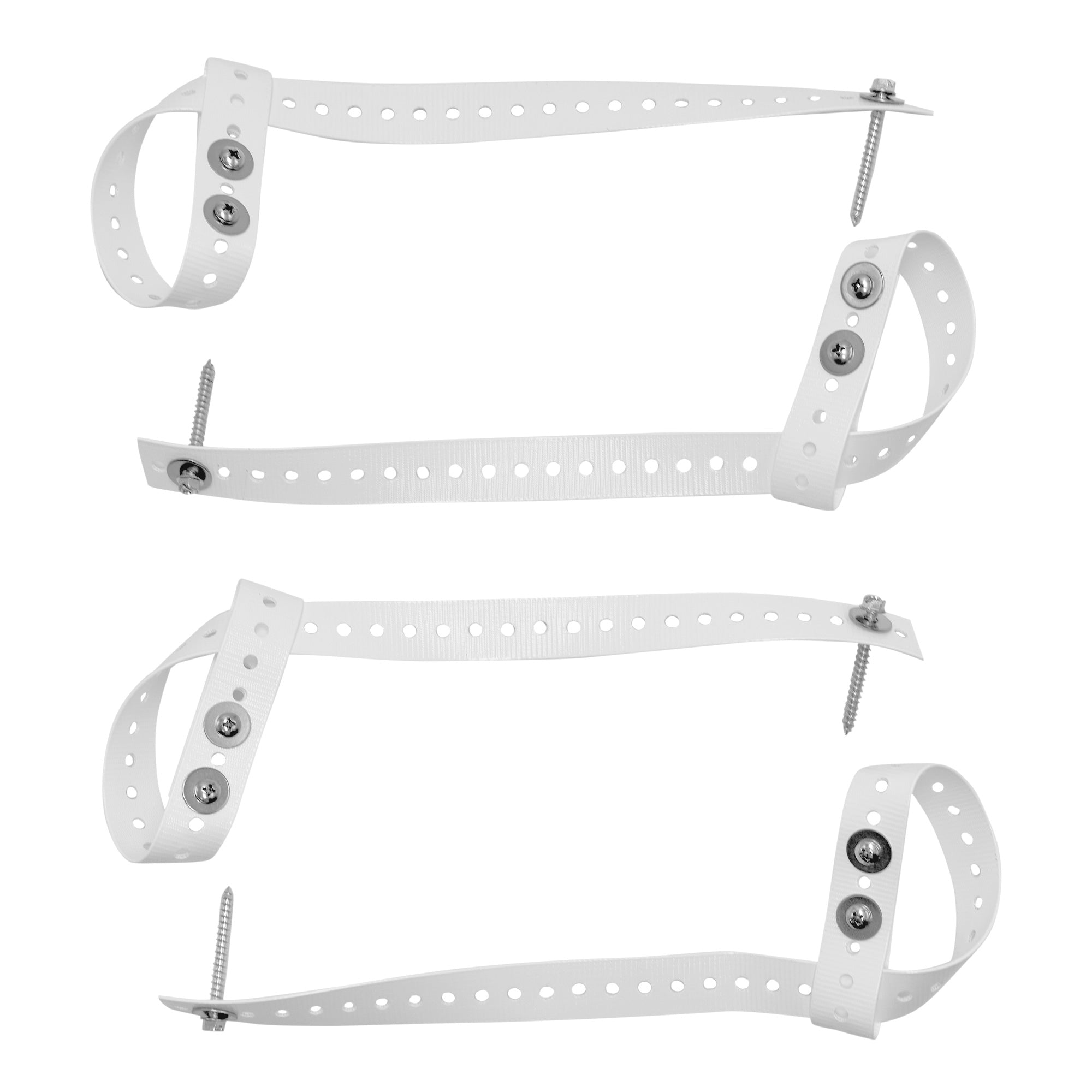
Installing wall anchors is a key step in securing your bunk bed safely. It keeps the bed stable and prevents accidents. Proper anchors hold the bed frame firmly against the wall. This helps stop any shaking or tipping that could harm kids.
Follow simple steps to install anchors correctly. Use the right tools and take your time. Careful work leads to a strong, safe bunk bed setup.
Drilling Pilot Holes
Start by marking where the anchors will go on the wall. Check the bed frame to match these spots. Use a pencil for clear marks. Choose a drill bit slightly smaller than the anchor size.
Drill pilot holes gently at the marks. This makes it easier to insert anchors. Drill straight into the wall, not at an angle. Clean any dust from the holes before next steps.
Securing Anchors Properly
Insert the wall anchors into the pilot holes. Push or tap them in until flush with the wall. Use a screwdriver to tighten screws into anchors. Do not overtighten; this can damage the wall.
Check the anchor holds by pulling gently. The anchor should stay firmly in place. Repeat for all marked spots. Attach the bunk bed frame to these anchors using bolts or screws.
Attaching The Bunk Bed
Attaching the bunk bed to the wall is a key step for safety. It stops the bed from moving or tipping over. This process needs care and the right tools. Follow each step carefully to secure the bed firmly.
Aligning Frame With Anchors
Start by placing the bunk bed frame close to the wall. Check the wall anchors you installed earlier. Move the frame so the anchor points line up with the bed’s frame holes. This alignment is important for a strong hold. Double-check all points match before moving to the next step.
Tightening Fasteners Safely
Use a screwdriver or drill to tighten screws into the anchors. Turn the fasteners slowly to avoid stripping the screws. Tighten each screw just enough to hold the bed steady. Do not overtighten, as this can damage the wall or frame. Check the bed’s stability by gently shaking it. Tighten more if needed, but keep all fasteners secure and safe.
Testing Stability
Testing the stability of your anchored bunk bed is crucial for safety. This step ensures the bed stays firmly in place during use. It helps prevent accidents caused by wobbling or shifting.
Check the bed’s movement carefully. Even slight shifts can be dangerous, especially for children. Make sure the bed feels solid and secure against the wall.
Checking For Movement
Stand near the bunk bed and push gently on different parts. Apply pressure on the top and bottom to see if it moves. Wiggle the frame by hand to detect any looseness. Listen for creaks or unusual noises during the test. A stable bed will not show any noticeable movement.
Adjusting If Necessary
If you find any movement, tighten the anchors or brackets first. Check the screws and bolts for firmness. Replace any damaged anchors to improve hold. Add extra brackets if the bed still feels unstable. Repeat the movement check after each adjustment. The bed should stay completely still once properly anchored.
Additional Safety Tips
Anchoring a bunk bed to the wall is very important for safety. But there are more things to do to keep the bed safe. These extra tips help protect children from falls and accidents. Safety is the top priority with bunk beds.
Using Guardrails And Ladders
Guardrails stop a child from rolling off the top bunk. Make sure the rails fit tightly and cover all sides. The ladder should be strong and steady. Check that the ladder is easy to climb and not slippery. Both guardrails and ladders must be secure and safe to use.
Regular Maintenance Checks
Look over the bunk bed often for loose screws or broken parts. Tighten any loose bolts to keep the bed stable. Check the wall anchors to ensure they hold firm. Replace parts that show wear or damage. Regular checks prevent accidents before they happen.

Credit: www.amazon.com
Frequently Asked Questions
How Do I Safely Anchor A Bunk Bed To The Wall?
Use strong brackets and secure them into wall studs. Avoid drywall anchors for safety. Tighten all screws firmly to prevent movement.
What Tools Are Needed To Anchor A Bunk Bed?
You need a drill, stud finder, screwdriver, measuring tape, and mounting brackets. These tools ensure proper installation and secure anchoring.
Can I Anchor Any Bunk Bed To The Wall?
Most bunk beds can be anchored, but check manufacturer guidelines first. Use appropriate hardware for bed material and wall type for best results.
How High Should Bunk Bed Anchors Be Placed?
Place anchors at the middle of the bed frame height. This position offers the best stability and prevents wobbling during use.
Conclusion
Anchoring a bunk bed to the wall keeps it safe and steady. Simple steps make the process easy and quick. Using the right tools and anchors helps secure the bed firmly. This prevents accidents and gives peace of mind. Always check the wall type before starting the work.
Taking time to anchor the bed protects everyone in the room. Safety matters most, especially with children around. A well-anchored bunk bed stays strong for years.