Have a closet full of unused space just waiting for a new purpose? Imagine turning that empty spot into a stunning bookshelf that not only organizes your favorite reads but also adds charm to your room.
You don’t need to be a DIY expert or spend a fortune to make it happen. In this guide, you’ll discover simple, practical steps to transform your closet into a beautiful bookshelf that reflects your personality and keeps your books within easy reach.
Ready to unlock the hidden potential in your home? Let’s dive in and make your dream bookshelf a reality!
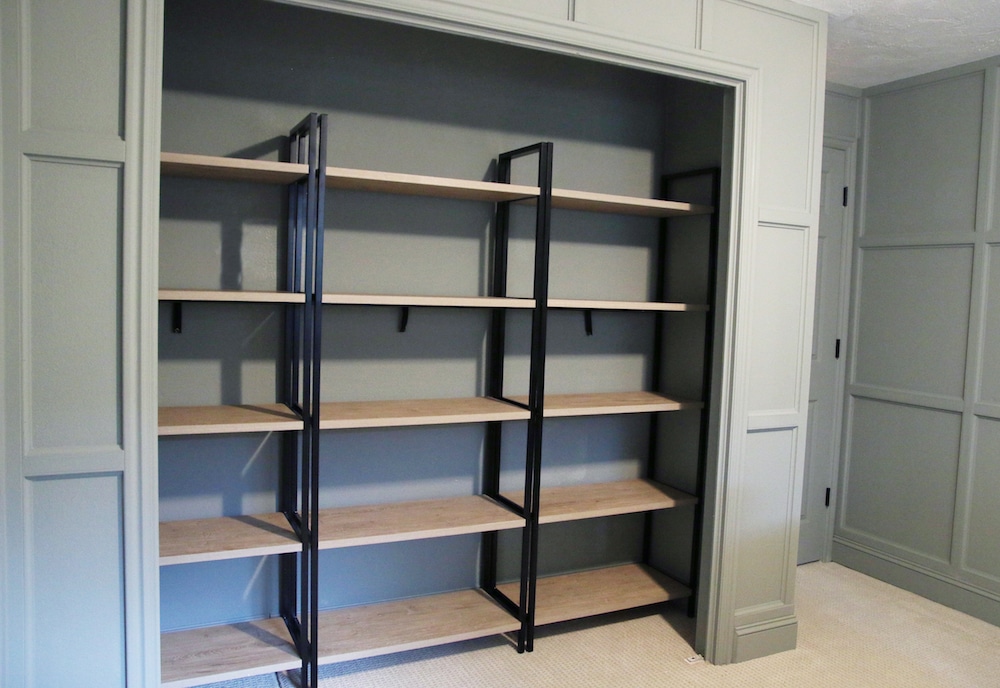
Credit: chrislovesjulia.com
Choosing The Right Closet
Choosing the right closet is the first step in turning it into a bookshelf. The closet must fit your books and suit your space. Some closets work better than others. It depends on size, shape, light, and air flow. These factors help keep your books safe and easy to reach.
Assessing Closet Size And Shape
Measure the closet carefully. Note the height, width, and depth. A deep closet can hold large books and boxes. A narrow closet fits smaller books and decorations. Check for unusual shapes like slanted ceilings. These can limit shelf options. Choose a closet that fits the amount of books you have.
Considering Lighting Options
Good lighting is important for a bookshelf. Natural light helps you see book titles clearly. A closet with a window is a plus. If there is no window, plan to add lights. LED strips or small lamps work well. Avoid bright direct light to protect books from damage. Soft, even light is best.
Checking Ventilation And Accessibility
Air flow keeps books dry and fresh. A closet with some ventilation stops mold and mildew. Avoid closets that feel damp or stuffy. Make sure the closet door opens wide. Easy access helps you reach books quickly. Sliding doors or bi-fold doors save space and improve access.

Credit: www.beardandbloom.com
Planning Your Bookshelf Design
Planning your bookshelf design is the first step to creating a functional and beautiful space. A well-thought-out plan helps you use the closet space efficiently. It also ensures your bookshelf fits your book collection and style.
Consider the size, shape, and depth of the closet. Think about how many books you want to store and the types of books you have. Planning helps avoid mistakes and saves time during installation.
Selecting Shelf Materials
Choose materials that match your budget and style. Wood is strong and classic. Plywood offers durability at a lower cost. MDF is smooth and easy to paint.
Look for materials that can hold the weight of your books. Avoid thin or weak boards that may sag over time. Consider the finish to protect shelves from dust and wear.
Deciding On Shelf Layout
Plan shelf heights based on your book sizes. Tall books need higher shelves. Smaller books fit on shorter shelves. Create space for decorative items or storage boxes.
Think about how many shelves you need. Balance open space with enough shelves to maximize storage. Measure carefully to avoid overcrowding or wasted space.
Incorporating Adjustable Shelves
Adjustable shelves add flexibility to your bookshelf. You can change shelf heights as your book collection grows. Use shelf pins or brackets that allow easy movement.
This feature helps accommodate books of different sizes without rebuilding. It also allows space for other items like photo frames or plants. Adjustable shelves keep your closet bookshelf versatile and practical.
Maximizing Storage Space
Maximizing storage space is key when turning a closet into a bookshelf. Small closets can hold many books with smart design. Using every inch of space helps keep your room neat and books easy to find. Clever ideas make your closet both useful and cozy.
Using Vertical Space Efficiently
Stack shelves from floor to ceiling. Tall shelves use wall height well. Add adjustable shelves for books of all sizes. Narrow shelves fit small spaces and hold paperbacks. Use the top shelf for items you rarely need. This frees up space below for daily reads.
Adding Built-in Seating Or Reading Nooks
Create a small bench inside the closet. Built-in seating makes reading comfortable. Use cushions for a cozy spot. Store books under the seat with drawers or baskets. A reading nook invites you to spend time with your books. It adds function without taking extra space.
Incorporating Hidden Storage
Use the closet door for extra storage. Attach slim shelves or pockets for bookmarks and small items. Build drawers or cabinets behind lower shelves. Hidden storage keeps clutter out of sight. It helps organize supplies like notebooks or chargers. Smart hiding spots keep your bookshelf tidy.
Installing Shelves And Fixtures
Installing shelves and fixtures is a key step in turning a closet into a bookshelf. It gives the space structure and a place for your books. Careful planning and proper tools make this task easier. Follow these instructions to create sturdy shelves that fit your needs.
Tools And Materials Needed
- Measuring tape
- Level
- Drill and drill bits
- Screwdriver
- Screws and wall anchors
- Wooden boards for shelves
- Brackets or shelf supports
- Stud finder
- Pencil
- Sandpaper
Step-by-step Installation Guide
- Measure the width and depth of the closet space.
- Mark the desired shelf heights on the wall with a pencil.
- Use a stud finder to locate studs behind the wall.
- Attach brackets to the studs or use wall anchors for extra support.
- Sand the edges of the wooden boards for smoothness.
- Place the shelves on the brackets and secure them with screws.
- Check each shelf with a level to ensure it is straight.
- Adjust brackets or screws if needed for stability.
Safety Tips During Installation
- Wear safety goggles to protect your eyes from dust and debris.
- Use a sturdy ladder or step stool for high shelves.
- Keep your work area clean and free of obstacles.
- Double-check that shelves are securely fastened before loading books.
- Handle power tools carefully and follow the manufacturer’s instructions.
Enhancing Aesthetics
Enhancing the look of your closet-turned-bookshelf makes it a true feature in your room. Small changes can bring big style improvements. The right paint, decorations, and lighting create a welcoming space for your books and decor.
Choosing Paint And Finishes
Pick paint colors that match your room’s style and mood. Light colors open up small closets, making them feel larger. Dark colors add depth and drama for bigger spaces. Use satin or semi-gloss finishes for easy cleaning and a slight shine. Matte finishes give a cozy, soft look but may be harder to clean.
Adding Decorative Elements
Decorative touches add personality and charm. Place small plants or framed photos on shelves. Use bookends that reflect your taste or theme. Add baskets to store small items neatly. Layer textures with fabric or wallpaper on the back panel. These details make your bookshelf feel warm and inviting.
Using Lighting To Highlight Books
Good lighting draws attention to your books and decor. Install LED strip lights under shelves for soft, even light. Small spotlights highlight favorite books or objects. Use warm light bulbs for a cozy atmosphere. Avoid harsh overhead lights that create glare or shadows.
Maintaining Your Bookshelf Closet
Maintaining your bookshelf closet keeps it neat and inviting. Regular care helps books last longer and look good. Simple habits prevent clutter and damage.
Organizing, cleaning, and updating the design keep your space fresh. These steps make your bookshelf closet a joy to use daily.
Organizing Books Effectively
Group books by size, color, or topic for easy access. Use vertical and horizontal stacks to save space. Keep frequently used books at eye level. Label shelves to find books quickly. Avoid overcrowding shelves to prevent damage.
Cleaning And Upkeep Tips
Dust shelves and books regularly to avoid buildup. Use a soft cloth or duster for gentle cleaning. Keep the area dry to prevent mold and warping. Check for loose screws or shelf damage. Fix issues early to avoid bigger problems.
Updating Design Over Time
Change shelf arrangement to refresh the look. Add decorative items like plants or photos. Paint or wallpaper the closet walls for style. Replace old shelves if they wear out. Regular updates keep your bookshelf closet attractive and functional.

Credit: www.reddit.com
Frequently Asked Questions
What Materials Are Needed To Convert A Closet Into A Bookshelf?
You need plywood or MDF boards, screws, brackets, paint, and a drill. Measuring tape and a level are essential for accuracy. Sandpaper helps smooth surfaces. Optional lighting can enhance visibility and aesthetics in your new bookshelf closet.
How Do I Prepare The Closet Before Installing Shelves?
Remove all items and clean the closet thoroughly. Check walls for any damage and repair if needed. Measure the closet dimensions precisely. Plan shelf spacing based on book sizes. Ensure the closet walls can support the shelf weight safely.
What Is The Best Shelving Type For A Closet Bookshelf?
Adjustable shelves are ideal for flexibility. Floating shelves provide a modern look and save space. Fixed shelves offer sturdy support for heavy books. Choose materials that match your room decor and are durable for long-term use.
How Can I Maximize Space In A Closet Bookshelf?
Use vertical space by installing tall shelves. Incorporate adjustable or removable shelves for versatility. Add hooks or small baskets on closet doors for extra storage. Consider using slim, deep shelves to fit more books without overcrowding.
Conclusion
Turning a closet into a bookshelf adds charm and saves space. It gives your books a special home. You can organize your collection neatly and find books easily. Simple tools and some effort create a cozy reading spot. This project suits any room size or style.
Try it yourself and enjoy a new, useful space. Your books will thank you.