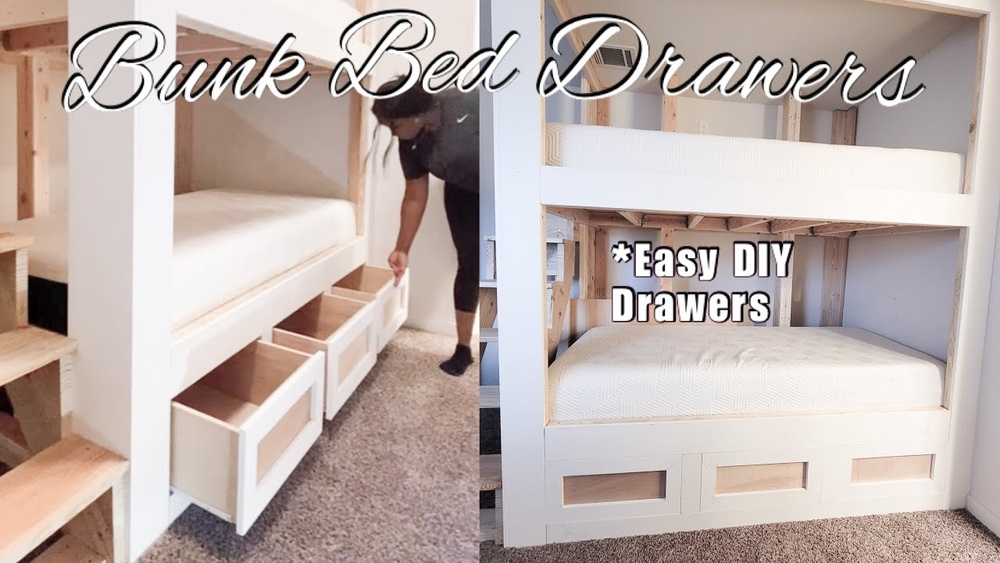
Are you looking to save space and add extra storage to your room? Building a bunk bed with storage is a smart way to do both.
Imagine having a cozy place to sleep and plenty of room to keep your things neatly organized—all in one piece of furniture. In this guide, you’ll discover simple steps to create a sturdy, stylish bunk bed that fits your needs perfectly.
Whether you want to free up floor space or keep your room clutter-free, this project is designed just for you. Keep reading, and you’ll learn how to turn your idea into a practical and beautiful reality.
Materials And Tools Needed
Building a bunk bed with storage needs the right materials and tools. Choosing good quality wood and hardware makes the bed strong and safe. Having the correct tools helps you work faster and better. This section lists everything you need to start your project.
Wood And Lumber
Select sturdy wood like pine or oak for the frame. Use plywood for storage drawers and shelves. Cut all pieces to the right size before assembly. Smooth the edges to avoid splinters and rough spots.
Fasteners And Hardware
Buy screws, bolts, and nails suited for wood furniture. Use metal brackets for extra support at joints. Drawer slides must be strong and easy to open. Sandpaper and wood glue help finish and secure parts.
Tools Required
Use a drill with screwdriver bits for making holes and driving screws. A saw is needed to cut wood to size. A tape measure and square ensure accurate measurements. Clamps hold parts in place during assembly.
Safety Equipment
Wear safety goggles to protect your eyes from dust and debris. Gloves keep your hands safe from splinters and sharp tools. Use a dust mask to avoid inhaling sawdust. Work in a well-ventilated area.
Credit: casakids.com
Planning Your Bunk Bed Design
Planning your bunk bed design is the first step to a successful build. A good plan saves time and avoids mistakes. Think about the space where the bed will go. Measure the room carefully. Consider the needs of those who will use the bed. Safety and comfort come first. Adding storage makes the bed more useful. Storage keeps the room tidy and organized. Focus on smart design choices before starting to build.
Choosing The Right Dimensions
Start by measuring the room’s height, length, and width. The bunk bed must fit well without crowding the space. Standard bunk beds are usually 75 inches long and 39 inches wide. Adjust size for the mattress you plan to use. Leave enough space above the top bunk for sitting up. Also, check the distance from the floor to the bottom bunk. Make sure there is enough headroom for both beds. Plan for a safe ladder or stairs that fit the bed size.
Incorporating Storage Features
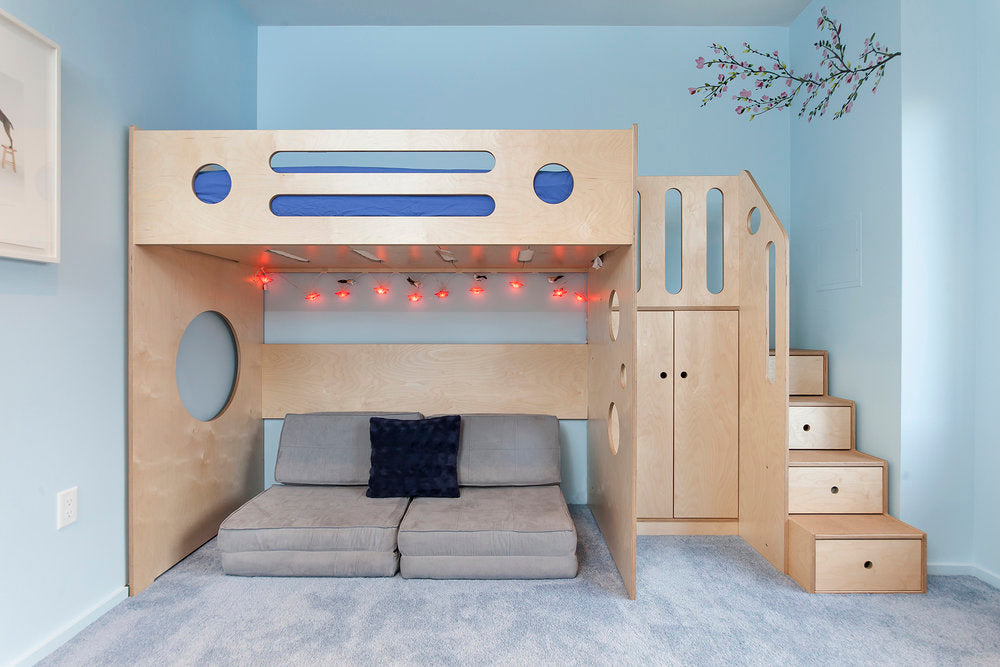
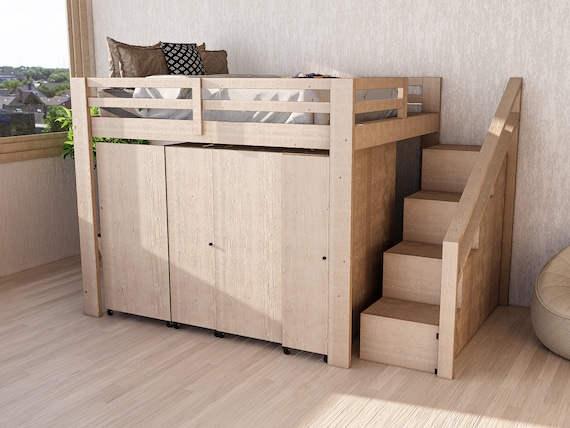
Decide what kind of storage suits your needs. Drawers under the bottom bunk save floor space. Shelves attached to the bed frame keep books and toys close. Consider adding a small closet or cubbies on the side. Use storage boxes that slide in and out easily. Plan storage that does not block access to beds. Choose strong materials to hold the weight of stored items. Think about what items need quick access and design accordingly.
Cutting And Preparing Wood
Cutting and preparing wood is a key step in building a bunk bed with storage. It ensures all parts fit perfectly and the bed stays strong. Careful measuring and cutting help avoid mistakes later.
Using the right tools and techniques makes the process safer and smoother. Properly prepared wood also looks better and lasts longer. This section explains how to cut and prepare wood for your project.
Choosing The Right Wood
Select wood that is strong and smooth. Pine and plywood are good choices for bunk beds. Avoid wood with cracks or knots that can weaken the structure.
Make sure the wood is dry to prevent warping. Dry wood is easier to cut and sand. It also holds screws and nails better.
Measuring And Marking
Measure twice, cut once. Use a tape measure and pencil for accuracy. Mark the wood clearly where you will cut.
Double-check all measurements before cutting. Mark straight lines with a ruler or square. This helps make clean, straight cuts.
Cutting The Wood Safely
Use a saw that fits your project size. A circular saw works well for straight cuts. Always wear safety goggles and gloves.
Cut slowly and steadily to avoid splinters. Support the wood to keep it stable. Keep fingers clear of the blade at all times.
Sanding For A Smooth Finish
Sand all edges and surfaces after cutting. Use medium-grit sandpaper to remove rough spots. Finish with fine-grit for a smooth touch.
Sanding helps paint or stain stick better. It also makes the wood safer to handle. Take your time to get all surfaces smooth.
Credit: www.etsy.com
Assembling The Bed Frame
Assembling the bed frame is the key step in building your bunk bed with storage. This part gives the bed its shape and strength. A strong frame keeps the bed safe and steady. Follow the steps carefully to build a solid frame that lasts for years.
Building The Base
Start with the base. Use thick wooden planks for support. Lay the planks flat and screw them together. Make a rectangle that fits your mattress size. Double-check the corners are square. Tighten all screws to avoid wobbling. This base will hold the mattress and storage below.
Constructing The Guardrails And Ladder
Next, build the guardrails. These keep the top bunk safe. Cut wood pieces to fit the sides of the bed. Attach them firmly to the frame. Ensure the rails are high enough to stop falls. For the ladder, use sturdy wood steps. Space the steps evenly for easy climbing. Secure the ladder to the bed frame tightly. This makes climbing safe and stable.
Creating Storage Components
Creating storage components makes a bunk bed more useful and organized. It saves space and keeps the room tidy. Storage parts fit well with the bed design. They help store clothes, toys, or books. These storage areas can be built as drawers, shelves, or cabinets. Let’s explore how to build these parts step by step.
Building Drawers
Drawers fit perfectly under the bunk bed. Start by measuring the space under the bed frame. Cut wood panels to match these measurements. Assemble the panels to form a box shape. Use smooth slides or wheels for easy drawer movement. Attach drawer fronts that match the bed style. Paint or finish the drawers to protect the wood. Drawers keep items hidden but easy to reach.
Adding Shelves And Cabinets
Shelves and cabinets add open or closed storage options. Measure wall space near the bunk bed. Build shelves using strong wood boards and brackets. Place shelves at different heights for variety. Cabinets need doors and shelves inside for better storage. Use hinges to attach cabinet doors. Paint or stain cabinets to match the bed. Shelves hold books and toys. Cabinets hide clutter and keep things neat.
Finishing Touches
Finishing touches make your bunk bed with storage look complete and polished. These steps protect the wood and add style to your project. Proper finishing also ensures safety and durability for everyday use.
Sanding And Painting
Start by sanding all surfaces smoothly. Use medium-grit sandpaper first, then fine-grit for a soft finish. Sanding removes splinters and rough spots that can cause injuries.
After sanding, wipe the dust away with a damp cloth. Choose a paint or stain that suits your room’s style. Apply even coats for a clean look. Allow each coat to dry fully before adding another. Paint protects wood from damage and moisture.
Installing Hardware
Next, attach all hardware securely. Use screws and brackets to hold drawers and shelves firmly. Check that handles and knobs fit well and work smoothly. Proper hardware installation prevents accidents and keeps storage functional.
Double-check all bolts and screws to ensure tightness. Loose parts can cause instability. Test moving parts like drawers to confirm smooth operation. These final steps help your bunk bed stay safe and strong.
Safety Tips And Maintenance
Building a bunk bed with storage is a smart choice for saving space. Safety and maintenance must be a top priority. A strong, safe bed keeps children secure and lasts longer. Small checks can prevent big problems.
Check The Bed Frame Regularly
Inspect all screws and bolts often. Tighten any loose parts right away. Loose parts can cause the bed to wobble or break. Use a wrench or screwdriver for secure fitting. Check the frame for cracks or splinters.
Use Guardrails On The Top Bunk
Guardrails stop falls during sleep. Make sure rails are high and strong. The rails should cover most of the bed’s side. Check rails often to ensure they are tight and firm. Never remove the guardrails on the top bunk.
Choose The Right Mattress Size
Pick a mattress that fits snugly inside the frame. A mattress too big or small can cause accidents. Use mattresses designed for bunk beds only. Keep the mattress thickness under six inches for safety. This prevents children from rolling off.
Keep The Ladder Secure And Slip-free
Attach the ladder tightly to the bed. Check for any loose steps or rails often. Add non-slip pads to the ladder steps. Teach children to climb carefully and hold the rails. Make sure the ladder is strong enough to hold weight.
Clean And Maintain Storage Areas
Empty storage drawers or shelves regularly. Clean dust and debris to avoid damage. Check for broken drawer slides or handles. Fix or replace parts that are damaged. Keep storage areas organized to avoid accidents.
Follow Weight Limits Strictly
Know the weight limits of each bunk and storage. Do not overload the bed or storage spaces. Excess weight can weaken the frame and cause falls. Spread weight evenly across the bed and storage. This keeps the structure stable and safe.

Credit: www.youtube.com
Frequently Asked Questions
What Materials Are Needed To Build A Bunk Bed With Storage?
You need quality wood, screws, nails, a drill, measuring tape, sandpaper, and paint or stain. Choose durable wood like pine or oak for strength and longevity. Storage options include drawers or shelves integrated into the bed frame.
How Much Time Does Building A Bunk Bed Take?
Building a bunk bed with storage typically takes 1 to 3 days. Time varies by skill level and design complexity. Allow extra time for sanding, painting, and drying to ensure a polished finish.
What Safety Features Should A Bunk Bed Have?
Include sturdy guardrails on the top bunk and secure ladders. Ensure all joints are tight and stable. Use smooth finishes to prevent splinters. Proper weight limits and spacing between slats improve safety.
Can I Customize Storage In The Bunk Bed Design?
Yes, storage can be customized with drawers, shelves, or cubbies. Design according to room size and storage needs. Modular storage options offer flexibility and maximize space efficiently.
Conclusion
Building a bunk bed with storage saves space and adds function. Start with a clear plan and gather all materials first. Take your time to measure and cut wood carefully. Assemble pieces step by step for safety and strength. Adding storage keeps the room tidy and organized.
This project suits any small bedroom or shared space. Enjoy the process and the extra room you create. A sturdy bunk bed with storage works well for kids or guests. Simple tools and patience make the job easier. Give it a try and see the difference it brings.
