Do you ever look at your bookshelf and wish you had more space for just a few more books? You’re not alone.
Whether your collection is growing fast or you just want to make better use of your shelf, finding smart ways to fit more books can change how you enjoy your space. Imagine squeezing in those extra favorites without clutter or chaos.
You’ll discover simple, effective tips that help you maximize every inch of your bookshelf. Keep reading, and you’ll soon have room for all the stories you love—plus a few new ones.

Credit: www.neathousesweethome.com
Maximize Shelf Height
Maximizing the height of your bookshelf shelves helps you fit more books without buying new furniture. Many shelves have space that is not fully used. Adjusting this space lets you store more books vertically. Small changes can make a big difference.
Adjust Shelf Spacing
Check how much space is between each shelf. Many shelves have adjustable pegs or slots. Move these to create just enough room for your tallest books. Avoid wasting space above short books by lowering the shelf. This simple step can add space for several more books on each shelf.
Use Stackable Bookends
Stackable bookends help organize books in vertical layers. Place one row of books, then a bookend, and stack another row on top. This method uses height effectively without damaging books. Choose bookends that fit your shelf height and keep books stable. It doubles the storage area without extra shelves.

Credit: www.reddit.com
Optimize Shelf Depth
Optimizing shelf depth is a smart way to fit more books without buying new shelves. Many shelves have extra space behind or in front of books. Using this space wisely can double your storage and keep your books neat. The key is to arrange books to use the full depth of the shelf.
Double-row Books
Place one row of books at the back of the shelf. Then add a second row in front. This method uses the full depth of the shelf. It works best for books you do not need often. Use bookends to keep both rows stable. This arrangement can hold twice as many books.
Store Books Horizontally
Stack some books horizontally on top of vertical rows. This fills empty space above shorter books. Horizontal stacks can fit into shelf depth gaps. Keep stacks low to avoid toppling. This way, you save space and create a fresh look.
Use Vertical Space
Using vertical space is a smart way to fit more books on your bookshelf. It makes use of the empty space above and below your current shelves. This method helps you store more books without taking up extra floor space.
Add Extra Shelves
Adding extra shelves inside your existing bookshelf can increase storage quickly. Measure the height between shelves and place new boards to fill gaps. This allows you to store shorter books or stack books vertically. Use sturdy materials to hold the weight of your books safely. Adjustable shelves give you flexibility to change spacing later. This simple step can double your bookshelf’s capacity.
Install Wall-mounted Shelving
Wall-mounted shelves use empty wall space around your room. They free up your floor and table surfaces. You can place shelves above desks, doors, or seating areas. Choose slim shelves for a clean look and easy access. Mount shelves at different heights to suit your book sizes. This option adds character and extra storage to any room.
Credit: www.neathousesweethome.com
Creative Book Arrangements
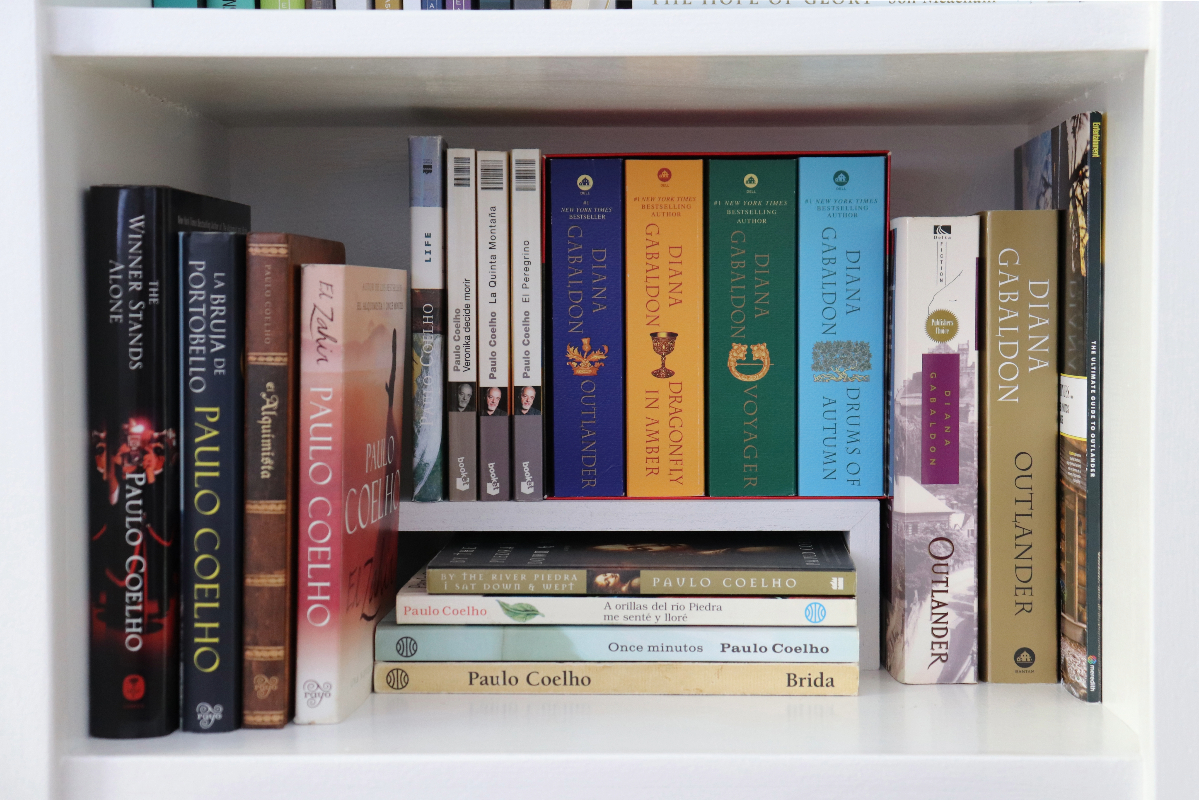
Creative book arrangements can help you fit more books on your shelf. They also make your bookshelf look neat and interesting. Using different ways to place books changes the space they take. You can use these ideas to organize your books better. This saves room and adds style to your shelf.
Try mixing how you place the books. Some standing up, some lying down. Use the shape and size of your books to find the best fit. These small changes help you store more books in less space. Plus, they create a cool look that invites you to browse.
Mix Vertical And Horizontal Stacks
Place some books standing up in a row. Then, lay other books flat on top of these rows. This method fills empty space above the upright books. It also adds variety to your shelf design. Use horizontal stacks to separate groups of vertical books. This breaks the shelf into smaller sections. Your books stay neat and easy to find.
Horizontal stacks can hold small items too. Like bookmarks or reading glasses. This makes your shelf both useful and pretty.
Group By Size And Shape
Sort your books by their height and width. Place tall books together in one area. Put smaller books in another spot. This helps you use shelf space efficiently. Books of the same size fit better side by side. This reduces empty gaps and wasted space.
Try to keep similar shapes close. Square books next to square books. Thin books next to thin books. This makes the shelf look balanced. It also keeps your books stable and less likely to fall over.
Alternative Storage Ideas
Finding more space for books can be tricky. Bookshelves fill up fast. Alternative storage ideas help you keep books neat and easy to reach. These ideas use areas you might not think about. They make your room look tidy and save space.
Use Under-furniture Space
The space under beds, sofas, or tables is often empty. Use shallow boxes or baskets here to store books. This spot is perfect for books you don’t read every day. It keeps books hidden but close. Clear containers help you see the titles easily.
Repurpose Unused Areas
Look for spaces like corners, walls, or staircases that stay empty. Add small shelves or wall-mounted racks. Use these spots to stack books vertically or horizontally. Old crates or wooden boxes also work well as book holders. These areas add charm and save floor space.
Maintain Easy Access
Keeping your books easy to find saves time and keeps your shelf neat. A well-organized shelf helps you enjoy your books more. You can fit more books without losing order. Simple steps make access quick and smooth.
Label Sections Clearly
Label each section of your bookshelf. Use clear, simple names for categories. For example, “Fiction,” “History,” or “Science.” Labels help you spot books fast. You avoid pulling out many books to find one. Keep labels visible and easy to read. This small step keeps your shelf tidy and useful.
Rotate Books Regularly
Change the order of your books now and then. Move books you read often to the front. Place less-used books at the back. This rotation keeps your shelf fresh and organized. It also helps you see all your books. You prevent some books from getting lost or forgotten.
Frequently Asked Questions
How Can I Maximize Bookshelf Space Effectively?
Use vertical stacking and adjust shelf heights to fit more books. Remove unnecessary items and group books by size or genre to optimize space.
What Are The Best Ways To Organize Books Efficiently?
Organize books by category, size, or color for easy access. Use bookends and baskets to keep smaller books tidy and prevent clutter.
Can Using Different Bookshelf Styles Increase Book Capacity?
Yes, ladder shelves and cube storage units offer versatile space. Wall-mounted shelves can also free floor space and hold more books.
How Do I Prevent Bookshelf Overcrowding Without Sacrificing Storage?
Rotate books seasonally and store rarely used ones elsewhere. Prioritize frequently read books on shelves, and consider digital versions to save space.
Conclusion
Fitting more books on your shelf takes smart planning and simple tricks. Try stacking books horizontally to save space. Use vertical dividers to keep books neat and upright. Adjust shelf heights to fit different book sizes. Don’t forget to remove items that do not belong.
Small changes can create big space. Your bookshelf will look organized and full. Enjoy your growing collection without clutter. Keep these tips handy for easy updates. Happy reading!